
Water Damage Restoration in Shoreham, NY
When Long Island Sound Sends Water Into Your Shoreham Home
Hear from Our Customers

Flood Restoration Shoreham, NY
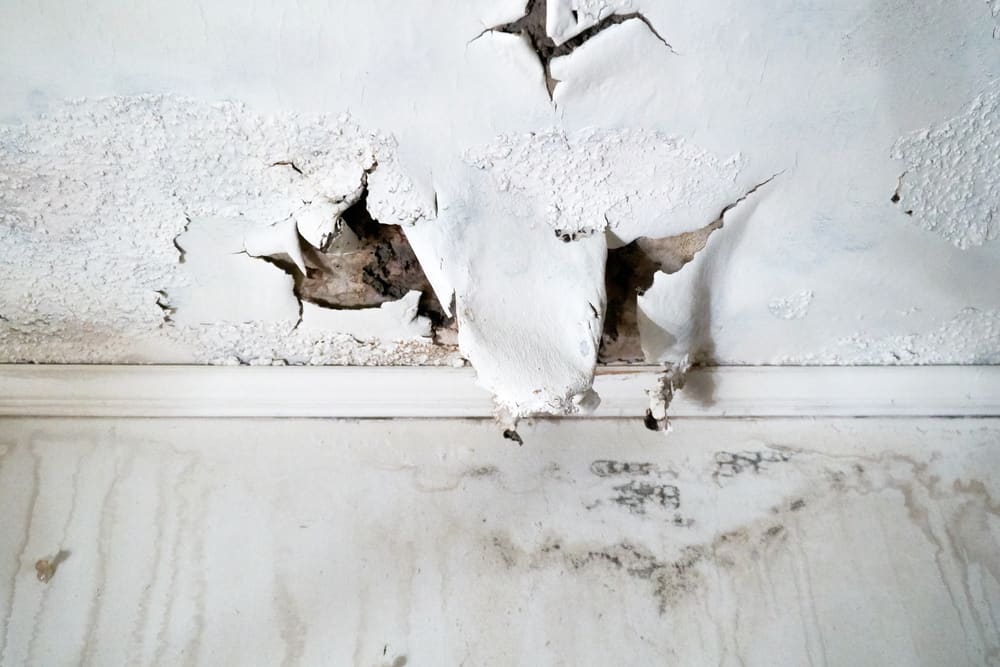
When water gets into a Shoreham home, the visible damage is rarely the whole story. Moisture wicks into wall cavities, travels under original hardwood floors, and settles inside older plaster walls long before you see a stain or smell anything unusual. What looks like a contained problem after a nor’easter or a burst pipe is often hiding in places a fan and a wet-vac will never reach.
The homes in Shoreham Village many of them built in the early-to-mid 20th century respond to water intrusion differently than newer construction. Old-growth lumber absorbs moisture at a different rate. Original plaster holds water in ways modern drywall doesn’t. Getting a century-old Shoreham home truly dry requires equipment calibrated to find that hidden moisture, not just surface-level cleanup that looks fine until mold shows up six weeks later.
What you get when the job is done right: a home that’s structurally dry from the foundation up, documentation your insurance company can actually work with, and no lingering moisture problems waiting to become a bigger issue down the road. That’s the outcome not just water removed, but the problem actually resolved.
Residential Water Damage Repair Shoreham, NY
We’ve been serving Long Island homeowners since the mid-1990s through nor’easters, pipe failures, storm seasons, and everything in between. That’s not a marketing number. It means the team that shows up at your door has seen the specific ways water moves through North Shore homes, knows what Suffolk County adjusters expect in a claim, and understands the difference between a quick dry-out and a restoration that actually holds.
Shoreham and East Shoreham sit in the Town of Brookhaven, and the homes along the bluffs and wooded streets of this village have their own character and their own vulnerabilities. We’re IICRC-certified, licensed, bonded, and insured in New York, and we work directly with your insurance company so you’re not left managing two conversations at once during an already stressful situation.
When you call our Suffolk County line, you’re reaching a local operation not a national dispatch center routing a crew from three counties away.
24/7 Water Damage Restoration Shoreham, NY
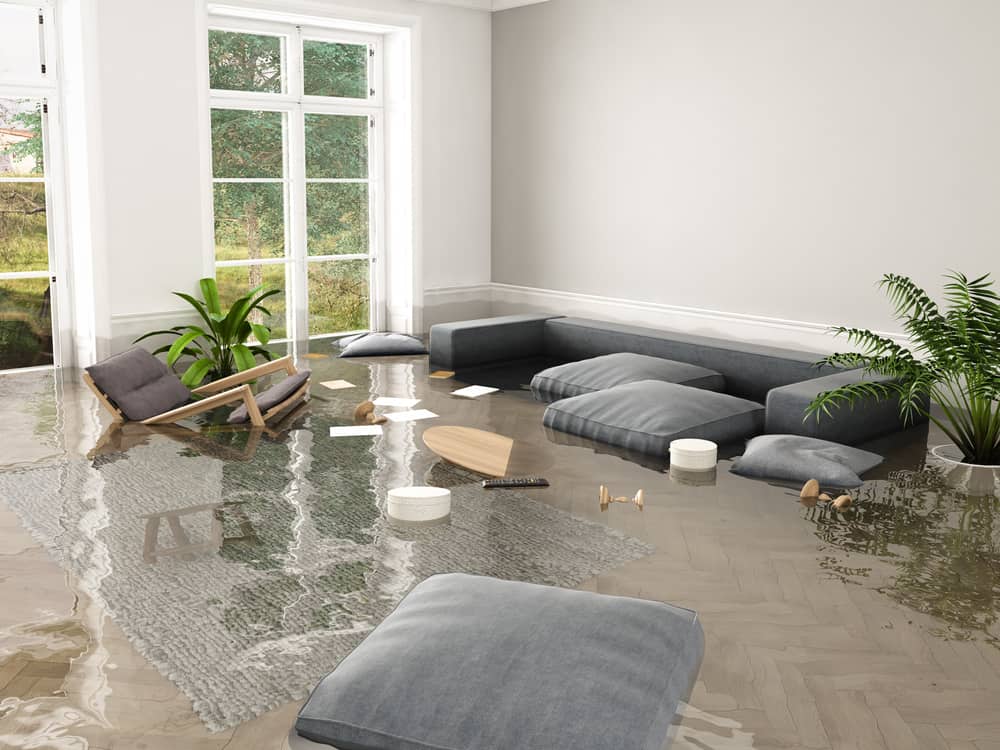
The first call triggers an emergency response 24 hours a day, seven days a week. When a nor’easter pushes water through a Shoreham foundation wall at 11 p.m. on a Sunday, or a pipe lets go in a basement that hasn’t been checked in weeks, waiting until morning isn’t an option. The EPA is clear that water-damaged areas need to be dried within 24 to 48 hours to prevent mold growth so the response timeline matters.
When we arrive, the first step isn’t cleanup it’s assessment. Industrial moisture meters and thermal imaging map where water has actually traveled, including inside walls, beneath floors, and in structural cavities that aren’t visible to the eye. For Shoreham’s older homes, this step is especially important because water behaves differently in century-old construction than in a newer build. The drying plan gets built around what the equipment finds, not just what’s visible.
From there, extraction and structural drying begin industrial dehumidifiers, high-velocity air movers, and targeted drying equipment placed based on the moisture map. Every step is documented for your insurance claim. If structural repairs or reconstruction are needed after the drying phase, we handle that too one company, start to finish. Any work requiring Town of Brookhaven building permits gets managed as part of the process, so you’re not left navigating the permitting side on your own.
Ready to get started?
Burst Pipe Water Damage Shoreham, NY
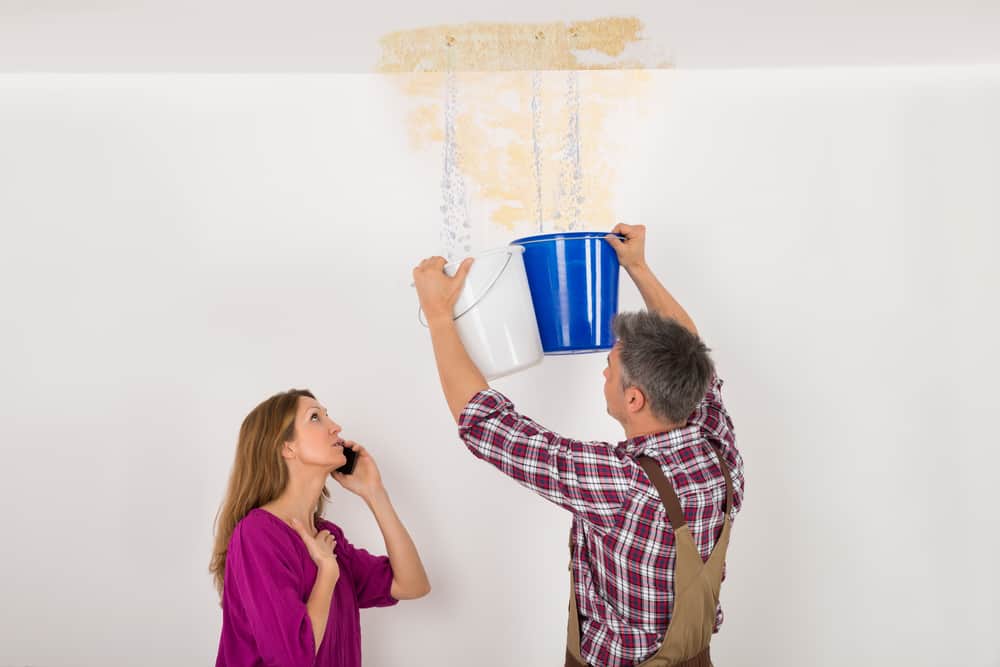
Water damage in Shoreham doesn’t come from one direction. A nor’easter can drive storm surge toward the shoreline while simultaneously saturating the bluff face and channeling runoff toward home foundations from above. A burst pipe in a basement that’s used for storage and only checked occasionally can run undetected for days. A failing water heater or aging washing machine supply line can soak a finished floor before anyone notices a sound. Each of these scenarios requires a different response, and we handle all of them.
Our full scope of services covers water extraction and basement water extraction, structural drying and dehumidification, moisture mapping with calibrated equipment, mold prevention treatment, sewage backup cleanup, storm damage restoration, and full reconstruction of damaged materials. Flood restoration after a Long Island Sound weather event, flooded basement cleanup after a pipe failure, and fire-related water damage from suppression systems are all within scope.
The insurance coordination piece runs alongside every job. We work directly with your insurer handling documentation, communicating with adjusters, and billing the insurance company directly. For Shoreham homeowners with significant property values on the line, having that process managed by a team that’s been doing it on Long Island for nearly three decades makes a real difference in how the claim gets resolved.

Does homeowners insurance cover water damage from a nor'easter in Shoreham?
It depends on how the water entered your home, and that distinction matters more than most people realize. Standard homeowners insurance typically covers sudden, accidental water damage from internal sources a burst pipe, a failed water heater, an appliance that overflows. What it does not cover is flooding, which is defined as water entering from the outside ground level storm surge, overland flow, or rising water from heavy rain.
For Shoreham homeowners on or near the bluffs, a nor’easter can produce both scenarios at once: wind-driven rain that penetrates a roof or window is generally covered, while storm surge reaching the foundation from the shoreline typically falls under flood damage, which requires a separate NFIP or private flood insurance policy. The line between the two isn’t always obvious, which is exactly why having a restoration company that documents damage thoroughly from the start matters it gives your adjuster the clearest possible picture of what happened and how, which directly affects what gets covered.
How fast does mold start growing after water damage in a home?
Faster than most people expect. The EPA states that water-damaged areas need to be dried within 24 to 48 hours to prevent mold growth. Mold spores are already in the air they don’t need to be introduced from outside. They just need moisture and a surface to land on, and they can begin germinating within 24 hours under the right conditions. Visible growth typically appears within 48 to 72 hours, but microscopic growth starts earlier than that.
In Shoreham’s older homes, this timeline is particularly relevant because moisture can sit inside plaster walls or beneath original hardwood floors without being visible at the surface. A homeowner who mops up standing water and runs a box fan may genuinely believe the problem is handled and then discover mold in a wall cavity weeks later. The only way to know whether hidden moisture is present is with calibrated equipment, not a visual check. That’s why the assessment phase of any restoration job is as important as the extraction itself.
What should I do immediately after finding water damage in my Shoreham home?
The first thing to do is stop the source if you can shut off the water supply if it’s a pipe or appliance failure, or get away from any area where electrical systems may be compromised. After that, call a restoration company before you call your insurance company. This is counterintuitive for a lot of homeowners, but it’s the right sequence. Getting a professional on-site to document the damage before anything is disturbed gives your insurance adjuster the clearest possible evidence of what happened and the full extent of the loss.
While you’re waiting for the team to arrive, don’t run fans over saturated materials this can spread contaminated water and doesn’t address moisture inside walls or under floors. Don’t attempt to vacuum up standing water with a household vacuum. And if the water source is anything other than a clean pipe burst if it involves sewage backup, floodwater, or any water that’s been sitting for more than a few hours treat it as a contamination situation and keep people and pets away from the affected area until the team assesses it.
How long does water damage restoration typically take in a Shoreham home?
For most water damage situations a burst pipe, an appliance overflow, a localized basement flood the drying phase alone typically takes three to five days using industrial equipment. The full restoration process, from initial extraction through any necessary repairs, averages around two weeks for moderate damage. More extensive situations involving structural damage or significant mold growth can extend that timeline considerably.
In Shoreham specifically, a few factors can affect the timeline. Older homes with original plaster walls and old-growth lumber framing can hold moisture longer than modern drywall and dimensional lumber, which means the drying phase may run longer before moisture readings reach acceptable levels. If the damage is in a basement that hasn’t been regularly maintained a common scenario in the village there may be pre-existing moisture issues that extend the scope of work. And if any structural repairs require Town of Brookhaven building permits, that permitting process adds time to the reconstruction phase. A clear timeline gets established after the initial assessment, once we know the actual extent of the moisture intrusion.
Can I stay in my house during the water damage restoration process?
In most cases, yes but it depends on where the damage is, what category of water is involved, and how extensive the drying setup needs to be. If the affected area is a basement or a single room, and the water source was clean (a pipe burst, an appliance overflow), most homeowners can remain in the home while the industrial drying equipment runs. The equipment is loud and takes up space, but it doesn’t make the home uninhabitable.
The situation changes with Category 2 or Category 3 water damage that’s gray water from sources like washing machine overflow, or black water from sewage backup or floodwater. These situations involve contamination that requires the affected area to be isolated, and depending on the extent of the spread, temporary relocation may be the safer choice. Your insurance policy may cover additional living expenses if relocation is necessary, which is another reason to have the damage documented and categorized correctly from the start. The assessment at the beginning of the job will give you a clear answer about whether staying in the home is practical for your specific situation.
How does First Response Restoration & Cleaning Inc. handle the insurance claim process?
The short version is that we handle it directly you don’t have to manage the back-and-forth between us and your insurer on your own. We work with insurance companies as a standard part of every job: documenting the damage, preparing the scope of work, communicating with adjusters, and billing the insurer directly where coverage applies.
For Shoreham homeowners, this matters in a specific way. Properties in this village carry significant value average home prices around $650,000, with waterfront homes considerably higher and the documentation quality of a restoration claim directly affects how that claim gets settled. An adjuster reviewing a claim from an IICRC-certified company with nearly 30 years of Long Island restoration experience, supported by moisture mapping data and a detailed scope of work, is in a very different position than one reviewing a claim from an uncertified contractor with a one-page invoice. The insurance coordination we provide isn’t a convenience add-on for a high-value Shoreham property, it’s a meaningful part of protecting what the restoration is actually worth.
Useful Links
Other Services we provide in Shoreham