
Water Damage Restoration in Smithtown, NY
When the Nissequogue Rises, Smithtown Homes Can't Wait
Hear from Our Customers

Flood Restoration Services in Smithtown
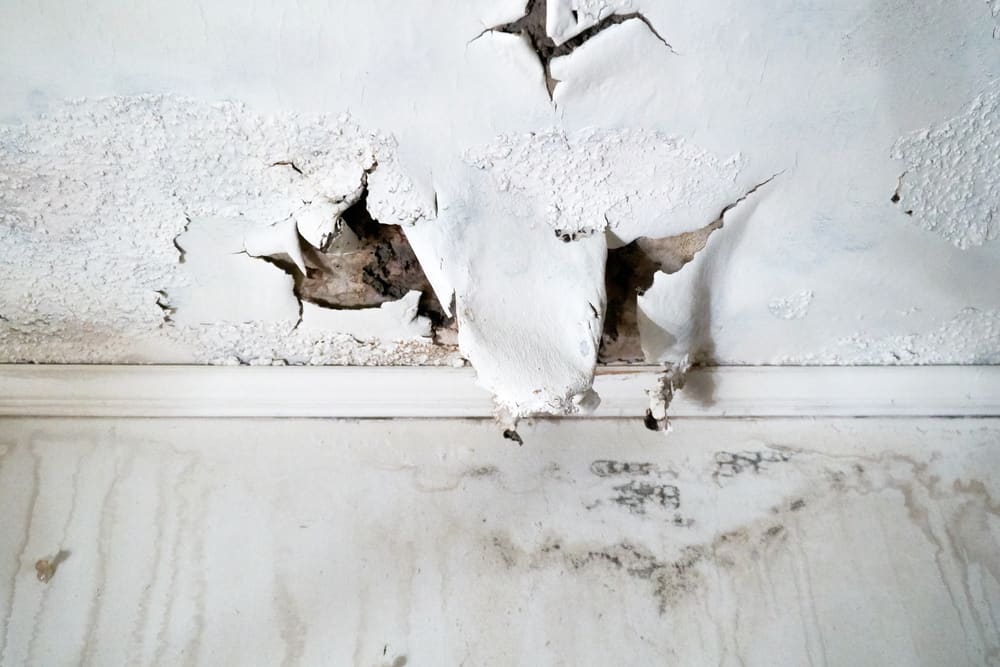
When water gets into your Smithtown home whether from a burst pipe on a January night, a sump pump that gave out during a nor’easter, or the kind of inland flooding that hit Smithtown hard in August 2024 the damage goes deeper than what you can see. Wet drywall, saturated subfloors, moisture wicking into wall cavities these are the things that turn a manageable situation into a mold problem months later if the drying isn’t done right.
What you get when the job is done correctly isn’t just dry floors. It’s the confidence that nothing was missed behind the walls of your home. For a lot of Smithtown homeowners especially in Kings Park and the Smithtown hamlet near the Nissequogue River corridor that peace of mind matters more than the cleanup itself, because these are homes that families have invested decades into.
The right restoration work also means your insurance claim holds up. IICRC-certified documentation, proper moisture mapping, and a clear record of what was done and how protects you when the adjuster shows up. In a post-flood insurance environment, that’s essential.
Trusted Water Damage Company in Smithtown
We’ve been responding to water damage emergencies across Long Island for close to three decades. Based in West Babylon, we operate throughout Suffolk County, and we’ve worked in hundreds of homes that look exactly like yours post-war Cape Cods, ranches, and colonials built in the 1950s and 1960s that are now aging into their highest-risk years.
That experience matters in Smithtown specifically. The town’s older housing stock particularly in Kings Park and St. James responds to water intrusion differently than newer construction. Original waterproofing systems that were installed when these neighborhoods were first built weren’t designed for the kind of watershed flooding the Nissequogue delivered in August 2024. Knowing where water hides in these homes, and how to get it out completely, comes from years of doing this work on Long Island not from a training manual.
We’re IICRC-certified, fully licensed, bonded, and insured, and we work directly with your insurance company so you’re not left managing that process alone.
Water Damage Restoration Process in Smithtown
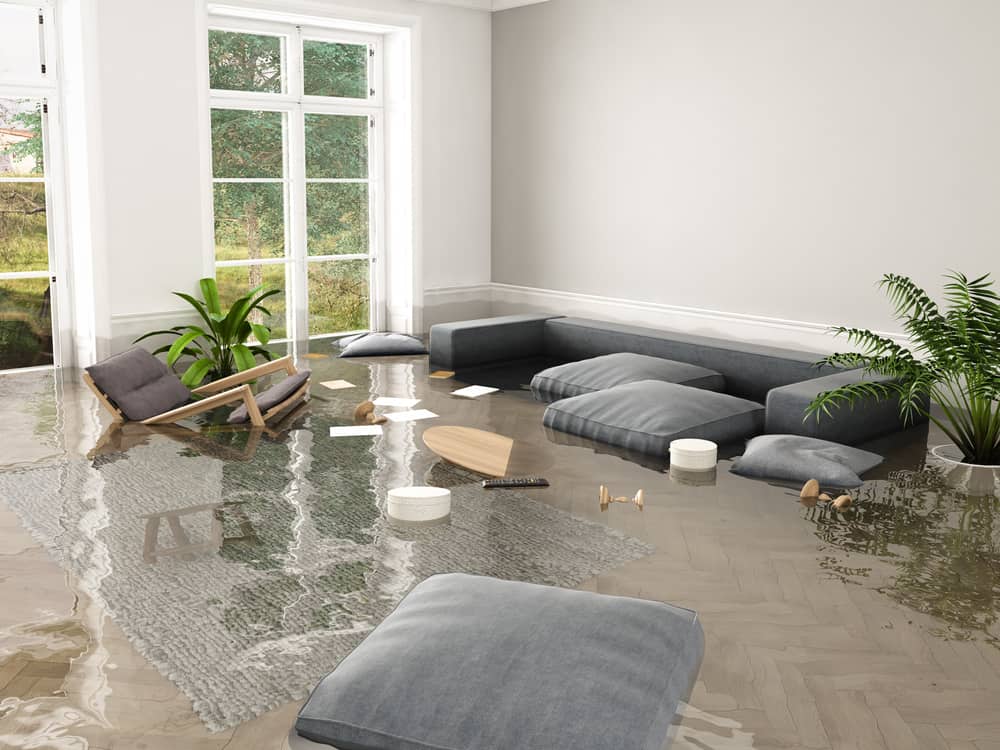
When you call, the first thing that happens is a real response not a voicemail, not a callback queue. We operate 24/7, and our goal is to get to your Smithtown home as quickly as possible, because the EPA is clear that mold can begin developing within 24 to 48 hours of water exposure. In Smithtown, where a single storm can push the Nissequogue watershed into neighborhoods that haven’t flooded in years, that response window isn’t theoretical.
Once on-site, we start with a full assessment moisture meters, thermal imaging where needed, and a clear picture of where the water has traveled. This step matters more than most homeowners expect. Water doesn’t stay where it lands. It moves through subfloors, behind baseboards, and into wall cavities. The assessment tells us exactly what we’re dealing with before any equipment is set up.
From there, water extraction comes first, followed by industrial drying with commercial-grade air movers and dehumidifiers that consumer fans simply can’t replicate. Depending on the scope, structural drying can take several days. Throughout the process, we document everything for your insurance claim. Any reconstruction work drywall, flooring, structural repairs is handled by us, so you’re not coordinating between multiple contractors while your home is still in recovery. In Smithtown, where building permits are required for structural work, we handle the process in compliance with Town of Smithtown requirements.
Ready to get started?
Residential Water Damage Repair in Smithtown, NY
Water damage restoration in Smithtown isn’t a one-size situation. Our service covers the full range emergency water removal, structural drying, basement water extraction, mold prevention treatment, and complete reconstruction because the scope of what’s needed depends entirely on what happened and how long the water has been sitting.
For homes near the Nissequogue River corridor in Kings Park or the Smithtown hamlet, flooding often involves river-adjacent groundwater pressure against aging foundation walls. That’s a different challenge than a burst pipe in a Nesconset colonial or a sump pump failure in a Hauppauge ranch during a nor’easter. We adjust our approach to what your home actually needs, not a fixed checklist.
Storm damage restoration after events like the August 2024 flooding frequently involves multiple damage sources at once basement intrusion, roof-related water entry, and saturated crawl spaces all in homes where the original construction didn’t account for the kind of rainfall that watershed event produced. We handle all of it under one roof. Mold remediation, when needed, is performed in compliance with New York State Labor Law Article 32, which requires licensed contractors for mold assessment and remediation work. We carry the certifications and licensing to meet that standard. Insurance coordination is built into our process from the start, not added at the end.

Does homeowners insurance cover water damage from flooding in Smithtown, NY?
This is probably the most common question after a water damage event, and the answer depends on the source of the water not just the fact that your home flooded. Standard homeowners insurance typically covers sudden, accidental water damage from internal sources: a burst pipe, a washing machine overflow, a water heater that fails. What it does not cover is flooding from an external source meaning water that enters your home from the ground, from a river overflowing its banks, or from storm surge. That type of flooding requires a separate flood insurance policy, typically through the National Flood Insurance Program.
This distinction matters a great deal for Smithtown homeowners, particularly after the August 2024 storm. If your basement flooded because your sump pump failed during that storm, that may be covered under your standard policy as a mechanical failure. If water entered your Smithtown home because the Nissequogue River overflowed and groundwater pushed through your foundation walls, that’s flood damage and coverage depends on whether you carry a separate flood policy. The best first step is to call us before you call your insurer, so the damage is properly documented from the start. That documentation is what protects your claim.
How quickly does mold start growing after a basement floods?
The EPA’s guidance is clear: mold can begin developing within 24 to 48 hours of water exposure under the right conditions. In practice, that means the clock starts the moment water enters your home. Visible mold growth typically appears within 48 to 72 hours, but microscopic growth the kind you can’t see but can still affect air quality and structural materials starts earlier than that.
For Smithtown homeowners dealing with the aftermath of a storm or a burst pipe, this timeline is the main reason that waiting to “see how bad it gets” is a costly approach. A basement that looks like it just needs a shop vac and some fans is often already developing mold inside the wall cavities and under the subfloor, where consumer-grade equipment can’t reach. Industrial drying equipment the kind we use is specifically designed to pull moisture out of structural materials, not just surface water. Getting a professional assessment within the first 24 hours isn’t an overreaction. Given Smithtown’s aging housing stock and the frequency of storm events that hit the Nissequogue watershed, it’s the practical move.
What should I do immediately after my basement floods in Kings Park or Smithtown?
The first thing to do is make sure it’s safe to enter the space. If there’s any chance the water has reached electrical outlets, panels, or appliances, don’t go in until power to that area has been shut off. Water and live electricity in a basement is a serious hazard, and it’s one that’s easy to overlook when you’re focused on the damage itself.
Once it’s safe, call us before you start moving things around or trying to dry it yourself. The reason is documentation your insurance claim is significantly stronger when our certified team can assess and photograph the damage in its original state. Moving furniture and running fans before an assessment can actually complicate the claims process. After the call is made, you can move valuables out of standing water if it’s safe to do so, but leave the structural assessment to us. In Kings Park and the Smithtown hamlet, where many basements sit within proximity of the Nissequogue River watershed, what looks like a contained basement flood can involve groundwater pressure that continues pushing water in even after the storm passes. A surface cleanup won’t address that.
How long does water damage restoration typically take for a Smithtown home?
The honest answer is that it depends on the scope of the damage. For a contained event a burst pipe that’s caught quickly, affecting one room the drying phase alone typically takes three to five days, and the full process including any minor repairs might be wrapped up within one to two weeks. For more extensive damage involving multiple rooms, saturated structural materials, or mold that’s already developed, the timeline extends accordingly.
In Smithtown, the most common scenario after a major storm event involves basement flooding that has been sitting for several hours before it’s discovered which is typical when sump pumps fail overnight during a nor’easter or a late-summer storm. In those cases, the drying phase is longer because the water has had more time to penetrate subfloors and wall cavities. If mold remediation is also required, that adds time to the process. The average water damage restoration project nationally takes about two weeks from initial extraction through final repairs, but complex cases like those involving structural drywall replacement or reconstruction can take longer. A proper on-site assessment at the start of the job is the only way we can give you an accurate timeline for your specific home.
Can I stay in my home during water damage restoration in Smithtown?
In many cases, yes but it depends on where the damage is and how extensive it is. If the water damage is confined to a basement or a single room and the rest of the home is livable, most families can stay put during the drying process. The equipment industrial air movers and dehumidifiers is loud, and it runs continuously, which some families find disruptive, but it’s not a safety issue in most situations.
Where staying becomes more complicated is when the damage involves mold remediation, sewage backup, or structural work that affects living areas. Mold remediation in New York State is governed by specific requirements under Labor Law Article 32, and depending on the scope, containment protocols may make portions of the home temporarily inaccessible. If your home experienced Category 3 water damage which includes sewage backup or floodwater with contaminants temporary relocation is often the safer choice during remediation. Your insurance policy may also cover temporary living expenses in those situations, which is worth checking with your adjuster. We can give you a clear read on what’s realistic for your specific home after the initial assessment.
Why does it matter that a restoration company is IICRC-certified in Smithtown specifically?
IICRC certification matters everywhere, but it carries particular weight in Smithtown right now. After the August 2024 storm triggered a Federal Emergency Declaration for Suffolk County, a significant number of homeowners in the area filed water damage and storm damage claims many for the first time. Insurance adjusters reviewing those claims look at how the restoration work was performed and documented. Work completed by IICRC-certified technicians follows the industry’s established standards specifically the IICRC S500 for water damage restoration which gives adjusters a recognized framework to evaluate the claim against.
Beyond the insurance angle, certification reflects how the work is actually done. IICRC-certified technicians are trained to identify water damage categories, use moisture meters to find hidden saturation, and apply the correct drying protocols for different materials and damage levels. In Smithtown’s older housing stock homes built in the 1950s and 1960s in Kings Park, St. James, and the Smithtown hamlet knowing how water behaves in post-war construction, where to look for hidden moisture, and how to dry a slab foundation or a plaster wall correctly is the difference between a job that’s truly finished and one that comes back as a mold problem six months later.
Useful Links
Other Services we provide in Smithtown