
Water Damage Restoration in South Farmingdale, NY
When a 1940s South Farmingdale Home Takes on Water, Every Hour Counts
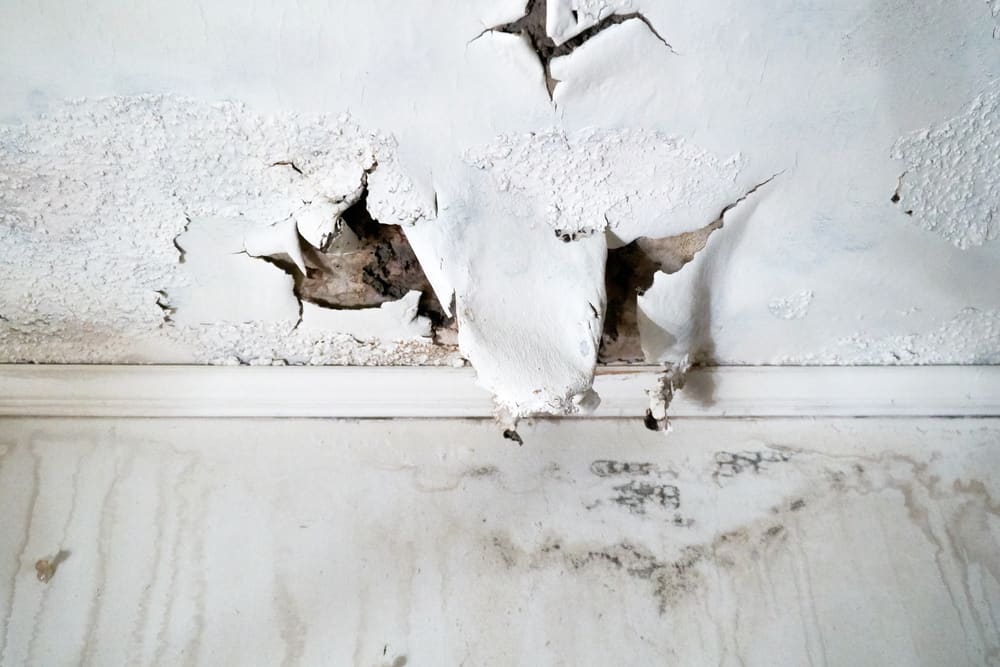
Hear from Our Customers

Flood Restoration Services in South Farmingdale
When water gets into a South Farmingdale home, the damage rarely stays where you can see it. It moves through original plaster walls, under hardwood floors, into subfloor framing that’s been in place since the Eisenhower administration. The homes on these streets were built in the 1940s and 1950s, and while they were built to last, they weren’t built with modern waterproofing in mind.
What looks like a contained mess after a storm drain backup or a sump pump failure is often something more serious once you get a moisture meter behind the baseboards. Proper water damage restoration in South Farmingdale means more than extracting standing water. It means mapping every inch of moisture migration, drying the structure not just the surface and documenting everything in a way that holds up when your insurance adjuster reviews the claim.
With median home values near $607,700 and property taxes already running over $10,000 a year, you can’t afford a cleanup job that leaves hidden moisture behind and surfaces as a mold problem six months later. What you get at the end of this process is a home that’s genuinely dry, structurally sound, and ready to move forward whether that means moving back in, completing repairs, or closing out an insurance claim without a fight.
Residential Water Damage Repair in South Farmingdale
First Response Restoration and Cleaning Inc. is based in West Babylon about 8 to 10 miles from South Farmingdale via Route 109 and has been serving Nassau and Suffolk County homeowners for nearly three decades. That’s not a franchise timeline. That’s a company that has worked through nor’easters, post-Sandy cleanups, and the slow-burn water damage that comes from aging pipes in post-war homes across the South Shore.
The homes in South Farmingdale are a specific type. Ranch-style layouts, Cape Cods, hi-ranches most of them built between 1940 and 1969, with galvanized supply lines, original foundation waterproofing, and basements that were never designed to handle a modern storm drain overflow. We’ve worked in these homes long enough to know where the water goes when it shouldn’t, and how to find it before it becomes your next problem.
Our technicians are fully IICRC-certified, and we are licensed, bonded, and insured. When you call the 516 number for Nassau County, you’re reaching a local team not a regional dispatch center.
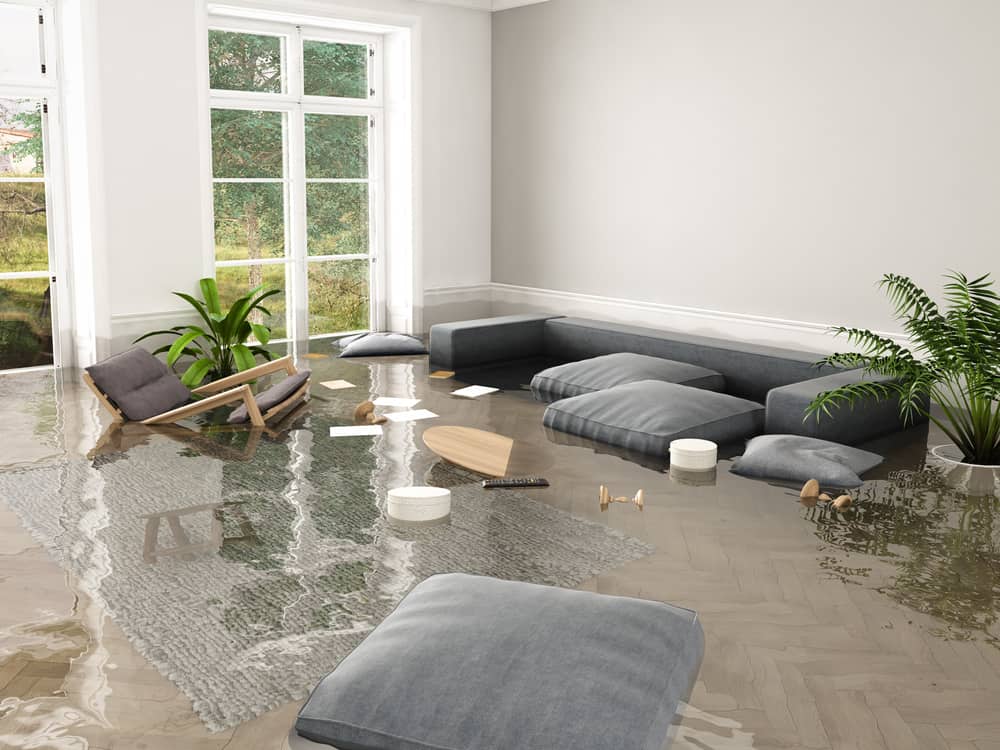
24/7 Water Damage Restoration in South Farmingdale
When you call, we respond day or night. The most common water damage scenarios in South Farmingdale don’t wait for business hours. Sump pump failures during a nor’easter, storm drains backing up on a Tuesday night in March, a galvanized supply pipe finally giving out in a utility room that hasn’t been touched since 1962 these things happen when they happen, and the 24 to 48 hour window before mold starts taking hold is real.
So the first step is getting there fast. Once on site, we do a full assessment not a visual scan, but a proper moisture inspection using industrial meters and thermal tools to find water that has traveled into wall cavities, under flooring, and into structural framing. In a 60 to 80-year-old South Farmingdale home, water rarely stays where you first see it. We map it, document it, and walk you through what we found before any work begins.
From there, we extract standing water, set industrial-grade drying equipment air movers, dehumidifiers, structural drying systems and monitor moisture levels daily until the structure is genuinely dry. If reconstruction is needed, whether that’s replacing drywall, subfloor material, or anything else the water compromised, we handle that too.
Throughout the entire process, we work directly with your insurance company, managing the documentation and billing so you’re not stuck in the middle of a claims dispute while your home is still being repaired. Any structural work requiring permits is coordinated through the Town of Oyster Bay Building Department, which governs permitting for South Farmingdale as an unincorporated hamlet.
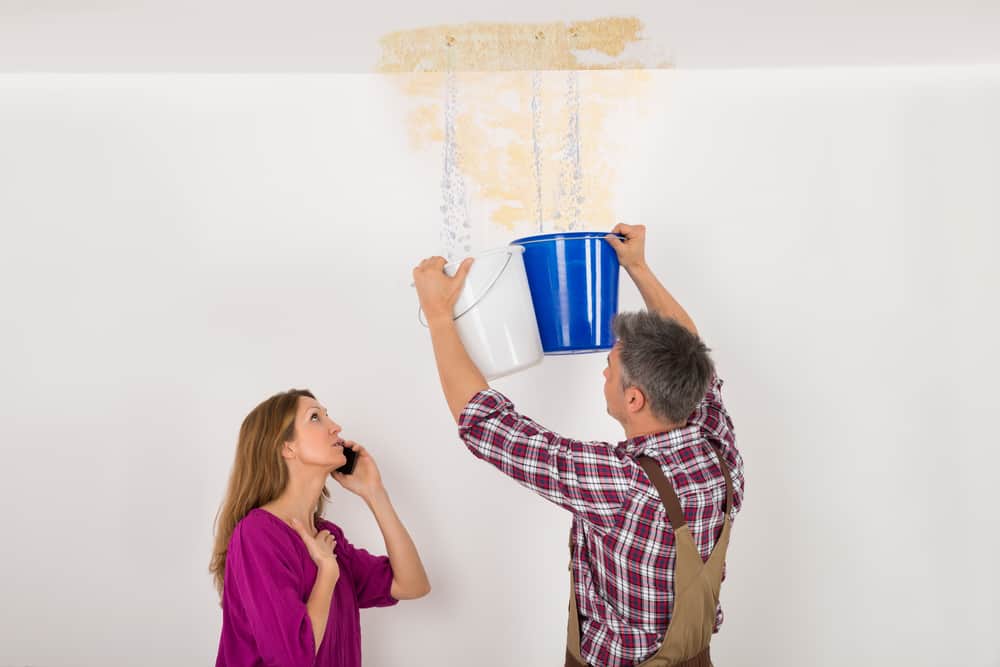
Ready to get started?
Burst Pipe and Basement Water Extraction in South Farmingdale
Water damage restoration in South Farmingdale covers a wider range of situations than most homeowners expect when they first call. The obvious ones a burst pipe, a flooded basement after a heavy rain overwhelms the storm drains on Fulton Street, a sump pump that lost power during a storm those are the calls we get most.
We also respond to slower-developing situations: the washing machine supply line that leaked behind a finished basement wall for weeks, the foundation seepage that’s been wicking into original concrete block since the house was built, the ice dam that pushed water under the roof flashing of a Cape Cod during a January freeze-thaw cycle. Every job starts with a free on-site assessment so you understand the actual scope before committing to anything.
From there, our services include full water extraction, structural drying, moisture mapping, antimicrobial treatment to prevent mold growth, odor remediation, and complete reconstruction when the damage requires it. For South Farmingdale’s ranch-style homes where water entering at grade level can spread across the entire single-floor footprint before it’s caught the extraction and drying phase is particularly thorough, because there’s no second floor to contain the damage.
We also handle mold remediation when it’s needed. In New York State, mold remediation contractors are required to hold a separate license under NY Labor Law Article 32. First Response Restoration and Cleaning Inc. carries the proper credentials, so the work is done to the legal standard not just the practical one.

Does homeowners insurance cover water damage from a flooded basement in South Farmingdale?
It depends on what caused the flooding, and that distinction matters more than most people realize. Standard homeowners insurance in New York typically covers sudden, accidental water damage from internal sources a burst pipe, a water heater failure, an appliance overflow. What it does not cover is flooding from an external source, meaning groundwater, storm surge, or water that entered your home from outside.
For South Farmingdale homeowners, this is a critical distinction because many of the most common basement flooding scenarios here storm drains backing up during heavy rain, groundwater seeping through aging foundation walls, water table rise during a sustained rainfall event may fall into the excluded category under a standard policy. If you have a separate flood insurance policy through the National Flood Insurance Program, that coverage applies to flood-origin damage. If you don’t, and the damage came from outside the structure, you may be looking at an out-of-pocket situation.
This is exactly why proper documentation from the start matters so much. We work directly with your insurance company from day one we document the source of the water, the extent of the damage, and the remediation process in a way that gives your claim the strongest possible foundation, regardless of which direction the coverage conversation goes.
How fast does mold start growing after a basement floods in my home?
The EPA’s guidance is clear: mold can begin developing within 24 to 48 hours of a water intrusion event. That’s not a worst-case scenario that’s the standard timeline under normal indoor conditions. In a South Farmingdale home built in the 1940s or 1950s, where wall cavities may contain original cellulose insulation, old-growth lumber framing, and plaster over wood lath, the conditions for mold growth are even more favorable than in a newer build.
Those materials absorb and retain moisture in ways that modern drywall and fiberglass insulation don’t, which means the window between “wet” and “actively growing mold” can be shorter than you’d expect. The reason this matters practically is that every hour you wait after a flooding event whether it was a sump pump failure, a storm drain backup, or a burst pipe is an hour the mold clock is running.
Consumer-grade fans and wet-vacs don’t remove moisture from inside wall cavities or under flooring, so even if the visible water is gone, the conditions for mold growth may still be present. Professional structural drying with industrial equipment is what actually interrupts that timeline. Calling sooner rather than later isn’t about urgency for its own sake it’s about the real cost difference between a water damage job and a water damage plus mold remediation job.
What causes most basement flooding in South Farmingdale, and can it happen again?
The most common causes we see in South Farmingdale specifically come down to a few recurring patterns. Storm drain backups during heavy rainfall are well-documented in the Farmingdale area when the drainage system gets overwhelmed, water has to go somewhere, and in this community it frequently ends up in basements.
Sump pump failures are the second major driver, particularly during power outages that accompany the nor’easters and summer thunderstorms that hit the South Shore. And then there’s the structural reality of the housing stock: foundations built in the 1940s and 1950s were not waterproofed to modern standards, and after 60 to 80 years of settling, cracking, and freeze-thaw cycling, they develop pathways for groundwater intrusion that get worse over time.
Whether it can happen again depends on what caused it and what gets addressed after the restoration. We’ll tell you honestly what we found during the assessment whether it’s a sump pump that needs replacing, a foundation crack that needs sealing, or a drainage issue that’s a municipal problem rather than a property-level one. The restoration work addresses the damage. What you do with that information afterward is what determines whether you’re dealing with the same problem two years from now.
How long does water damage restoration take for a typical South Farmingdale home?
For a typical basement flooding event in a South Farmingdale home say, a sump pump failure that left two to three inches of water in a finished basement the extraction and drying phase usually runs three to five days for the structural drying alone, after the initial water removal on day one. If the damage involved finished walls, flooring, or personal belongings that need to be evaluated and removed, that adds time to the assessment phase.
Total project timeline from first call to completed repairs typically runs two to three weeks for moderate damage, though that can extend if there’s significant reconstruction involved or if hidden moisture in original wall materials requires more aggressive drying protocols. In South Farmingdale’s older homes, the drying phase sometimes takes longer than it would in a newer build. Original plaster walls, old-growth wood framing, and concrete block foundations hold moisture differently than modern materials, and rushing the drying phase to hit a shorter timeline is how you end up with mold problems months later.
We monitor moisture levels daily and don’t sign off on a job as complete until the readings confirm the structure is genuinely dry not just surface-dry. If your situation requires it, we’ll also coordinate with the Town of Oyster Bay Building Department for any permits related to reconstruction work before those phases begin.
Can I stay in my house while water damage restoration is being done?
In most cases, yes but it depends on the scope of the damage and where it’s located. If the flooding was contained to a basement or a single room, and the rest of the home is structurally sound and free of air quality concerns, most families stay in place during the drying and restoration process. The equipment we run industrial air movers and dehumidifiers is loud and generates heat, but it doesn’t make the living space uninhabitable on its own.
Where it gets more complicated is when the water involved is Category 2 or Category 3 meaning it came from a contaminated source like a storm drain backup, sewage overflow, or floodwater. In South Farmingdale, storm drain backup flooding is a documented local scenario, and that water carries contaminants that create genuine air quality and health concerns, particularly for children and anyone with respiratory sensitivities.
In those situations, we’ll give you an honest assessment of whether staying in the home during remediation is advisable. We’d rather have that conversation upfront than have you making assumptions about safety. With 19% of South Farmingdale residents being children under 18, that’s not a detail we take lightly.
Do I need to call my insurance company before calling a water damage restoration company?
No and in most cases, calling a restoration company first actually helps your insurance claim rather than complicating it. When you call First Response Restoration and Cleaning Inc. first, we arrive while the damage is still in its original state. We document the source of the water, the extent of the intrusion, and the affected materials before anything is touched or moved.
That documentation done by IICRC-certified technicians using professional moisture mapping tools becomes part of your claim file and gives the adjuster a clear, credible picture of what happened. If you call your insurance company first and wait for an adjuster to schedule a visit, you’re losing time on that 24 to 48 hour mold window. You’re also walking into the adjuster visit without an independent professional assessment in your corner.
We work directly with insurance companies and handle the billing and paperwork on your behalf, so you’re not left navigating the claims process alone while also dealing with a flooded basement. For South Farmingdale homeowners who are already carrying significant property tax burdens and have real financial stakes in a home worth over $600,000, getting the claim handled correctly from the start is worth the extra step of calling us before you call the insurance company.
Useful Links
Other Services we provide in South Farmingdale