
Water Damage Restoration in South Huntington, NY
When a Pipe Fails in a 1960s Split-Level, the Next Few Hours Determine Everything
Hear from Our Customers

Flood Restoration South Huntington, NY
The goal isn’t just a dry floor. It’s knowing the moisture is gone from inside your walls, under your subfloor, and behind the drywall not just from the surfaces you can see. When that work is done correctly, you’re not dealing with a mold call six months from now. You’re back to normal, with documentation your insurance company can actually use.
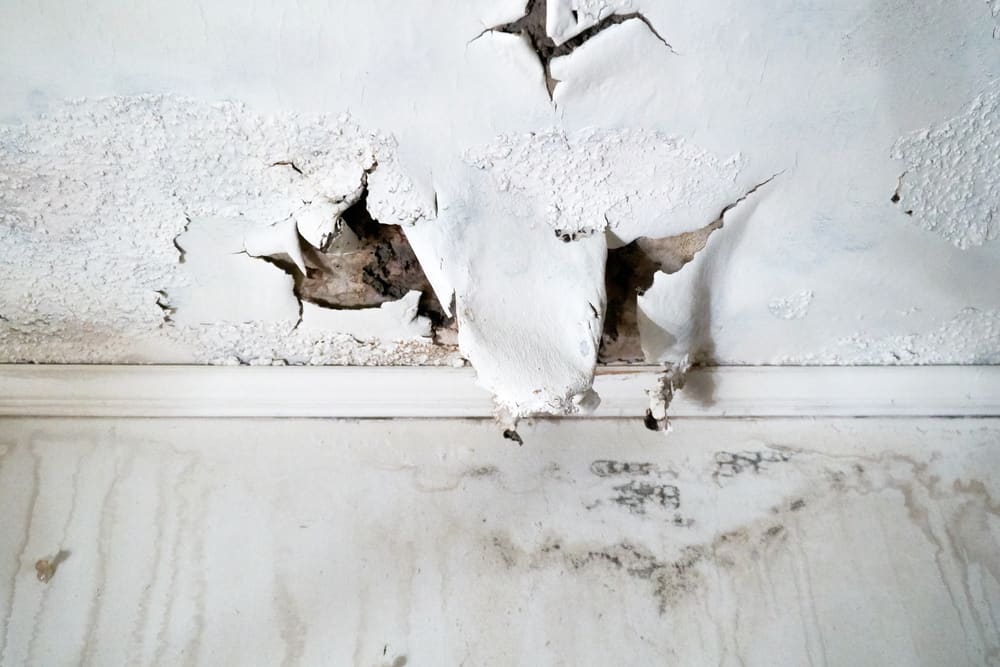
South Huntington’s housing stock makes this more important than most people realize. The west end of town smaller lots, denser development, homes built in the 1950s and 1960s is full of properties with galvanized steel pipes that are now 60 to 70 years old. These aren’t pipes that give you much warning. When they go, they go fast, and the water doesn’t stay where you can see it.
Water travels into wall cavities, saturates insulation, and sits under flooring until it becomes something worse. The east end has larger properties and newer construction relative to the west, but the plumbing in most of those homes is still decades old. Regardless of which side of South Huntington you’re on, a thorough restoration one that uses moisture meters and industrial drying equipment to find what consumer fans miss is the difference between a problem that’s solved and one that’s just delayed.
Residential Water Damage Repair South Huntington, NY
We’ve been serving Long Island homeowners for nearly three decades. We’re based in West Babylon, in Suffolk County, and the team that shows up to your South Huntington home is the same local team that’s been working these neighborhoods since before most of the area’s plumbing systems needed their first major repair.
This isn’t a national brand that put “South Huntington” in its name to appear local. There’s a real 631 number, a real Suffolk County base of operations, and nearly 30 years of experience working with Long Island homes, Long Island weather, and Long Island insurance adjusters. Our IICRC-certified technicians are trained to the standards that insurance companies recognize which matters when you’re filing a claim on a home worth $600,000 or more.
The Walt Whitman corridor and the surrounding neighborhoods off Route 110 and Jericho Turnpike are familiar territory. So is the type of construction, the drainage challenges, and what it actually takes to fully dry out a finished basement in this part of Suffolk County.
Emergency Water Removal South Huntington, NY
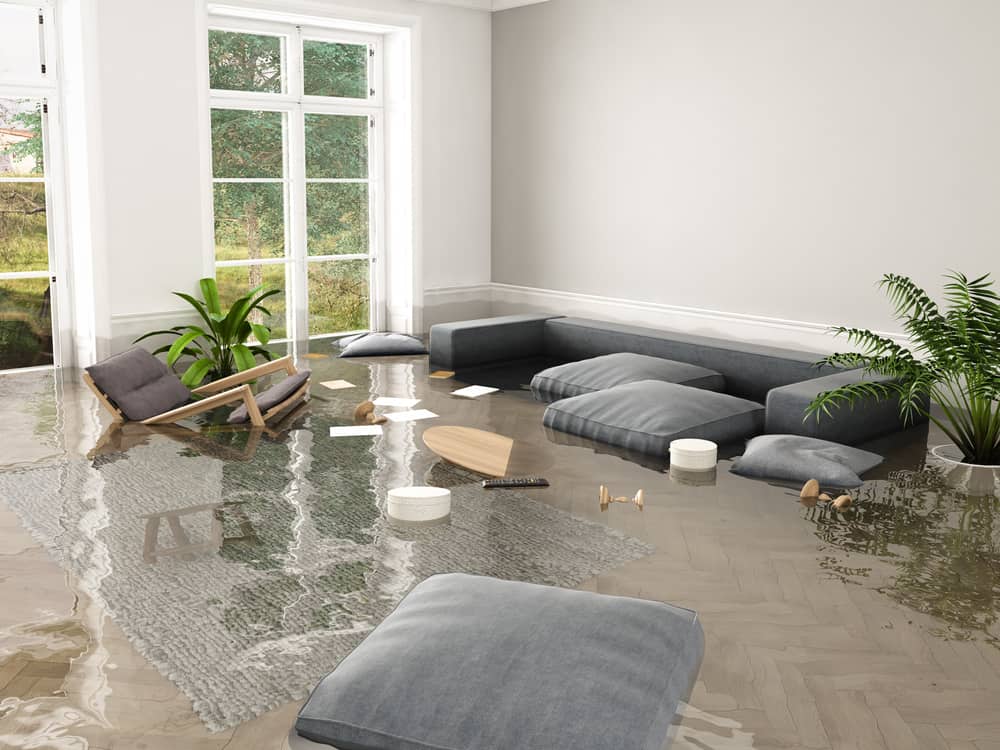
When you call, the first thing that happens is an assessment not a sales pitch. One of our technicians comes to your South Huntington home, walks the affected area, and uses professional moisture meters and detection equipment to understand the full scope of what you’re dealing with.
This matters because water in a 1960s split-level or a finished west-end basement doesn’t behave the same way as water in a newer build. The assessment tells you exactly what you’re looking at before any work begins.
From there, the extraction phase starts. Our industrial water removal equipment pulls standing water out fast far beyond what a shop vac or consumer pump can do. Once the bulk of the water is out, the drying phase begins. This is where the real work happens: air movers, commercial dehumidifiers, and targeted drying equipment are positioned to pull moisture out of structural cavities, not just the air.
This phase typically runs three to five days depending on the severity, and we take moisture readings throughout to confirm the job is actually done. Any structural repair work drywall replacement, subfloor repair, reconstruction requires permits from the Town of Huntington’s Building Department, and any mold remediation project over 10 square feet requires a New York State-licensed contractor under Article 32 of the Labor Law. We’re licensed, bonded, and insured, which means all of that is covered.
Throughout the entire process, we document everything and work directly with your insurance company so you’re not stuck in the middle.
Ready to get started?
Burst Pipe Water Damage South Huntington, NY
Our scope of work goes well beyond water removal. From the initial emergency call through extraction, structural drying, dehumidification, antimicrobial treatment, and full reconstruction, we manage the entire process not a handoff between three different contractors while you try to keep track of who’s doing what.
For South Huntington homeowners, that matters in a few specific ways. The August 2024 flooding event across the Town of Huntington the one that triggered a Suffolk County Executive state of emergency, left basements filled with contaminated debris, and caused roughly 10 sinkholes in a single overnight storm showed exactly how fast a drainage system can be overwhelmed here.
When that kind of flooding brings groundwater or sewage into contact with your finished basement, you’re dealing with Category 3 contamination. That requires a different remediation protocol than a burst pipe, and it requires a team that knows the difference and is equipped to handle it properly.
We also coordinate directly with your insurance company on documentation, billing, and communication from the initial damage assessment through the final invoice. For homeowners in a community where the median home value is approaching $690,000, having that process managed by a company with nearly 30 years of Long Island claims experience is worth more than most people realize until they’re in the middle of it.

Does homeowners insurance cover basement flooding in South Huntington, NY?
It depends on what caused the flooding. Standard homeowners insurance covers sudden, accidental water damage from internal sources a burst pipe, a failed water heater, an appliance overflow. That type of claim is typically covered. What standard homeowners insurance does not cover is flooding from an external source: groundwater, storm surge, or water that enters your home because of heavy rainfall overwhelming the drainage system outside. That requires a separate flood insurance policy, typically through the National Flood Insurance Program.
This distinction matters a lot in South Huntington. The August 2024 storm that hit the Town of Huntington and caused widespread basement flooding, sinkholes, and a state of emergency was a rainfall event not a burst pipe. Homeowners who experienced basement flooding from that storm and didn’t carry separate flood insurance found themselves without coverage. If you’re not sure what your policy covers, the best time to find out is before something happens. We can help you understand what documentation you’ll need for whichever type of claim applies to your situation.
How quickly does mold start growing after a basement floods?
The EPA’s guidance is clear: water-damaged areas need to be dried within 24 to 48 hours to prevent mold growth. That’s not a conservative estimate mold spores can begin germinating within the first 24 hours under the right conditions, and visible growth typically appears within 48 to 72 hours. In a finished basement with drywall, wood framing, and carpet, those conditions are almost always met.
This is one of the main reasons why waiting to see how bad it gets is a costly decision. What starts as a water damage restoration job becomes a water damage plus mold remediation job when the response is delayed and that significantly changes the scope, the timeline, and the cost. For South Huntington homeowners with finished basements, which is standard in the area’s post-war housing stock, the stakes are higher because there’s more porous material for moisture to saturate. Getting a professional extraction and drying process started within that first 24-hour window is the single most effective thing you can do to keep the situation from escalating.
How long does water damage restoration typically take in a South Huntington home?
The honest answer is that it varies, but there’s a general framework most jobs follow. Emergency water extraction takes one to three days. The structural drying phase where commercial dehumidifiers and air movers pull moisture out of walls, subfloors, and cavities typically runs three to five days for moderate damage. From start to finish, including any repairs, a typical basement flooding project takes roughly two to three weeks.
For South Huntington specifically, the age of the housing stock can affect the timeline. Homes built in the 1950s and 1960s which make up a significant portion of the west end often have older insulation materials and construction methods that hold moisture differently than newer builds. That doesn’t necessarily mean the job takes longer, but it does mean the drying phase needs to be monitored carefully with moisture readings rather than assumed complete after a set number of days. Any structural repair work also requires permits from the Town of Huntington’s Building Department, which adds administrative time that should be factored into your overall expectations.
What's the difference between a water damage company and just hiring a contractor to dry things out?
A licensed contractor can replace drywall and flooring after water damage. What they typically can’t do is the extraction, structural drying, moisture mapping, antimicrobial treatment, and insurance documentation that comes before the rebuild and that’s where most of the critical work happens. If the drying phase isn’t done correctly, a contractor can install new drywall over walls that still have elevated moisture content. That moisture becomes mold, and the mold becomes your problem to deal with later.
A professional water damage restoration company handles the entire sequence: emergency extraction, industrial drying, moisture verification, treatment, and then reconstruction. We’re IICRC-certified, which means our technicians follow established protocols for each category of water damage clean water from a burst pipe, gray water from an appliance, or contaminated water from a sewage backup or storm event. That certification also matters for your insurance claim. Insurers recognize IICRC-standard work and documentation, which makes the claims process smoother and reduces the likelihood of disputes over what was done and why.
Can I stay in my house during water damage restoration in South Huntington?
In most cases, yes but it depends on the type and extent of the damage. If the affected area is a basement or a single room, and the rest of the home is structurally sound and free of contamination, most homeowners can remain in the house during the drying process. The equipment runs continuously, which means fans and dehumidifiers operating around the clock, and there will be restricted access to the affected areas. It’s disruptive, but it’s manageable for most families.
The situation changes if the flooding involved sewage backup or Category 3 contaminated water, which brings pathogens and bacteria into the affected space. In those cases, the health risk typically warrants staying elsewhere until remediation is complete. Similarly, if the damage has affected structural elements, HVAC systems, or a significant portion of the home’s living area, temporary relocation may be the safer and more practical choice. Your insurance policy may cover temporary living expenses in those situations another reason why having someone manage the insurance process directly is valuable. We’ll give you a straight answer about what’s realistic for your specific situation after the initial assessment.
Why does it matter whether a restoration company is IICRC-certified in South Huntington?
IICRC certification is the restoration industry’s primary professional credential, and it matters for two reasons: the quality of the work and the validity of your insurance claim. Certified technicians are trained to follow the IICRC S500 standard for water damage restoration, which defines the correct protocol for each category of water damage, how to document the process, and how to verify that drying is complete. That’s not just about doing a thorough job it’s about doing a job that holds up when your insurance adjuster reviews it.
For South Huntington homeowners with properties valued at $636,000 or more, a water damage claim can easily run into the tens of thousands of dollars. Insurance companies scrutinize large claims, and documentation from a non-certified company can create complications that delay or reduce your settlement. Working with an IICRC-certified team means the work is performed and documented to a standard that insurers recognize. New York State also requires that any mold remediation project over 10 square feet be handled by a licensed contractor under Article 32 of the Labor Law. We meet both requirements certified for the restoration work, licensed for any remediation so there are no gaps in your coverage or compliance.
Useful Links
Other Services we provide in South Huntington