
Water Damage Restoration in Speonk, NY
When a Speonk Seasonal Home Takes on Water, You Need More Than a Quick Dry-Out
Hear from Our Customers

Flood Restoration Speonk NY
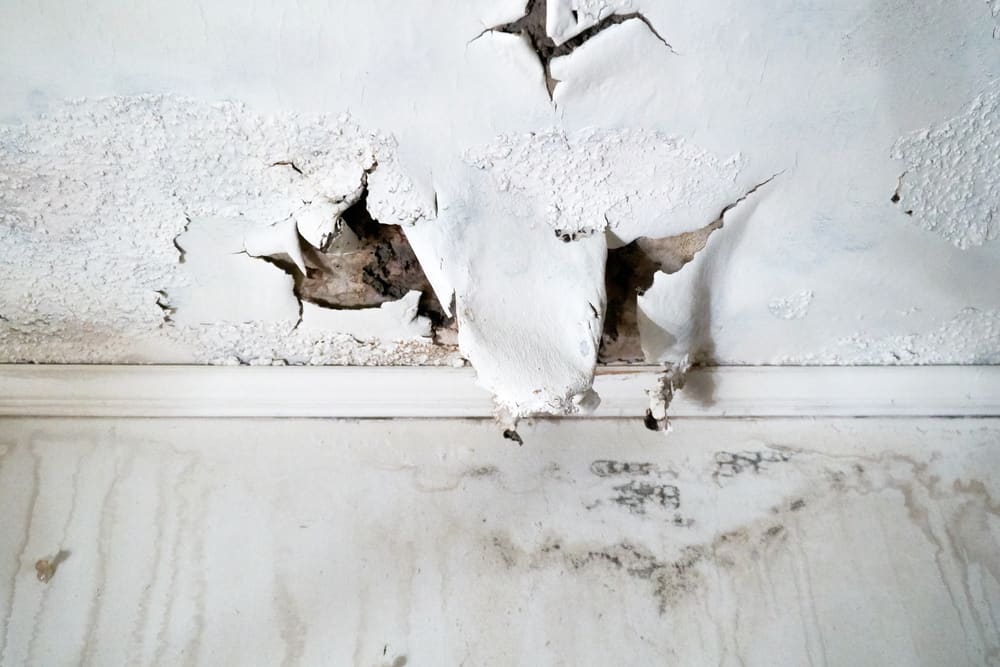
When a pipe bursts in a Speonk home that’s been closed up since November, the damage you can see is rarely the full picture. Water moves. It wicks into wall cavities, soaks into subfloors, and hides behind baseboards for weeks before anyone notices. By the time a seasonal homeowner makes the drive out from the city in March, what started as a contained pipe failure has often become a multi-room problem with active mold behind the walls.
Getting it right means finding all of it not just the obvious wet spots. Industrial moisture meters and thermal imaging locate moisture inside walls and under floors that a visual inspection would completely miss. Proper structural drying not just fans running for a day pulls moisture out of the building materials themselves.
For homes in Remsenburg-Speonk, where most of the housing stock was built around 1979 and salt air off Moriches Bay accelerates material breakdown, that kind of thoroughness isn’t optional. It’s the difference between a restoration that holds and one that quietly fails over the following months.
And when storm surge from Moriches Bay is involved, the stakes are even higher. That water isn’t clean. Under industry classification standards, bay floodwater is Category 3 contaminated water that requires full protective protocols, antimicrobial treatment, and specific documentation for your insurance claim. Knowing that distinction, and documenting it correctly from the start, is what keeps your claim from running into problems later.
Residential Water Damage Repair Speonk NY
First Response Restoration & Cleaning has been working on Long Island homes for close to three decades. That’s not a marketing number it’s the reason we understand what water damage looks like in a 1965 ranch off Montauk Highway versus a newer build closer to Westhampton Beach. We know how these homes are built, how they fail, and what a proper restoration actually requires in Speonk and the surrounding areas of Suffolk County.
We’re based in West Babylon, which means when you call our 631 number, you’re reaching a real Suffolk County operation not a national call center routing your emergency to whoever happens to be available. Our technicians are IICRC-certified, which is the credential your insurance adjuster will be looking for when they review the documentation on your claim. We’re also fully licensed, bonded, and insured, which matters a great deal when the property in question is worth what homes in Remsenburg-Speonk are worth.
For homeowners managing seasonal properties remotely, we handle the process from first call to final walkthrough including direct communication with your insurance company so you’re not stuck coordinating between us and your adjuster from two states away.
24/7 Water Damage Restoration Speonk NY
The first thing we do when you call is get someone out to the property for a free on-site assessment. This matters more in Speonk than in most places, because water damage in a seasonal home that’s been sitting undetected for weeks looks very different from a standard burst-pipe event. We need to see the full scope before anything else happens and so do you, before you commit to anything.
Once we’ve assessed the damage, we start extraction immediately. Industrial water removal equipment pulls standing water out far faster and more completely than anything consumer-grade. From there, we set up professional drying equipment air movers, dehumidifiers, and in many cases negative air pressure systems and we monitor moisture levels in the structure daily until readings confirm the building materials are genuinely dry, not just surface-dry.
For homes in Southampton Town, any structural work that follows drywall removal, subfloor replacement may require a building permit from the Town of Southampton Building Department, and we navigate that process as part of the job. If mold has established itself during the period the damage went undetected, remediation happens before any reconstruction begins. We don’t patch over a mold problem.
Once the structure is clean and dry, we handle the rebuild so you’re dealing with one company through the entire process, not coordinating three separate contractors while trying to manage it from off-island.

Ready to get started?
Burst Pipe Water Damage Speonk NY
The water damage scenarios that come up most often in Speonk and Remsenburg aren’t the same ones you’d see in a dense suburban neighborhood. Frozen pipe bursts in vacant seasonal homes discovered weeks after the fact when the owner comes back to open the property for spring are among the most common calls we get in this part of Southampton Town.
Heating oil tanks that run dry during a January nor’easter, thermostats set too low before closing up for winter, heating systems that fail with no one around to notice these are the events that turn a $3,000 pipe repair into a $15,000 restoration with mold remediation and structural work.
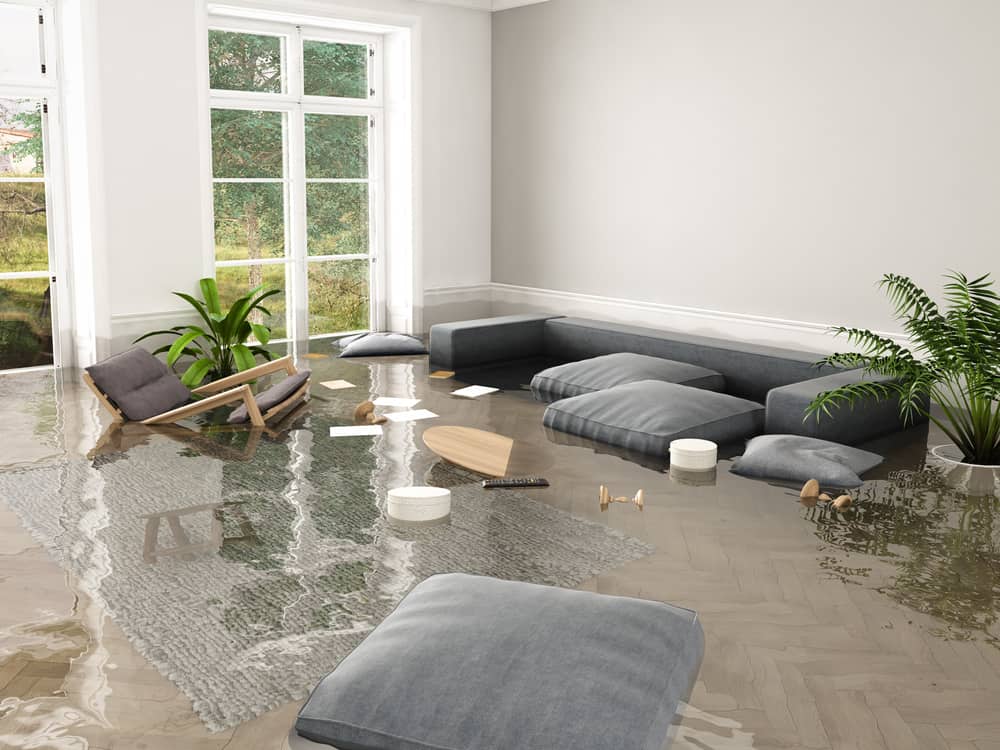
We also handle storm damage restoration for homes along the southern edge of Speonk, where Moriches Bay flooding events push contaminated water into finished spaces. That requires a fundamentally different response than a clean-water pipe event full decontamination, antimicrobial treatment, and documentation that correctly classifies the water category for your insurance company. If you have both a standard homeowners policy and a separate NFIP flood insurance policy, we work with both simultaneously so nothing falls through the gap between them.
Our services cover the complete scope: water extraction and emergency water removal, structural drying, mold inspection and remediation, basement water extraction, fire and smoke damage, odor elimination, and full reconstruction. Whether the damage is from a burst pipe, a flooded basement, or a coastal storm, the job doesn’t end until the property is genuinely restored not just dried out and handed back to you.

Does homeowners insurance cover water damage from a burst pipe in Speonk?
In most cases, yes but the details matter. Standard homeowners insurance covers sudden and accidental water damage from internal sources like burst pipes, failed water heaters, and appliance overflows. What it does not cover is flooding from an external source, like storm surge from Moriches Bay pushing water into your Speonk home.
That type of event requires a separate flood insurance policy through the National Flood Insurance Program. There’s another wrinkle specific to seasonal properties in Speonk and Remsenburg. If your home sits vacant for an extended period typically 30 to 60 days, depending on your policy language your insurer may invoke a vacancy exclusion that limits or denies coverage for damage that occurred while the property was unoccupied.
This is a real issue for seasonal homeowners who close up in November and return in March to find a pipe burst in January. The best way to protect yourself is to have the damage professionally documented as quickly as possible after discovery, with a clear timeline established. We handle that documentation process as part of every job, which gives your claim the strongest possible foundation.
How long does water damage restoration typically take for a flooded basement?
For a straightforward flooded basement a sump pump failure during a storm, for example the drying phase alone typically runs three to five days with professional equipment running continuously. Water extraction itself usually takes one to three days depending on the volume of water and the configuration of the space. From start to finish, including any minor repairs, most basement flooding jobs wrap up within two to three weeks.
The timeline gets longer when the damage has been sitting undetected. In a Speonk seasonal home where a pipe burst in January and wasn’t discovered until March, you’re not dealing with fresh water damage you’re dealing with water that has had weeks to wick into structural materials and potentially support mold growth. In those situations, the scope expands to include mold remediation and often partial reconstruction, which can push the total timeline to six weeks or more depending on what’s behind the walls. We give you a realistic assessment of the full scope upfront so there are no surprises midway through the job.
How fast does mold grow after water damage, and when should I be worried?
Mold spores can begin germinating within 24 hours of water intrusion under the right conditions. Visible mold growth typically appears within 48 to 72 hours, but microscopic growth starts earlier than that which is why the 24 to 48 hour window matters so much. The EPA specifically identifies this timeframe as the critical point: if water-damaged materials aren’t dried within that window, mold prevention becomes mold remediation.
In a seasonal home in Speonk that’s been closed up for winter, that 24 to 48 hour window is long gone by the time anyone discovers the damage. The question at that point isn’t whether mold is present it’s how extensive it is and where it’s located. Consumer-grade fans and dehumidifiers won’t reach moisture inside wall cavities or under flooring, which is exactly where mold establishes itself first. Professional moisture mapping and thermal imaging are the only reliable way to find all of it. If you’ve had a water event even one that looks minor on the surface getting a professional assessment is the only way to know for certain what you’re dealing with.
What's the difference between flood damage and water damage for insurance purposes?
This distinction trips up a lot of homeowners, and it’s especially relevant in Remsenburg-Speonk given the proximity to Moriches Bay. Standard homeowners insurance covers water damage from internal sources pipes, appliances, roof leaks but it specifically excludes flooding. Flooding, for insurance purposes, means water that enters from an external source: storm surge, overflowing bodies of water, or surface water accumulation from heavy rain.
If Moriches Bay pushes water into your Speonk home during a coastal storm, that is flood damage, and it requires a separate NFIP flood insurance policy for coverage. The documentation at the time of the event matters enormously here. If a restoration company misclassifies the water source in their initial report, it can create problems with your claim regardless of which policy applies.
Our IICRC-certified technicians correctly identify and document the water source and water category clean water from a pipe versus contaminated floodwater from the bay from the very first assessment. That documentation is what your adjuster needs to process the claim correctly, and it’s something we handle as a standard part of every job.
Can I stay in my home during water damage restoration in Speonk?
It depends on the scope of the damage and where it’s located. For a contained event a single room affected by a burst pipe, for example most homeowners can remain in the house while drying equipment runs. The equipment is loud and the dehumidifiers will run continuously, but it’s livable. For more extensive damage, particularly anything involving sewage backup, Category 3 floodwater from a storm surge event, or confirmed mold growth, staying in the property during active remediation is not advisable.
Mold remediation involves containment barriers and negative air pressure systems specifically designed to prevent spores from spreading to unaffected areas of the home. For seasonal properties in Speonk, this question often doesn’t apply in the same way the home may already be unoccupied, which actually simplifies the restoration process since equipment can run without disrupting daily life. If you’re managing the property remotely, we keep you updated throughout the process and coordinate directly with your insurance company so you don’t need to be on-site for every step. We’ll let you know clearly when the property is ready for occupancy again.
Why should I call a restoration company before calling my insurance company?
Calling a restoration company first is actually the smarter sequence, and here’s why. When you call your insurance company first, an adjuster is eventually dispatched to assess the damage but that assessment happens on the insurer’s timeline, not yours. Meanwhile, water is continuing to damage your home. Mold can begin establishing within 24 to 48 hours. Every day of delay increases the scope of the damage and the cost of the restoration.
When you call First Response Restoration & Cleaning first, we begin documenting the damage immediately photographs, moisture readings, water category classification, and a detailed scope of what we find. That documentation is exactly what your adjuster needs, and it’s far more thorough than what a standard insurance inspection produces. We then work directly with your insurance company from that point forward, handling the billing and coordination so you’re not caught in the middle. For Speonk and Remsenburg homeowners managing seasonal properties from off-island, this matters even more you shouldn’t have to drive out to the South Fork every time there’s a conversation between us and your adjuster. We handle it, keep you informed, and make sure the claim is supported by the documentation it needs to move forward.
Useful Links
Other Services we provide in Speonk