
Water Damage Restoration in St. James, NY
When the Nissequogue Floods, St. James Homeowners Need More Than a Shop Vac
Hear from Our Customers

Flood Restoration Services in St. James, NY
The outcome you actually need isn’t just a dry floor. It’s confirmation that nothing is hiding behind your walls.
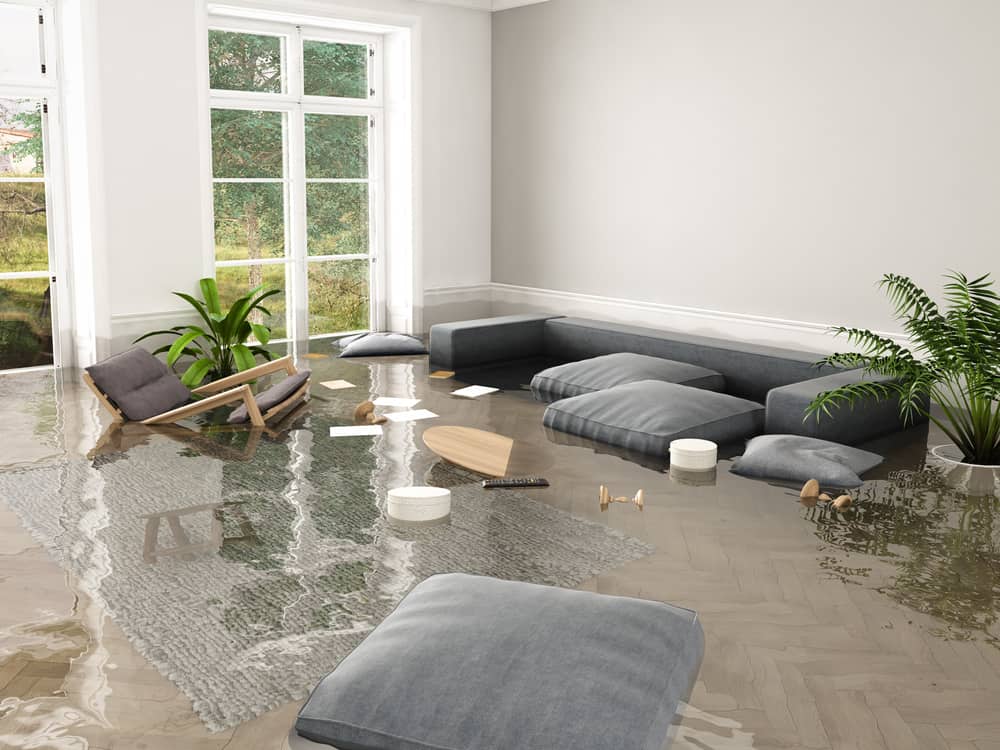
St. James homeowners deal with a specific challenge that most restoration companies don’t talk about honestly: the Nissequogue River watershed. The August 2024 storm dropped roughly 10 inches of rain on the Town of Smithtown overnight, broke the Stump Pond dam in Blydenburgh County Park, and sent floodwater into homes across St. James. Water rescues were conducted in the hamlet. Families lost their entire basements in a matter of hours. That’s not a freak event it’s a documented pattern in a watershed that drains approximately 50 square miles of central Suffolk County.
When we respond to your St. James home, the goal is complete remediation not a surface-level pass. We find the moisture you can’t see, dry the structure properly, prevent mold before it starts, and document everything your insurance company needs to process your claim. In older homes like those common throughout St. James, that means checking inside wall cavities, under original hardwood floors, and in structural framing that older construction methods left more exposed to moisture migration.
Trusted Water Damage Company in St. James, NY
We’re based in West Babylon and have been serving St. James and the surrounding Town of Smithtown for close to three decades. That’s not a marketing number it means we’ve responded to nor’easters, tropical storm remnants, burst pipes in January, and sump pump failures in August across the North Shore, including the Cape Cods and early colonials along and north of Route 25A that make up much of St. James’s housing stock.
We’re IICRC-certified, licensed, bonded, and insured. IICRC certification matters more than most homeowners realize it’s the credential that insurance adjusters specifically look for when reviewing a restoration claim, and it means the work follows established protocols, not improvised methods. In St. James, where older homes and higher property values mean claims can be substantial, that distinction matters.
We also handle insurance coordination directly. You don’t have to become an expert in claims adjustment while your basement is still wet. Our team documents the damage, communicates with your insurer, and handles the billing so your job is to let the professionals in and let us work.
Water Damage Restoration Process in St. James, NY
The process starts with a free on-site assessment. Before any work begins, we evaluate the full scope of the damage not just what’s visible on the surface. In St. James homes, particularly the Cape Cods and early colonials that date back to the 1940s and 1950s, that means checking inside wall cavities, under original hardwood floors, and in the structural framing that older construction methods left more exposed to moisture migration. Industrial moisture meters and thermal imaging find what the eye misses.
Once the scope is clear, water extraction begins. We use commercial-grade pumps and wet-vac equipment to remove standing water, followed by the placement of industrial air movers and dehumidifiers to dry the structure from the inside out. This phase typically runs three to five days for most homes, though the timeline depends on the extent of the damage and how long the water had been present. If the damage involves contaminated water from a sewage backup, a flooded utility area, or floodwater from the Nissequogue watershed the remediation protocol is more involved and will be explained clearly before work starts.
Structural repairs, drywall or plaster restoration, and any rebuild work come after the drying phase is complete and verified. If permits are required through the Town of Smithtown Building Department or through the Village of Head of the Harbor or Village of Nissequogue building departments for properties within those incorporated villages that process is factored into the timeline. The final step is documentation: a complete record of the work performed, the moisture readings before and after, and everything your insurance company needs to close the claim.
Ready to get started?
Residential Water Damage Repair in St. James, NY
Water damage restoration in St. James isn’t a single service it’s a sequence of connected steps, and skipping any one of them creates problems down the road. We handle the complete scope: emergency water removal, structural drying, basement water extraction, mold prevention, deodorizing, and full reconstruction where needed. There are no handoffs to separate contractors mid-job.
For St. James specifically, a few service considerations come up regularly. The hamlet’s housing stock some of the oldest in the Town of Smithtown means pre-1980 construction is common, and that era of building sometimes includes materials that require careful handling when walls are opened. We account for this in the initial assessment. Sump pump failure is also the most frequent water damage event in this part of Smithtown, particularly during the convective storms that track through the Nissequogue watershed in late summer. If your basement flooded because your sump couldn’t keep up, our restoration process includes addressing the source condition, not just the resulting damage.
Ice dam damage is another issue that shows up specifically in St. James and the surrounding North Shore communities. Older Cape Cods with inadequate attic insulation are prone to ice dam formation during nor’easters meltwater backs up under the shingles, infiltrates the ceiling and wall cavities, and often isn’t discovered until a water stain appears weeks later. That kind of hidden moisture damage is exactly what our inspection and drying process is designed to find and fully resolve.

Does homeowners insurance cover basement flooding in St. James, NY?
It depends on the source of the water, and that distinction matters a lot. Standard homeowners insurance typically covers sudden, accidental water damage from internal sources a burst pipe, a failed water heater, an appliance overflow. It does not cover flooding from external groundwater or overflowing bodies of water, which requires a separate flood insurance policy through the National Flood Insurance Program.
This is a particularly relevant question for St. James homeowners after the August 2024 storm. Water that entered homes because the Nissequogue River overflowed its banks following the Stump Pond dam break would generally be classified as flood damage not covered under standard homeowners insurance unless you had a separate flood policy. Water that entered because your sump pump was overwhelmed by the volume of rain may fall into a gray area depending on your specific policy language. The best approach after any significant water event is to document everything immediately and call a restoration company before the adjuster arrives proper documentation of the source and extent of damage strengthens your claim and gives you a clearer picture of what’s covered.
How long does water damage restoration take for a flooded basement?
For a typical basement flood affecting one or two rooms with clean or gray water, the drying phase alone runs three to five days using commercial-grade equipment. The full restoration process from initial extraction through structural repairs and final inspection averages about two to three weeks for moderate damage. More extensive situations, including those involving contaminated water or structural damage to original framing, can take longer.
In St. James, the age of the housing stock adds a variable worth understanding. Homes built in the 1940s and 1950s often have plaster walls, original wood framing, and subfloor materials that absorb and retain moisture differently than modern drywall and OSB. That can extend the drying timeline compared to a newer home, because the moisture has had more time to penetrate deeper into the structure. A thorough initial moisture assessment gives you a realistic timeline before any work begins not a guess made over the phone.
What should I do immediately after my basement floods in St. James?
The first priority is safety. Don’t enter a flooded basement if there’s any possibility of electrical exposure water and live circuits are a serious hazard. If the flooding is active and you can safely reach the main electrical panel, shutting off power to the affected area is worth doing before you go in. Once it’s safe, start documenting with your phone photos and video of the water level, where it entered, and what’s affected. Don’t throw anything away yet, even damaged items, because your insurance adjuster will need to see them.
Call a restoration company as soon as possible. The 24 to 48 hour window before mold can begin forming is real, and it’s shorter than most people expect. In a St. James home with original wood framing and plaster walls, that timeline is even more consequential older materials absorb moisture faster and hold it longer than modern construction. The sooner water extraction begins, the lower the risk of secondary damage. We offer 24/7 emergency response, so you don’t have to wait until morning to make that call.
Can water damage from a burst pipe be covered by insurance in Smithtown?
Yes, burst pipe damage is one of the more straightforward insurance scenarios. Standard homeowners insurance covers sudden and accidental water damage, and a pipe that bursts whether from freezing temperatures, age, or pressure failure typically qualifies. The key word is “sudden.” If an adjuster determines the pipe had been leaking gradually for weeks or months and the damage resulted from a lack of maintenance, that’s a different conversation and coverage may be denied.
In the Town of Smithtown, including St. James, frozen pipe failures tend to cluster in January and February during hard freezes, particularly in older homes with pipes running through unheated spaces like crawl spaces, attached garages, or exterior walls with inadequate insulation. Homes along the North Shore that were built before modern insulation standards are more vulnerable to this. Documenting the failure clearly when it happened, where the pipe is located, what caused it and having an IICRC-certified restoration company on record from the start gives your claim the best foundation.
How do I know if there's hidden mold after water damage in my St. James home?
The most common signs are a musty odor that doesn’t go away, discoloration on walls or ceilings, and allergy-like symptoms that seem worse inside the home. But in many cases, especially in older St. James homes with plaster walls and original wood framing, mold establishes itself inside wall cavities and under floors before any visible signs appear on the surface. By the time you can see it, it’s already been growing for a while.
This is why professional moisture assessment matters even when the damage looks minor. A surface that feels dry to the touch can still have elevated moisture readings inside the wall. Industrial moisture meters and thermal imaging detect temperature differentials that indicate trapped moisture the kind that creates the conditions for mold growth even after the visible water is gone. If your home had any water intrusion over the past several months from the August 2024 storm, a sump pump failure, an ice dam, or a slow pipe leak and you haven’t had a professional assessment, it’s worth getting one. Catching it early is significantly less disruptive and less expensive than remediating an established mold problem.
Does First Response Restoration and Cleaning Inc. handle insurance claims for St. James homeowners?
Yes, and this is one of the more practical reasons to call us rather than trying to manage the process yourself. We work directly with insurance companies handling documentation, direct billing, and claims coordination so you’re not stuck in the middle between your insurer and your contractor.
For St. James homeowners, many of whom commute to Stony Brook University, into Manhattan via the LIRR from Smithtown or Stony Brook stations, or to the Hauppauge area for work, the ability to hand off the insurance process entirely is genuinely useful. Water damage claims involve a specific type of documentation moisture readings, photos taken at defined stages of the restoration, scope-of-work records that adjusters expect to see in a particular format. A company with nearly 30 years of experience working with insurers knows exactly what needs to be captured and when. That experience reduces the likelihood of a disputed claim and speeds up the settlement process, which means your home gets back to normal faster.
Useful Links
Other Services we provide in St. James