
Water Damage Restoration in Thomaston, NY
When a $1M+ Thomaston Home Meets 1940s Plumbing
Hear from Our Customers

Flood Restoration in Thomaston, NY
There’s a version of this that ends well where the damage is fully addressed, the moisture is gone from places you can’t see, and your home is back to what it was before. That’s the outcome worth focusing on, and it’s what a real restoration process is built to deliver.
For Thomaston homeowners, the stakes are specific. Many of the homes on Colonial Road, Shoreward Drive, and throughout this village were built in the 1920s, 1930s, and 1940s. Original hardwood floors, plaster walls, period millwork these aren’t details you can replicate with modern materials if the damage is left to compound. Getting the moisture out completely, and quickly, is what protects those finishes long-term.
The other piece that changes when the work is done right is the insurance side of it. A properly documented, IICRC-certified restoration gives your claim the foundation it needs. That means fewer disputes, less back-and-forth with your adjuster, and a final settlement that actually reflects what happened to your home. That’s not a small thing when you’re dealing with a property valued well over a million dollars.
Residential Water Damage Repair in Thomaston
We’ve been serving Nassau and Suffolk County homeowners for nearly three decades, with deep roots in the Thomaston and Great Neck area. That’s not a corporate tagline it’s the reason we understand the difference between a North Shore pre-war colonial and a newer-construction home, and why that difference matters when water gets into the walls.
Thomaston falls within our Nassau County service area, covered by a dedicated local team reachable at a 516 number not a national call center routing you somewhere else. We’re IICRC-certified, licensed, bonded, and insured, and we work directly with your insurance company on documentation and billing.
When you’re dealing with a home in the Great Neck area that carries real architectural and financial value, you want a restoration company that’s been doing this work on Long Island long enough to know what it involves. That’s the difference between a company that’s been here and one that just showed up.
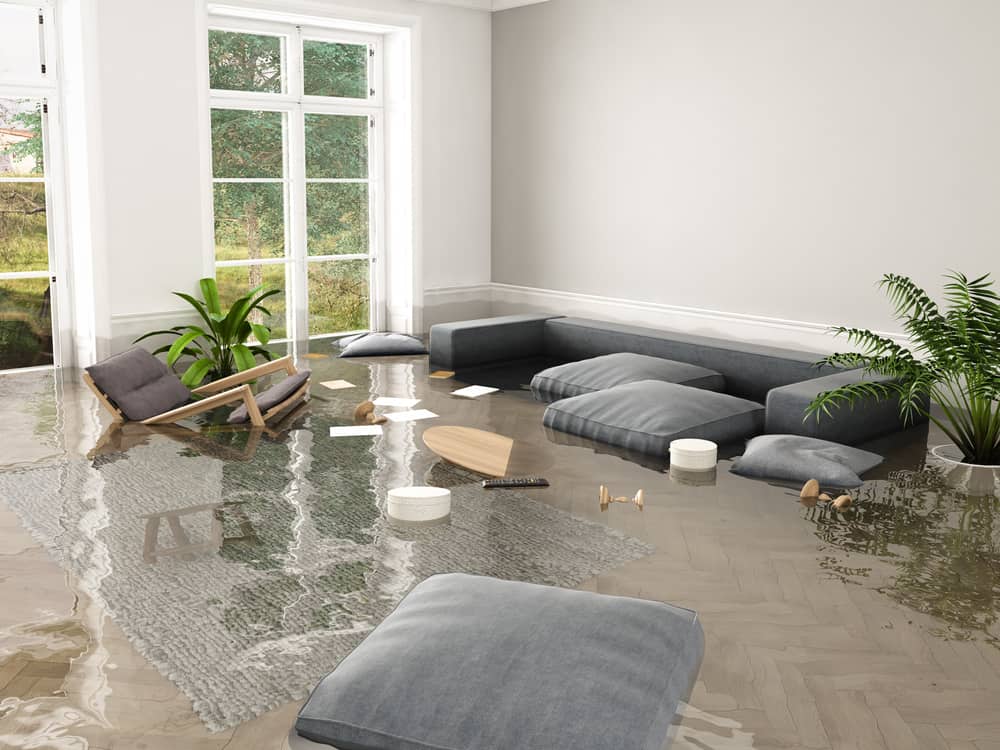
24/7 Water Damage Restoration Thomaston, NY
When you call, the first priority is stopping the damage from getting worse. A technician assesses the situation on-site, identifies the source if it’s still active, and begins water extraction immediately. In a Thomaston home where finished basements, hardwood floors, and plaster walls are common the extraction phase is handled carefully, because the materials involved require it.
After extraction comes the drying phase, and this is where most DIY attempts fall short. Consumer fans move air around the surface. Industrial-grade drying equipment air movers, dehumidifiers, moisture meters pulls moisture out of wall cavities, subfloor assemblies, and structural framing that you can’t reach any other way. This phase typically runs three to five days and is monitored throughout to confirm the readings are actually dropping, not just looking better on the surface.
Once the structure is confirmed dry, we document everything for your insurance claim and walk you through what comes next on the repair and rebuild side. If mold remediation is needed which is a real possibility given that mold can begin forming within 24 to 48 hours of water exposure that’s handled under the same roof. In New York State, mold remediation requires a licensed contractor under the NYS Department of Labor, and we carry that licensure. One company, one process, start to finish.

Ready to get started?
Burst Pipe and Flood Restoration Thomaston, NY
Water damage restoration isn’t a single task it’s a sequence of connected steps, and skipping any one of them is how you end up with a mold problem three months later. The full scope includes emergency water removal, structural drying, moisture mapping, antimicrobial treatment where needed, and complete documentation for your insurance claim. If reconstruction is required flooring, drywall, plaster, cabinetry that’s handled as part of the same project.
For Thomaston homes specifically, a few things come up regularly. Basement water extraction is a common starting point, whether the source is a burst supply line, a failed water heater, or groundwater pressure pushing through the foundation during a heavy nor’easter. The Harbor Hill Moraine beneath this part of the Great Neck Peninsula creates drainage conditions that aren’t uniform during spring thaw or sustained rainfall, hydrostatic pressure on older foundation walls can drive water in from directions that aren’t obvious until you’re looking at it with the right equipment.
Storm damage restoration after a coastal weather event is another frequent call. Wind-driven rain from a nor’easter can penetrate aging rooflines and deteriorated window flashing in ways that saturate wall cavities without producing visible interior damage until the mold is already forming. We also handle fire damage, mold remediation, and severe odor deodorizing so if the situation is more complicated than a straightforward flooded basement cleanup, that’s covered too.

Does homeowners insurance cover water damage in Thomaston, NY?
Standard homeowners insurance typically covers sudden, accidental water damage from internal sources a burst pipe, a failed water heater, an appliance overflow. What it does not cover is flooding. If water enters your home from the outside due to storm surge, groundwater, or surface runoff, that falls under flood insurance, which is a separate policy entirely.
For Thomaston homeowners, this distinction matters. The village sits on the Great Neck Peninsula, flanked by Manhasset Bay and Little Neck Bay. During a major nor’easter, water intrusion can come from multiple directions simultaneously wind-driven rain through aging window assemblies, groundwater pressure through the foundation, and in severe cases, bay-level surge affecting lower-lying areas nearby. Understanding which source caused your damage determines which policy responds to the claim. We work directly with your insurance company to document the source and scope accurately, which is the foundation of a claim that actually gets paid.
How quickly does mold start growing after water damage in an older home?
The EPA’s guidance is clear: mold can begin developing within 24 to 48 hours of water exposure under the right conditions. In practice, mold spores are already present in the air of virtually every home they just need moisture and a surface to colonize. Once those conditions exist, the clock is running regardless of whether the water is visible.
In a Thomaston home with plaster walls, original hardwood floors, and finished basement spaces, moisture doesn’t stay where you can see it. It wicks into wall cavities, travels along subfloor joists, and saturates insulation behind finished surfaces all of it invisible until the mold is already established. This is why the drying phase of restoration isn’t optional or something to delay. Industrial moisture meters and thermal imaging find the moisture that surface-level inspection misses, and getting those readings down within the first 48 hours is what separates a clean restoration from a remediation job six weeks later.
What causes basement flooding in homes on the Great Neck Peninsula?
There are a few distinct causes, and they don’t all behave the same way. The most common in older Thomaston homes is internal plumbing failure a burst supply line, a cracked drain stack, or a water heater that finally gives out. These are sudden events that release a large volume of water quickly and are generally covered under standard homeowners insurance.
The second category is groundwater intrusion, and this is where the local geology comes in. Thomaston sits on the Harbor Hill Moraine, a glacial formation with variable permeability beneath the surface. During heavy rainfall or spring snowmelt, the water table in the moraine’s outwash layers can rise and push hydrostatic pressure against older foundation walls particularly in homes built before modern waterproofing standards. A third cause is storm-driven surface runoff: the village’s compact, densely developed footprint means impervious surfaces like driveways and streets direct a significant volume of water toward foundations during intense rainfall. Each of these requires a different response, and identifying the source correctly at the start determines how the restoration is scoped and documented for your insurance claim.
How long does water damage restoration take for a Thomaston home?
The honest answer is that it depends on the extent of the damage and how quickly the process starts. For a single-room event a burst pipe under a sink, an appliance overflow extraction and drying can be completed in three to five days, with repairs following shortly after. For a more significant basement flood that has saturated subfloors, wicked into wall cavities, or affected structural framing, the full process from extraction through rebuild typically runs two to three weeks.
In a Thomaston home with original plaster walls and period finishes, the drying phase requires more careful monitoring than standard drywall construction. Plaster holds moisture differently and can be deceiving on surface inspection it may feel dry to the touch while the substrate behind it is still saturated. Industrial moisture meters track what’s actually happening inside the assembly, not just at the surface. The drying equipment stays in place until the readings confirm the structure is genuinely dry, not just when it looks that way. Rushing this phase is the most common reason homeowners end up with mold problems weeks after a restoration appears complete.
Can I stay in my home during water damage restoration?
In most cases, yes but it depends on the scope of the damage and where it’s located. If the affected area is contained to a basement or a single room, the rest of the home is typically livable throughout the process. The drying equipment runs continuously and is loud, which some families find disruptive, but it doesn’t create a safety issue in unaffected areas.
Where it gets more complicated is when the damage involves sewage backup, Category 3 contaminated water, or significant mold growth in those situations, the affected area needs to be isolated and the air quality managed carefully, and temporary relocation may be the right call for households with young children or anyone with respiratory sensitivities. For Thomaston homeowners whose properties include finished living spaces below grade, it’s worth having that conversation at the assessment stage so you know what to expect before the work begins. We’ll give you a straight answer about what the conditions actually require not a recommendation designed to complicate the project.
How does a burst pipe in winter affect a Thomaston home differently than other water damage?
A burst pipe is one of the fastest-moving water damage events there is. A single failed supply line can release over 400 gallons per hour, and in a large Thomaston home with multiple finished floors and original construction, that water finds its way into every cavity, seam, and subfloor assembly it can reach before anyone shuts off the main.
The winter timing adds a specific layer of complexity. Many of the older homes in this village were built with steam heating systems and utility spaces that weren’t designed to stay consistently warm basement mechanical rooms, garage walls, and crawl spaces are common freeze points when temperatures drop into the low 20s in January and February. The other factor is the commuter schedule. If a pipe fails at 7 a.m. when the household leaves for the Great Neck station and isn’t discovered until the family returns in the evening, the damage has been running for 10 to 12 hours unchecked. That’s a fundamentally different situation than catching it within the first hour. The response process is the same extraction, drying, documentation but the scope is larger, and the mold clock has been running longer. Getting the call in early, even if you’re not certain how bad it is, is always the right move.
Useful Links
Other Services we provide in Thomaston