
Water Damage Restoration in Valley Stream, NY
When Valley Stream's Aging Pipes and High Water Table Create a Perfect Storm
Hear from Our Customers

Flood Restoration Services in Valley Stream
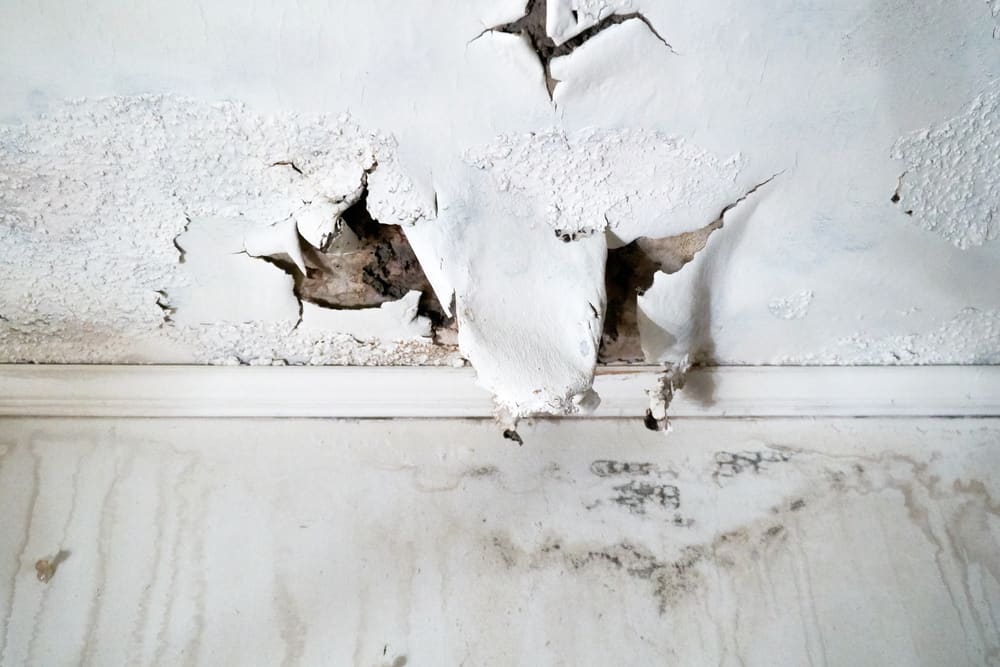
When water gets into a Valley Stream home, the EPA is clear: you have 24 to 48 hours before mold begins to colonize wet surfaces. In a Cape Cod or post-war Colonial with plaster walls and original hardwood floors, that window matters more than it does in newer construction. Moisture travels differently through older building assemblies, and a wet floor is rarely the whole story.
What you get when the job is done right isn’t just a dry basement. It’s confirmation through actual moisture readings, not guesswork that the water is gone from inside the walls, under the subfloor, and anywhere else it migrated before you noticed it. That’s what separates a real restoration from a cleanup that leaves a mold problem behind for six months from now.
The other outcome that matters most to Valley Stream homeowners is the insurance side. Water damage claims in Nassau County can get complicated fast what’s covered, what isn’t, how to document it properly before an adjuster shows up. When we handle that process directly between our restoration work and your insurer, it removes a significant burden from an already stressful situation.
Residential Water Damage Repair in Nassau County
We’ve been serving Nassau County homeowners for nearly three decades and that means we’ve worked through every major storm event that western Nassau County has seen in the modern era, including the widespread flooding that hit Valley Stream during and after Hurricane Sandy. We’re based in West Babylon with a dedicated 516 number, not a national call center routing your call to whoever’s available.
When you call about your Valley Stream home, you’re reaching a local team that has been inside hundreds of homes with the same 1940s and 1950s construction, the same aging plumbing, and the same high water table challenges that define this village. Our IICRC-certified technicians are licensed, bonded, and insured and we handle direct insurance billing in-house so you’re not managing that coordination yourself.
Emergency Water Removal in Valley Stream, NY
The first step is getting there and in a water damage situation, that means responding around the clock, not during business hours. Once on site, we do a full assessment before anything else. That means identifying the source of the water intrusion, mapping moisture with professional meters and thermal imaging, and determining how far it has traveled inside the structure.
In Valley Stream homes, that last part matters more than most people expect. Water that enters through a basement floor drain or a failed sump pump in a 1950s-era home doesn’t stay on the surface it wicks into concrete block walls, gets under original tile, and moves along floor joists in ways that a visual inspection alone won’t catch.
After the assessment, water extraction begins with industrial pumps and wet-vac equipment that removes standing water faster and more completely than consumer-grade tools. Then comes the drying phase: high-capacity air movers and dehumidifiers positioned to pull moisture out of the building assembly itself, not just the air in the room. This phase typically runs three to five days depending on the extent of saturation and the materials involved.
Throughout the process, everything is documented moisture readings at each stage, photos, written records of the scope of work. That documentation is what your insurance adjuster needs to process the claim correctly. Valley Stream’s Building Department requires permits for any plumbing or drainage work that comes out of a restoration project, and we handle that coordination as part of the job, not as an afterthought.

Ready to get started?
Burst Pipe and Flooded Basement Cleanup, Valley Stream
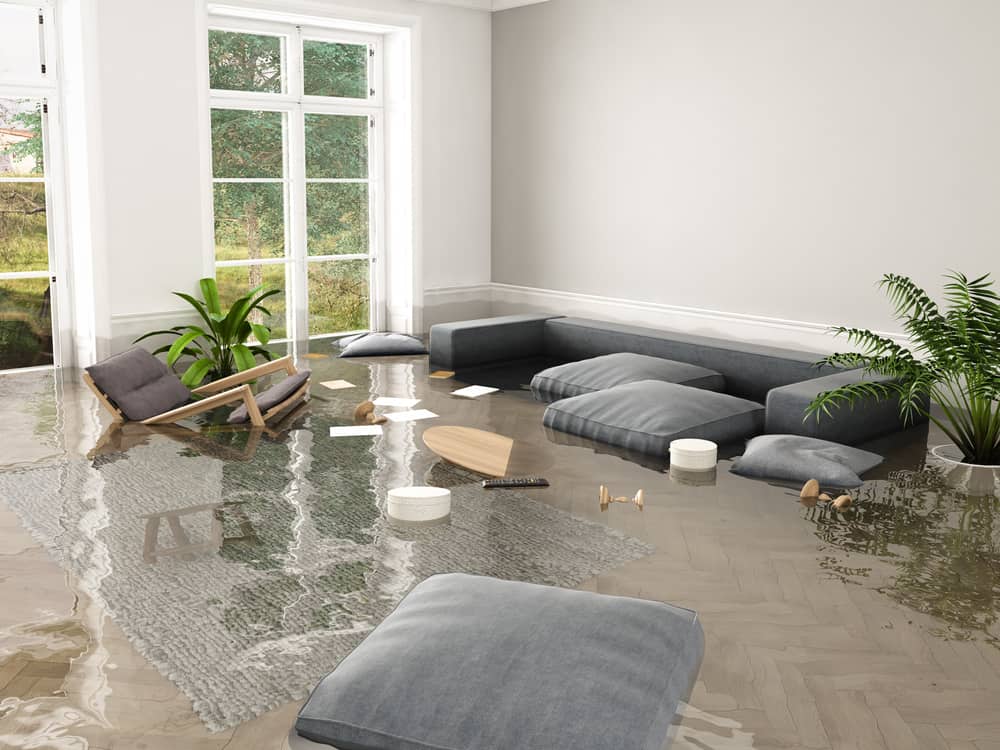
Water damage restoration in Valley Stream covers a wide range of scenarios a burst galvanized pipe in a 70-year-old supply line, a sewer lateral backup from a root-infiltrated cast-iron drain, a basement flooded by storm sewer overwhelm during a heavy nor’easter, or a washing machine supply line that failed while everyone was at work. We build the service around what actually happens in homes like these, not a one-size-fits-all checklist.
Every job we do includes emergency water extraction, structural drying with industrial equipment, moisture mapping and monitoring throughout the drying phase, and antimicrobial treatment where contamination is a concern. That last part is especially relevant when the source is a sewer backup or Category 3 floodwater we handle that under specific IICRC protocols for contaminated water, not the same process used for a clean pipe burst. The distinction matters for your health and for how the claim gets categorized.
For homes in Valley Stream’s FEMA-mapped flood zones and the village does have an active Flood Damage Prevention ordinance with designated Special Flood Hazard Areas the documentation and restoration process needs to align with those requirements. Our team is familiar with Nassau County’s regulatory environment and handles that coordination directly, so you’re not left figuring out permit requirements while your basement is still wet.

Does homeowners insurance cover water damage from a burst pipe in Valley Stream?
In most cases, yes standard homeowners insurance covers sudden and accidental water damage, and a burst pipe generally qualifies. The key word is “sudden.” If an adjuster determines the pipe had been leaking gradually over time and the damage was the result of deferred maintenance rather than an unexpected failure, the claim can be denied. That distinction is one of the most common reasons water damage claims get pushed back in Nassau County.
The other thing to understand is that standard homeowners insurance does not cover flooding meaning water that enters your home from the ground up due to storm surge, rising groundwater, or overland flow. Valley Stream has FEMA-mapped flood zones, and if your property is in one of those areas, you’d need a separate flood insurance policy through the National Flood Insurance Program for that type of event. If you’re not sure which category your damage falls into, our assessment process will help clarify it and proper documentation from the start makes a real difference in how the claim is handled.
How quickly does mold start growing after a basement floods?
The EPA’s guidance is 24 to 48 hours that’s how long you have before mold spores that are already present in the air begin to colonize wet surfaces. Visible growth typically appears within 48 to 72 hours, but microscopic growth starts earlier than that. In a Valley Stream home with a water table that sits close to the basement floor and a building assembly that’s been absorbing ambient moisture for 60 or 70 years, the conditions for mold growth are often already favorable before a flooding event even occurs.
The reason this matters practically is that a surface-level cleanup mopping up standing water, running a box fan doesn’t address moisture that has wicked into concrete block walls, under original flooring, or behind baseboards. That hidden moisture is exactly what feeds mold growth in the weeks after an apparent cleanup. Industrial drying equipment and moisture monitoring are what actually close the window on mold, not visible dryness. If you’re already past the 48-hour mark, that doesn’t mean it’s too late it means the assessment needs to include a mold check alongside the moisture mapping.
What's the difference between water damage categories, and why does it matter for my claim?
The IICRC classifies water damage into three categories based on contamination level, and the category affects everything the remediation process, the cost, the health precautions required, and how the insurance claim gets documented. Category 1 is clean water from a supply line or appliance the least hazardous and the least expensive to remediate. Category 2 is gray water, which includes washing machine overflow or a toilet overflow without solid waste moderately contaminated and requiring more protective handling. Category 3 is black water sewage backup, groundwater intrusion, or floodwater which carries serious health risks and requires the most intensive remediation protocol.
In Valley Stream specifically, Category 3 events are more common than many homeowners expect. The village’s sewer infrastructure is among the oldest in Nassau County, and the private sewer laterals connecting homes to the municipal system are frequently original cast-iron pipes from the 1940s and 1950s. Root infiltration and joint deterioration cause sewage backups that qualify as Category 3 regardless of how much material is visible. The category your damage falls into needs to be documented correctly from the start it affects what your insurance covers and how the remediation scope is justified to the adjuster.
How long does water damage restoration take for a typical Valley Stream home?
For a moderate event a burst pipe affecting one or two rooms, or a flooded basement without significant structural involvement the drying phase alone typically runs three to five days. The full restoration process, from initial extraction through final repairs, averages around two weeks for most homes. More extensive damage, particularly anything involving saturated structural framing, original plaster walls, or mold remediation on top of the water damage itself, can extend that timeline significantly.
In Valley Stream’s pre-war and post-war housing stock, the timeline sometimes runs longer than it would in newer construction. Plaster walls hold moisture differently than modern drywall, original hardwood floors require careful monitoring to determine whether they can be dried in place or need to be removed, and concrete block foundations take longer to dry than poured concrete. The drying equipment stays in place until moisture readings confirm the structure has reached acceptable levels not until the floor looks dry. That distinction is what prevents the mold problem from showing up three months later.
My Valley Stream basement flooded during a storm is that covered by insurance?
This depends on how the water got in, and the distinction is one that catches a lot of Valley Stream homeowners off guard. If the flooding was caused by a storm sewer backup that pushed water up through a floor drain or into the basement through the municipal system, some homeowners policies include sewer backup coverage as an endorsement but it’s not automatic, and many policies don’t include it by default. If the water entered through foundation cracks or window wells due to surface runoff or groundwater rise during the storm, that’s typically considered flood damage, which standard homeowners insurance does not cover at all.
Valley Stream’s position draining toward Jamaica Bay through a network of channels and culverts means that major storm events can push water into the village from multiple directions simultaneously surface runoff, rising groundwater, and storm sewer overwhelm can all happen at the same time. Identifying the actual source of the water intrusion isn’t just a technical question; it determines which part of your policy applies and how the claim needs to be framed. That’s why the assessment documentation matters so much it’s the foundation of a defensible claim, not just a formality.
Why should I call a restoration company before calling my insurance company?
Calling a restoration company first or at the same time is generally the better move, and here’s why: your insurance company’s primary interest is in assessing the damage after the fact. Our job is to stop the damage from getting worse right now. Waiting for an adjuster to schedule a visit before beginning any work can mean 24 to 48 additional hours of moisture sitting in your walls, which directly increases the scope of the damage and the eventual cost of the claim.
Beyond that, having a professional assessment and documentation in place before the adjuster arrives actually strengthens your claim. Moisture readings, photos, and a written scope of work from an IICRC-certified team give the adjuster a clear, credible record of what happened and what it takes to fix it. In Nassau County, where water damage claims can involve older housing stock, aging infrastructure, and sometimes ambiguous source questions, that documentation is what prevents disputes over scope and coverage. We handle the insurance coordination directly communicating with your adjuster, submitting documentation, and billing the insurer so you’re not navigating that process alone while also dealing with a damaged home.
Useful Links
Other Services we provide in Valley Stream