
Water Damage Restoration in Wainscott, NY
When Water Damage Strikes Your Wainscott Home While You're Away
Hear from Our Customers

Flood Restoration Wainscott, NY
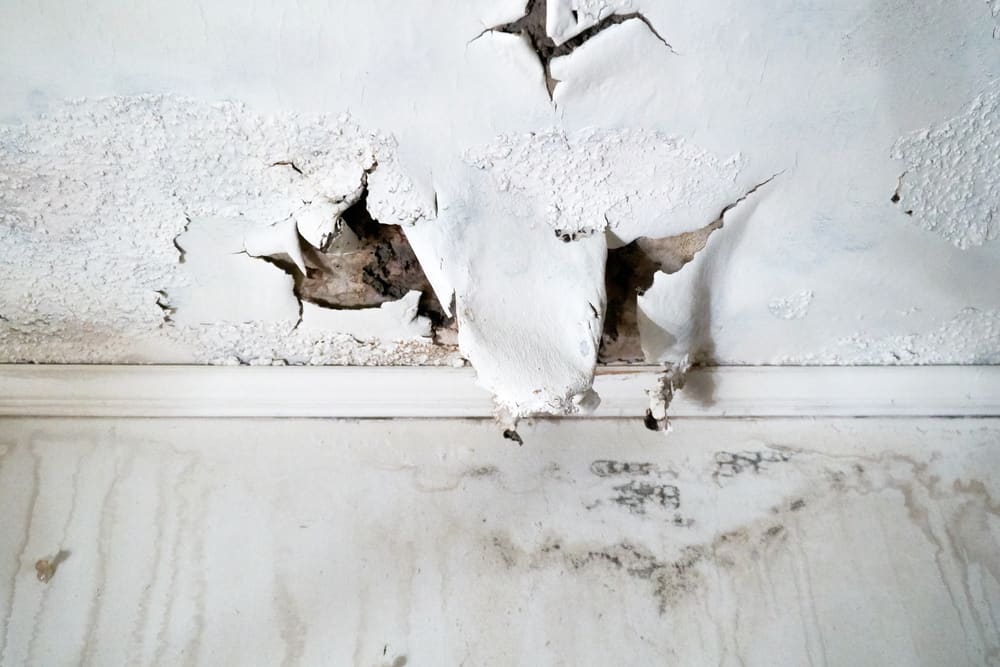
When water gets into a Wainscott home whether from a burst pipe during a winter freeze, a nor’easter pushing water across the flat farmland, or Georgica Pond’s rising water table pressing up through your foundation the clock starts immediately. Mold can begin forming within 24 to 48 hours. The longer moisture sits inside walls and under floors, the more the scope of the job grows. Fast, professional extraction stops that cycle before it compounds.
For a home worth $3 million or more, the difference between thorough restoration and surface-level cleanup isn’t a few hundred dollars it’s the difference between preserving your custom finishes and gutting them entirely. Our industrial-grade drying equipment reaches moisture inside wall cavities, under subfloors, and behind baseboards where consumer fans simply can’t. That’s what prevents the mold call six months from now.
And because Wainscott has no municipal sewer system, a flooded basement here can simultaneously trigger a cesspool backup turning what looks like straightforward water damage into a Category 3 contamination situation that requires full decontamination protocols. Knowing that distinction upfront, and responding accordingly, is what protects both your property and your insurance claim.
Residential Water Damage Repair Wainscott, NY
We’ve been working on Long Island for nearly three decades. That means we were on the South Fork when Hurricane Sandy destroyed oceanfront homes in Wainscott and knocked out power to more than 65,000 homes and businesses across the area. We know what coastal storms do to these properties not from a manual, but from years of being the ones called in after.
We’re fully certified by the IICRC, licensed, bonded, and insured. We serve all of Suffolk County through a dedicated local line not a national call center dispatching from out of state. When a property manager along Georgica Close calls at 11 p.m. because a caretaker just found standing water in the basement, that call reaches a real local operation that can move.
We also work directly with insurance companies, handling the documentation and billing so you’re not stuck coordinating between your carrier and our crew from across the island or across the country.
Emergency Water Removal Wainscott, NY
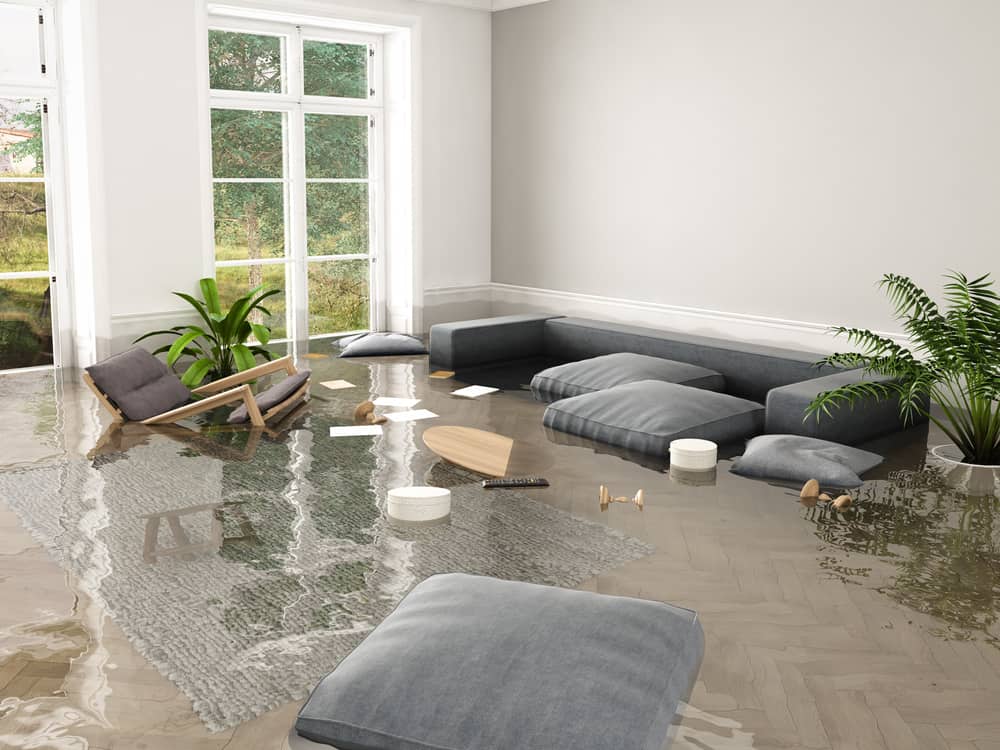
The first step is getting someone on-site as fast as possible to assess the real scope not just what’s visible, but what’s hiding inside walls and under floors. We use moisture meters and professional inspection equipment to map the full extent of the intrusion before any work begins. In Wainscott, that assessment also includes checking for cesspool or septic involvement, because the combination of flooding and a private waste system can escalate the situation quickly. This step matters especially for properties that have been sitting unoccupied what looks like a contained leak may have been spreading inside the structure for days.
Once the scope is clear, water extraction begins using industrial-grade equipment that goes well beyond what any rental unit can do. After extraction, the drying phase uses commercial air movers and dehumidifiers positioned specifically to address the moisture paths we identified during the initial assessment. This phase typically runs three to five days depending on the severity, and we monitor moisture readings throughout to confirm the structure is genuinely dry not just surface-dry.
If reconstruction is needed drywall, flooring, structural repairs we handle that too, so you’re not left coordinating a second contractor mid-project. Any work in Wainscott’s flood hazard areas is subject to Town of East Hampton Building Department permitting requirements, and we’re familiar with what that process involves for properties in AE and VE flood zones.

Ready to get started?
Storm Damage Restoration Wainscott, NY
Water damage restoration in Wainscott covers a wider range of scenarios than most towns on Long Island. Oceanfront properties along Beach Lane face direct Atlantic exposure and sit in FEMA VE zones the highest-risk coastal classification. Properties near Georgica Pond deal with a different problem: rising water levels that push groundwater up through foundation walls and floor drains, sometimes with no storm overhead at all. And across the hamlet, every single property runs on a private cesspool or septic system, which means basement flooding and sewage backup can arrive together.
Our service covers the full sequence emergency water extraction, structural drying, dehumidification, antimicrobial treatment, moisture mapping, mold prevention, and complete reconstruction where needed. For seasonal properties that have been closed for the winter, the assessment phase is especially thorough because hidden moisture from a slow leak or a freeze event can have been spreading for weeks before anyone noticed.
Documentation is built into every step. For Wainscott homeowners carrying both a standard homeowners policy and a separate NFIP flood policy, having IICRC-certified work documented to the standards insurers expect is what keeps the claims process from becoming a second problem on top of the first one.

Does homeowners insurance cover basement flooding in Wainscott, NY?
It depends entirely on the source of the water, and this distinction matters a lot in Wainscott. Standard homeowners insurance typically covers sudden, accidental water damage from internal sources a burst pipe, a failed water heater, an appliance overflow. What it does not cover is flooding from an external source: storm surge, groundwater intrusion, or overland water coming in from outside the home.
For Wainscott properties in FEMA AE or VE flood zones which includes oceanfront areas along Beach Lane and low-lying areas near Georgica Pond a separate flood insurance policy through the National Flood Insurance Program is what covers storm-driven flooding. Many Wainscott homeowners carry both policies, and the documentation requirements for each are different. We work directly with insurance carriers and understand how to document the damage in a way that supports claims under both types of coverage.
My Wainscott property sits empty most of the year what happens if a pipe bursts in winter?
This is one of the most common and most costly scenarios in Wainscott. When a pipe freezes and bursts in an unoccupied home, water can spread inside walls, under floors, and through structural cavities for days sometimes weeks before a caretaker or property manager discovers it. By then, what would have been a contained extraction job has often become a mold remediation and partial rebuild.
The key is having someone respond immediately the moment the damage is found, regardless of what time it is or what day of the week. We’re available 24 hours a day, every day of the year. When the call comes in, we move quickly to assess the full extent of the moisture not just what’s visible on the surface and begin extraction before the damage spreads further. For seasonal properties, a thorough initial assessment is especially important because the moisture has often traveled further than it appears.
How fast does mold start growing after water damage?
The EPA is clear on this: water-damaged areas need to be dried within 24 to 48 hours to prevent mold growth. Mold spores can begin germinating within the first 24 hours under the right conditions, and visible growth typically appears within 48 to 72 hours. In a coastal environment like Wainscott where humidity levels are naturally higher than inland areas and properties often sit closed and unventilated for months those conditions are frequently met.
This is why response time isn’t just a convenience issue it’s a cost issue. A water damage event addressed within the first 24 hours is a fundamentally different job than the same event addressed three days later. The longer moisture sits, the deeper it penetrates into structural materials, and the more of those materials need to be removed rather than dried in place. Acting fast, with the right equipment, is what keeps a manageable situation from becoming a major remediation project.
What is Category 3 water damage, and why does it matter in Wainscott?
Water damage is classified by the IICRC into three categories based on contamination level. Category 1 is clean water a burst supply line, for example. Category 2 involves gray water with some contamination, like a washing machine overflow. Category 3 is grossly contaminated water sewage backup, floodwater that has contacted the ground, or any water that has mixed with waste.
In Wainscott, Category 3 situations are more common than in many other Long Island communities because every property relies on a private cesspool or septic system. When a basement floods during a storm or from rising groundwater, the flooding can simultaneously overwhelm or back up the cesspool, introducing sewage contamination into the same space. Category 3 remediation requires full decontamination protocols all porous materials that contacted the sewage must be removed, not just dried. This is not a job for a shop vac and a fan. It requires IICRC-certified technicians, proper protective equipment, and documentation that meets the standards your insurance carrier will require.
How long does water damage restoration typically take?
The honest answer is that it depends on the scope. Minor water damage a contained appliance leak caught quickly can be resolved in 24 to 48 hours. A more typical basement flooding situation takes around two to three weeks from initial extraction through final repairs. Extensive damage involving structural materials, mold growth, or reconstruction can extend to several months.
In Wainscott, the timeline is often shaped by a few specific factors. Properties that have been sitting vacant for part of the winter may have moisture that has spread further than initially apparent, which extends the drying phase. Reconstruction work in flood hazard areas particularly in AE or VE zones near the ocean or Georgica Pond is subject to Town of East Hampton Building Department permitting, and any structural work may need to meet updated elevation requirements under New York State code changes taking effect at the end of 2025. We’ll give you a realistic scope and timeline after the initial assessment, not a number pulled from thin air.
Can a Wainscott property manager call on behalf of the homeowner?
Absolutely, and in Wainscott this is actually how a large portion of calls come in. Because so many properties here are seasonal second homes, the person who discovers the damage and the person who needs to make decisions on the ground is often a property manager or caretaker, not the homeowner themselves. We’re set up to work with that dynamic.
We communicate directly with whoever is managing the situation on-site, document the damage thoroughly with photos and moisture readings, and keep the homeowner informed regardless of where they are. When it comes to insurance, we work directly with the carrier whether that’s the homeowner’s standard policy, a separate flood policy, or both so the property manager isn’t left trying to translate between our crew and an insurance adjuster. For Wainscott’s seasonal market, having a restoration company that understands this workflow isn’t a bonus it’s a basic requirement.
Useful Links
Other Services we provide in Wainscott