
Water Damage Restoration in Water Mill, NY
When a Closed-Up Hamptons Estate Takes on Water, Every Week Counts
Hear from Our Customers

Flood Restoration Services in Water Mill
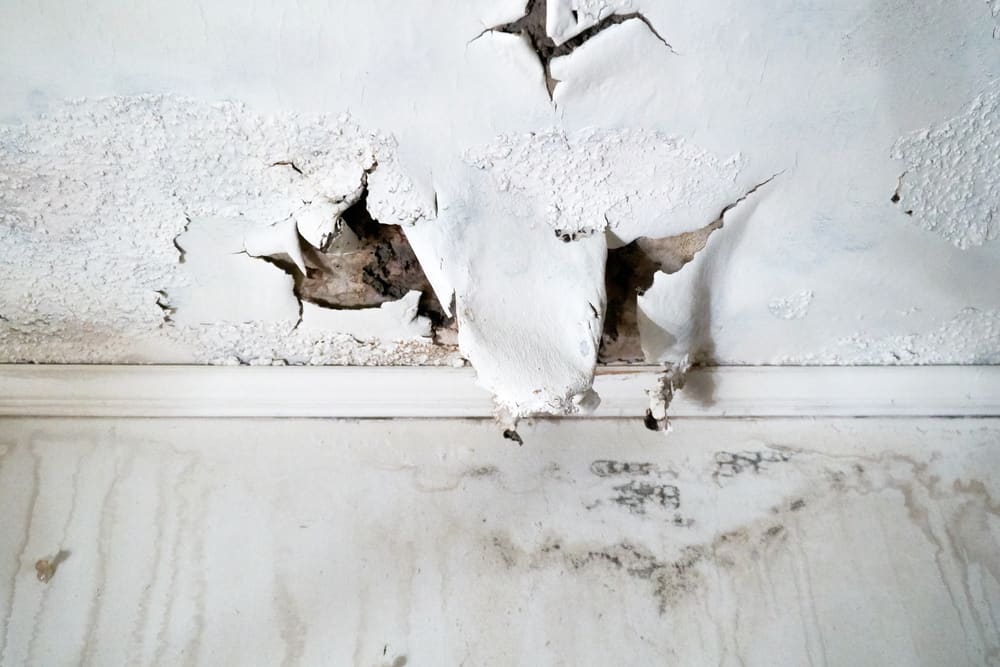
The worst water damage calls we get from Water Mill come in late April and early May. An owner drives out for the first time since Thanksgiving, opens the front door, and finds what a burst pipe left behind over the winter warped floors, collapsed drywall, mold working its way through the framing behind walls that look fine from the outside. What started as a manageable extraction job has turned into a full rebuild, because no one was there to catch it early.
That’s the reality of owning a seasonal estate in Water Mill. When a pipe freezes and lets go in January, the water doesn’t wait. It runs through custom millwork, under engineered hardwood, into the structural cavities of a multi-million-dollar home and it keeps going until someone opens the door. The longer that gap, the more expensive and complicated everything gets.
When you call us, the goal is simple: stop the damage, dry the structure completely, document everything for your insurance carrier, and get your home back to where it was before the summer season, not after it. With nearly 30 years of experience on Long Island and a dedicated Suffolk County team, we’ve handled exactly this situation countless times.
Water Damage Repair Experts in Suffolk County
We’ve been working on Long Island for nearly 30 years. That’s not a number pulled from a brochure it means we’ve been in homes throughout Suffolk County through nor’easters, hurricane seasons, and everything in between, long before restoration became a crowded industry. We know how Long Island homes behave, how Long Island insurance carriers operate, and what it actually takes to do this work right.
In a market like Water Mill, where properties along Mecox Bay and Mill Creek have a documented history of flooding and where the seasonal vacancy gap creates a whole separate category of risk you need a company that understands the full picture. Not just the extraction, but the insurance complexity, the finish quality requirements, and the timeline pressure that comes with a property that needs to be ready by Memorial Day.
Our technicians are IICRC-certified, we’re licensed, bonded, and insured, and we work directly with your insurance carrier handling the documentation and coordination so you don’t have to manage that process on top of everything else.

Emergency Water Removal Process in Water Mill
When you call, the first thing that happens is a response not a callback queue, not a scheduling window. We operate 24/7, and for a Water Mill property where every hour of standing water compounds the damage, that matters. A team is dispatched to assess the full scope of what you’re dealing with.
On-site, our first priority is stopping the source and understanding how far the water has traveled. This isn’t a visual inspection it involves moisture meters and thermal imaging to map what’s happening inside walls, under floors, and in structural cavities that look dry from the surface. In a Water Mill estate with custom plaster, engineered hardwood, or high-end tile, that step is non-negotiable. Missing hidden moisture is how a $10,000 job turns into a $60,000 mold remediation six months later.
From there, industrial-grade extraction equipment pulls standing water, and commercial dehumidifiers and air movers are set to dry the structure from the inside out a process that typically runs three to five days for most homes. Throughout, the work is documented in a format that holds up with insurance carriers, including the detailed records needed if your policy involves a vacancy endorsement or a separate flood policy. Once the structure is confirmed dry, we can carry the project through reconstruction, matching the original finish quality your home requires. Southampton Town building permits are handled as part of that process you don’t need to coordinate that separately.

Ready to get started?
Residential Water Damage Repair in Water Mill, NY
Water Mill isn’t a typical Long Island market, and the restoration work here reflects that. The combination of oceanfront exposure at Flying Point Beach, bay-side flooding risk from Mecox Bay and the Mill Creek corridor, and a naturally high water table in the agricultural lowlands means water intrusion can come from multiple directions sometimes simultaneously during a major storm event. The 1938 hurricane sent a 15-foot storm surge north across Mecox Bay and up Mill Creek, reaching the main floor of the Water Mill Museum. That’s a baseline for understanding what this geography is capable of.
We handle the full range of what Water Mill homeowners face: burst pipe water damage in seasonal estates that sat vacant through the winter, basement water extraction after groundwater infiltration near Mecox Bay, storm damage restoration following hurricane or nor’easter events, flooded basement cleanup in both historic structures and modern mega-mansions, and mold remediation when moisture has been sitting long enough to develop. Outdoor humidity in Water Mill regularly exceeds 70%, which accelerates mold growth significantly after any moisture event another reason the 24-to-48-hour window matters here more than in drier inland communities.
Because many Water Mill properties are second homes managed by caretakers or property management companies, we’re set up to coordinate directly with whoever is on the ground you don’t need to be physically present for the work to move forward. And because the insurance picture here often involves multiple policies standard homeowners, NFIP flood coverage, and potentially a vacancy endorsement our direct insurance coordination is built to navigate that complexity, not just the straightforward single-policy claim.

Does homeowners insurance cover water damage in a vacant Water Mill home?
This is one of the most common and most frustrating coverage issues for Water Mill seasonal homeowners. Standard homeowners insurance covers sudden, accidental water damage a burst pipe, an appliance failure but many policies include a vacancy exclusion that limits or eliminates coverage if the home has been unoccupied for 30 or 60 consecutive days. For a Water Mill estate that closes in October and reopens in May, that exclusion can apply to the exact moment a pipe freezes and bursts in February.
Whether coverage applies depends on your specific policy language, how long the property was unoccupied, and whether you have a seasonal or vacancy endorsement in place. The documentation of when the damage occurred relative to when the home was last occupied is critical and that’s exactly why having an experienced restoration company involved early matters. We document the damage timeline accurately and work directly with your carrier, which gives you the best possible position in a coverage dispute rather than trying to piece together a claim after the fact.
How fast does mold grow after a pipe bursts in a Water Mill home?
Faster than most people expect. Mold spores can begin germinating within 24 hours under the right conditions, and visible growth typically appears within 48 to 72 hours. In Water Mill specifically, where outdoor humidity regularly exceeds 70% and coastal air keeps interior humidity elevated even in a closed-up home, those timelines can compress further. A pipe that bursts in a sealed seasonal estate in January and isn’t discovered until April has had three months to develop mold behind walls, under floors, and inside structural cavities often without any visible sign from the surface.
This is why the extraction and drying phase isn’t just about removing standing water. The goal is getting the structural moisture content down to safe levels before mold has a chance to establish itself. We use industrial dehumidifiers and air movers not consumer-grade fans because the difference between equipment that dries the surface and equipment that dries the structure is the difference between a clean result and a mold remediation job six months from now.
What should I do immediately after discovering water damage in my Water Mill property?
The first thing is to call a restoration company before you call your insurance company, and before you attempt any cleanup yourself. That order matters. A professional assessment documents the damage in its original state, which strengthens your insurance claim. If you start moving things, pulling up flooring, or running fans before anyone has documented the scene, you may be creating gaps in your claim record that an adjuster can use to dispute coverage.
Once you’ve made the call, if it’s safe to do so, shut off the water supply to stop any ongoing flow. Don’t run HVAC systems that could spread contaminated air through the home, and don’t enter areas where there’s any risk of electrical contact with standing water. For Water Mill homeowners managing the situation remotely, your caretaker or property manager can handle these immediate steps we’re set up to coordinate directly with whoever is on the ground until you can get there.
How long does water damage restoration take for a Water Mill estate?
The honest answer is that it depends on how long the water was present and how far it traveled. For a burst pipe caught quickly in a single area of the home, extraction and structural drying typically runs three to five days, followed by reconstruction that can take one to three weeks depending on the scope of finish work required. For a Water Mill seasonal estate where a pipe failed in January and wasn’t discovered until spring, you’re looking at a significantly longer timeline mold remediation, structural assessment, demolition of affected materials, and full reconstruction to the original finish standard can run six to twelve weeks or more.
The finish quality requirement in Water Mill adds time that wouldn’t apply in a standard suburban restoration. Custom millwork, high-end tile, specialty fixtures, and designer-specified materials need to be matched or sourced that’s not something you rush. We handle the full scope from extraction through rebuild, so the timeline is managed under one roof rather than handed off between multiple contractors.
Does flood damage from Mecox Bay or storm surge qualify for insurance coverage?
Flooding from an external source storm surge, rising bay water, or groundwater is not covered by a standard homeowners insurance policy. Full stop. Standard homeowners coverage applies to sudden, accidental damage from internal sources like burst pipes or appliance failures. If Mecox Bay floods during a nor’easter and water enters your home, that’s a flood claim, and it requires a separate flood insurance policy through the National Flood Insurance Program or a private flood insurer.
This distinction trips up a lot of Water Mill homeowners, particularly those who have never filed a water-related claim before. If you have an NFIP policy, there are specific documentation and claim procedures that apply and working with a restoration company that understands how to document flood damage for an NFIP claim is meaningfully different from a company that only handles standard homeowners claims. We have the experience to navigate both, and we’ll work directly with your carrier to make sure the documentation matches the coverage you actually have.
Why should I hire an IICRC-certified company for water damage restoration in Water Mill?
IICRC certification means the technicians working in your home are trained to an established, documented standard the S500 Standard for Professional Water Damage Restoration and that the work we perform follows a protocol that insurance carriers recognize and accept. In a market like Water Mill, where claims often involve high-value properties, multiple insurance policies, and potentially contested coverage questions around vacancy exclusions or flood vs. water damage distinctions, the documentation produced by IICRC-certified work carries real weight.
Non-certified companies may do work that looks fine on the surface but lacks the moisture verification, drying logs, and procedural documentation that an insurance adjuster reviewing a six-figure claim is going to ask for. In a community where a significant water event can easily reach $100,000 or more in losses given the finish quality and reconstruction costs on Water Mill estates having certified technicians and proper documentation isn’t a credential detail, it’s what protects your claim and your property from the beginning of the job to the end.
Useful Links
Other Services we provide in Water Mill