
Water Damage Restoration in West Bay Shore, NY
When the Great South Bay Comes to Your Door
Hear from Our Customers

Flood Restoration West Bay Shore NY
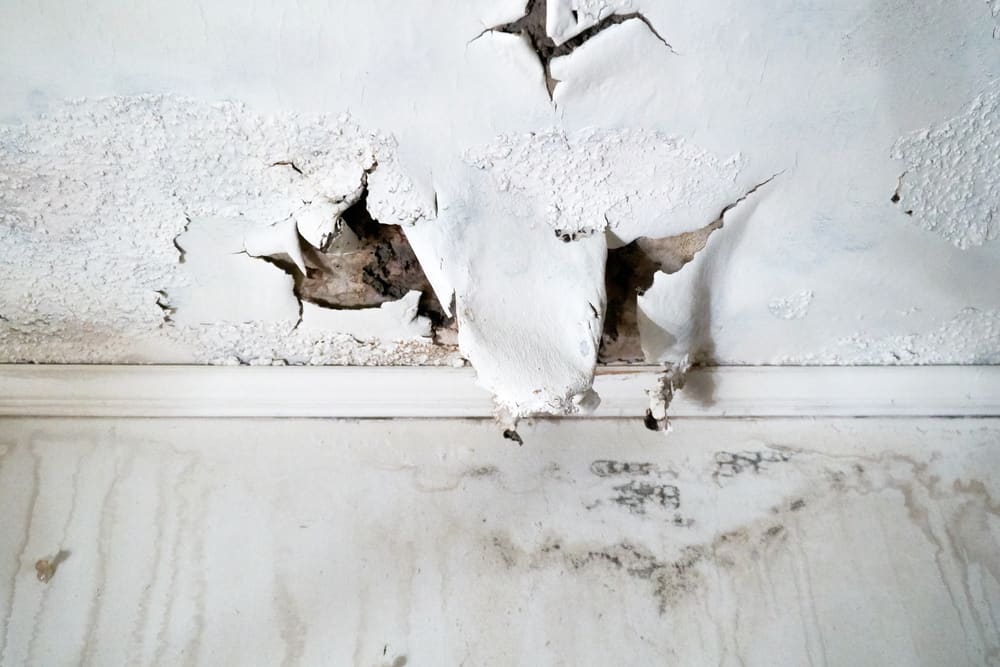
When water gets into a West Bay Shore home, the damage you can see is rarely the whole story. Behind the original plaster walls and under the wood subfloors of homes built around 1960 which describes most of this hamlet moisture travels fast and hides well. The outcome you actually want isn’t a dry-looking floor. It’s a home that’s been dried completely, documented thoroughly, and cleared by equipment that goes where your eyes can’t.
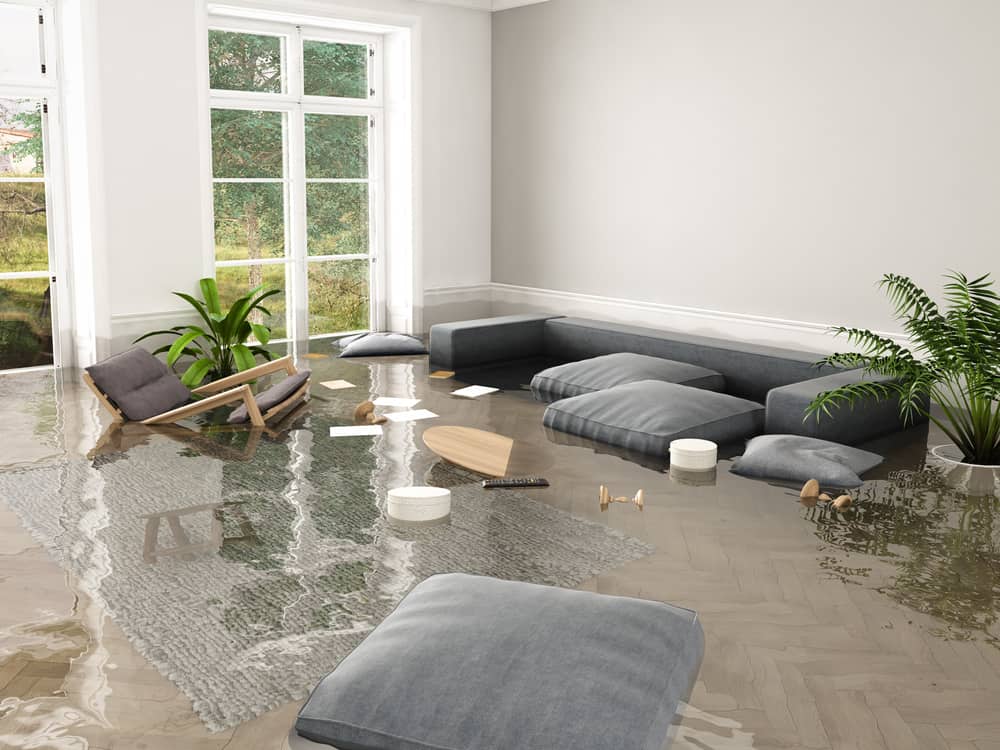
For homeowners along the Great South Bay corridor, that distinction matters more than it does almost anywhere else on Long Island. When bay water pushes inland during a nor’easter or storm surge event, it doesn’t just flood from the top down it comes up through foundation cracks and floor drains from a water table that’s already close to the surface. That’s a different problem than a burst pipe, and it needs a different response.
The right outcome here is full structural drying, proper documentation for your insurance claim, and the confidence that mold isn’t quietly growing inside your walls six weeks from now. With a homeownership rate of 95.4%, nearly everyone in West Bay Shore has real equity on the line. Getting the restoration right the first time isn’t just about comfort it’s about protecting a home that’s worth protecting.
Residential Water Damage Repair West Bay Shore
We’ve been serving Long Island homeowners for nearly 30 years, operating out of West Babylon about five to seven miles west of West Bay Shore along the same South Shore corridor. That proximity isn’t just logistical convenience. It means our team responding to your call knows this coastline, has worked in the Town of Islip through multiple storm cycles, and understands how Great South Bay flooding behaves in ways that a company learning the area from a map simply can’t replicate.
Our technicians are IICRC-certified, which matters specifically because insurance companies including NFIP flood policies that many South Shore homeowners carry alongside their standard coverage expect work to be performed and documented to recognized industry standards. We’re also licensed, bonded, and insured, which keeps your claim clean and your home protected throughout the process.
Whether the call comes in from a canal-front unit at The Admiralty or a 1960s ranch home off Montauk Highway, our response is the same: local, qualified, and available around the clock.
Emergency Water Removal West Bay Shore NY
The process starts the moment you call. Our team is available 24 hours a day, seven days a week because the nor’easters and coastal surge events that most commonly flood West Bay Shore homes don’t wait for business hours. When you reach out, you’ll speak with someone who can assess the situation over the phone and get a crew moving toward your address.
On arrival, our first priority is stopping the source if it’s still active whether that’s a burst pipe in a 60-year-old home or bay water that’s pushed through a foundation wall. From there, we use industrial extraction equipment to remove standing water, followed by moisture mapping with professional-grade meters and thermal imaging to locate water that’s moved into walls, under floors, and into structural cavities. This step is what separates a real restoration from a surface cleanup, and it’s where most DIY attempts fall short.
Structural drying comes next industrial air movers and dehumidifiers running until readings confirm the structure is genuinely dry, not just surface-dry. If mold remediation is needed, we handle that under New York State’s Article 32 mold remediation licensing requirements, which apply to any professional doing this work in West Bay Shore. Throughout the process, we handle the documentation and direct billing communication with your insurance company, whether that’s a standard homeowners policy, an NFIP flood policy, or both. When the work is done, you’ll know exactly what was done and why and so will your adjuster.

Ready to get started?
Burst Pipe and Flood Restoration Services West Bay Shore
We handle the complete range of water damage scenarios that West Bay Shore homeowners actually face. That includes burst pipe water damage from aging plumbing in the hamlet’s post-war housing stock, flooded basement cleanup after storm surge or heavy rain overwhelms a water table that’s already near the surface, storm damage restoration following nor’easters and coastal flooding events, and mold remediation when water damage hasn’t been addressed quickly enough or when a previous cleanup didn’t go deep enough.
For homeowners in The Admiralty’s canal-front townhomes, our service scope extends to shared-wall moisture assessment and documentation that’s clear enough to support both personal insurance claims and any HOA coordination the situation requires. Canal-adjacent properties face water intrusion from multiple directions, and our restoration approach accounts for that.
Beyond the immediate water event, we handle structural drying, antimicrobial treatment, contents handling, and full reconstruction so you’re not managing five separate contractors while living out of a disrupted household. Every step is documented for your insurance file, and we work directly with your insurer to handle the billing and claims communication. The goal is a home that’s genuinely restored, not just dried out and handed back to you with fingers crossed.

Does homeowners insurance cover water damage from Great South Bay flooding in West Bay Shore?
This is one of the most important questions for West Bay Shore homeowners to understand before a storm hits, not after. Standard homeowners insurance covers sudden, accidental water damage from internal sources a burst pipe, an appliance overflow, a roof leak from wind damage. It does not cover flooding. If bay water from the Great South Bay enters your home during a storm surge event, that is considered flood damage, and it requires a separate flood insurance policy through the National Flood Insurance Program (NFIP) to be covered.
Many West Bay Shore homeowners particularly those in FEMA Zone AE properties near the bay and in canal-front communities like The Admiralty carry both policies. If that’s your situation and a storm triggers both types of damage simultaneously, the claims process gets complicated quickly. We work directly with insurance companies and handle the documentation and billing communication for both types of claims, so you’re not left trying to sort out two separate adjusters while managing a flooded home.
How quickly does mold start growing after a basement floods in West Bay Shore?
Faster than most people expect. The EPA states that mold can begin developing within 24 to 48 hours of water exposure and that clock starts the moment water enters the structure, not when you call a restoration company. In West Bay Shore’s humid South Shore environment, where the water table is already close to the surface and homes were built around 1960 with original plaster walls and wood subfloors that absorb moisture readily, conditions for mold growth can develop even faster than in newer, drier construction.
This is why the timing of your call matters. A surface cleanup with consumer fans and a wet-vac might make the floor look dry, but moisture that’s moved into wall cavities, under flooring, and into structural framing will continue feeding mold growth that you won’t see until it’s a much larger problem. Professional structural drying with industrial equipment and moisture readings to confirm the job is actually done is what prevents a flooded basement from becoming a mold remediation project weeks later.
What is Category 3 water damage, and why does it matter for storm flooding in West Bay Shore?
Under the IICRC S500 standard the industry’s governing document for water damage restoration water is classified into three categories based on contamination level. Category 1 is clean water from a supply line or pipe. Category 2 is gray water from appliances or overflow. Category 3, also called black water, is the most contaminated: sewage backup, groundwater, and critically bay water and floodwater from storm surge events.
When the Great South Bay pushes water into a West Bay Shore home during a coastal flooding event, that water is Category 3 by definition. It carries bacteria, sediment, and contaminants that make it unsafe to treat the same way you’d treat a burst pipe. Category 3 restoration requires demolition of all wet porous materials drywall, insulation, carpet structural decontamination, and clearance testing before reconstruction begins. This is not optional, and it’s not something an uncertified contractor can do correctly. Our IICRC-certified technicians follow the exact protocols that define proper Category 3 remediation, which also matters for your insurance claim documentation.
How long does water damage restoration typically take for a West Bay Shore home?
The honest answer is that it depends on the scope of the damage, but there are useful benchmarks. For a moderate event a burst pipe affecting one or two rooms in a typical West Bay Shore home the extraction and drying phase usually takes three to five days, with repairs following over the next one to two weeks. For a more significant flooding event, such as a basement flooded by storm surge or a coastal flooding event, the timeline extends. A general basement flood from a major storm typically runs about three weeks from initial extraction through final repairs, assuming no significant mold or structural complications.
For West Bay Shore properties specifically, the high water table is a factor that can extend the drying timeline. When ground saturation is high which is common during and after coastal storm events moisture continues to push into the structure from below even after standing water is removed. Industrial dehumidification needs to run until readings confirm the structure is genuinely dry at depth, not just at the surface. We’ll give you a realistic timeline after the initial assessment, so you know what to expect before work begins.
Do I need a Town of Islip building permit for water damage repairs in West Bay Shore?
For many water damage repairs, yes. The Town of Islip requires building permits for structural work which includes replacing water-damaged drywall that is structural, repairing or replacing framing, and any work that affects the building envelope. Cosmetic repairs like painting or replacing flooring may not require a permit, but the line between cosmetic and structural can be less obvious than it sounds after significant water damage.
For properties in FEMA Special Flood Hazard Areas which covers much of West Bay Shore’s coastal core and canal-adjacent properties there’s an additional consideration: the Town of Islip’s floodplain management regulations apply a “substantial improvement” threshold. If the cost of repairs exceeds 50% of the structure’s pre-damage market value, the property may be required to meet current floodplain elevation standards before reconstruction is completed. This is a real consideration for older homes near the bay. We’re familiar with the Town of Islip’s permitting process and can help ensure that restoration work is documented and completed in a way that meets local code requirements.
Can I stay in my West Bay Shore home during water damage restoration?
In many cases, yes but it depends on what type of water caused the damage and how much of the home is affected. If the damage is from a clean water source like a burst pipe and it’s contained to one area, staying home during the drying and repair process is often manageable, though the industrial equipment running around the clock is loud and the affected area will be off-limits.
If the flooding involved Category 3 water storm surge from the Great South Bay, sewage backup, or groundwater intrusion the answer changes. Category 3 contamination requires the affected areas to be fully cleared before they’re safe to occupy, and the demolition and decontamination process is disruptive enough that staying in the home is genuinely difficult. For West Bay Shore homeowners whose entire ground floor or basement is affected by a coastal flooding event, temporary displacement is sometimes the practical reality. If your homeowners or flood insurance policy includes additional living expenses (ALE) coverage, that cost may be covered. We’ll give you a straight answer about what the situation actually requires after the initial assessment not a one-size-fits-all answer.
Useful Links
Other Services we provide in West Bay Shore