
Water Damage Restoration in Westhampton, NY
When Moriches Bay Comes Indoors, Every Hour Counts
Hear from Our Customers

Flood Restoration Westhampton, NY
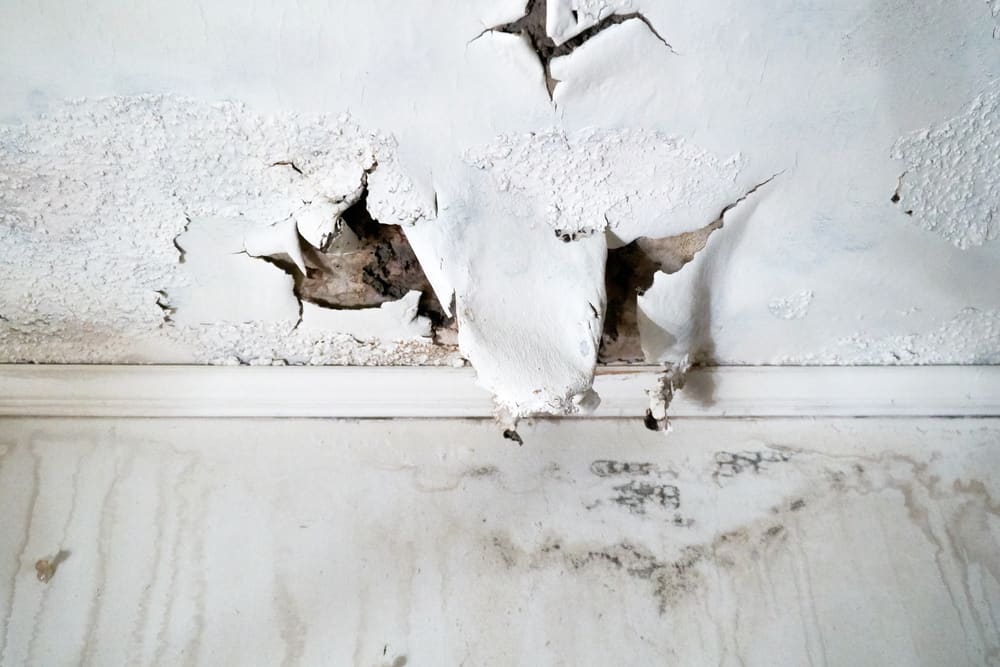
Water damage doesn’t pause while you figure out your next move. The longer it sits, the deeper it goes into your walls, under your floors, behind your baseboards and what starts as a manageable extraction job can turn into a full mold remediation project within 48 hours. In a coastal environment like Westhampton, where the ambient humidity is already elevated year-round, this timeline is not theoretical.
What you get when this is handled correctly isn’t just a dry house. It’s the confidence that the moisture is actually gone not just off the surface, but out of the structure. That matters everywhere, but it matters especially in Westhampton, where homes near Dune Road and Old Riverhead Road sit in a market where buyers conduct thorough inspections and hidden mold discovered at resale can cost far more than the original restoration would have.
Getting it done right the first time also means your insurance claim is documented properly from the start. That’s not a small thing when you’re dealing with the layered coverage situations common in this area standard homeowners policies, NFIP flood coverage, and sometimes specialty coastal policies all at once. A clean, certified restoration record protects your claim the same way it protects your walls.
Residential Water Damage Repair Westhampton, NY
We’ve been serving Long Island homeowners for nearly three decades. That’s not a marketing number it represents thirty years of actual restoration work across Nassau and Suffolk County, through every storm season, every pipe burst, and every flooded basement the South Shore has thrown at this region. The team that shows up at your Westhampton door is local, certified, and has seen the full range of what water damage looks like in Long Island homes.
After Sandy hit Westhampton and the broader South Fork, out-of-state contractors flooded in alongside the floodwater. Some did good work. Many didn’t. Westhampton’s homeowner community has a long memory for that period, and it’s shaped how people here think about who they let into their homes during a crisis. We’re licensed, bonded, and insured with IICRC-certified technicians whose work follows documented, insurance-accepted protocols. That’s the standard this community deserves, and it’s the standard we hold.
Basement Water Extraction Westhampton, NY
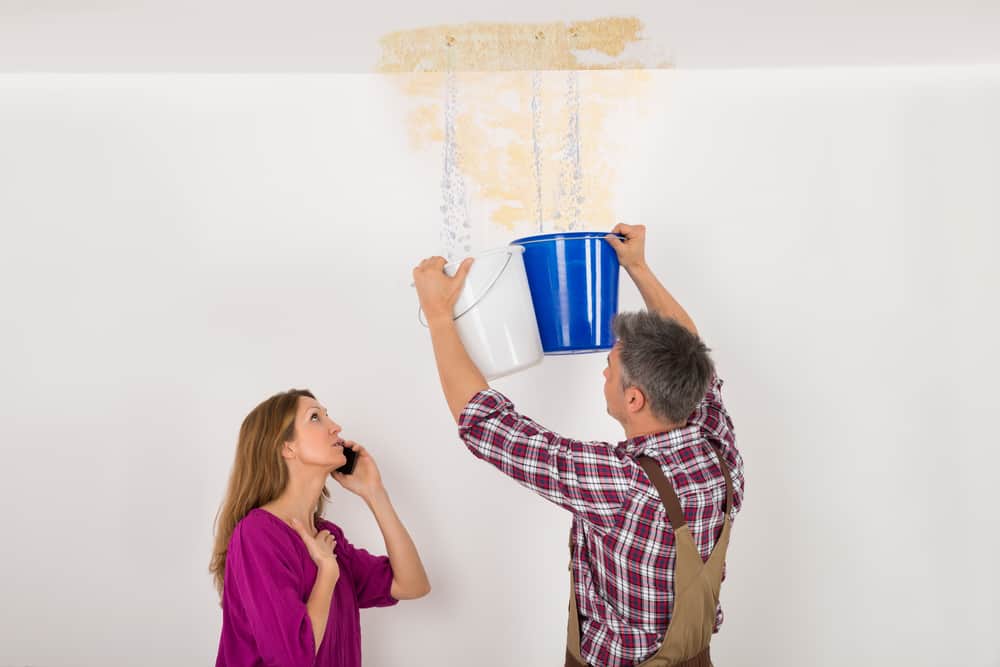
When you call, our first priority is getting a certified technician to your property as quickly as possible. This is especially critical for Westhampton’s large inventory of seasonal and second homes if a pipe burst in January and you’re hearing about it from a neighbor or a smart-home alert, every hour before extraction begins is an hour the water is migrating further into the structure. We respond 24/7 because water damage doesn’t wait for business hours.
Once on site, we perform a thorough assessment using moisture meters and thermal imaging to find water where you can’t see it. Westhampton’s coastal humidity means moisture doesn’t just evaporate it moves into wall cavities, under flooring, and into structural framing. Industrial-grade air movers and dehumidifiers go to work on the areas that consumer equipment simply can’t reach. This phase typically runs three to five days depending on the scope, and we monitor and document drying progress throughout.
From there, the process moves into any necessary structural repairs, antimicrobial treatment where contamination is a concern, and full reconstruction if the damage warrants it. Because Southampton Town requires building permits for structural work, we handle that coordination you’re not left to figure out the permitting side on your own. Throughout the entire process, we work directly with your insurance company, handling the documentation and communication so you’re not caught in the middle.
Ready to get started?
Storm Damage Restoration Westhampton, NY
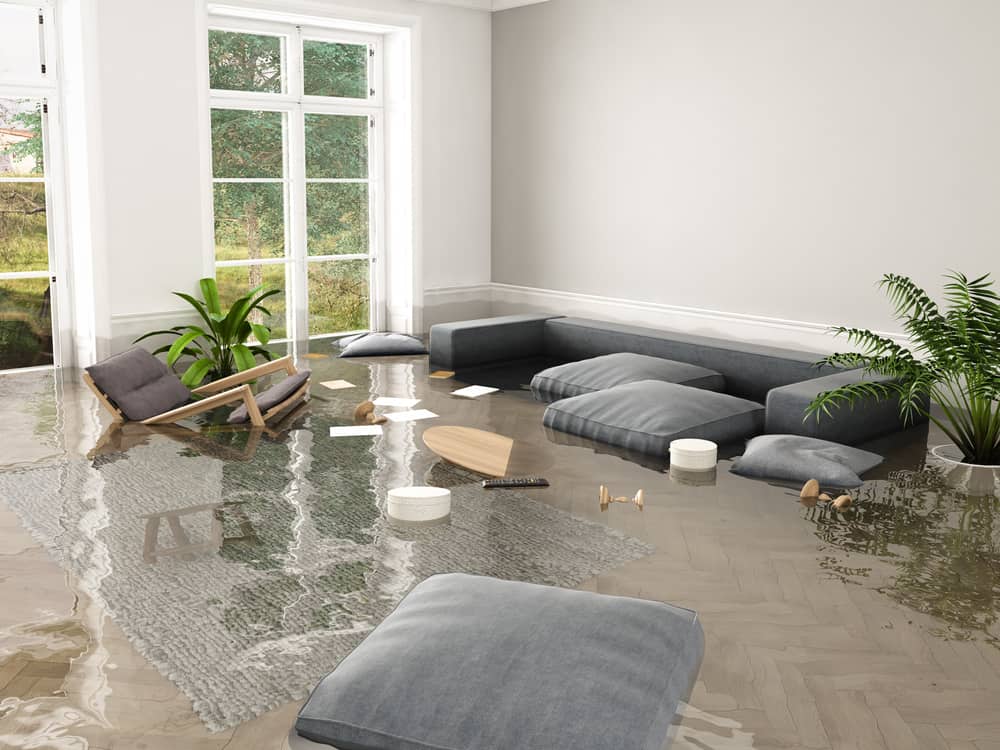
Not all water damage is the same, and in Westhampton that distinction matters more than almost anywhere else on Long Island. A burst pipe behind a wall is Category 1 clean water, relatively straightforward to address. Storm surge from Moriches Bay is a different situation entirely. That water carries contaminants that classify it as Category 3 under the IICRC S500 standard the same classification as sewage backup. It requires full protective equipment, antimicrobial treatment, and a remediation protocol that goes well beyond drying. Our IICRC-certified technicians are trained and equipped for all three categories.
We cover the complete scope: emergency water extraction, structural drying, dehumidification, mold prevention, contents assessment, and full reconstruction when needed. For Westhampton’s seasonal property owners specifically, that means you don’t have to coordinate multiple contractors from a distance one team handles it from the initial call through the final repair. Flooded basement cleanup, burst pipe water damage, storm-driven flooding through a compromised roof or foundation it all falls within the same process.
Westhampton’s older housing stock original beach cottages with crawlspaces, mid-century ranches, post-modern estates each responds differently to water intrusion. Our assessment accounts for the actual structure, not a generic template. And because New York State’s Article 32 licensing requirements govern mold assessment and remediation, every mold-related component of our work is handled in compliance with state law.

Does homeowners insurance cover water damage from storm surge in Westhampton?
This is one of the most important questions to understand before you file a claim, and the answer depends on where the water came from. Standard homeowners insurance covers sudden, accidental water damage from internal sources a burst pipe, a washing machine overflow, an appliance failure. It does not cover flooding. If storm surge from Moriches Bay or the Atlantic entered your Westhampton home, that falls under flood damage, which requires a separate NFIP flood insurance policy or a private flood policy to be covered.
The distinction matters enormously in Westhampton, where many properties carry both a standard homeowners policy and a separate flood policy. The type of event determines which policy responds, and getting that documentation wrong from the start can complicate or delay your claim. From the moment we arrive, we document the source, category, and extent of the damage in a way that supports a clean, accurate insurance submission whether it’s going to your homeowners carrier, your flood insurer, or both.
How fast does mold start growing after a basement floods in Westhampton?
The EPA’s guidance is clear: water-damaged areas need to be dried within 24 to 48 hours to prevent mold growth. Mold spores can begin germinating within the first 24 hours under the right conditions, and visible growth typically appears within 48 to 72 hours. In Westhampton’s coastal climate where ambient humidity is already elevated year-round compared to inland Long Island communities those conditions are almost always present after a flooding event.
This is why the response timeline matters so much. A flooded basement that gets addressed the same day it’s discovered is a very different job than one that sat for three days because the property was unoccupied. For Westhampton’s seasonal homeowners especially, the risk of a pipe burst or storm flooding going undetected in a vacant property is real and well-documented. If you’re not sure whether mold has already started, our moisture assessment will tell you and if it has, remediation gets added to the scope before it spreads further.
What should I do immediately after my Westhampton home floods?
The first thing to do is make sure the property is safe to enter if there’s any chance the water came into contact with electrical systems, don’t go in until it’s been cleared. If the source of the water is an internal one like a burst pipe, shut off the main water supply if you can do so safely. Then call a certified restoration company immediately. Do not wait to see how bad it gets.
What you should not do is assume that running fans and a shop-vac is sufficient. Consumer-grade equipment cannot remove moisture from inside walls, under flooring, or in structural cavities and in a Westhampton home where the housing stock ranges from original beach cottages to finished estates, there’s a lot of structure for water to hide in. Document everything with photos before anything is moved or cleaned, because that documentation supports your insurance claim. Then let us handle the extraction and drying with equipment that’s actually designed for the job.
How long does water damage restoration typically take in a Westhampton home?
The honest answer is that it depends on the scope of the damage, but most residential water damage restoration projects follow a general timeline. Water extraction takes one to three days. The structural drying phase using industrial air movers and dehumidifiers typically runs three to five days, with moisture levels monitored daily. If there’s mold, structural repairs, or reconstruction involved, the total timeline extends from there. A moderate flooding event affecting a couple of rooms generally resolves within two to three weeks from start to finish.
For Westhampton properties, a few local factors can affect that timeline. Older homes with crawlspaces or original framing may take longer to dry thoroughly than newer construction with more accessible structure. If the damage involves storm surge from Moriches Bay which classifies as Category 3 contaminated water the remediation protocol is more involved than a clean-water event and adds time to the process. If Southampton Town building permits are required for structural repairs, we handle that coordination. We’ll give you a realistic scope and timeline after the initial assessment, not a number pulled out of the air.
Can I stay in my house during water damage restoration in Westhampton?
In many cases, yes but it depends on the extent of the damage and what type of water is involved. If the flooding was from a clean internal source like a burst pipe and it’s contained to one area, you can often remain in the home while the drying equipment runs. The equipment is loud and the affected areas will be off-limits, but the rest of the house is typically livable.
If the flooding involved Category 3 water storm surge from Moriches Bay, sewage backup, or groundwater contamination the situation is different. Category 3 water carries pathogens that make the affected areas genuinely unsafe until remediation is complete. In those cases, temporary relocation is often the right call, particularly for families with children or anyone with respiratory sensitivities. Your insurance policy may also cover temporary living expenses in displacement situations another reason why having the damage properly categorized and documented from the start matters. We’ll give you a straight answer about what’s realistic for your specific situation after the initial assessment.
How do frozen pipes in vacant Westhampton properties get handled differently?
Vacant seasonal properties in Westhampton present a specific challenge that doesn’t come up the same way in year-round residential communities. When a pipe freezes and bursts in an occupied home, someone notices within hours. When it happens in a seasonal cottage or estate that’s been closed up since October, the water can run for days before anyone realizes there’s a problem. By that point, the damage has often spread well beyond the initial failure point into ceilings, walls, subfloors, and sometimes into multiple rooms.
Our restoration process for these situations starts with a full structural assessment rather than just addressing the visible damage. Moisture meters and thermal imaging identify exactly how far the water traveled, because in a vacant Westhampton property that’s been sitting in winter conditions, the damage is almost never limited to what you can see. From there, extraction and drying proceed the same way as any other water damage event, but the scope is typically larger and the mold risk is higher given the time elapsed. If you’re a seasonal property owner in Westhampton and you’re not sure what you’re walking into when you open the house up, a call before you arrive is the right move we can assess the property and tell you what you’re dealing with before you’re standing in it.
Useful Links
Other Services we provide in Westhampton