
Hear from Our Customers
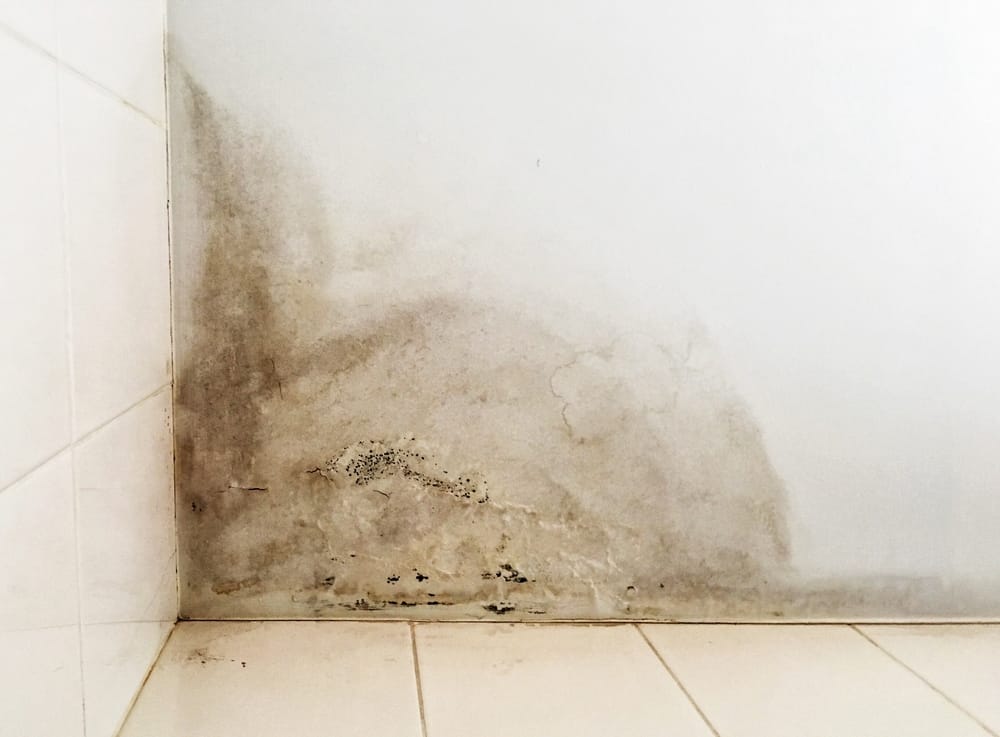
You stop second-guessing the air in your own home. No more musty smell coming from the basement after a rainstorm, no more wondering if that dark patch behind the drywall is something serious. When mold removal is done right — with containment, lab testing, and post-remediation clearance — you get documented proof that it’s gone, not just someone’s word for it.
Elmont’s housing stock is mostly post-war construction — Cape Cods, ranches, and split-levels built between the 1940s and 1960s, before vapor barriers and modern ventilation were standard. These homes hold moisture in ways newer construction doesn’t. Basements seep during heavy rain on Elmont Road and Fallon Avenue. Attics trap summer humidity against old roof sheathing. The mold that grows in those spaces doesn’t announce itself — it builds quietly until you smell it, see it, or discover it during a renovation.
Getting ahead of it protects your family’s health and your home’s value. In Nassau County’s real estate market, an unresolved mold problem can drop a home’s value by 20% or more — and roughly half of buyers walk away entirely when mold comes up in an inspection. Handling it now, with the right documentation, keeps your investment intact and your household breathing clean.
We’ve been working in Nassau County for over three decades, which means we’ve been inside the same Cape Cods and ranches that line the streets of Elmont long before mold remediation became a buzzword. We know how these homes were built, where they fail, and what it actually takes to fix the problem — not just treat the surface.
Every technician who comes to your door holds IICRC certification. Not just our company name on the license — every individual on the crew. That standard is non-negotiable for us, and in a market where a lot of companies certify the brand but send uncertified workers to do the actual job, it’s a real distinction worth asking about.
We’re also fully licensed under New York State’s Article 32 mold law, which requires separate licensing for assessment and remediation. We handle both sides legally and correctly — and we’ll walk you through what that means for your specific situation before any work begins.
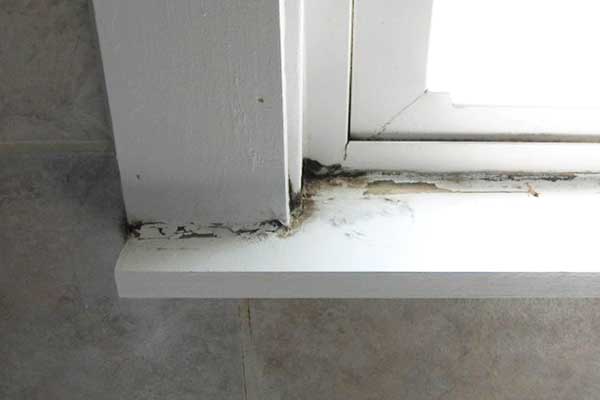
It starts with a thorough inspection — not a visual walkthrough, but a certified technician assessment that includes air sampling, surface swab sampling, moisture level readings, and boroscopic examination of wall cavities when needed. In Elmont’s older homes, that last step matters more than most people expect. Mold hides inside walls that look perfectly fine from the outside, especially in homes that have experienced basement seepage or attic condensation over many years.
Once the scope is confirmed, all samples go to an independent lab with chain-of-custody documentation — the same standard used in legal proceedings. Results come back within two to three business days. From there, the remediation plan is built around what the testing actually found, not a generic package. Under New York State Article 32, the assessment and remediation must be handled as separate processes — we’re structured and licensed to comply with that law, which protects you as the homeowner.
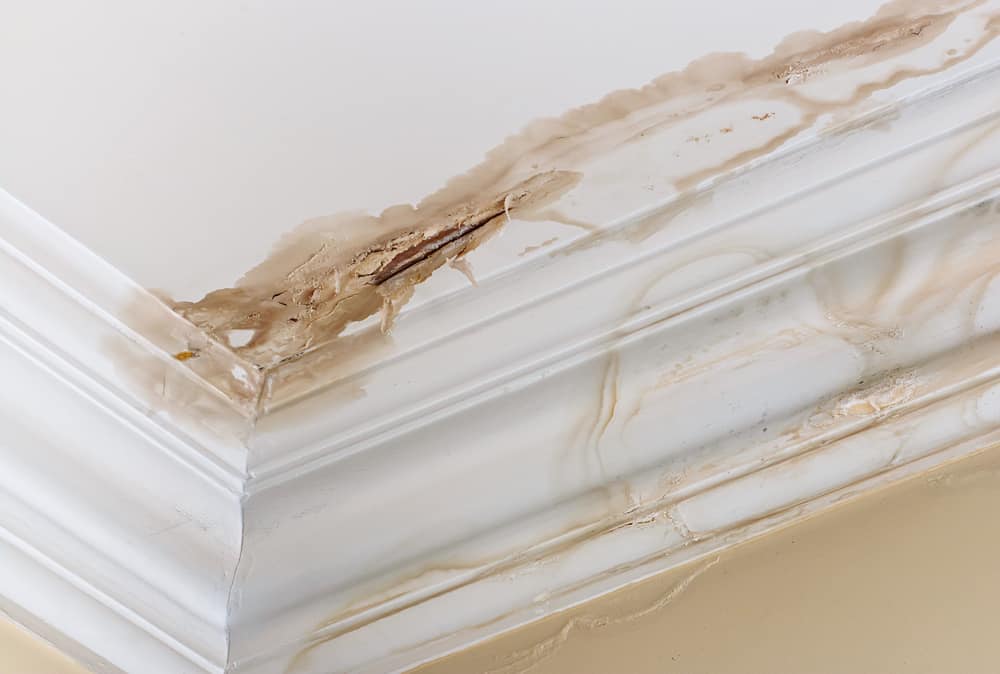
Remediation includes full containment of the affected area, HEPA vacuuming, antimicrobial treatment, and removal of compromised materials when necessary. If the water damage that caused the mold is still present — a leaking pipe, a foundation seep, inadequate attic ventilation — that gets addressed too. The job isn’t finished until post-remediation clearance testing confirms the space is clean, and you have the lab documentation to prove it.
Ready to get started?
Basement mold removal in Elmont, NY is one of our most common calls — and for good reason. Elmont’s flat topography and dense residential development mean stormwater has limited places to go during heavy rain events. When it backs up, it finds its way into basements through block foundations and poured concrete walls that were never designed with modern waterproofing in mind. The August 2024 storm that brought over ten inches of rain to Long Island in a single day caused confirmed flooding on Fallon Avenue and along the Cross Island Parkway corridor — and water intrusion like that is exactly where mold problems start.
Attic mold removal in Elmont, NY follows a different pattern. Summer heat and coastal humidity accumulate in poorly ventilated attic spaces, and the condensation that forms against old roof sheathing creates ideal conditions for mold growth that most homeowners never see until they’re selling the house or opening up the ceiling for a renovation. Our attic remediation includes full containment, HEPA vacuuming, antimicrobial treatment, and a look at the ventilation issue that allowed it to develop in the first place.
Beyond residential work, we handle commercial mold removal in Elmont, NY as well — from businesses along Hempstead Turnpike to facilities near the UBS Arena district. The process is the same: lab-confirmed assessment, licensed remediation, and documented clearance. And for homeowners navigating insurance claims after storm damage, our $500 deductible coverage program reduces your out-of-pocket cost in a way no other local competitor currently offers.
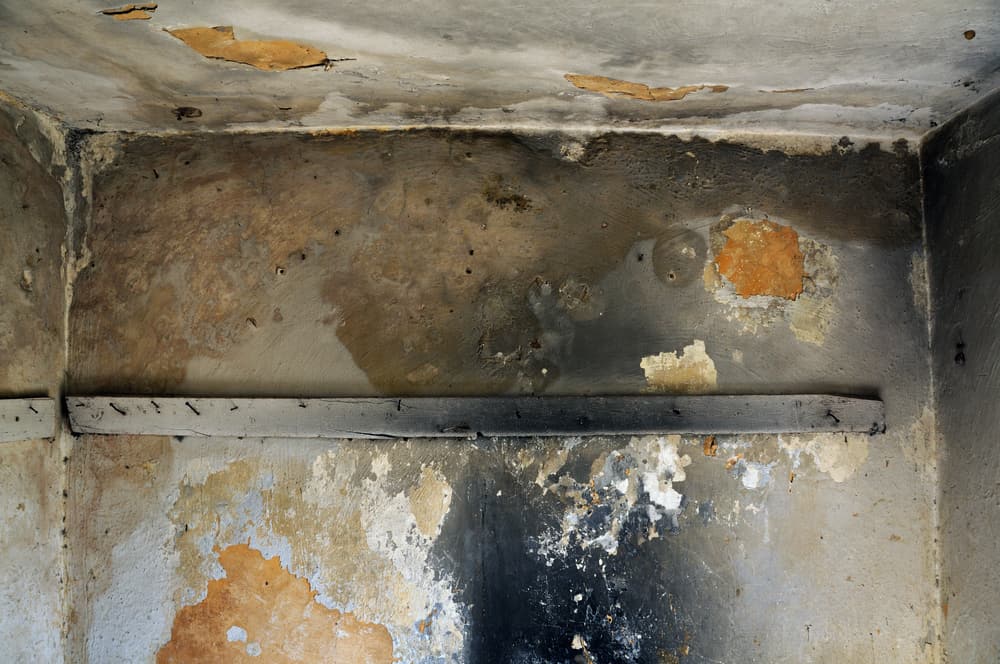
Mold can begin colonizing within 24 to 48 hours of water intrusion — sometimes faster in warm, humid conditions. Elmont’s summer months bring exactly that combination: coastal humidity, elevated temperatures, and older basement spaces that don’t dry out quickly on their own. If your basement took on water during a storm and you’re noticing a musty smell a few days later, that’s not coincidence — that’s mold establishing itself.
The critical window is the first 24 to 48 hours. Getting water extracted and the space dried down quickly is the single most effective thing you can do to prevent mold from taking hold. If that window has already passed, the next step is a proper inspection — air sampling and moisture readings — to understand what you’re actually dealing with before remediation begins. Acting on a guess without testing first often leads to incomplete remediation and a problem that comes back.
It depends on the cause. Most standard homeowners insurance policies in Nassau County will cover mold remediation if the mold resulted directly from a covered event — a burst pipe, storm-related flooding that’s covered under your policy, or sudden water damage. What they typically don’t cover is mold that developed from long-term neglect, chronic moisture problems, or gradual seepage that went unaddressed over time.
The documentation you submit with your claim makes a significant difference in how that claim gets resolved. Insurance adjusters look for clear evidence of the cause, the extent of damage, and the remediation scope. Our chain-of-custody lab documentation and detailed inspection reporting are built to satisfy that standard. Our $500 deductible coverage program also offsets your out-of-pocket cost — which matters in Nassau County, where insurance deductibles tend to run high and storm-related claims are increasingly common after events like the August 2024 flooding.
The most common signs are a persistent musty or earthy smell in the upper floors of your home, dark staining on roof sheathing or rafters when you look into the attic space, and unexplained allergy or respiratory symptoms that seem worse indoors. In Elmont’s post-war Cape Cods and ranches, attic ventilation was often minimal by today’s standards — which means heat and moisture accumulate in those spaces during Long Island’s humid summers and create conditions where mold grows steadily without anyone noticing.
Crawl spaces show similar signs — visible dark growth on floor joists, a damp or musty smell rising into the living area, and moisture readings above 60% relative humidity when tested. Because both spaces are out of sight, mold can develop for months or years before it’s discovered. If your home is more than 40 years old and you’ve never had the attic or crawl space professionally inspected, a baseline inspection is worth doing — especially before listing the home for sale or starting a renovation that opens those areas up.
No — and this is one of the most important things to understand before you hire anyone. Under New York State Article 32, which took effect in January 2016, mold assessment and mold remediation must be performed by separately licensed contractors. The same company or individual cannot legally conduct both the testing and the remediation on the same property. This law exists specifically to protect homeowners from being assessed by the same party that profits from the remediation — a clear conflict of interest.
In practice, this means you should be cautious of any company that offers to test your home and then immediately sell you a remediation package in the same conversation. We’re structured and licensed to comply with Article 32 — we hold separate licensing for each function and handle the process in the legally required sequence. If you’re getting quotes from multiple companies in Nassau County, ask each one directly whether they’re licensed under Article 32 and how they handle the separation between assessment and remediation. The answer tells you a lot about how they operate.
Most residential mold removal jobs run between $10 and $25 per square foot, with the average project landing around $2,300. That said, the actual cost depends on where the mold is, how extensive the growth is, and what caused it. Attic and basement remediation in Elmont’s older homes tends to run toward the higher end of that range — $15 to $30 per square foot — because access is more difficult and the affected materials often require more intensive treatment or removal.
What affects the final number most is scope. A small bathroom mold issue caught early is a very different job than a basement that took on water during a major storm and sat wet for several days before anyone called. The inspection phase is what determines that scope accurately — and skipping it or relying on a visual estimate is how homeowners end up with incomplete remediation that has to be redone. We provide a clear, documented scope of work before any remediation begins, so you know exactly what you’re paying for and why. Our $500 deductible assistance program can also reduce your out-of-pocket cost if you’re filing an insurance claim.
It can — but only if the underlying moisture source wasn’t addressed. Mold remediation removes the existing growth and treats the affected surfaces. What it can’t do on its own is stop future mold if the conditions that created it are still present. In Elmont, that usually means one of a few things: a basement that still seeps during heavy rain, an attic that still lacks adequate ventilation, or a crawl space that still pulls ground moisture through an unsealed floor.
This is exactly why we address the water damage and moisture source as part of the remediation process — not as a separate upsell. If your attic developed mold because of poor ventilation, that ventilation issue gets corrected. If your basement mold came from storm seepage, the source is identified and documented so you can address it structurally. Post-remediation clearance testing then confirms the space is clean before the job is considered complete. The result is remediation that actually holds — not a surface treatment that buys you six months before the smell comes back.
Useful Links
Other Services we provide in Elmont