
Hear from Our Customers
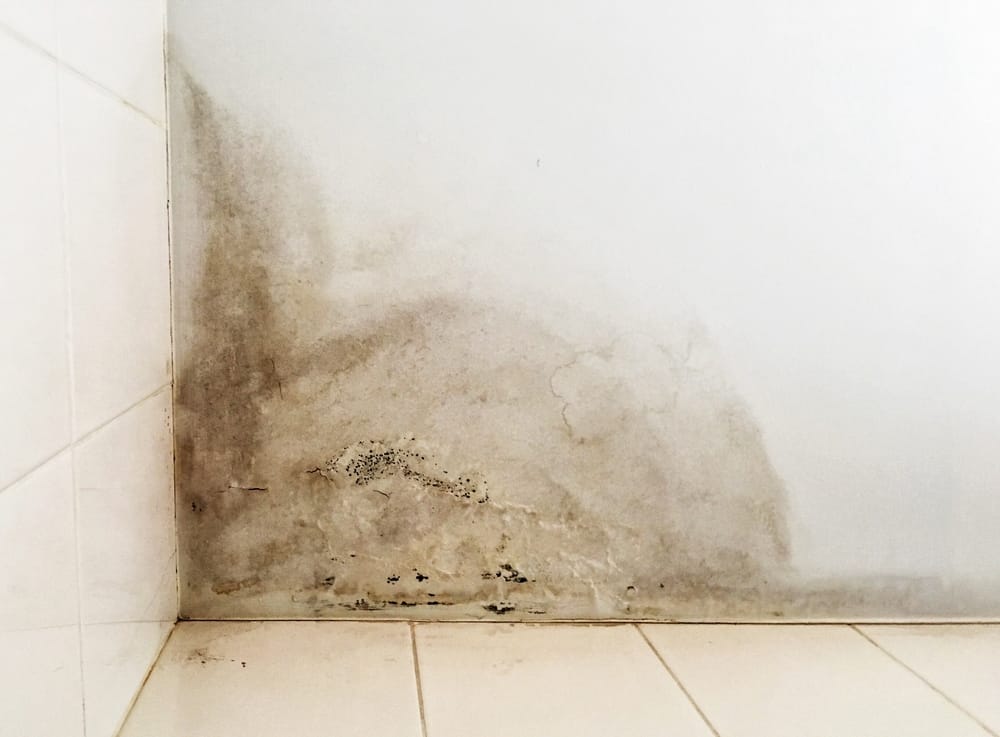
Most mold problems in Farmingdale don’t start with neglect — they start with a basement that’s been slowly losing the fight against groundwater, aging drainage, and Long Island’s humidity. The houses built in the late 1940s and 1950s that line the streets off Main Street and through South Farmingdale were not designed with today’s moisture loads in mind. Concrete block walls, minimal vapor barriers, older drainage systems — when those conditions meet a wet spring or a nor’easter, mold can be growing within 48 hours of the first water intrusion.
When the job is done right, you’re not just looking at a cleaner basement. You’re looking at documented, lab-confirmed proof that the air your family is breathing meets safe levels — the kind of documentation that holds up with your insurance adjuster, your real estate attorney, and your own peace of mind. That matters even more when your home is worth over half a million dollars and you’re protecting equity you’ve spent decades building.
The other outcome that rarely gets mentioned: the underlying problem gets fixed too. Mold removal without addressing the moisture source is just a temporary fix. When the water intrusion, the drainage issue, or the ventilation gap is corrected in the same engagement, the mold doesn’t come back. That’s the difference between a real solution and a six-month delay.
We’ve been handling mold remediation, water damage, and restoration work across Nassau and Suffolk Counties for over 31 years. Our base in West Babylon puts us directly adjacent to the Farmingdale and East Farmingdale corridor, which means your call reaches us without routing through a national franchise system from across the island.
Every technician we dispatch to your Farmingdale home is IICRC-certified. Not just the crew lead. Not just ownership. Every single person who walks through your door. That’s our company standard, not a marketing claim. And because New York State law requires separate licensing for mold assessment and mold remediation — a rule some operators quietly ignore — you’ll find that we’re fully licensed and operate in full compliance with New York State Department of Labor requirements.
If you’ve dealt with a franchise that felt generic, or a company that removed the mold and left the moisture problem behind, this is a different experience. Local knowledge, real certifications, and a process that ends with lab results — not just a handshake.
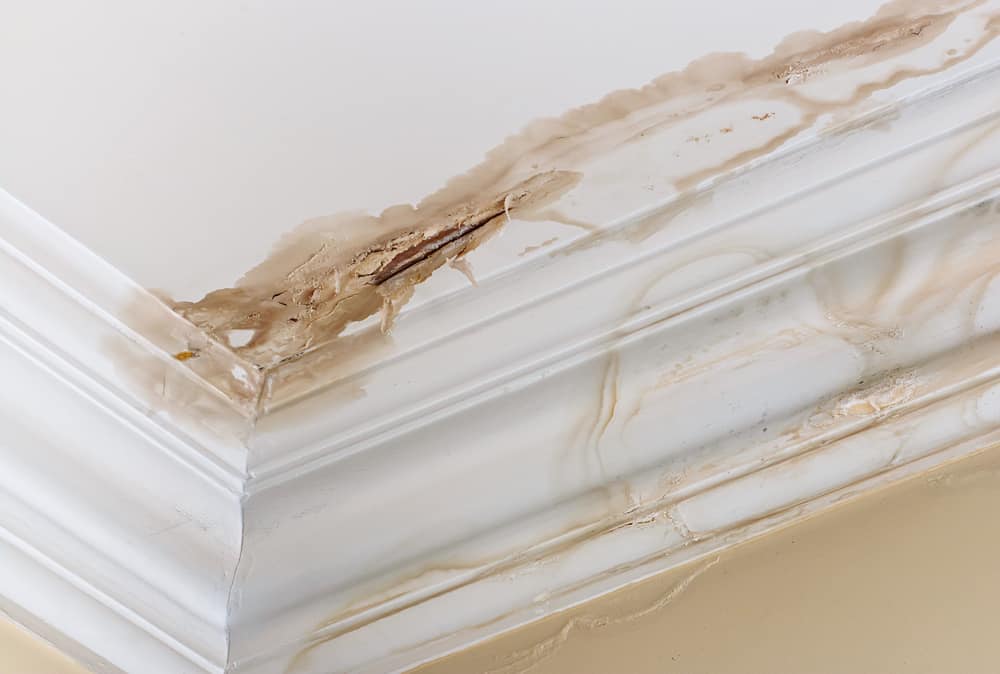
It starts with a 5-point inspection. That means air sampling, surface swab sampling, non-invasive moisture level measurement, water intrusion point identification, and boroscopic wall cavity examination — looking inside walls without tearing them apart. In Farmingdale’s older housing stock, mold frequently hides inside wall cavities and behind insulation long before it’s visible. The inspection finds it.
From there, a clear scope of work is established before anything starts. You know what’s being done, why, and what it costs. Remediation follows the IICRC S520 standard — the same updated 2024 protocol that most companies in this market haven’t caught up to yet. Containment is set, affected materials are removed and disposed of properly, and the space is treated and dried. Because many Farmingdale mold cases originate with water damage — basement flooding from Massapequa Creek drainage events, roof leaks after a storm, or plumbing failures in older pipe systems — we also handle the water damage restoration side, so you’re not managing two separate contractors.
Once remediation is complete, post-remediation clearance testing is conducted using the same lab analysis as the initial inspection. Results come back within 2 to 3 business days with chain-of-custody documentation. If the lab doesn’t confirm safe levels, the job isn’t finished. That’s our standard — and it’s non-negotiable.
Ready to get started?
Our scope of work covers the full picture — inspection, remediation, water damage restoration, and post-remediation clearance testing with lab-confirmed results. Whether it’s black mold cleanup in a basement off Conklin Street, attic mold from a ventilation issue in a South Farmingdale colonial, crawl space remediation in an older home near the Village Green, or a commercial property along the Route 110 corridor in East Farmingdale — the same certified process applies across every job type.
One thing worth knowing before you call anyone: under New York State law, the same company cannot legally perform both the mold assessment and the mold remediation on the same property. It’s a consumer protection law that exists for good reason, and it’s one that some operators in this market don’t follow. We operate in full compliance — which means if you need an independent assessment first, that process is handled correctly and legally.
For homeowners dealing with an insurance claim, the chain-of-custody lab documentation we provide is formatted to meet insurance adjuster and legal evidence standards. And for those managing out-of-pocket costs, we offer a deductible coverage program that provides up to $500 toward your deductible on water, fire, or mold-related claims — something no other identified mold removal company serving Farmingdale currently offers.
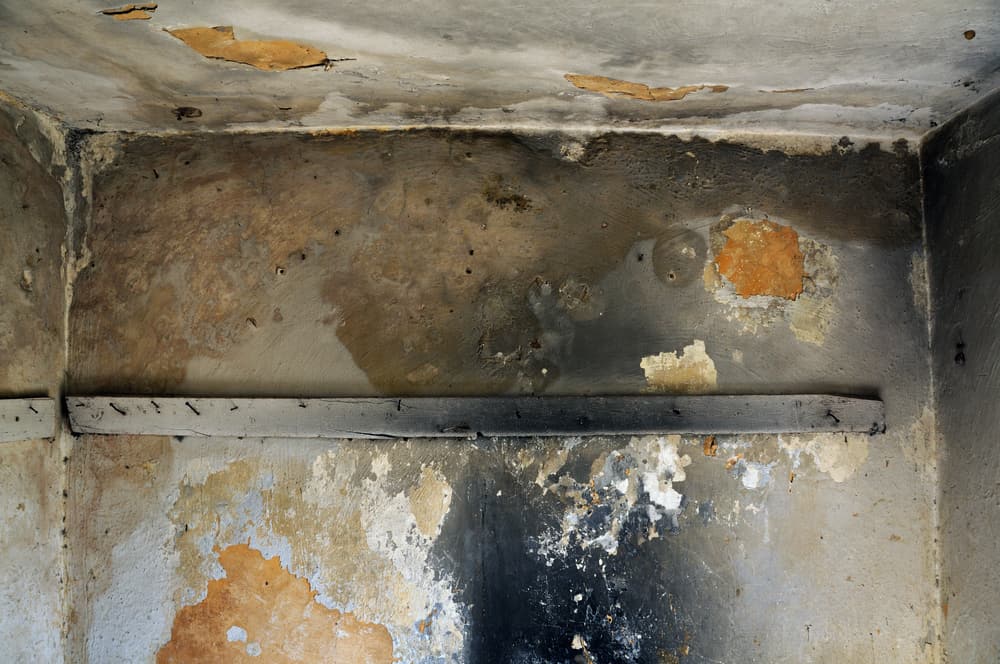
If you can see discoloration spreading across a basement wall, smell something musty in a room that stays closed, or recently dealt with water intrusion — from a flooded basement, a roof leak, or even a slow pipe drip — there’s a real chance mold is already growing. In Farmingdale’s post-war homes, the issue is often inside the wall cavity or behind insulation, where you can’t see it from the surface. A 5-point inspection that includes air sampling and boroscopic wall cavity examination will tell you definitively what you’re dealing with.
The threshold for professional intervention is lower than most people think. Mold can begin growing within 24 to 48 hours of water intrusion, and surface-level cleaning with store-bought products doesn’t address what’s behind the drywall or under the subfloor. If your Farmingdale basement flooded during a spring nor’easter or you’ve had any standing water in the past few weeks, getting an inspection done quickly is the right call — not because it’s an emergency sales tactic, but because the window to prevent spread is genuinely short.
The honest range for professional mold remediation is wide — roughly $500 on the low end for a small, contained bathroom situation, up to $6,000 or more for a full basement or attic remediation in a larger post-war home. The national average lands around $2,300. What drives the cost up is the size of the affected area, the location (attic and crawl space work is more labor-intensive than open basement walls), the extent of structural material that needs to be removed, and whether water damage restoration is also required.
In Farmingdale specifically, basement and attic mold jobs tend to be the most common — and those can vary significantly depending on the age of the home and how long the moisture issue has been present. A home that had one basement flood last spring is a very different job than one that’s had recurring seepage for five years. Getting a proper inspection before any work starts is the only way to get an accurate number. We also offer up to $500 toward your insurance deductible for covered claims, which can meaningfully offset your out-of-pocket cost.
Black mold — specifically Stachybotrys chartarum — is the variety most people are worried about when they see dark discoloration, and the concern is legitimate. It produces mycotoxins that can cause respiratory issues, headaches, and chronic symptoms, particularly in children, the elderly, and anyone with asthma or a compromised immune system. Nationwide, about 4.6 million asthma cases are directly linked to dampness and mold exposure in the home.
That said, not all dark mold is Stachybotrys, and not all mold that looks minor is harmless. The only way to know what you’re dealing with is lab analysis — air sampling and surface swabs that go to an accredited lab and come back with a species identification. In Farmingdale’s basement-heavy housing stock, where moisture intrusion is common and wall cavities can trap growth for months before it’s visible, assuming it’s minor is the riskier move. If you see it or smell it, get it tested before drawing conclusions in either direction.
It depends on the scope of the job and where the mold is located. For a contained remediation in a basement or crawl space with proper containment barriers in place, many homeowners stay in the home — particularly if the affected area can be fully isolated from the living space. For larger jobs involving attic remediation, multiple rooms, or significant structural material removal, temporary relocation for the duration of active work is often the safer and more practical choice.
We’ll give you a clear, honest answer on this before work begins — not a blanket policy that applies to every job regardless of size. The scope of work document you receive before anything starts will include this guidance specifically. If you have children or family members with respiratory conditions, that factors into the recommendation too. Farmingdale homes vary widely in layout and age, and the right answer for a 1,200-square-foot cape on a side street off Main Street is different from a larger split-level in South Farmingdale with a finished basement.
Yes — if the underlying moisture source isn’t addressed, mold will return. This is the most common reason people end up calling a second company six months after the first job. Removing visible mold without correcting the water intrusion point, the drainage issue, or the ventilation gap that caused it in the first place is treating a symptom, not the problem.
In Farmingdale, the most common recurring sources are basement seepage from aging drainage systems, inadequate attic ventilation in post-war construction that causes condensation on roof decking during winter months, and plumbing slow leaks inside wall cavities. We handle both sides — the mold remediation and the water damage restoration — in a single engagement. Post-remediation clearance testing with lab confirmation is also part of our process, which means you have documented proof the remediation was successful, not just a verbal assurance. If the lab results don’t confirm safe levels, the work continues until they do.
Yes, and it’s a significant part of what makes the process easier for homeowners navigating a claim. Many mold jobs in Farmingdale follow a covered water damage event — a basement flood from storm drainage, a burst pipe, or roof damage after a nor’easter. In those cases, the mold remediation may be part of a broader insurance claim, and having documentation that meets adjuster and legal evidence standards matters.
We provide chain-of-custody lab documentation from both the initial inspection and the post-remediation clearance testing. That format is specifically structured to meet insurance adjuster requirements and legal evidence standards — not just an informal report. We also offer up to $500 toward your out-of-pocket deductible for covered water, fire, or mold-related claims. For Farmingdale homeowners protecting a home at or above the current median value of around $542,000, having a remediation company that knows how to document damage correctly — and helps reduce your out-of-pocket costs — makes a real difference in how the claim process goes.
Useful Links
Other Services we provide in Farmingdale