
Hear from Our Customers
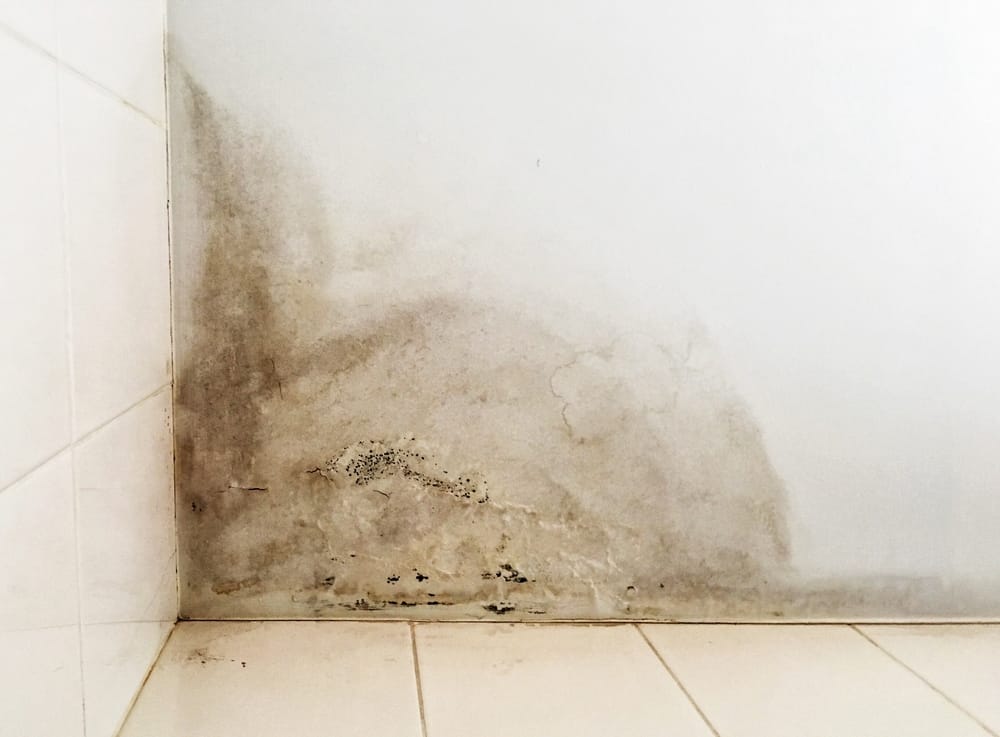
Mold doesn’t just look bad — it affects how your home smells, how your family breathes, and what your property is worth when it’s time to sell. In Lawrence, where homes regularly trade hands at seven figures, a mold problem that isn’t fully resolved doesn’t stay quiet. It shows up on inspection reports, it derails closings, and it follows a disclosure all the way to the negotiating table.
Lawrence’s position along Reynolds Channel means your home is dealing with more ambient moisture year-round than most Nassau County communities further inland. That persistent humidity — combined with older housing stock, finished basements, and complex rooflines — creates the exact conditions where mold takes hold in places you can’t see: inside wall cavities, beneath flooring, behind bathroom tile, in attic spaces that haven’t been properly ventilated in decades.
When remediation is done right, the difference is measurable. Air quality improves. The musty smell that you’d started to think was just “the basement” disappears. And you have a documented clearance report — actual lab results — that tells your insurance company, your real estate attorney, and your family that the problem is resolved. Not managed. Resolved.
We’ve been serving Long Island for over three decades. That means we were working South Shore homes long before Hurricane Sandy pushed Reynolds Channel water into Five Towns basements, and long before mold remediation became something every homeowner in Lawrence had to think about. We’re not a national franchise routing your call to a subcontractor. We’re a Long Island company that knows what post-flooding mold looks like in a fieldstone foundation basement near Meadow Lane.
Every technician who walks into your home is IICRC-certified — not just the crew lead, not just the person who did the estimate, but every person on the job. That’s a blanket commitment most competitors in this market can’t honestly make. We’re also fully licensed under New York State Department of Labor mold requirements, fully insured, and equipped to handle both the water damage and the mold in a single, coordinated process — so you’re not managing two contractors while your home sits wet.
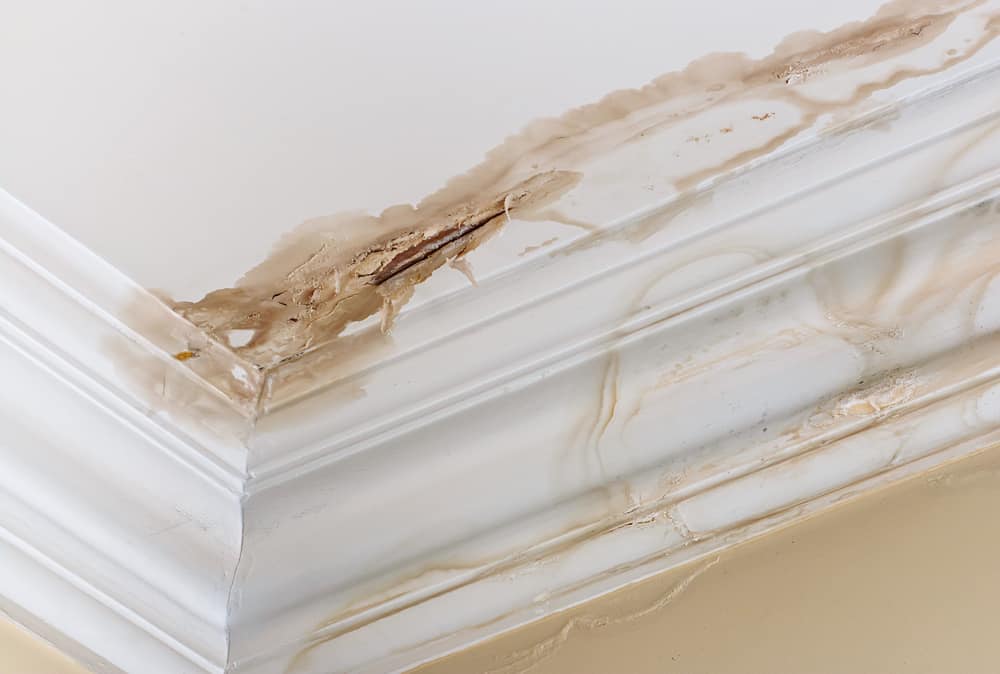
It starts with a 5-point inspection — not a visual walkthrough, but a thorough assessment that includes boroscopic wall cavity examination, air and surface sampling, moisture measurement, and identification of the water intrusion point that started the problem. Air and surface samples go to an independent lab with results returned in 2 to 3 business days, along with a chain-of-custody document that meets legal evidence standards. In a FEMA flood zone AE community like Lawrence, that documentation isn’t a formality — it’s what your insurance adjuster and your real estate attorney will ask for.
Once the scope is confirmed, containment goes up to prevent spores from spreading to unaffected areas of your home. Affected materials are removed and disposed of properly. The remediated area is treated and dried to manufacturer-specified moisture levels — not just “dry enough.” This matters in Lawrence’s coastal humidity environment, where surfaces that feel dry to the touch can still hold enough residual moisture to allow mold to return within weeks.
It’s worth knowing that New York State law prohibits the same company from performing both mold assessment and mold remediation on the same property. We follow this law and will clearly explain what that means for your specific situation before any work begins. After remediation is complete, clearance testing is performed using the same lab process as the initial inspection. You get a written, lab-confirmed clearance report — not a verbal assurance, not a handshake. Proof.
Ready to get started?
Mold in Lawrence homes shows up in predictable places — and some that catch homeowners completely off guard. Basements and crawl spaces are the most common call, especially in older homes with concrete block or fieldstone foundations that allow moisture in from the ground and from storm surge events near the Meadow Lane and Rock Hall Road corridors. Bathroom mold removal is frequent in homes where ventilation hasn’t kept pace with the South Shore’s summer humidity. Attic mold removal is often discovered during pre-sale inspections — it builds silently in under-ventilated attic spaces for months before anyone knows it’s there.
We handle all of it. Residential mold removal, commercial mold removal, toxic mold cleanup, crawl space mold removal — the same certified team, the same documented process, the same clearance standard regardless of where the mold is or how it got there. For Lawrence homeowners navigating an insurance claim after a flooding event, our deductible coverage program offers up to $500 toward your out-of-pocket deductible — a benefit no other named competitor in the Five Towns market currently offers.
Because water damage is almost always what starts a mold problem in this area, our full-service restoration capability matters. Water extraction, structural drying, mold remediation, and post-remediation clearance testing — handled by one company, start to finish. That’s not a convenience feature. In a coastal community like Lawrence where mold can begin growing within 24 to 48 hours of water exposure, it’s the difference between a contained problem and a whole-house remediation.
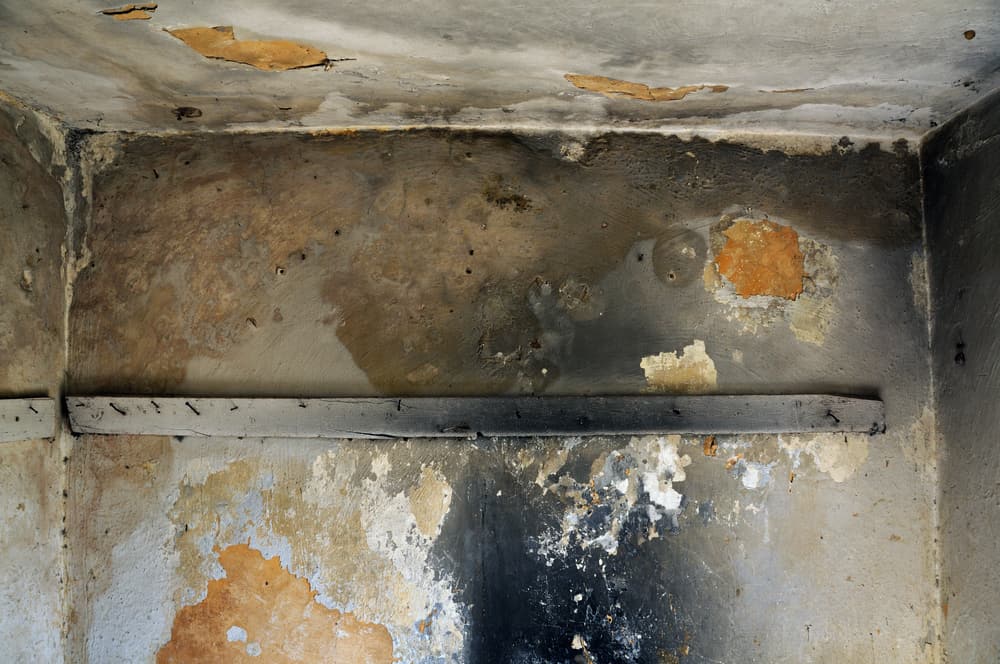
Mold can begin colonizing within 24 to 48 hours of water exposure — and in Lawrence, that window matters more than almost anywhere else in Nassau County. The village sits in FEMA flood zone AE, which means flooding from Reynolds Channel storm surge, heavy rain events on Rockaway Turnpike, or backed-up drainage along Meadow Lane isn’t a rare scenario. It’s a documented, recurring local reality.
When water enters your home — whether from a nor’easter, a pipe failure, or foundation seepage — the clock starts immediately. The longer the moisture sits, the deeper it penetrates into wall cavities, subfloor materials, and insulation. By the time you can smell it, it has likely been growing for days. Calling a restoration company that handles both water removal and mold remediation in one coordinated response is the fastest way to interrupt that timeline before the problem compounds.
It depends on the cause — and the documentation. Most standard homeowners insurance policies will cover mold remediation if the mold resulted directly from a covered water damage event, such as a burst pipe or storm-related flooding. For Lawrence homeowners in FEMA flood zone AE who carry separate flood insurance, storm surge damage that leads to mold is typically a covered scenario — but the claim requires documentation that ties the mold to the flooding event.
That’s where the chain-of-custody lab report matters. Insurance adjusters want to see dated air and surface sampling results, a written scope of work, and a clearance report confirming the remediation was completed. A verbal assurance from a contractor doesn’t move a claim forward. Proper documentation does. Our inspection process produces exactly that paperwork — which is one reason Lawrence homeowners navigating post-storm claims find the process significantly smoother when remediation is handled by a company that understands what insurers actually need.
This is one of the most important things Lawrence homeowners need to understand before hiring anyone. New York State law prohibits the same licensed company from performing both mold assessment — which includes testing and inspection — and mold remediation on the same property. This is a consumer protection law, and it exists to prevent conflicts of interest. A company that offers to do both on the same job is violating state law, whether they know it or not.
In practice, this means you’ll work with an independent assessor or inspector for the testing phase, and a separate licensed remediation contractor for the actual removal work. We’re licensed for remediation under New York State Department of Labor requirements and will walk you through exactly how this process works before anything begins. If you’re not sure what phase you’re in or what you need next, a quick conversation with our team will clarify it — no pressure, no upsell.
Mold removal cost in Lawrence depends on where the mold is, how extensive the growth is, and what materials need to be removed. Nationally, remediation averages around $2,300, with a typical range of $373 to $7,000 for most residential jobs. Attic and crawl space remediation — two of the most common scenarios in Lawrence’s older housing stock — generally runs $15 to $30 per square foot depending on the scope.
For Lawrence homeowners, the more relevant cost question is often what it costs not to address it properly. A mold problem that isn’t fully remediated and documented can reduce a home’s resale value by 20 to 37 percent — and in a market where Lawrence homes regularly sell for $700,000 to well over $2 million, that’s not an abstract number. Getting it done right the first time, with lab-confirmed clearance, is the financially sound decision. We also offer up to $500 toward your insurance deductible for qualifying claims, which reduces your immediate out-of-pocket cost at the point when you’re already managing storm damage and insurance paperwork.
Yes — if the underlying moisture source isn’t addressed, mold will return. This is the most common reason homeowners in the Five Towns call for a second remediation after a previous company already “took care of it.” The mold was removed, but the water intrusion point — a foundation crack, a failing roof valley, a slow pipe leak, inadequate attic ventilation — was never fixed. So the moisture came back, and so did the mold.
Lawrence’s coastal environment makes this especially relevant. Homes near Reynolds Channel deal with higher ambient humidity year-round, and properties in low-lying areas like the Meadow Lane corridor face recurring exposure to storm-related moisture. A remediation that doesn’t identify and address the root cause is incomplete by definition. Our 5-point inspection is specifically designed to locate the water intrusion point — not just the mold it caused — so the fix addresses the actual problem, not just the visible symptom.
Attic mold is one of the most frequently overlooked problems in Lawrence’s housing stock — and one of the most common surprises during pre-sale inspections. Older homes throughout the Five Towns area, including Lawrence, often have attic spaces with inadequate ventilation. Warm, humid interior air rises into the attic, meets the cold roof decking in winter, and creates the condensation that feeds mold growth. It can build for months without any visible sign from the living areas below.
Lawrence’s South Shore humidity compounds this. During summer months, relative humidity frequently exceeds 70 to 80 percent outdoors — and in an under-ventilated attic, it can climb higher. The mold that develops in these conditions is typically discovered when a buyer’s home inspector flags it during a real estate transaction, often derailing a sale or triggering a significant price renegotiation. Our inspection process includes boroscopic wall cavity examination and attic assessment, which means problems like this get identified early — before they become a closing-day crisis on a high-value Lawrence property.
Useful Links
Other Services we provide in Lawrence