
Hear from Our Customers
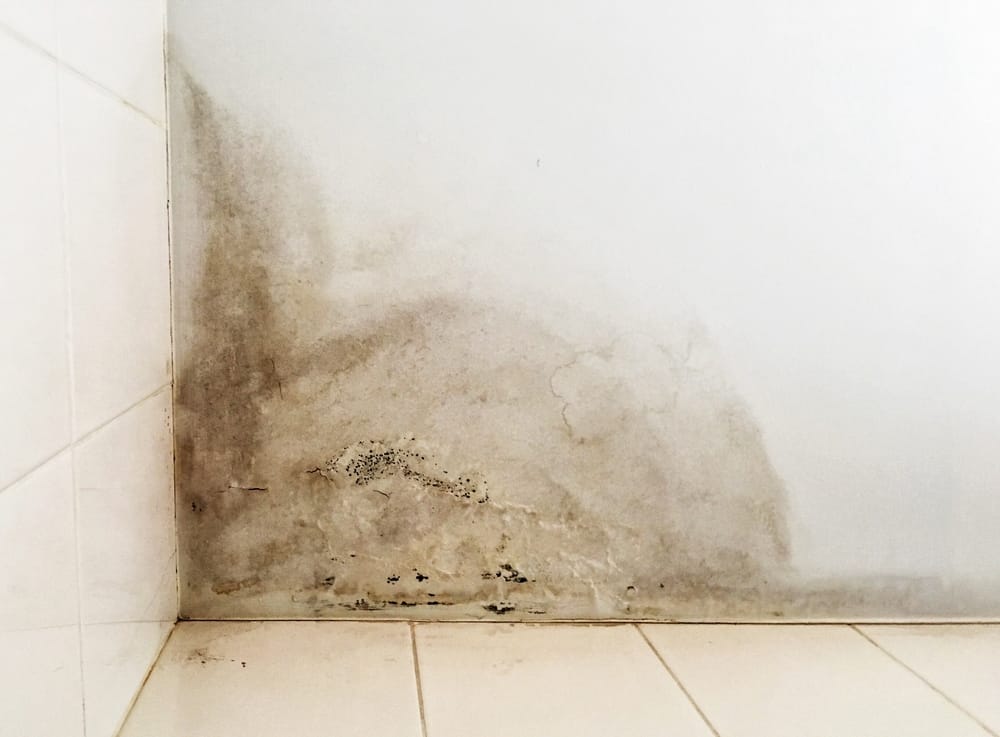
Most mold problems in Farmingville don’t start with a dramatic flood. They start quietly — a basement that smells a little off every spring, an attic that seems fine until you actually go up there, a bathroom ceiling that keeps discoloring no matter what you do. By the time it’s visible, it’s already been growing for a while.
What changes after a proper remediation isn’t just the smell or the stain. It’s the air quality. It’s sleeping without wondering what your family is breathing. It’s not dreading the next home inspection because you know the problem was handled correctly, with documentation to prove it.
Farmingville’s housing stock is aging — most homes here were built in the 1950s and 1960s, long before modern vapor barriers, drainage standards, or attic ventilation requirements existed. That era of construction has specific vulnerabilities: crawl spaces open to ground moisture, attic insulation that holds humidity, and basements that were poured when the water table was artificially low from a drought — and have been fighting rising groundwater ever since. Getting mold out of a Farmingville home like that takes more than a surface spray. It takes someone who understands why it’s there in the first place.
We’ve been removing mold from Long Island homes since before most of our competitors were in business. That’s not a boast — it’s just context. When you’ve been working in communities like Farmingville, Holbrook, Selden, and Centereach for over three decades, you build a different kind of knowledge. We know the housing stock. We know what a 1960s Suffolk County ranch looks like from the inside of its crawl space. We know what the Ronkonkoma Moraine does to basement drainage when the spring thaw hits hard.
Every technician we send to your Farmingville home is IICRC-certified and works under New York State’s Article 32 mold remediation license — which has been required by law since 2016. We’re fully licensed, bonded, and insured. We coordinate directly with your insurance carrier when coverage applies, and we don’t leave until post-remediation clearance testing confirms the job is actually done.
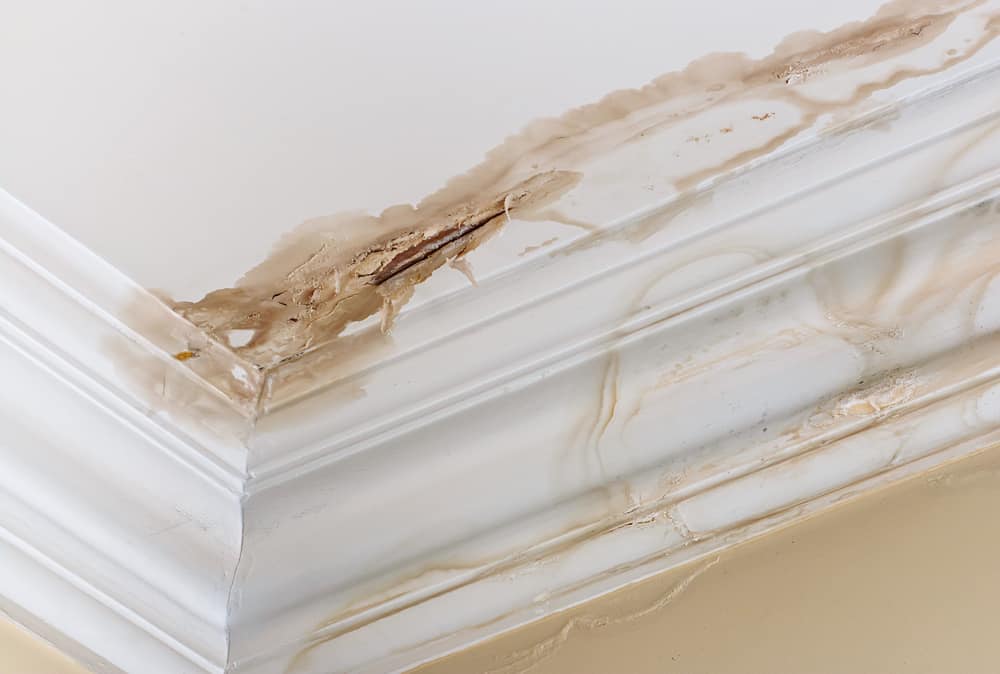
It starts with a thorough inspection — not a visual once-over, but a real assessment using moisture sensors and air quality measurements to find what’s actually happening inside your walls, attic, and crawl space. In Farmingville’s older homes, mold rarely lives in just one place. It follows moisture pathways, and those pathways run through insulation, framing, and drywall that’s been in place for 50 or 60 years.
Once we know the full scope, we contain the affected area using negative air pressure and physical barriers so spores don’t spread to the rest of your home during the work. Then we remove — not coat over, not spray and walk away — the contaminated materials. Drywall, insulation, wood framing, whatever is compromised comes out. Because mold doesn’t die when you cover it. It just waits.
After remediation, your home goes through post-remediation clearance testing. This is third-party verification — an independent air quality measurement that confirms spore levels are back to normal. That report is yours to keep, and it’s exactly what real estate attorneys, lenders, and home inspectors ask for when a Farmingville property changes hands. If any structural repairs are needed — drywall replacement, framing work — we handle that too, coordinating any required permits through the Town of Brookhaven’s building department, which is headquartered right here in Farmingville.
Ready to get started?
Mold removal in Farmingville isn’t a one-size situation. The problems we find in basements are different from what’s happening in attics, and both are different from what grows inside bathroom walls or under crawl space vapor barriers. We handle all of it.
Basement and crawl space mold removal is one of the most common calls we get from Farmingville homeowners. The moraine’s variable soil composition — clay pockets sitting next to sandy gravel — means groundwater pressure against your foundation can be completely different from the house next door. We address the mold and assess the moisture source, because remediation without fixing the entry point is just buying time. Attic mold removal is the other major issue in this area. Farmingville’s cold winters and older attic construction create the exact conditions mold needs: warm air rising from heated living spaces, meeting cold roof sheathing, condensing, and repeating that cycle for months. We physically remove affected sheathing and insulation, correct the ventilation deficiency, and verify air quality before we leave. For bathroom mold, toxic mold cleanup in finished spaces, and commercial mold removal for businesses throughout Farmingville, the process is the same: find it, contain it, remove it, verify it. We also work directly with homeowners navigating insurance claims, handling the documentation and communication so you’re not stuck in the middle.
It depends on the cause. If mold resulted from a sudden, covered water damage event — a burst pipe, a storm-related roof leak, an appliance failure — your homeowners insurance policy may cover the remediation. What most policies won’t cover is mold that developed gradually over time from a slow leak or chronic moisture issue that wasn’t addressed.
The key is documentation. Insurance carriers need to see a clear connection between a covered event and the mold growth. That’s why it matters who you call first. We coordinate directly with insurance companies, document the damage properly from the start, and prepare the reports carriers actually need to process the claim. Farmingville homeowners with homes valued at $500,000 or more can’t afford to have a claim mishandled — and getting the paperwork right from day one makes a real difference in what gets covered.
Mold removal costs in Farmingville typically range from $1,500 to $6,000 for basement remediation and $1,000 to $4,000 for attic work, depending on the size of the affected area and how far the growth has spread into structural materials. Smaller bathroom or surface mold jobs can run lower. Larger projects involving crawl space insulation removal, structural wood remediation, or multiple areas of the home will run higher.
The honest answer is that we can’t give you a final number without seeing the job. What we can tell you is that the estimate you receive before work begins is the price you pay — no upsells, no surprises after the crew arrives. Farmingville’s aging housing stock means some jobs uncover more than the initial inspection suggested, but we communicate that before we proceed, not after. Given that homes in this area are selling at or above $596,000, the cost of professional remediation is a fraction of what an unresolved mold problem does to your property value or a pending sale.
Mold can begin growing on wet building materials within 24 to 72 hours of water intrusion. Drywall, wood framing, and fiberglass insulation are all materials mold colonizes quickly when they stay wet, and those are exactly the materials found in most of Farmingville’s 1950s and 1960s-era basements.
Farmingville is a commuter community. A lot of homeowners are on the Long Island Expressway or the Ronkonkoma LIRR line for 10 to 12 hours a day. If water gets into your basement while you’re gone, by the time you walk through the door, you may already be inside that 72-hour window. That’s why we operate 24 hours a day, seven days a week. When you call, we move — because waiting until Monday morning to deal with a Friday flood means risking a full-scale mold remediation that could have been prevented.
Yes — attic mold is one of the most common issues we find in Farmingville, and it’s almost always tied to the same root cause: inadequate ventilation in homes built before modern building codes required it. When you heat a home in winter, warm, moist air rises. In a well-ventilated attic, that air escapes. In a 1960s ranch or cape with original insulation and limited soffit or ridge venting, it doesn’t — it hits the cold roof sheathing and condenses. Repeat that cycle throughout the heating season and you have sustained moisture on wood surfaces in a dark, undisturbed space. That’s exactly what mold needs.
Farmingville’s position on the Ronkonkoma Moraine means the area experiences pronounced temperature differentials between heated interior spaces and cold exterior surfaces in winter, which makes the condensation problem more acute than it might be in lower-elevation communities. Attic mold removal in these homes requires more than cleaning the visible growth — it requires correcting the ventilation issue that caused it. Otherwise, the mold comes back.
You’ll see both terms used online, sometimes interchangeably, but there’s a meaningful difference in what they imply. Mold removal, in its most literal sense, refers to physically taking mold out of a space. Mold remediation is the broader, more complete process — it includes identifying the moisture source, containing the affected area, removing contaminated materials, treating surfaces, addressing the conditions that allowed growth in the first place, and verifying through post-remediation testing that the work is complete.
The reason this matters is that mold removal without remediation is often just cosmetic. If you spray a moldy basement wall and walk away, the hyphae — the root structure of the mold — are still inside the porous material. The visible growth may be gone, but the colony is not. Under New York State’s Article 32 requirements, licensed mold remediation contractors are held to a defined standard of practice that goes well beyond surface treatment. When we complete a job in Farmingville, you get the clearance test report that proves the air quality in your home is back to normal — not just our word that it looks fine.
Because cleaning visible mold without fixing the moisture source is like mopping up water while the faucet is still running. The mold you see on a basement wall or bathroom ceiling is a symptom. The cause is moisture — and in Farmingville, that moisture has a specific origin that varies house to house depending on where your home sits on the moraine’s variable soil composition.
Some Farmingville homes deal with groundwater pushing through foundation walls because clay-heavy soil beneath the slab holds water and creates hydrostatic pressure. Others have attic condensation from poor ventilation, or crawl space humidity that was never properly addressed when the home was built decades ago. Bleach and surface sprays don’t reach the root structure of mold inside porous materials like drywall or wood framing — and they do nothing about the moisture that invited the mold in the first place. A proper remediation identifies why the moisture is there, removes the compromised materials entirely, and addresses the source so the problem doesn’t return six months later. That’s the work. Anything short of it is just temporary.
Useful Links
Other Services we provide in Farmingville