
Hear from Our Customers
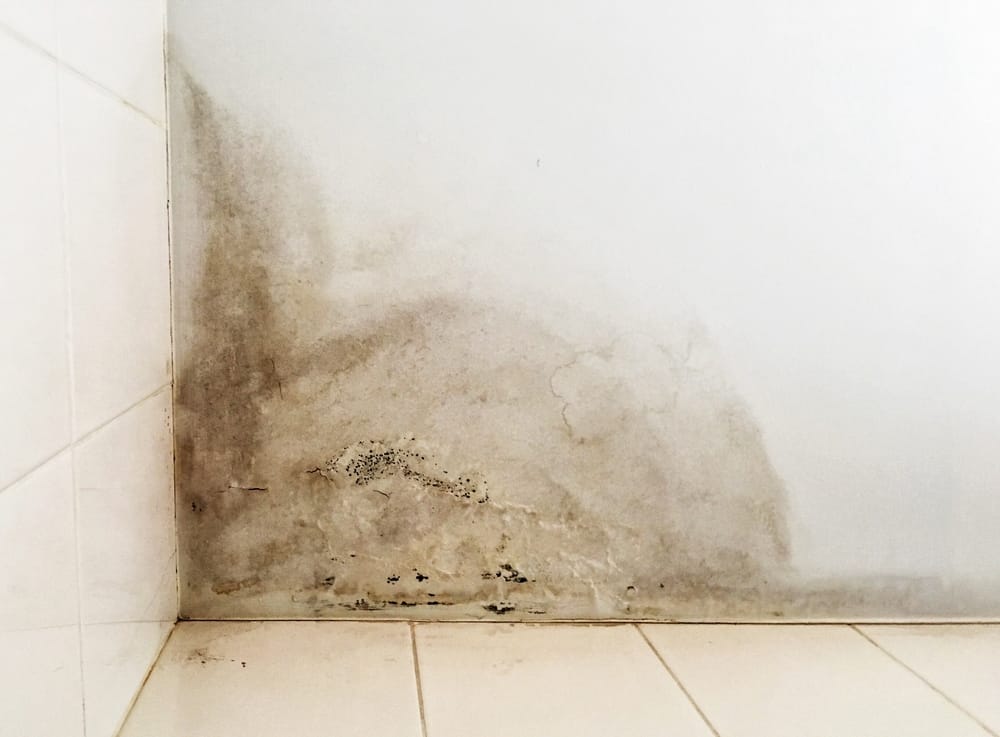
You stop wondering what’s growing behind the drywall. You stop waking up congested and blaming it on allergies. When mold is fully removed — not painted over, not bleached into temporary invisibility — the air in your home or rental actually changes. That’s the difference between a surface treatment and real remediation.
For anyone living near Stony Brook University, the conditions here make mold more likely than most people realize. The campus sits roughly two miles from Long Island Sound, and the humidity that rolls in during summer months doesn’t stay outside. It gets into older walls, under flooring, inside HVAC systems — especially in the aging housing stock surrounding the university, where deferred maintenance and poor ventilation have been ongoing issues for years.
The August 2024 flash flood made all of this worse. Buildings that took on water during that event — and weren’t professionally dried within 72 hours — are prime candidates for active mold growth right now, whether visible or not. Removing it properly means the health risk goes away, the smell goes away, and you’re not dealing with the same problem again in six months. That’s the outcome that matters.
First Response Restoration and Cleaning Inc. has been serving Suffolk County homeowners, renters, and property managers for over 31 years. That kind of track record doesn’t happen by accident — it happens because the work is done right and the people calling us back are proof of it.
We know this area specifically. We know the North Shore’s moisture patterns, the drainage challenges in the Town of Brookhaven, and what happens to older buildings near Stony Brook University when water gets in and doesn’t get out. We’ve worked in the neighborhoods surrounding this university through storms, floods, and the kind of slow-building moisture damage that nobody notices until it’s already a problem. We’ve remediated mold in faculty homes, student rentals off Nicolls Road, and institutional properties across the campus community.
We’re IICRC-certified, fully licensed under New York State Article 32, and bonded and insured on every job. We also work directly with insurance carriers, which takes a significant burden off your plate when you’re already dealing with a mold situation. Our Suffolk County line is 631-587-5300, and we answer it 24 hours a day.
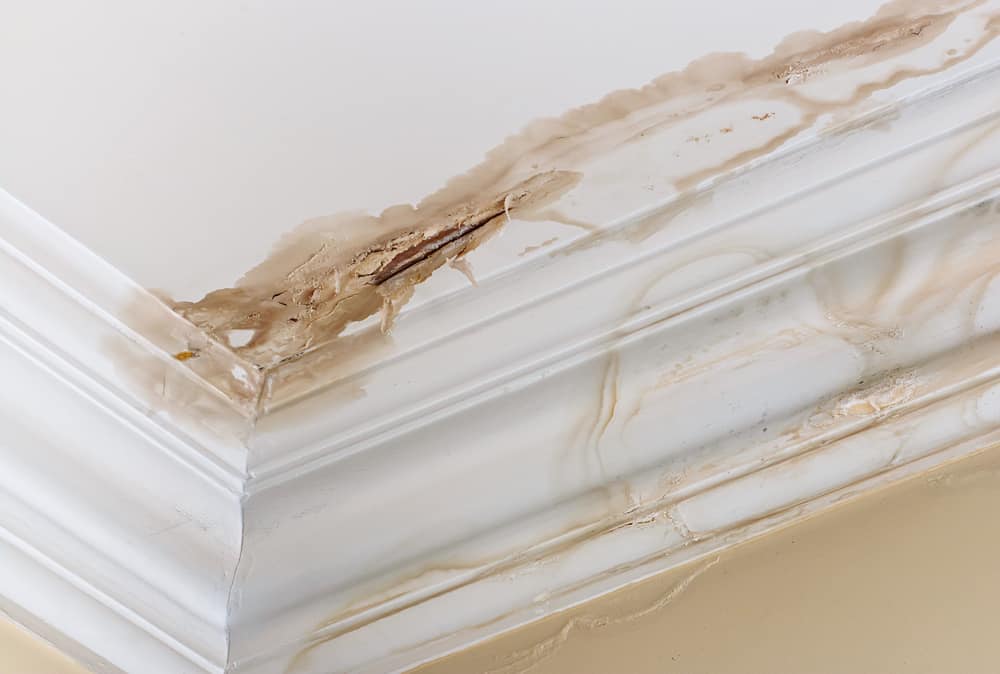
It starts with a thorough inspection. We use moisture meters, particle counters, and air sampling equipment to find mold where it’s actually living — not just where it’s visible. In properties near Stony Brook University, that often means checking inside walls, under flooring, and in HVAC systems that have been managing humid North Shore air for decades. If there’s mold hiding somewhere, we find it before we do anything else.
Once we know the full scope, we contain the affected area. This is non-negotiable. Proper containment with negative air pressure and HEPA filtration keeps spores from spreading to clean parts of your home or building during the removal process. We then physically remove all mold-affected materials — drywall, insulation, flooring, whatever has been compromised. Bleach treatments and encapsulants alone don’t cut it, and we don’t use them as a substitute for actual removal.
After remediation, we conduct post-clearance verification to confirm the air quality meets safe standards before we close anything up. New York State’s Article 32 licensing requirements actually mandate that assessment and remediation be handled independently — a conflict-of-interest rule that protects you. We operate in full compliance with that, and we document everything so you have a clear record for insurance or future reference.
Ready to get started?
Black mold removal, attic mold removal, basement mold removal, bathroom mold removal, crawl space mold removal — we handle all of it. The specific issues we see most often near Stony Brook University tend to follow a pattern: post-flood water intrusion in older structures, moisture buildup in poorly ventilated basement apartments that house graduate students and renters, and attic condensation in homes where aging insulation and HVAC systems aren’t managing the humidity the way they should.
We also handle commercial mold removal for institutional and multi-unit properties. Given the scale of the campus community here — dormitories, research facilities, off-campus rental housing, medical buildings associated with Stony Brook University Hospital — the commercial side of this work is a real need in this area, not an afterthought. If you manage property near campus, we have the crew, the equipment, and the licensing to handle projects at that scale with full documentation.
Toxic mold cleanup follows the same protocol regardless of the mold species: containment, physical removal, HEPA air scrubbing, and post-remediation verification. We don’t cut corners based on the size of the job or the type of client. Every job — from a bathroom mold issue in a student rental off Nicolls Road to a larger remediation in a faculty-owned home in the Stony Brook hamlet — gets the same thorough process.
Yes, and it’s a real concern worth taking seriously. Mold begins colonizing within 24 to 48 hours of water exposure, and it can spread throughout a structure within 72 hours. The August 2024 flash flood that hit the Stony Brook University area — flooding the Mendelsohn Community, the Stony Brook Union, and surrounding neighborhoods — created exactly the kind of widespread water intrusion that leads to long-term mold problems when buildings aren’t professionally dried and treated immediately.
The issue is that mold doesn’t always show itself right away. It grows inside wall cavities, under flooring, and behind baseboards — often for months before anyone notices a smell or a visible patch. If your property experienced any water intrusion during or after that event, a professional mold inspection is the only way to know for certain what’s happening inside your walls. Assuming everything looks fine on the surface is the most common mistake people make after a flood.
For most residential mold removal jobs, the range runs between $1,200 and $3,800 depending on the scope — how much area is affected, what materials need to be removed, and how accessible the mold is. Smaller bathroom or crawl space jobs tend to sit on the lower end. Larger projects involving wall cavities, HVAC systems, or multiple rooms will cost more.
In the Stony Brook University area specifically, two factors tend to affect cost. First, older housing stock — particularly the rental properties surrounding campus that were built in the 1960s and 70s — often has mold that has spread further than initially visible because moisture problems went unaddressed for longer. That can increase the scope once we get inside. Second, New York State Article 32 requires that mold assessment and remediation be handled separately, so if you haven’t had an independent assessment yet, that’s an additional cost to account for upfront. We provide transparent written estimates before any work begins, and what we quote is what you’re charged.
It depends on what caused the mold, and that distinction matters a lot. If the mold resulted from a sudden, covered event — like the August 2024 flooding, a burst pipe, or storm-related water intrusion — there’s a reasonable chance your homeowners insurance will cover at least part of the remediation. If the mold is the result of long-term moisture buildup or deferred maintenance, most policies won’t cover it.
The key is documentation. Insurance carriers need to see a clear connection between a covered event and the mold growth, and they need it documented properly from the first inspection. This is where working with an experienced remediation company matters — not just for the work itself, but for how the damage is recorded. We work directly with insurance carriers and document everything in a way that gives your claim the best possible foundation. If you’re unsure whether your situation qualifies, call us first before you call your carrier. We can help you understand what you’re dealing with before you file.
The terms are often used interchangeably, but remediation is the more accurate and complete description of what professional mold work actually involves. Mold removal implies taking away what’s visible. Mold remediation means addressing the full scope — finding hidden mold, containing the area to prevent cross-contamination, physically removing affected materials, treating remaining surfaces, running HEPA air scrubbers to capture airborne spores, and verifying through post-clearance testing that the air quality is safe.
In New York State, the distinction also has a legal dimension. Under Article 32 of the NY Labor Law, mold remediation contractors must be licensed by the state — and the same company cannot perform both the mold assessment and the remediation on the same project. That separation exists to protect you from contractors who might overstate the problem to justify a bigger job. When you hire us, you’re working with a fully licensed remediation contractor who operates within those legal boundaries and documents the process from start to finish.
For very small patches — under 10 square feet — New York State guidance does allow for DIY cleanup using proper protective equipment and containment. But that threshold is smaller than most people assume, and it applies to surface mold on non-porous materials only. If the mold has gotten into drywall, insulation, wood framing, or carpet — which is common in the older rental housing surrounding Stony Brook University — DIY treatment will not get to the source, and the mold will return.
There’s also a practical issue with bleach, which is the default DIY approach. Bleach kills surface mold on non-porous materials but doesn’t penetrate into porous surfaces where the root structure (mycelium) is actually living. It can also increase moisture in the area, which is counterproductive. If you’re renting near campus and your landlord is unresponsive to a mold complaint, you have options under New York tenant law — but the remediation itself still needs to be done properly to actually resolve the problem. A professional inspection at minimum will tell you what you’re actually dealing with before you decide how to proceed.
The honest answer is that you usually can’t tell without looking. Attic mold and crawl space mold are two of the most commonly missed infestations because neither space gets regular foot traffic. In homes near Stony Brook University — particularly older single-family homes in the Stony Brook hamlet, East Setauket, and surrounding neighborhoods — attic mold typically develops when warm, humid air from living spaces rises and meets cold roof sheathing in winter, creating condensation. Crawl space mold develops when ground moisture has nowhere to go and the space isn’t properly sealed or ventilated.
The signs that something may be happening include a musty smell you can’t locate, unexplained allergy or respiratory symptoms that get worse at home, or higher-than-normal humidity readings inside. If your home experienced any roof damage, ice damming, or flooding in recent years — including during the 2024 North Shore storm event — those are additional reasons to have the attic and crawl space inspected professionally. We use moisture meters and air sampling equipment to assess both spaces thoroughly, so you know exactly what’s there before deciding on next steps.
Useful Links
Other Services we provide in Stony Brook University