
Mold Remediation in Harbor Isle, NY
When Tidal Air and Old Walls Hide What's Growing Inside
Hear from Our Customers
Professional Mold Remediation Nassau County
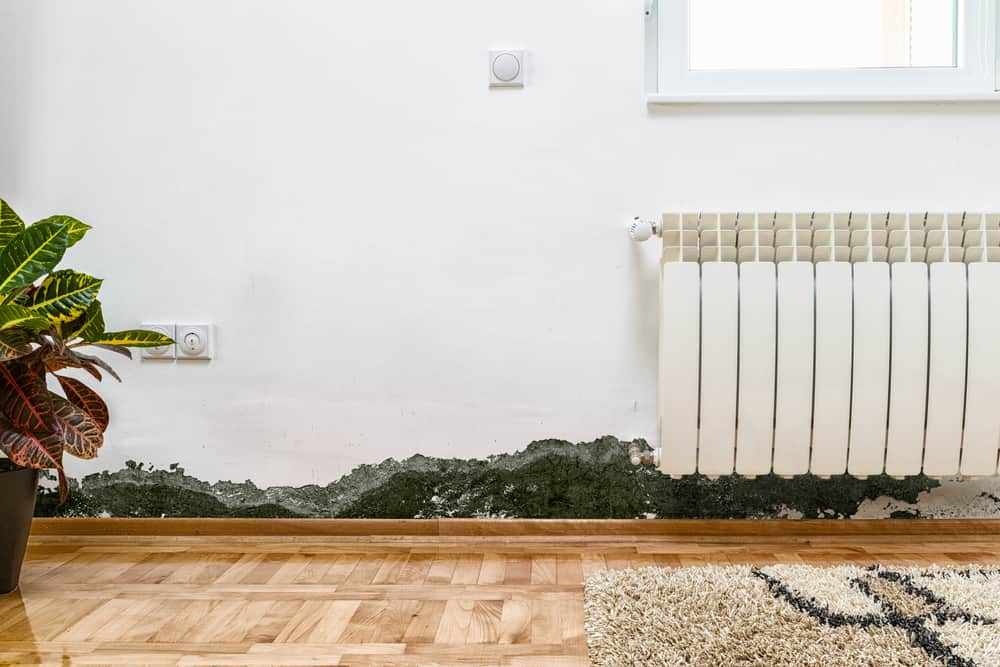
Mold doesn’t announce itself. In Harbor Isle where homes built in the 1940s sit at sea level, surrounded by tidal channels on every side moisture works its way in quietly. Through aging foundations, under subfloors, behind walls that have absorbed decades of coastal humidity. By the time you see it, it’s usually been growing for a while.
Getting it properly remediated means more than wiping down a surface. It means your home stops being a health risk. The air your family breathes isn’t carrying spores. The headaches, the congestion, the allergic reactions that nobody could quite explain those tend to go away when the source does. For households with kids, elderly family members, or anyone with respiratory issues, that shift is significant.
There’s also the financial side, and in Harbor Isle it matters. Homes here carry real value median prices well above $500,000. A documented mold problem can knock 20% to 37% off that number, and half of buyers walk away the moment it comes up. Proper remediation, with written lab results and a certified process behind it, protects what you’ve built here. It keeps a sale on track, satisfies an insurance adjuster, and gives you documentation that actually holds up.
Certified Mold Remediation Company Harbor Isle
First Response Restoration and Cleaning Inc. has been serving Nassau County homeowners for nearly 30 years. That’s not a number we throw out casually it means we’ve worked through post-Sandy flood damage on Harbor Isle’s barrier island homes, handled chronic crawl space moisture in 1940s construction, and seen what years of coastal humidity does to a home that was never built with that kind of exposure in mind.
Every technician who arrives at your door is individually IICRC-certified not just our company as a whole, but each person on the crew. That distinction matters when you’re trusting someone inside your home. The standard we’re trained to is the ANSI/IICRC S520, which is the industry benchmark for how mold remediation is supposed to be done.
Harbor Isle is a small community. Word travels fast across two bridges. We’ve built our reputation by doing the job right the first time and the homeowners along these canals and waterways have kept calling us back because of it.
Mold Cleanup and Remediation Process Harbor Isle
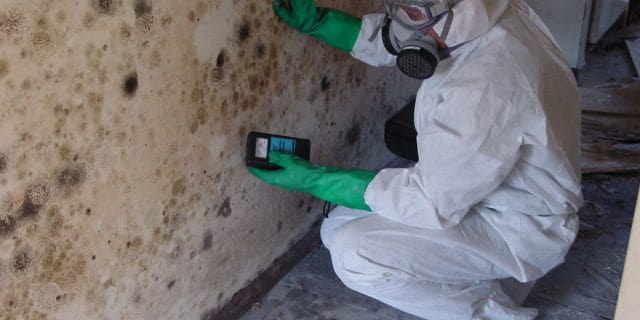
It starts with a thorough inspection not a quick walkthrough, but a 13-point assessment that includes air testing, swab sampling, infrared imaging to find moisture hiding behind walls, and a full comparison of indoor versus outdoor mold particle levels. You get written lab results within two to three business days. That documentation matters here, especially if you’re filing a flood insurance claim or preparing for a real estate transaction in a FEMA flood zone community like Harbor Isle.
Once the scope is clear, remediation begins. The first priority is always the moisture source because mold is a symptom. If the source doesn’t get addressed, the mold comes back. In Harbor Isle’s older housing stock, that often means tracing moisture through aging plumbing, foundation seepage at or near sea level, or attic condensation driven by the salt air humidity that rolls in off the bay. We find it, fix the pathway, and then remove the contaminated materials the right way contained, documented, and disposed of properly.
If building materials need to come out drywall, insulation, subfloor we handle the reconstruction too. You won’t be left coordinating a second contractor to put your home back together. New York State law also requires that mold assessment and remediation be handled by separate entities, which protects you from inflated findings. We operate in full compliance with that law and we’ll explain exactly how it works before anything starts.
Ready to get started?
Black Mold Remediation Services Harbor Isle NY
Mold remediation in Harbor Isle isn’t a one-size job. The barrier island environment, the age of the housing stock, and the storm history here create conditions that require a more thorough approach than we’d apply to a newer home in a drier inland neighborhood. That’s reflected in how we structure this service.
Every job includes the full inspection with lab analysis, containment setup to prevent spore spread during removal, HEPA air filtration throughout the work area, proper disposal of contaminated materials, and a post-remediation verification test to confirm the space is clear. For homes with crawl space or attic mold both common in Harbor Isle’s older construction those areas get the same level of attention as finished living spaces. Basement mold remediation is also a frequent need here, given the groundwater pressure that comes with sitting at sea level on a tidal island.
For homeowners dealing with emergency mold situations after a storm, a burst pipe, or water intrusion that’s been sitting we respond 24 hours a day, seven days a week. The trucks arrive fully equipped, so work begins immediately rather than after a follow-up trip. And because many Harbor Isle homeowners carry both standard homeowner’s insurance and FEMA flood coverage, every job comes with the written documentation needed to support a legitimate claim. If reconstruction is needed after materials are removed, we handle that in-house as well no handoff, no gap in accountability.
How do I know if my Harbor Isle home has a mold problem after flooding?
Flooding in Harbor Isle whether from a nor’easter, a storm surge event like Sandy, or even a slow plumbing leak creates the exact conditions mold needs to take hold. The EPA’s threshold is 48 hours: that’s how quickly mold can begin growing after water intrusion. If your home took on water and wasn’t fully dried and inspected by a certified professional, there’s a real possibility mold is present even if you can’t see it yet.
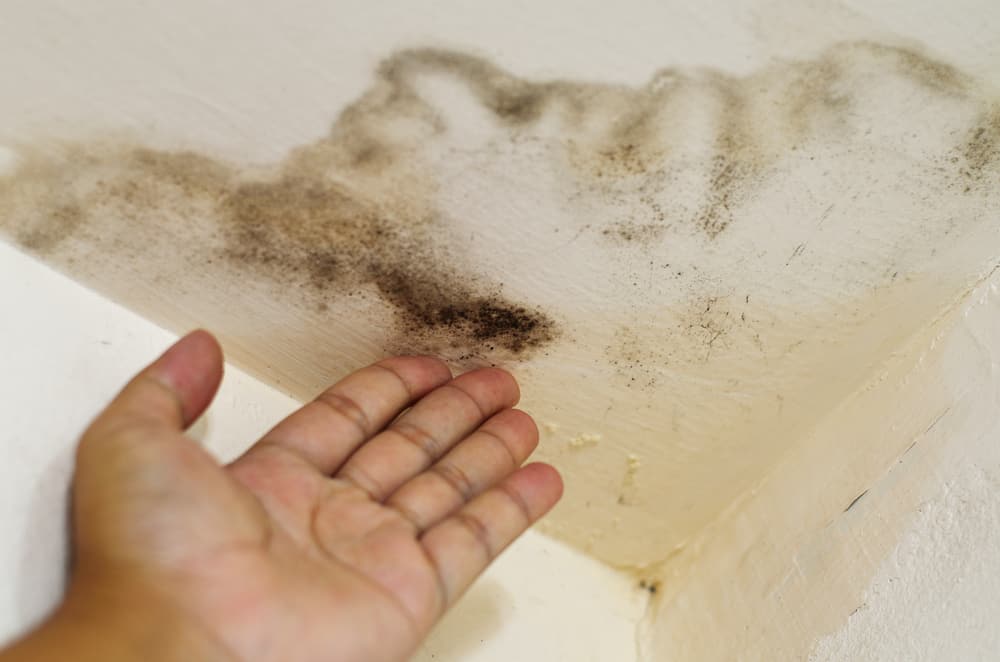
The most common signs in Harbor Isle homes are a persistent musty odor (especially in basements, crawl spaces, or behind walls), visible discoloration on drywall or wood framing, and unexplained respiratory symptoms that seem to ease up when you leave the house. Infrared imaging during a professional inspection can detect moisture pockets behind finished surfaces areas that look fine visually but are actively supporting mold growth. If your home was flooded during Sandy or any storm since, and you haven’t had a certified mold assessment, that inspection is worth scheduling before the problem grows larger or surfaces during a home sale.
What does mold remediation cost for a home in Nassau County?
The honest answer is that cost depends heavily on scope. A contained area a bathroom, a section of basement wall, a small crawl space issue typically runs in the range of $1,500 to $4,000. Larger infestations involving multiple rooms, structural materials, or attic and crawl space systems can reach $10,000 to $30,000 for a full remediation and rebuild.
In Harbor Isle specifically, the age of the housing stock is a real factor. Homes built in the 1940s often have mold that has spread further than it initially appears into wall cavities, behind original plaster, or through subfloor materials that have absorbed moisture over decades. The inspection and lab results will give you an accurate picture of scope before any remediation work begins, so there are no surprises. Written estimates are provided upfront, and if your situation involves an insurance claim under your homeowner’s or FEMA flood policy, the documentation from the inspection supports that process directly.
What's the difference between mold remediation and mold removal?
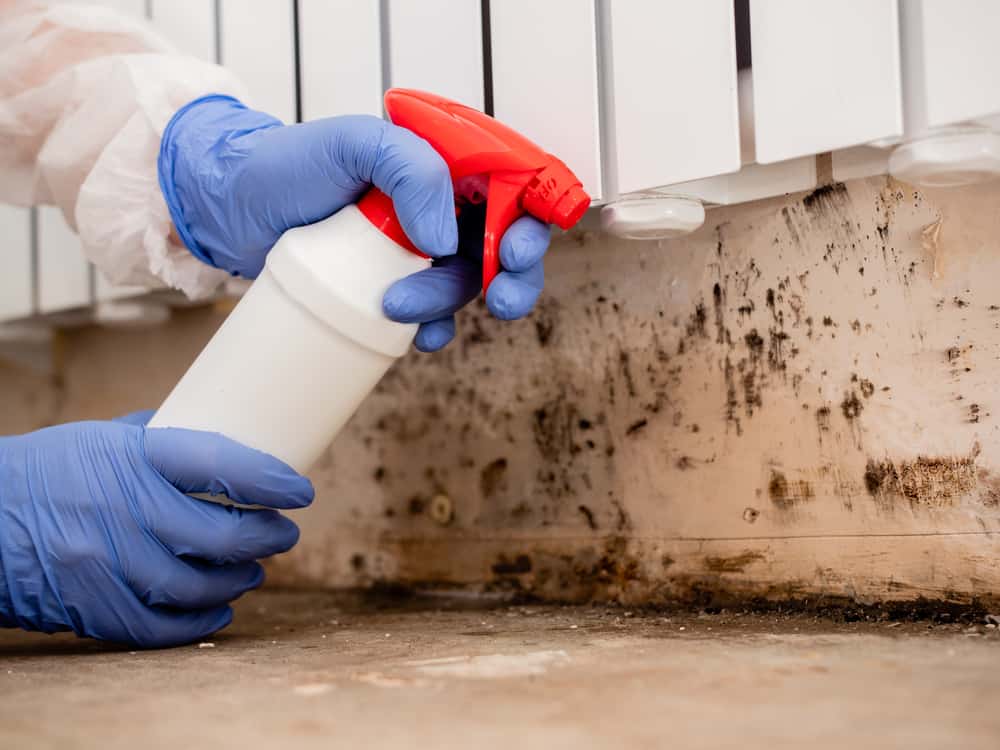
Mold removal implies physically taking mold away wiping it off, spraying it down, scrubbing a surface. Remediation is a broader process that includes removal but goes further: it addresses the moisture source that caused the growth, contains the affected area to prevent spore spread during the work, removes contaminated materials when necessary, treats the surrounding structure, and verifies through post-clearance testing that the space is actually clear.
The distinction matters because mold that’s “removed” without addressing the underlying moisture will come back. In a community like Harbor Isle where groundwater levels are high, salt air humidity is a constant, and many homes have aging plumbing and foundation systems the moisture source isn’t always obvious. Remediation done correctly identifies and eliminates that source first. The result is a space that stays clear, not one that looks clean for a few months before the problem resurfaces. When you’re protecting a home worth $500,000 or more, the difference between a surface fix and a real remediation is significant.
Does homeowners insurance cover mold remediation in Harbor Isle, NY?
Coverage depends on the cause of the mold and the specific terms of your policy. Generally, if the mold resulted from a sudden, covered event a burst pipe, an appliance leak, storm-related water intrusion your homeowner’s insurance is more likely to cover at least a portion of the remediation cost. Mold that developed over time due to ongoing moisture issues or deferred maintenance is typically excluded.
For Harbor Isle homeowners who also carry FEMA flood insurance, the situation adds another layer. Flood policies cover direct physical loss from flooding, and mold that results from a covered flood event may be included but documentation is everything. The written inspection report, lab results, and remediation records that we provide are exactly what insurance adjusters need to process a legitimate claim. If you’re unsure what your policy covers, we can walk you through what documentation to gather and how to present the findings to your insurer. We’ve handled enough Nassau County insurance situations to know what adjusters look for.
How long does mold remediation take for a typical Harbor Isle home?
For a contained area a single room, a section of basement, or a crawl space remediation typically takes one to three days. Larger jobs involving multiple areas, structural material removal, or attic systems can run five to seven days or more, particularly when reconstruction is part of the scope.
The timeline in Harbor Isle can be influenced by a few local factors. Older homes with original plaster walls or wood-framed construction sometimes require more careful material removal to avoid disturbing adjacent areas. Crawl spaces in barrier island homes which sit closer to the water table occasionally need additional drying time before post-remediation clearance testing can be completed accurately. That testing, which confirms the space has returned to acceptable mold levels, happens before the job is officially closed. You’ll receive the clearance results in writing. If reconstruction is needed after materials are removed, that timeline is discussed separately and handled by the same team, so you’re not waiting on a third party to get your home back to normal.
Is attic or crawl space mold common in Harbor Isle homes, and how is it treated?
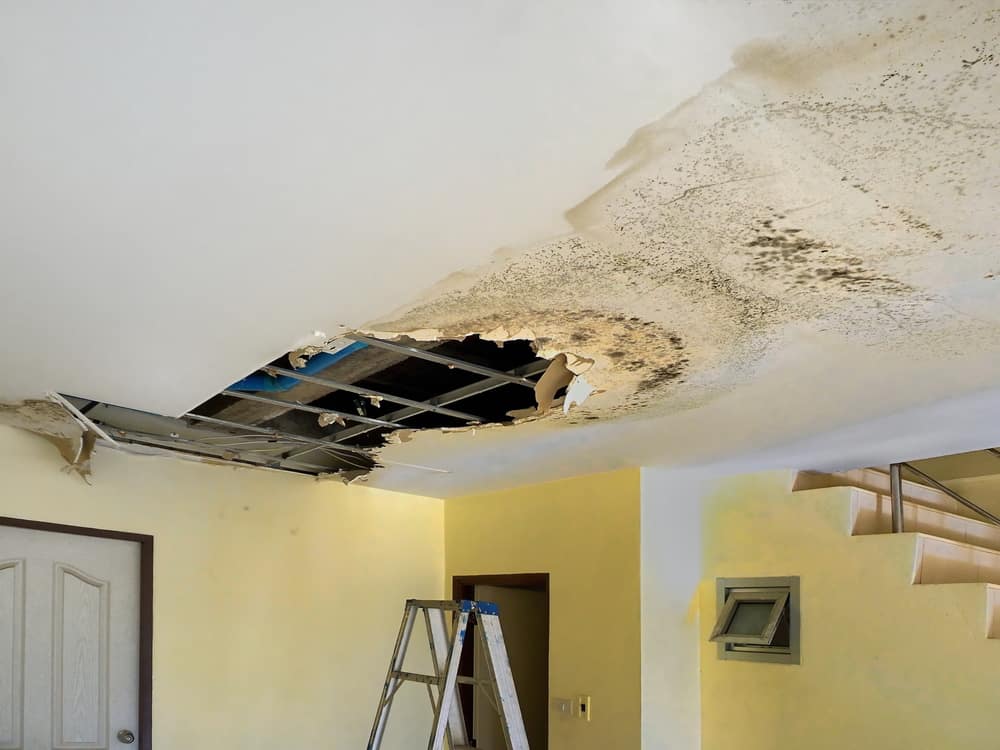
Both are common and in Harbor Isle, more so than in inland Nassau County communities. Attic mold typically develops when warm, humid air from living spaces rises and meets a cooler roof deck, creating condensation. In a barrier island environment where outdoor humidity is consistently elevated by the surrounding bay and tidal channels, that dynamic is more pronounced. Homes built in the 1940s often have attic ventilation systems that weren’t designed with today’s understanding of moisture management, which compounds the problem.
Crawl space mold is driven by a different mechanism groundwater vapor rising through soil in a community that sits at or near sea level. Without an effective vapor barrier, that moisture feeds mold growth on the wood framing and subfloor materials above. Treatment for both involves removing contaminated materials, treating the structural surfaces, correcting the ventilation or vapor barrier issue that allowed moisture to accumulate, and verifying clearance through post-remediation air testing. These aren’t quick fixes, but when done correctly, they stay fixed. Attic and crawl space remediation is included in what we handle no subcontracting, no gaps in the process.
Useful Links
Other Services we provide in Harbor Isle