
Hear from Our Customers
When mold is handled the right way, you stop wondering if the musty smell in the basement is something your family is breathing in every day. You stop second-guessing whether the job was done thoroughly or just done quickly. That peace of mind is real, and it starts with a process that actually addresses the source — not just the surface.
Homes throughout Islip Terrace are particularly vulnerable to the kind of slow, invisible moisture buildup that leads to mold. The South Shore humidity that rolls in from the bay doesn’t stop at your foundation — it works its way into crawl spaces, settles into attic sheathing, and seeps through basement walls that were built decades before moisture management was a code requirement. If your home was built between the 1940s and the 1970s, which describes a large portion of the housing stock in this hamlet, your structure was not designed to handle what the climate here consistently delivers.
The outcome you’re looking for isn’t just “mold removed.” It’s a home where the air quality has been verified, the moisture source has been corrected, and you have documentation that proves the work was done — documentation that protects your family now and protects your home’s value when it’s time to sell. In a market where homes in Islip Terrace are worth over $500,000, that kind of thorough, verifiable remediation isn’t a luxury. It’s the only version worth paying for.
We’ve been operating on Long Island for approximately 31 years. That includes the post-Sandy recovery surge that hit South Shore communities like Islip Terrace hard, the recurring nor’easters that have put the corridor from Babylon to East Islip underwater more than once, and the everyday moisture problems that come with owning a home in Suffolk County. Islip Terrace is not a new market for us — it’s a community we’ve been actively serving.
What separates us from most companies you’ll find in a search result is that our owner, Richard Peterson, personally holds both a Mold Assessor License and a Mold Remediation Contractor License issued by New York State under Article 32 of the Labor Law. These are not company-level credentials — they’re personal licenses tied to the individual running the business. Every technician on our team is also individually IICRC-certified, which means the people working in your home have been formally trained and tested, not just supervised by someone who was.
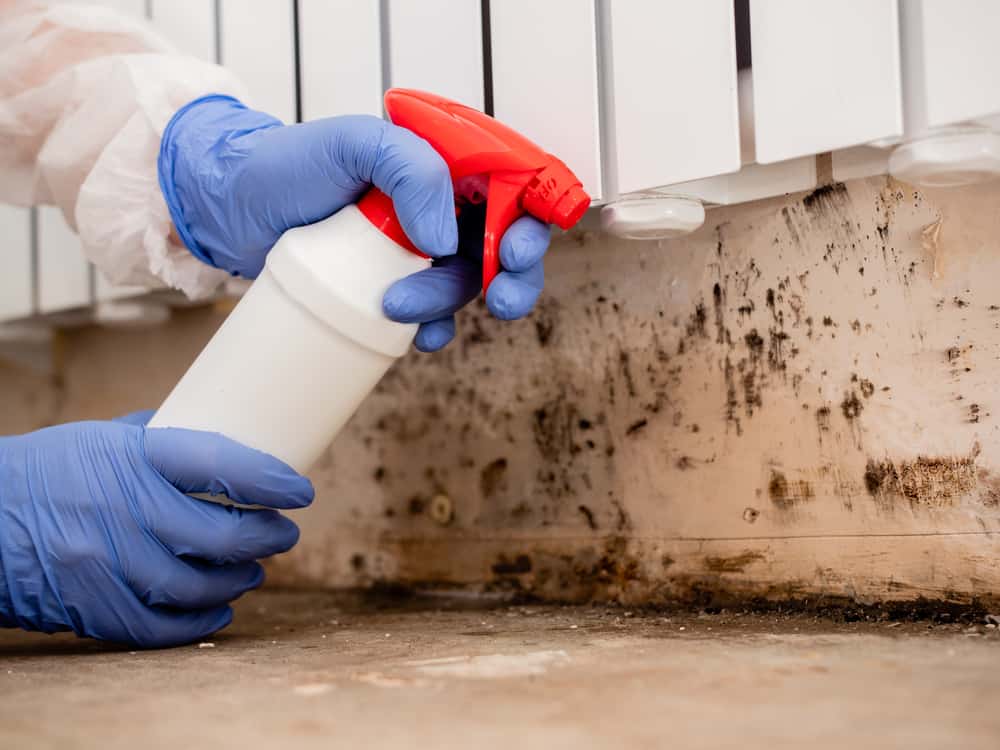
It starts with a thorough assessment. Before anything is removed or treated, we identify where moisture is entering the structure and why. In Islip Terrace, that often means looking closely at crawl spaces that flood during heavy rainfall, basement walls with seepage from the area’s high water table, and attic sheathing where summer condensation has been accumulating quietly for years. Skipping this step is the primary reason mold comes back after remediation — and it’s a step that doesn’t get skipped here.
Once the moisture source is mapped, containment goes up. This keeps spores from spreading to unaffected areas of your home while the work is underway. Contaminated materials are removed, affected surfaces are treated with antimicrobial agents, and HEPA filtration runs throughout the process to capture airborne particles. If the remediation involves structural repairs — replacing drywall, reframing, or modifying the building envelope — any required permits through the Town of Islip Building Department are part of the conversation upfront, not an afterthought.
After the physical work is complete, post-remediation verification is conducted. That means independent air quality testing to confirm that mold spore counts have returned to normal levels. You receive documentation of that result — something you can hand to an insurance adjuster, a real estate attorney, or a home inspector without hesitation. Our integrated cleaning division then handles the final cleanup, so the space is livable when we leave, not just remediated.
Ready to get started?
Basement mold remediation in Islip Terrace is one of the most consistent calls we receive from this area. The hamlet’s proximity to the Great South Bay and the Connetquot River drainage basin means groundwater sits high, and basements in older homes along Carleton Avenue and Islip Avenue deal with seepage that most waterproofing products only partially address. When we remediate, we treat the affected surfaces — but we also identify whether the water source is hydrostatic pressure, a failed drainage system, or a plumbing issue, and make sure that’s corrected before the space is closed back up.
Attic mold remediation is the other major category for South Shore homes. When your central air conditioning runs through a Long Island summer and your attic doesn’t have adequate ventilation — which is common in homes built before modern building codes — moisture condenses on the roof deck and rafters. It’s one of the most frequently discovered issues during home inspections in Islip Terrace, and it can stall or kill a real estate transaction if it’s not handled properly. Crawl space mold remediation is equally relevant here; documented cases from actual Islip Terrace properties show crawl spaces that flood during heavy rain, creating exactly the kind of persistently damp environment where mold establishes quickly.
Black mold remediation follows a more controlled protocol — full containment, respiratory protection, careful material removal, and thorough post-treatment verification. If testing identifies Stachybotrys or another high-risk species, the scope and the documentation requirements go up accordingly. All of this — from emergency mold remediation after a storm event through final cleaning — is handled by us as a complete service, not a handoff between multiple contractors.
It depends on what caused the mold, and the distinction matters a lot. Most standard homeowner’s insurance policies in New York will cover mold remediation if it resulted directly from a covered peril — a burst pipe, an appliance leak, or storm-related water intrusion, for example. What they typically won’t cover is mold that developed from long-term moisture issues, like a crawl space that’s been damp for years or a basement that seeps every time it rains heavily.
For Islip Terrace homeowners, this is a relevant nuance. The South Shore flooding events that have affected this corridor — including the flash flooding that has repeatedly put areas from Babylon to East Islip underwater — can create legitimate insurance claims if the damage is documented properly and promptly. The window matters. Mold begins growing within 24 to 48 hours of water intrusion, so the sooner you contact your insurer and get a remediation company on-site, the stronger your documentation trail. We assist with the damage documentation process, which can make a meaningful difference in what your claim actually recovers.
For most residential projects, mold remediation costs fall somewhere between $1,200 and $3,800, with the national average landing around $2,300 to $2,400. That range shifts based on the size of the affected area, the type of mold present, how accessible the space is, and whether structural materials need to be removed and replaced. Attic mold remediation tends to run higher — often $1,500 to $9,000 depending on how much of the roof deck is affected. Crawl space remediation generally runs $500 to $4,000, and can exceed that if encapsulation is part of the scope.
For Islip Terrace homeowners, the more important framing is this: with median home values around $520,000 in this area, mold that’s left untreated or inadequately treated can reduce your property’s resale value by 20 to 37 percent. Roughly half of buyers back out of transactions when mold is discovered during inspection. A thorough remediation that includes post-remediation air quality verification and proper documentation is a small cost relative to what’s at stake — and it’s the only version that actually protects that investment.
Mold removal implies that all of the mold is physically taken out — which sounds straightforward but is technically impossible. Mold spores exist naturally in the air and in building materials. What you’re actually trying to achieve is returning spore levels to a normal, safe range and eliminating the active growth that’s causing the problem. That’s what remediation means: a controlled, documented process that brings conditions back to an acceptable baseline.
In New York State, this distinction also has legal weight. Under Article 32 of the NYS Labor Law, any individual or company performing mold remediation must hold a valid state-issued license. The law also requires that the mold assessor — the person who inspects and writes the remediation plan — be a different entity than the contractor performing the physical work. This separation is a consumer protection measure designed to prevent conflicts of interest. If a company in Islip Terrace is offering to inspect, plan, and remediate under the same license without disclosing this, that’s a compliance issue worth asking about before you sign anything.
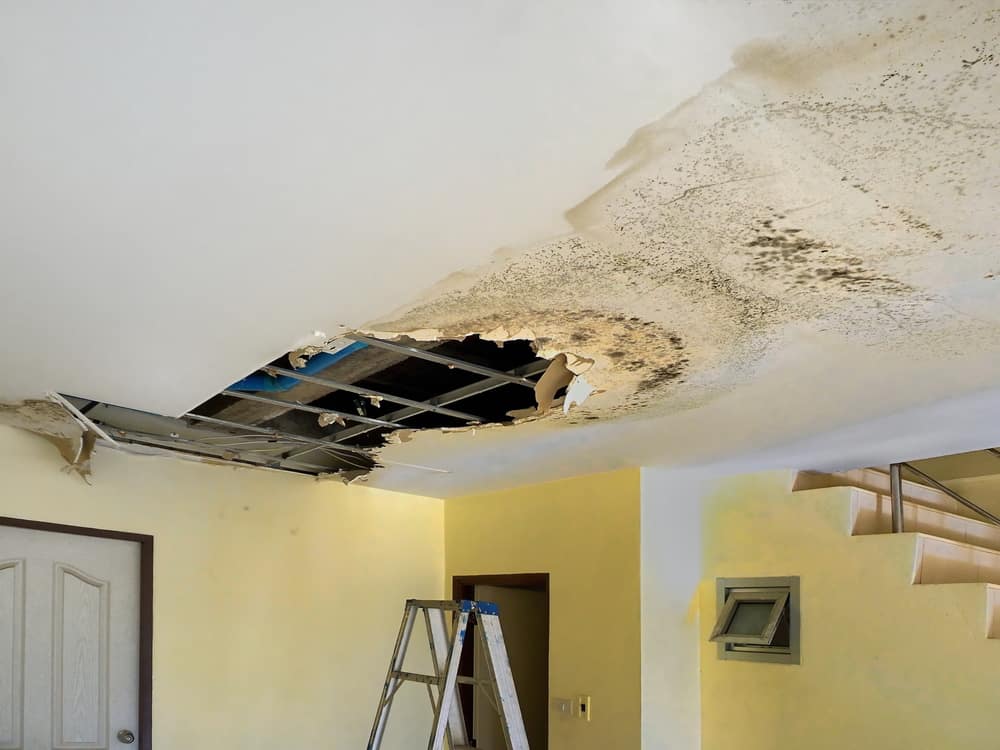
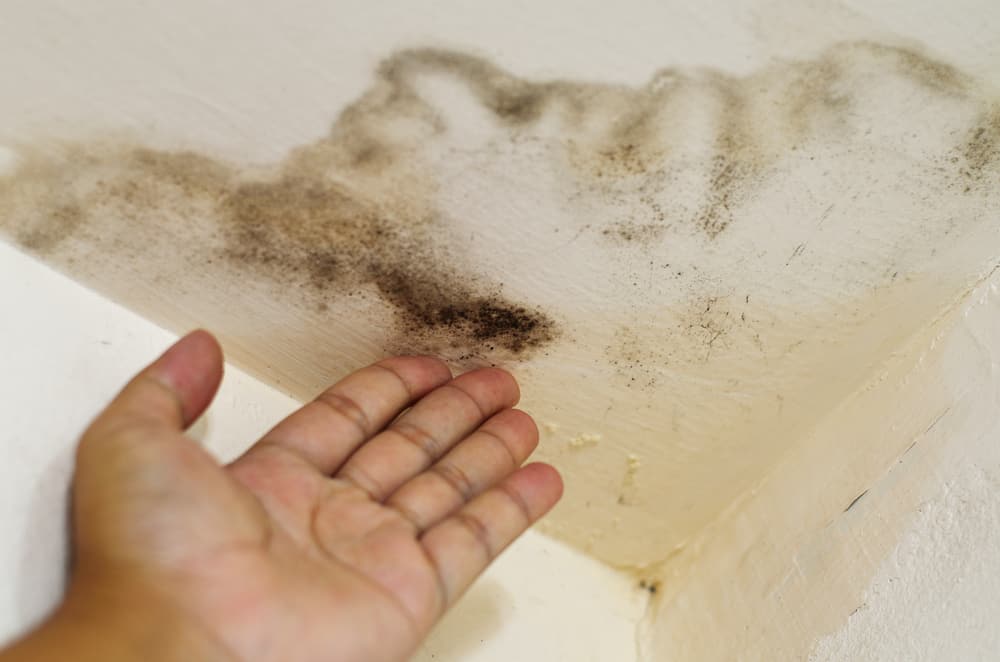
The location and pattern of the growth usually tells you a lot. Mold from a roof leak tends to concentrate in a specific area directly beneath a penetration point — around a chimney, a vent, a skylight, or a section of damaged flashing. It often shows up as a defined stain pattern that follows the path water traveled. Mold from condensation, on the other hand, tends to be more widespread across the roof deck and rafters, and it typically shows up more uniformly across the attic rather than in one spot.
In Islip Terrace, condensation-driven attic mold is especially common because of how South Shore summers work. When your air conditioning is running hard and the attic above isn’t ventilated properly — which describes a lot of mid-century homes in this hamlet — the temperature differential between the living space and the attic creates persistent condensation on the roof sheathing. A proper assessment will include a moisture reading of the structural members, an inspection of the ventilation system, and a check of all roof penetrations. You need both pieces of information before you can scope the remediation correctly.
In most cases, yes — but it depends on where the mold is located, how extensive the contamination is, and whether the affected area can be properly contained from the rest of the living space. For a localized issue in a basement or crawl space, containment barriers and negative air pressure systems are typically sufficient to keep spores from spreading to the areas where your family is living. For more extensive contamination — particularly if it involves HVAC systems or large areas of a finished living space — temporary relocation may be the safer and more practical option.
If you have household members with asthma, allergies, or respiratory sensitivities, that also factors into the recommendation. The CDC estimates that one in three people has some sensitivity to mold, and the American College of Allergy, Asthma, and Immunology links mold exposure to roughly 25 percent of all asthma attacks. For families in Islip Terrace with children in the East Islip school district who are dealing with unexplained respiratory symptoms, this isn’t an abstract statistic — it’s a reason to take the displacement question seriously and get a professional assessment before deciding.
Yes — and this is one of the most important questions you can ask before hiring anyone. New York State’s Article 32 mold licensing law has been in effect since January 1, 2016, and it requires that any individual performing mold remediation hold a valid Mold Remediation Contractor License issued by the NYS Department of Labor. Individual workers on the job must also hold a Mold Abatement Worker Certification. Performing this work without the proper credentials is unlawful in New York — not just inadvisable.
You can verify any contractor’s license directly through the NYS Department of Labor’s online licensing portal before you agree to anything. For Islip Terrace homeowners, this matters because the mold remediation category has a documented history of unlicensed operators, inflated scopes, and pressure tactics. Asking for a license number and verifying it takes about two minutes and tells you immediately whether you’re dealing with a legitimate contractor. Richard Peterson, our owner, personally holds both a Mold Assessor License and a Mold Remediation Contractor License — credentials tied to him as an individual, not just a company filing. That’s the level of accountability worth looking for.
Useful Links
Other Services we provide in Islip Terrace