
Mold Remediation in Nesconset, NY
Nesconset's Aging Homes Deserve More Than a Surface Fix
Hear from Our Customers
Certified Mold Remediation in Nesconset, NY
Most mold problems in Nesconset aren’t really mold problems they’re moisture problems that mold made visible. When a contractor removes the growth without addressing what’s feeding it, you’re back in the same situation in six to eighteen months. The fix that actually holds starts with finding where the water is coming from and cutting it off.
For homes built along the Route 347 corridor in Nesconset the Storybook Homes subdivisions and the ranches and split-levels that filled in around them that moisture source is rarely obvious. It might be an unencapsulated crawl space pulling ground humidity up into the framing all summer long. It might be an attic with inadequate ventilation trapping condensation against the roof sheathing for years before anyone notices. It might be a foundation wall that’s been slowly seeping since the August 2023 flash floods that required water rescues across Nesconset and the surrounding Smithtown area.
When the source is identified and addressed, the air in your home actually changes. Musty odors that you stopped noticing disappear. Family members with sensitivities stop having recurring symptoms. And if you’re planning to sell in a market where Nesconset median home prices hit $744,500 in late 2024 you have a documented clearance report that holds up in a transaction, not just a contractor’s word.
Professional Mold Remediation in Nesconset, NY
First Response Restoration and Cleaning Inc. has been working inside Long Island homes for approximately 31 years including the older housing stock in Nesconset, the post-war ranches off Gibbs Pond Road, and the crawl space homes throughout the Smithtown Central School District area. This isn’t a franchise operation with a corporate template and a local phone number. We’re an owner-operated company where the owner, Richard Peterson, holds personal New York State licenses in both mold assessment and mold remediation the credentials required under Article 32 of the NYS Labor Law.
That distinction matters because a lot of companies operating in the Nesconset area have a license on file somewhere. Richard’s license is his personally earned, personally accountable, and verifiable through the NYS Department of Labor. Every technician on our team holds IICRC certification individually, which means the people physically working in your home have been trained and tested, not just supervised by someone who was.
We also run an integrated cleaning division alongside the restoration side, so when remediation is complete, the same company handles the final cleanup one point of contact, one invoice, no handoff.
Mold Cleanup and Remediation in Nesconset, NY
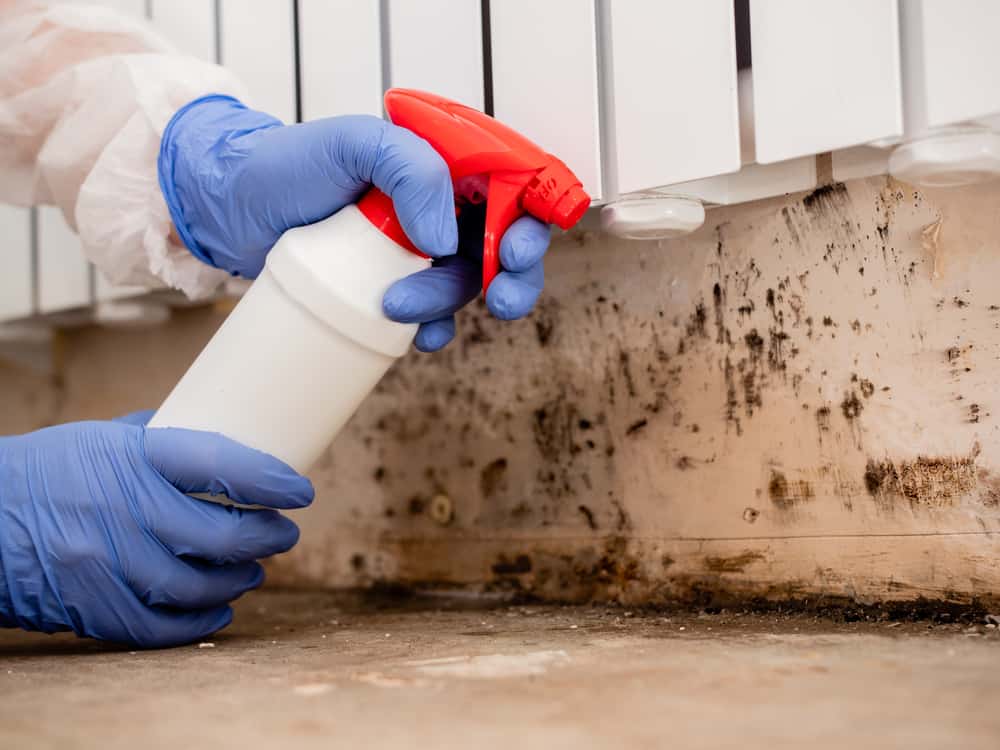
The process starts with a thorough assessment not a quick visual scan, but a systematic inspection that includes moisture mapping to identify where water is entering or accumulating. In Nesconset’s older homes, that often means checking crawl spaces for ground vapor infiltration, inspecting attic sheathing for condensation-related growth, and looking at basement walls for the kind of slow seepage that’s easy to miss until it becomes a serious problem. Under New York State’s Article 32 mold licensing law, the assessment and the remediation cannot legally be performed by the same company on the same project which is worth knowing before you hire anyone.
Once the scope is confirmed, we contain the affected area using negative air pressure and physical barriers to prevent spores from spreading to unaffected parts of your home during removal. Contaminated materials drywall, insulation, wood framing where necessary are removed and disposed of properly. Remaining surfaces are HEPA-vacuumed and treated with antimicrobial solution. Structural drying follows to bring moisture levels down to baseline before anything is rebuilt or closed up.
The final step is post-remediation verification independent air quality testing that confirms spore counts have returned to acceptable levels. That clearance report is your documentation that the job was done correctly, and in Nesconset’s active real estate market, it’s the kind of record that protects your investment long after we’ve left.
Ready to get started?
Attic and Basement Mold Remediation in Nesconset, NY
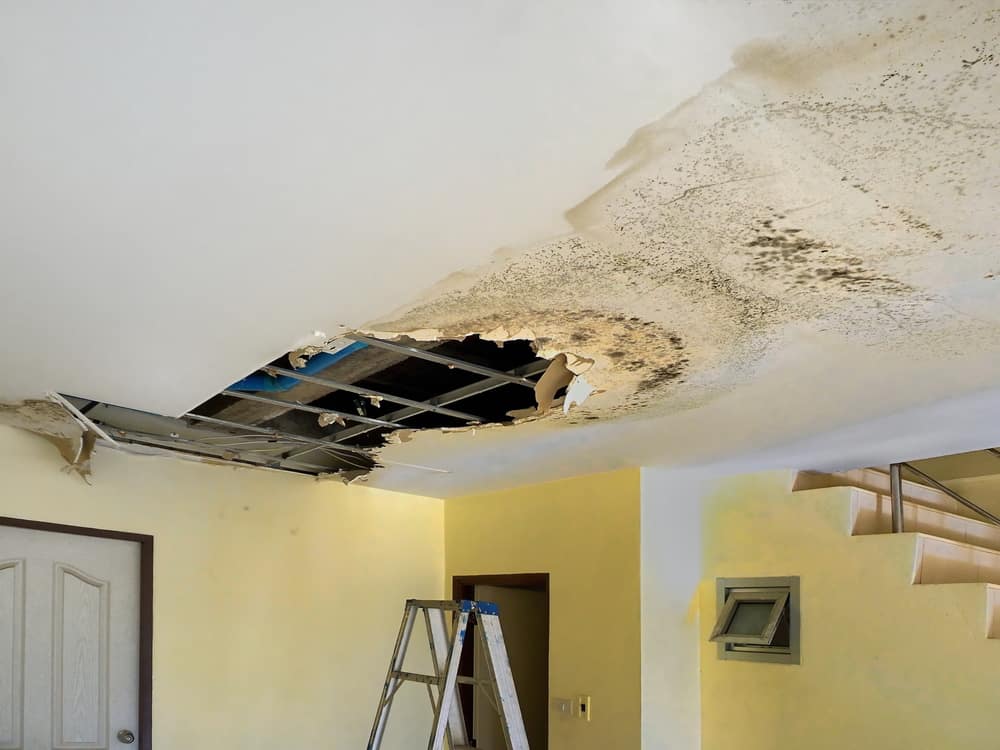
Attic mold remediation in Nesconset typically runs between $1,500 and $9,000 depending on attic size and how far the growth has spread into the roof sheathing and insulation. It’s one of the most common calls we get from this area, and it makes sense homes built in the 1950s and 1960s along the Route 347 corridor frequently have ventilation systems that weren’t designed to handle the humidity levels Suffolk County summers produce. When warm, humid air rises into an under-ventilated attic and hits cold roof decking, condensation builds. Over time, that becomes a mold problem that most homeowners don’t discover until a roofer or home inspector finds it.
Basement mold remediation in Nesconset is the other call we field regularly especially after storm events like the August 2023 flooding that inundated basements across the hamlet and surrounding Smithtown neighborhoods. Mold begins growing within 24 to 48 hours of water intrusion, which is why 24/7 emergency mold remediation availability isn’t a marketing point here it’s a practical necessity.
Crawl space mold remediation in Nesconset addresses one of the most overlooked moisture problems in the area’s post-war housing stock. Unencapsulated crawl spaces in this climate pull ground humidity directly into the floor framing above, and the damage accumulates quietly for years. We handle black mold remediation, mold damage repair, and full mold restoration services under one roof from the initial emergency response through the final air quality clearance.
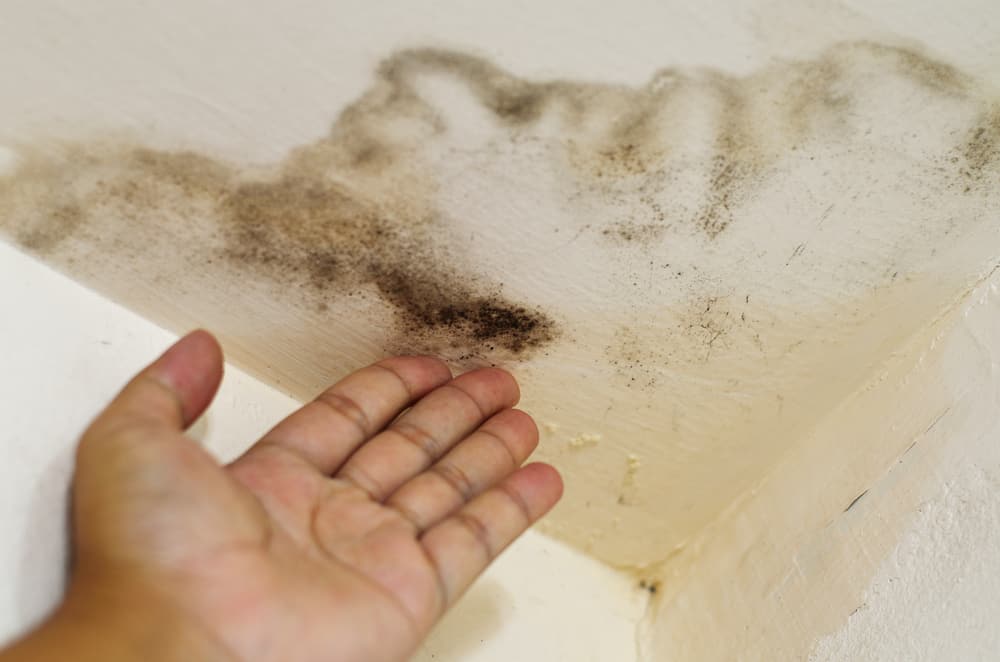
How much does mold remediation cost in Nesconset, NY for a typical home?
For most residential projects in Nesconset, mold remediation costs fall between $1,223 and $3,754. That range covers contained growth in a single area a section of basement wall, a bathroom ceiling, or a localized crawl space problem. Where costs climb is when the growth has spread into structural materials or reached areas that require more involved removal, like roof sheathing in an attic or subfloor framing in a crawl space.
Attic mold remediation in Nesconset specifically tends to run between $1,500 and $9,000, depending on the size of the attic and how long the moisture problem has been active. Crawl space remediation typically falls between $500 and $4,000. The most honest thing we can tell you is that cost is directly tied to scope, and scope can’t be accurately determined without a proper assessment. Any company quoting you a firm number over the phone without inspecting the space first is guessing and in a home valued at $700,000 or more, guessing is expensive.
What mold remediation companies in Nesconset, NY are actually licensed under New York State law?
This is the right question to ask, and not enough people ask it before hiring. New York State’s Article 32 mold licensing law has been in effect since January 1, 2016, and it makes it unlawful for any person or company to perform mold remediation without a valid state-issued license. That applies to every job in Nesconset, regardless of size.
The problem is that licensing compliance isn’t uniform across all the companies you’ll find in search results for this area. Some have a license on file but the named licensee has no day-to-day involvement in the actual work. The way to verify is simple: ask for the contractor’s NYS mold remediation license number and look it up directly through the NYS Department of Labor’s license lookup tool. Richard Peterson, the owner of First Response Restoration and Cleaning Inc., holds personal NYS licenses in both mold assessment and mold remediation not a company credential assigned to someone in a back office, but his own license, attached to his name and his accountability.
What causes mold to keep coming back after remediation in older Nesconset homes?
Recurring mold almost always means the moisture source was never addressed only the visible growth was removed. In Nesconset’s housing stock, which skews heavily toward homes built between the 1950s and 1970s, the moisture sources are often structural and slow-moving. A crawl space without proper vapor barriers allows ground humidity to rise into the floor framing year-round. An attic with inadequate ventilation common in the post-war ranches and split-levels built along the Route 347 corridor traps condensation against the roof deck every winter and every humid summer night.
If a contractor comes in, removes the mold, applies a treatment, and leaves without identifying and correcting the moisture source, the conditions that caused the growth are still there. Mold doesn’t need much a surface, organic material, and sustained humidity above 60%. Nesconset’s interior Suffolk County location, combined with proximity to Gibbs Pond and the southeastern edge near Lake Ronkonkoma, means ambient humidity runs high enough through the warm months to feed regrowth quickly. A proper remediation process maps the moisture first, corrects the source, then remediates in that order.
Does homeowners insurance cover mold remediation in Nesconset, NY after flooding or water damage?
Whether insurance covers mold remediation depends on the cause of the moisture, not the mold itself. If the mold resulted from a sudden, accidental event a burst pipe, an appliance leak, or storm-driven water intrusion like the flash flooding that hit Nesconset in August 2023 most standard homeowners policies will cover remediation as part of the water damage claim. If the mold resulted from a long-term maintenance issue, like a slow roof leak that went unaddressed for years, coverage is typically denied on the grounds of neglect.
The documentation you provide to the insurance company matters significantly. Adjusters look for evidence that the damage was sudden and that you responded promptly. Having a licensed, IICRC-certified remediation company involved from the beginning one that documents moisture readings, photographs the damage, and provides a written scope of work gives your claim the strongest possible foundation. We help customers understand what their policy likely covers and how to document the damage in a format that supports the claim.
Can I stay in my Nesconset home during mold remediation, or do I need to leave?
It depends on where the mold is, how extensive the contamination is, and how sensitive your household is to airborne particulates. For contained remediation in a single area a basement corner, a crawl space, or a section of attic most homeowners can remain in the home as long as proper containment is in place. Negative air pressure barriers and HEPA filtration systems are used specifically to prevent spores from migrating to unaffected living spaces during the work.
For more extensive remediation particularly in cases involving black mold remediation across multiple areas, or where HVAC systems are involved and spores may have distributed through the ductwork temporary relocation during active work is often the safer choice, especially for households with children, elderly residents, or anyone with respiratory conditions or mold sensitivity. The CDC estimates that one in three people has some degree of mold sensitivity, so this isn’t a minor consideration. The assessment phase will give you a clear picture of the scope and help you make an informed decision about whether staying in your home during remediation is reasonable for your specific situation.
How long does mold remediation take in a Nesconset home from start to clearance?
For a contained remediation project say, a section of basement wall or a localized crawl space problem the active remediation work typically takes one to three days. Larger projects, like attic mold remediation in one of Nesconset’s older homes where growth has spread across a significant portion of the roof sheathing, can run three to five days or longer depending on the extent of material removal required and the drying time needed before surfaces are cleared.
After the physical remediation is complete, post-remediation verification requires independent air quality testing samples are collected, sent to a lab, and results typically come back within a few business days. The full timeline from first call to clearance report on a straightforward project is usually one to two weeks. For emergency mold remediation in Nesconset following a flooding event, the response itself happens immediately 24/7 availability means a team can be on-site the same night water enters your home, which is the window that matters most for preventing mold from establishing in the first place.
Useful Links
Other Services we provide in Nesconset