
Water Damage Restoration in East Massapequa, NY
When Your Basement Floods at 13 Feet Above Sea Level, Speed Matters
Hear from Our Customers

Flood Restoration in East Massapequa, NY
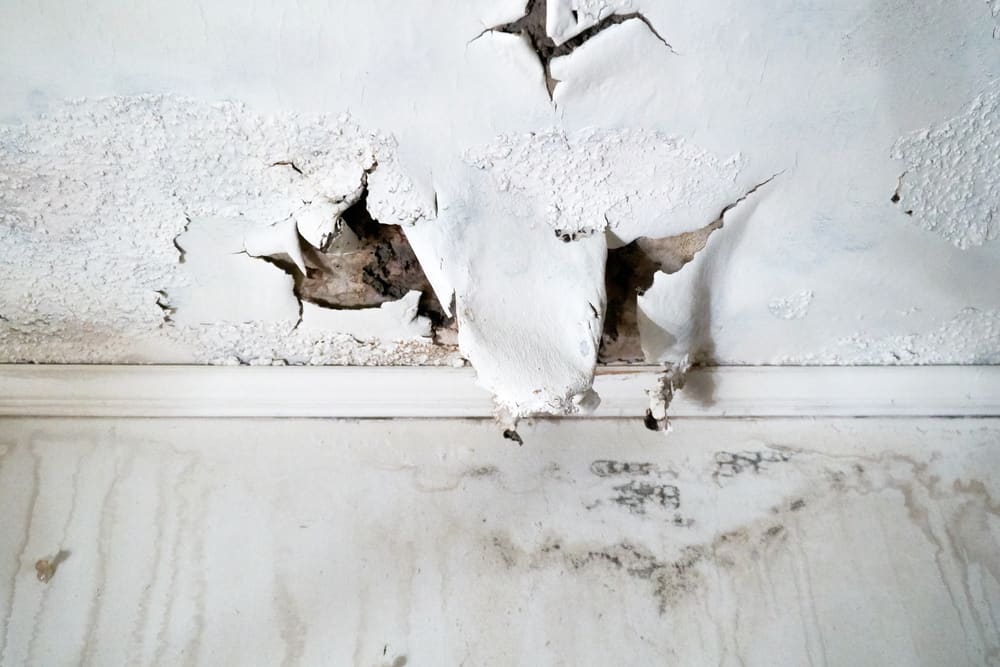
Most homeowners in East Massapequa don’t find out how bad the damage really was until weeks later when the musty smell starts, or the drywall bubbles, or the mold shows up behind the baseboard they thought was fine. That’s what happens when water gets into a 1950s split-level or ranch and the drying stops at the surface.
The homes in East Massapequa were built between the 1940s and 1960s, and the materials inside them the framing, the subfloor assemblies, the below-grade transitions hold moisture in ways that a shop vac and a box fan simply can’t address. East Massapequa sits at just 13 feet above sea level on terrain that was once wetland. The water table here is close to the surface year-round, and it rises fast during nor’easters and spring rain events. That means your basement doesn’t need a burst pipe to flood a saturated water table pushing through your foundation walls is enough.
When the job is done right, you get a home that’s genuinely dry not surface-dry. You get documentation your insurance company will accept. And you get the confidence that the mold problem you’re worried about isn’t quietly developing inside your walls while you’re commuting into the city. Professional moisture mapping isn’t optional in East Massapequa. It’s the only way to know what’s actually wet and what’s actually dry.
Residential Water Damage Repair in East Massapequa, NY
We’ve been serving Nassau and Suffolk County homeowners for nearly three decades. We’re headquartered in West Babylon which sits directly across the Nassau-Suffolk county line from East Massapequa. That proximity isn’t coincidental. When you call 516-698-1776, you’re reaching a team that is geographically closer to your home than most companies claiming to cover Long Island.
The South Shore corridor East Massapequa, Massapequa Park, Amityville, Seaford, Wantagh is territory we know from real experience, not a service area map. We’ve been responding to flooding here through multiple hurricane seasons, back-to-back nor’easters, and the kind of spring thaws that push Carman Creek’s watershed into basements across East Massapequa. Our technicians are IICRC-certified, we’re licensed, bonded, and insured, and we work directly with your insurance company so you’re not stuck navigating that process alone while managing a flooded home.
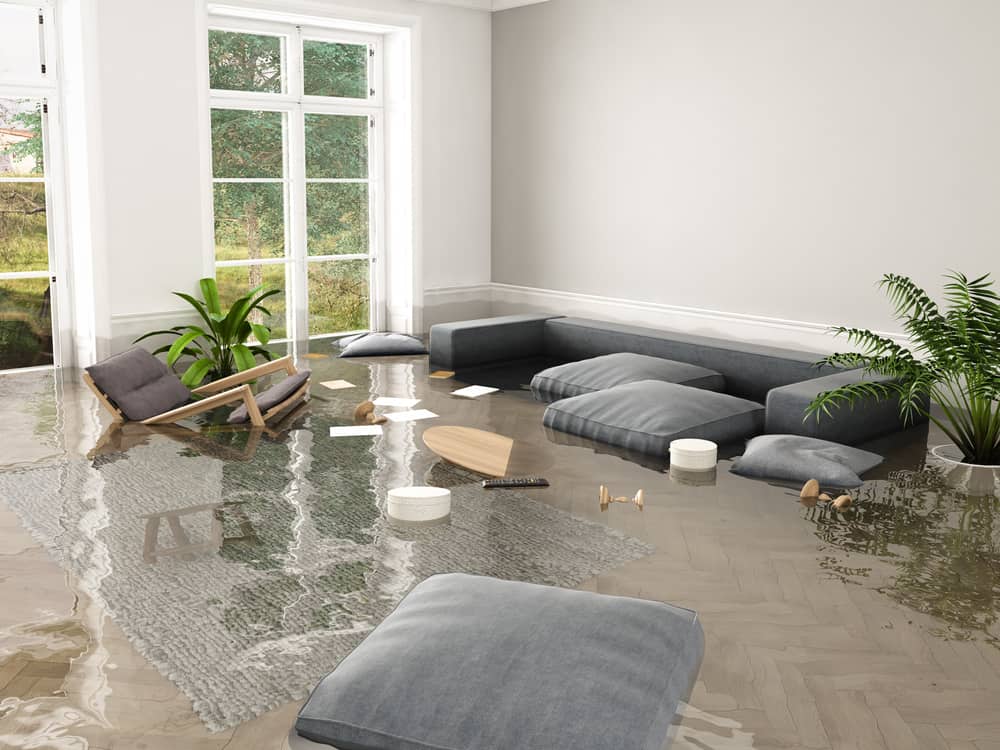
Basement Water Extraction in East Massapequa, NY
When you call, the first thing that happens is a real person picks up not a voicemail, not an answering service. You describe the situation, and we dispatch a crew. Because we’re based in West Babylon, response time to East Massapequa is genuinely fast. That matters because the EPA’s guidance is clear: water-damaged materials need to be dried within 24 to 48 hours to stop mold from taking hold.
Once on-site, we do a full assessment before anything else. That means moisture meters and thermal imaging to find water that has migrated into wall cavities, under flooring, and inside structural framing the places you can’t see and a surface inspection won’t catch. In a community where most homes were built 60 to 70 years ago, that step is critical. Older construction absorbs and hides moisture differently than newer builds, and skipping the assessment is how you end up with a mold problem two months after a cleanup that looked fine.
From there, it’s water extraction, industrial drying, dehumidification, and antimicrobial treatment in sequence, documented at each stage. That documentation matters for your insurance claim. Any structural repairs or reconstruction that follow are handled by us, so you’re not coordinating three different contractors while trying to get back to your normal routine. The Town of Oyster Bay governs permitting in East Massapequa, and for work that requires a building permit, we’re equipped to navigate that process.

Ready to get started?
24/7 Water Damage Restoration in East Massapequa, NY
Water damage restoration in East Massapequa isn’t a single service it’s a sequence. Emergency water removal comes first, pulling standing water out before it migrates further. Then structural drying and dehumidification, which can take several days depending on how much moisture has penetrated the building materials.
For the post-war housing stock that makes up the majority of homes in East Massapequa, that phase takes longer than it would in a newer build the materials are older, denser, and more porous. Mold remediation is included when it’s needed, and in a coastal South Shore community with the humidity levels East Massapequa sees year-round, it’s needed more often than homeowners expect. Antimicrobial treatment is applied to affected areas as a preventive measure even when visible mold isn’t present.
For homes built before 1980 which covers a large share of East Massapequa’s housing stock any demolition work required during restoration triggers asbestos awareness protocols under New York State Department of Labor guidelines. We’re equipped to handle that correctly. Direct insurance billing and claims coordination are included in every job. This isn’t a courtesy it’s a core part of our service. Standard homeowners insurance typically covers sudden, accidental water damage like a burst pipe or an appliance overflow, but it does not cover flooding or gradual leaks. Knowing that distinction, and documenting the damage in a way that supports a valid claim, is where nearly 30 years of experience with Long Island insurance adjusters makes a real difference.

Does homeowners insurance cover basement flooding in East Massapequa, NY?
It depends on the cause, and that distinction matters a lot in East Massapequa. Standard homeowners insurance covers sudden, accidental water damage a burst pipe, a washing machine overflow, a water heater that fails. It does not cover flooding, meaning water that enters your home from the outside, including storm surge, overland flooding, or groundwater pushing through your foundation walls.
That last point is particularly relevant here. East Massapequa sits at 13 feet above sea level on terrain with a high water table. When heavy rain saturates the ground and water pushes through your basement walls or floor drain, that’s typically classified as groundwater intrusion and most standard policies won’t cover it. Separate flood insurance through the National Flood Insurance Program (NFIP) would be required for that type of event. If you’re unsure which category your damage falls into, we can help document the cause and work directly with your adjuster to support whatever coverage does apply.
How fast does mold actually start growing after a basement flood?
Faster than most people expect. The EPA’s guidance is that mold can begin developing within 24 to 48 hours of water exposure and that’s under average conditions. In East Massapequa, where South Shore coastal humidity keeps moisture levels elevated even on dry days, that window can be even less forgiving. Mold spores are always present in the air; all they need is a wet surface and time.
The reason this matters practically is that it changes what counts as “waiting to see how bad it gets.” If you’re on the fence about calling us after a flooding event, the 24 to 48 hour window is the reason not to wait. By the time visible mold appears usually 48 to 72 hours in microscopic growth has already started inside wall cavities and under flooring. At that point, you’re dealing with remediation on top of restoration, which adds both time and cost to the job.
My basement dried out on its own after a storm do I still need a professional?
Surface drying and structural drying are two completely different things. When a basement in a 1950s or 1960s East Massapequa home floods and the standing water recedes whether from your sump pump catching up or the water table dropping what’s left behind is moisture that has already wicked into the framing, the subfloor, the drywall, and the concrete block foundation walls. That moisture doesn’t evaporate on its own in any meaningful timeframe.
Consumer-grade fans and dehumidifiers can reduce surface humidity, but they don’t reach moisture inside structural assemblies. Our industrial air movers, commercial-grade dehumidifiers, and moisture meters are specifically designed to pull moisture out of building materials, not just the air. Without that step, you’re looking at a mold problem developing inside your walls over the next 30 to 60 days, often invisible until it’s already widespread. A professional assessment after any flooding event in a home this age is the only way to confirm the structure is actually dry.
What causes most basement flooding in East Massapequa homes that isn't storm-related?
The most common non-storm causes in East Massapequa come down to the age of the housing stock. The majority of homes here were built between the 1940s and 1960s, and the plumbing systems in those homes are 60 to 80 years old. Galvanized steel supply pipes corrode from the inside out over decades, eventually failing without much warning. Vitrified clay sewer laterals the underground pipes connecting your home to the municipal sewer crack and collapse as tree roots grow into them over time.
Water heaters and washing machines installed in finished basements fail, often releasing significant amounts of water before anyone notices. Sump pump failure is another major driver, particularly in spring. East Massapequa’s high water table means sump pumps in this community work harder than they do in higher-elevation neighborhoods. A pump that’s been running for years without maintenance, or one that loses power during a storm, can result in a flooded basement within hours. These are the kinds of failures that standard homeowners insurance typically does cover sudden and accidental which is why prompt, documented response matters for the claim.
How long does water damage restoration take for a typical East Massapequa home?
For a moderate flooding event a burst pipe, a sump pump failure that affects one or two rooms the drying phase typically takes three to five days using industrial equipment. Water extraction itself is usually completed in one to three days. From start to finish, including any necessary repairs, a typical job runs about two to three weeks.
More extensive damage widespread flooding, structural involvement, or mold remediation can extend that timeline significantly. In East Massapequa specifically, the older housing stock adds some variability. A 1955 cape cod with original framing and a partially finished basement holds moisture differently than a newer build, and the drying phase may take longer to complete correctly. The goal isn’t to rush the timeline it’s to confirm with moisture meters that the structure is genuinely dry before any reconstruction begins. Closing up a wall that still has moisture in the framing is how a remediated home ends up with a mold problem six months later.
Why does it matter that we're based in West Babylon for East Massapequa homeowners?
Geography matters more than most people realize when you’re dealing with a water emergency. West Babylon is directly adjacent to East Massapequa separated by County Line Road, which is the Nassau-Suffolk county border. That means we’re not dispatching crews from Central Nassau or from somewhere further out on the Island. We’re your neighbor on the Suffolk County side of that line, and that proximity translates directly into faster response time when every hour of standing water is working against you.
It also means we’ve been working in this specific South Shore corridor East Massapequa, Massapequa Park, Amityville, and the surrounding communities for nearly three decades. We know what the housing stock looks like here, how the water table behaves along the Great South Bay watershed, and what a nor’easter does to basements in this part of Nassau County. That’s not something a national franchise with a local area code can replicate. When you call 516-698-1776, you’re reaching a company that has been in your community long enough to have seen every flooding scenario this area produces.
Useful Links
Other Services we provide in East Massapequa