
Hear from Our Customers

When the water is gone and the fans are off, what you actually want is certainty — not just a dry floor, but the confidence that nothing is hiding behind your walls waiting to become a mold problem in six weeks. That’s the difference between a surface cleanup and a real restoration, and it’s the only standard worth holding anyone to.
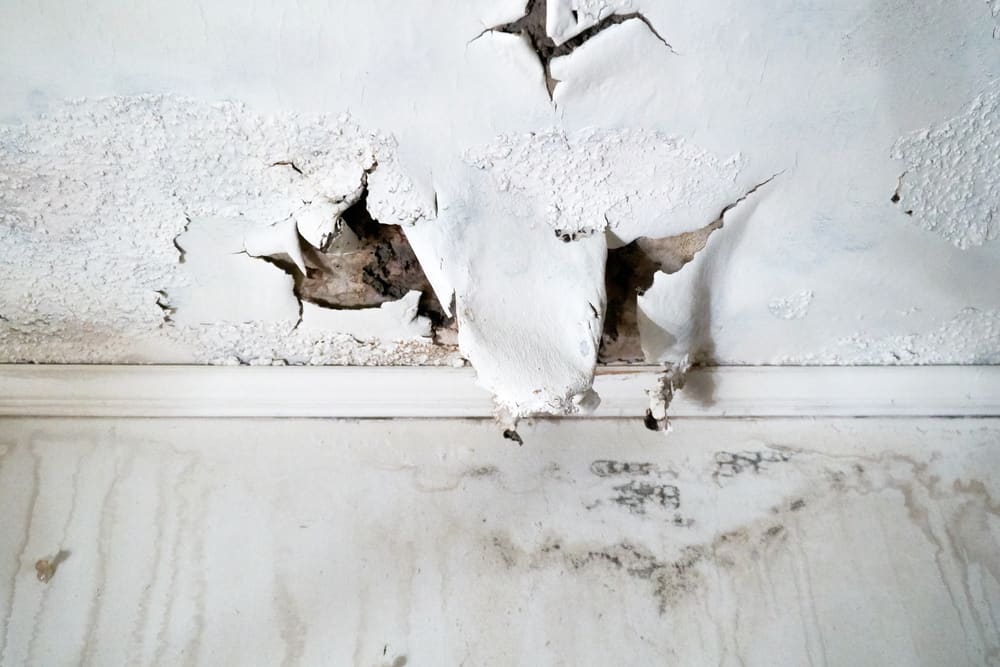
For Hewlett homeowners specifically, that certainty matters more than it does in most places. The housing stock here was primarily built in the 1940s. Those original pipes, drain tiles, and basement walls were never designed to last 80 years, and they don’t behave the way newer construction does when water gets in. A flooded basement in a mid-century Hewlett home often means moisture has already wicked into original plaster, original wood framing, and spaces a consumer dehumidifier will never reach.
Add the South Shore’s notoriously high water table — and the direct proximity to Hewlett Bay for residents in Hewlett Harbor and Hewlett Bay Park — and you have a flood risk profile that’s genuinely different from inland Nassau County. Getting it right the first time isn’t a preference here. It’s the only outcome that protects a home worth holding onto.
We’ve been working on Long Island homes for close to three decades. That span covers every major storm event that’s hit the South Shore — including Hurricane Sandy, which released 100 million gallons of raw sewage into Hewlett Bay and left Five Towns communities dealing with damage that took years to fully address. We’ve seen what coastal flooding does to the post-war housing stock in Hewlett, and we know how to restore it properly.
Our technicians are IICRC-certified, which means the work follows documented, insurance-recognized protocols — not guesswork. We’re also fully licensed, bonded, and insured, and we handle direct billing with your insurance company so you’re not stuck managing that process on top of everything else.
We cover Nassau County with a dedicated local team and a local phone number. When you call, you’re reaching people who know Hewlett, know the South Shore, and know what water damage looks like in a 1940s home — not a national call center dispatching crews from two states away.
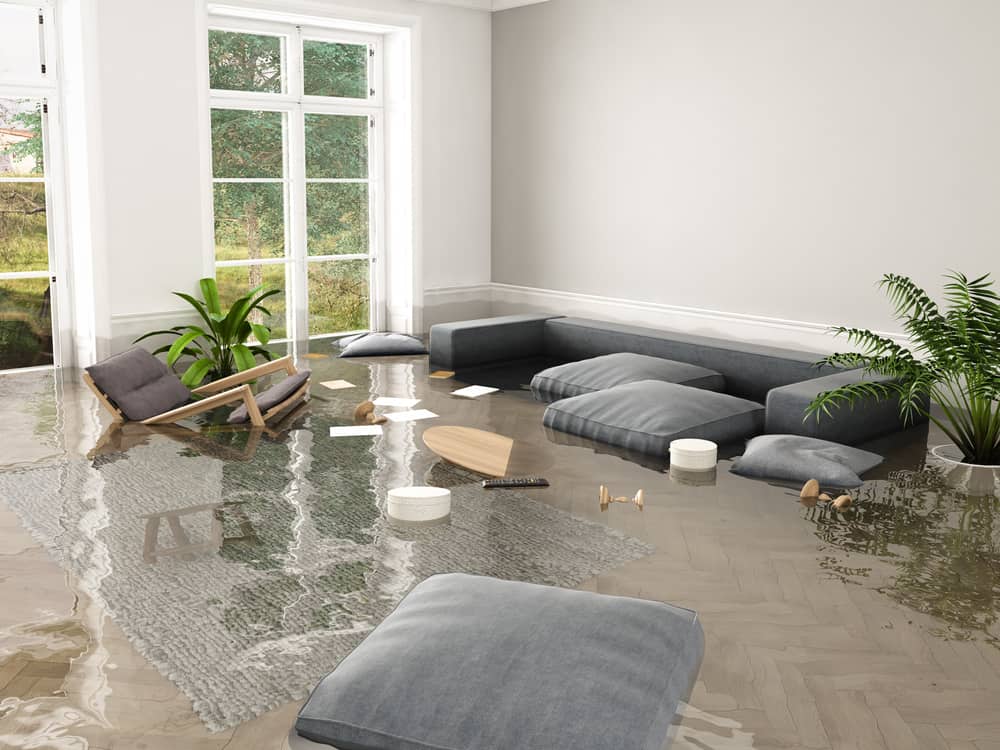
The first thing that happens when you call is simple: we listen. You tell us what you’re dealing with — a burst pipe, a flooded basement, storm water coming in after a nor’easter — and we give you a straight read on what needs to happen next. If it’s an emergency, we move immediately. If you’re assessing damage from earlier in the day, we walk you through what to do right now to limit the spread before we arrive.
On-site, we start with a full moisture assessment. This isn’t just checking the visible water — it’s mapping moisture inside walls, under flooring, and in structural cavities using professional-grade equipment. In Hewlett’s older homes, this step is especially important because original construction materials absorb and hold water differently than modern drywall and engineered wood. What looks dry on the surface is often not dry at all.
From there, we extract standing water, set industrial drying equipment, and monitor moisture levels over the following days until everything reads clean. If your home is in the unincorporated hamlet or one of the incorporated villages like Hewlett Harbor or Hewlett Bay Park, any structural repairs that follow will be permitted through the appropriate Town of Hempstead or village building department — we handle that coordination as part of the job. Throughout the process, we document everything your insurance company will need, and we work directly with your adjuster so you don’t have to be the go-between.

Ready to get started?
Water damage restoration in Hewlett isn’t a single service — it’s a sequence of connected work that has to be done in the right order to actually hold. We handle the complete scope: emergency water extraction, structural drying, dehumidification, antimicrobial treatment to prevent mold growth, full moisture documentation, insurance coordination, and reconstruction when structural repairs are needed. One company, one point of contact, from the water coming in to the home being back to normal.
For Five Towns homeowners dealing with burst pipe water damage, the work often goes deeper than it looks. Galvanized and cast iron pipes common in Hewlett’s 1940s-era homes can fail gradually before they fail completely, meaning water may have been seeping into wall cavities long before the visible event. We use thermal imaging and calibrated moisture meters to find what the water actually reached — not just what’s wet enough to feel.
For storm damage restoration after a coastal event — whether that’s a nor’easter pushing water in from Hewlett Bay or the kind of compound flooding the Nassau County Executive has specifically named the Five Towns for — the work includes assessing for Category 3 contamination when bay water or groundwater is involved. That’s a different remediation standard than a clean pipe burst, and it matters for both your health and your insurance claim. We apply the correct protocol for whatever type of water you’re dealing with.

It depends on what caused the flooding, and the distinction matters a lot. Standard homeowners insurance typically covers sudden, accidental water damage from internal sources — a burst pipe, a failed water heater, a washing machine overflow. It does not cover flooding that originates outside the home, meaning groundwater coming in through your foundation or storm surge from Hewlett Bay pushing water into your basement is generally not covered under a standard policy. For that type of damage, you’d need a separate flood insurance policy through the National Flood Insurance Program.
This is a particularly relevant distinction for Hewlett homeowners in the incorporated waterfront villages. Hewlett Harbor sits at an average elevation of about 8 feet above sea level — low enough that a significant coastal storm can push water inland in ways that a standard homeowners policy won’t touch. If you’re in a FEMA-designated flood zone, your mortgage lender may have already required flood coverage. If you’re not sure what you have, call your insurer before you need to find out the hard way. When you do have a covered claim, our IICRC-certified documentation gives your adjuster exactly what they need to process it correctly.
Faster than most people expect. The EPA’s guidance is clear: mold can begin growing within 24 to 48 hours of water exposure under the right conditions. Mold spores are already present in the air — they don’t need to travel far. They just need moisture and a surface, and in a flooded basement, they have both.
This timeline has a specific implication for Hewlett’s commuter households. If roughly 75% of residents are taking the LIRR to Penn Station and back, a pipe that bursts at 7 in the morning goes undiscovered until 7 at night. That’s 12 hours of standing water — already past the point where mold growth becomes a real risk, and well into the territory where moisture has begun wicking into wall cavities and subfloor material. By the time you’re stepping off the Far Rockaway Branch at the Hewlett station, the window for preventing mold has already narrowed. Calling immediately when you get home — not the next morning — is the difference between a drying job and a remediation job. We’re available around the clock specifically because this situation happens regularly in Hewlett.
Insurance companies draw a hard line between these two categories, and it directly affects whether your claim gets paid. Water damage, in insurance terms, refers to damage caused by water that originates inside the home — a burst pipe, an appliance failure, an overflowing toilet. Flood damage refers to water that comes from outside the home and inundates the property — storm surge, overflowing bodies of water, heavy rain accumulation. Standard homeowners policies cover the first category. They never cover the second. Flood coverage requires a separate policy.
For Hewlett residents near the bay, this distinction isn’t abstract. When a major nor’easter or tropical storm pushes water from Hewlett Bay into low-lying areas of Hewlett Harbor or Hewlett Bay Park, that’s flood damage — and without a separate flood policy, you’re paying out of pocket. The average water damage restoration claim nationally runs between $11,000 and $14,000, so understanding what your policy actually covers before something happens is worth the 20-minute conversation with your insurer. We’re happy to help you understand what documentation you’ll need regardless of which category your damage falls into.
For most water damage situations — a burst pipe, an appliance overflow, moderate basement flooding — the drying phase alone typically takes three to five days using professional-grade equipment. The full restoration process, including any structural repairs, generally runs closer to two to three weeks from start to finish. More extensive damage involving structural compromise or significant mold growth can extend that timeline considerably.
Hewlett’s older housing stock adds a layer of complexity that affects timing. Homes built in the 1940s often have original plaster walls, older insulation materials, and wood framing that holds moisture longer than modern construction. The drying process in these homes requires more monitoring and sometimes longer equipment run times to reach acceptable moisture levels throughout the structure — not just at the surface. We use calibrated moisture meters to track progress at every stage, so we’re not guessing when the job is done. We tell you the actual readings. If you’re planning around the disruption — especially if you’re commuting and need a realistic window — we’ll give you a straight timeline based on what we actually find on-site, not a number pulled out of thin air.
In most cases, yes — but it depends on the type and extent of the damage. If you’re dealing with a contained burst pipe situation and the affected area is limited, staying in the home is usually fine. Industrial drying equipment runs continuously and is loud, but it’s not a safety hazard for most clean-water events. The bigger consideration is air quality: when mold is present or when the water source involved sewage backup or bay water intrusion, the affected areas need to be contained and the air quality managed properly before it’s safe to occupy those spaces normally.
For Hewlett homes near the waterfront that experience storm surge or bay water intrusion, Category 3 contamination protocols apply — that’s water carrying bacteria, sewage, and other contaminants. In those situations, the affected areas of the home should be vacated until remediation is complete and air testing confirms the space is safe. We’ll be direct with you about what we find and what it means for your household. If temporary displacement is necessary, we document that recommendation in a way that supports any insurance claim you may have for additional living expenses.
Hewlett’s housing stock was primarily built in the 1940s, which means most of the original plumbing in these homes is 75 to 85 years old. Galvanized steel pipes — the standard material of that era — have a functional lifespan of roughly 40 to 70 years. Past that point, corrosion builds up on the interior of the pipe, restricting flow and creating weak points that eventually fail. Cast iron drain lines face similar degradation. On the South Shore, where the water table is high and soil conditions can shift seasonally, the external pressure on aging pipes adds another stress factor that accelerates deterioration.
When a pipe fails, the first thing to do is shut off the water supply — find your main shutoff valve and close it immediately. Then call a restoration company before you call a plumber. We fix what the water did; the plumber fixes the pipe. Those are two separate jobs, and the sequence matters because water moves fast in an older Hewlett home. It follows the path of least resistance into wall cavities, subfloor material, and insulation — and the longer it sits, the more it spreads. Call us at any hour, describe what you’re seeing, and we’ll walk you through exactly what to do while we’re on the way.
Useful Links
Other Services we provide in Hewlett