
Water Damage Restoration in Kings Point, NY
When Long Island Sound Comes Through Your Front Door
Hear from Our Customers

Flood Restoration Kings Point, NY
When water gets into your home, the clock starts immediately. The EPA is clear: you have 24 to 48 hours before mold begins to take hold. What you do in those first hours determines whether you’re dealing with a manageable cleanup or a months-long remediation project. The outcome you’re looking for isn’t just dry floors it’s confidence that the problem is actually solved, not just hidden.
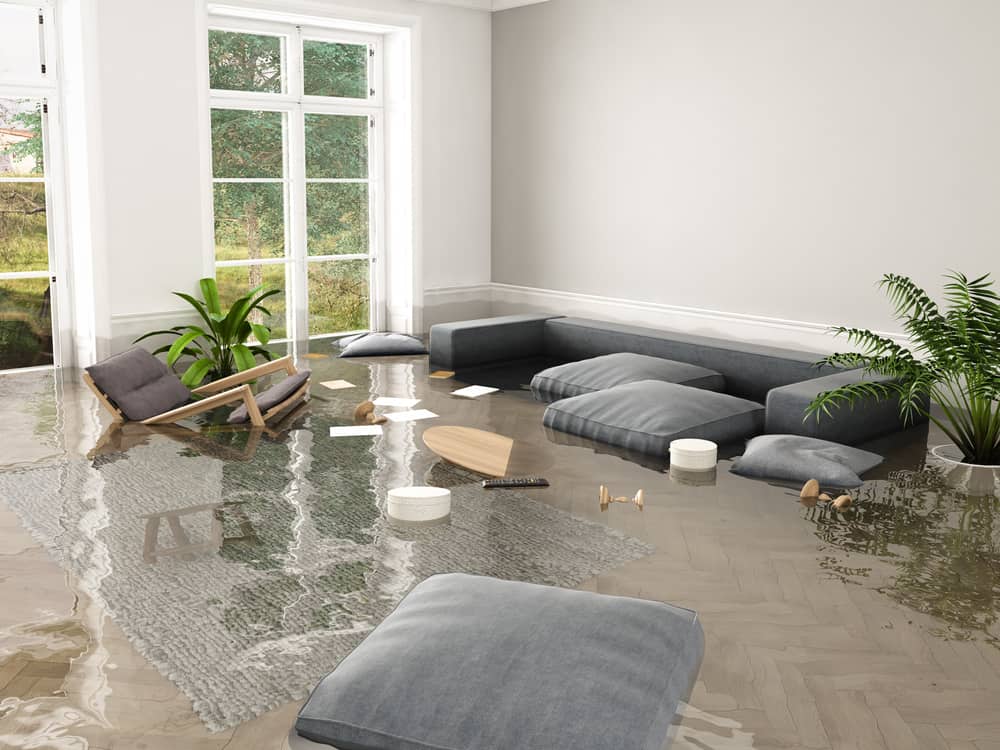
For Kings Point homeowners, that outcome comes with an extra layer of complexity. This village recorded the highest storm surge in New York State during Hurricane Sandy 12.65 feet above normal tide levels, measured right here at the Kings Point NOAA gauge. When Long Island Sound or Manhasset Bay pushes water into your home, that’s not a freshwater event. Saltwater is classified as Category 3 under industry restoration standards, meaning it carries contaminants, accelerates corrosion, and leaves salt deposits inside porous materials that continue drawing moisture long after the water is gone. Getting truly dry requires a different approach than a standard burst pipe cleanup.
What you get when the job is done right: no hidden moisture inside walls or under floors, no mold developing weeks later, documentation that holds up with your insurance company, and a home that’s structurally sound not just surface-dry. That’s the outcome worth working toward.
Residential Water Damage Repair Kings Point, NY
We’ve been restoring Long Island homes for nearly three decades. That’s not a marketing number it means the team that shows up at your door has worked in homes exactly like yours, on the North Shore, in Nassau County, through nor’easters and named storms and the kind of pipe failures that happen in 100-year-old plaster-wall houses at two in the morning.
Kings Point’s housing stock is genuinely different from most of Long Island. Tudor Revivals from the Roaring Twenties, Gold Coast Colonials, estate homes with original plumbing and finished basements that weren’t designed with flood risk in mind these structures hold water differently, and they require a team that understands what’s behind the walls before we start pulling them apart. Our IICRC-certified technicians bring that knowledge to every job.
We’re licensed, bonded, and insured, and we work directly with your insurance company handling the documentation, the adjuster communication, and the paperwork so you don’t have to fight that battle while your home is still wet.
24/7 Water Damage Restoration Kings Point, NY
When you call, you reach a real person not a call center routing your job to whoever’s available. We dispatch from Nassau County, which matters in Kings Point because Middle Neck Road is the only road into the village. Local teams who know the area don’t waste time getting there.
The first thing that happens on-site is an assessment not a sales pitch. We use moisture meters and inspection equipment to map where the water has actually traveled, including inside walls, under floors, and in structural cavities that look dry on the surface. This step is what separates a real restoration from a surface cleanup. Once the scope is documented, water extraction begins immediately using industrial-grade equipment that consumer fans and wet-vacs simply can’t replicate.
From there, the drying phase typically runs three to five days, with professional dehumidifiers and air movers placed strategically based on the moisture mapping. If the event involved saltwater intrusion storm surge from the Sound or Manhasset Bay the process includes antimicrobial treatment and Category 3 remediation protocols, because saltwater damage requires more than drying. Any reconstruction work, from drywall replacement to structural repairs, is coordinated with the Village of Kings Point’s building department for permitting, and we handle that process as part of the job. You get one point of contact from start to finish.
Ready to get started?
Burst Pipe and Flood Damage Restoration Kings Point
Water damage in Kings Point doesn’t come from one direction or one cause. The village’s three-sided waterfront exposure means storm surge flooding from Long Island Sound or Manhasset Bay is a real seasonal risk particularly in September, when Atlantic hurricane season peaks, and through the winter months when nor’easters push surge up the Sound toward the Great Neck Peninsula. At the same time, Kings Point’s older housing stock creates significant internal risk: aging pipes, extended plumbing runs in large estate homes, unheated wings, and basement mechanical systems that were installed decades ago. Burst pipe water damage during a hard freeze is one of the most common calls we receive from North Shore homeowners.
The full scope of what we cover includes emergency water extraction, structural drying, basement water extraction, mold inspection and remediation, antimicrobial treatment for contaminated water events, contents assessment, and complete reconstruction. For coastal flooding events involving saltwater intrusion, the process follows Category 3 protocols the most intensive remediation standard because salt-laden water is corrosive to electrical systems, HVAC components, and porous building materials in ways that standard dryout procedures don’t address.
We also handle the insurance side directly. This matters especially in Kings Point, where a flooding event may involve both a standard homeowners policy and a separate NFIP flood insurance policy each with different documentation requirements. We know how to build the claim file from the first hour on-site, which protects your coverage and reduces the risk of a denial.

Does homeowners insurance cover storm surge flooding in Kings Point, NY?
This is one of the most important questions for Kings Point homeowners to understand before a flooding event happens, not after. Standard homeowners insurance covers sudden, accidental water damage from internal sources a burst pipe, an appliance failure, a roof leak that lets rain in. It does not cover storm surge flooding. If water from Long Island Sound or Manhasset Bay enters your home during a storm, that is classified as a flood event, and flood damage is only covered under a separate NFIP flood insurance policy or a private flood policy.
Many Kings Point homeowners carry both types of coverage, particularly those in FEMA-designated flood zones along the village’s coastal and creek-adjacent areas. The complication is that a single water damage event can involve both policies internal pipe damage covered under homeowners, and storm surge damage covered under flood insurance with different documentation requirements for each. We work directly with both types of insurance, and we document the damage from the first assessment in a way that supports both claims simultaneously. Getting that documentation right from the start is what protects your coverage.
How fast does mold grow after a basement floods in a Kings Point home?
Mold spores can begin germinating within 24 hours under the right conditions, and visible growth typically appears within 48 to 72 hours. The EPA recommends drying water-damaged areas within that same 24 to 48 hour window which means the timeline for acting is essentially immediate. Waiting to see how things dry out on their own is how a manageable water damage event becomes a full mold remediation project.
In Kings Point specifically, the risk is compounded by the type of water involved in many flooding events. Saltwater from storm surge leaves salt deposits inside drywall, insulation, and subfloor materials that continue drawing moisture from the air even after the surface appears dry. That sustained moisture creates ideal conditions for mold growth in places you can’t see inside wall cavities, under original hardwood floors, behind baseboards. Consumer-grade fans don’t reach these areas. Professional drying equipment, moisture mapping, and antimicrobial treatment are what actually stop the cycle. The sooner professional extraction and drying begins, the smaller the mold risk and the lower the overall restoration cost.
What does Category 3 water damage mean and why does it matter for my restoration?
Water damage is classified into three categories under the IICRC S500 standard, and the category determines the remediation protocol required. Category 1 is clean water a burst supply pipe, for example. Category 2 is gray water, which carries some contamination, like a washing machine overflow. Category 3 is black water the most hazardous classification and it includes sewage backups, groundwater intrusion, and any water that has been exposed to the outdoors, including storm surge and floodwater.
For Kings Point homeowners, Category 3 is the relevant classification for any coastal flooding event involving water from Long Island Sound or Manhasset Bay. Saltwater carries biological contaminants, is highly corrosive to metal components and electrical systems, and leaves salt deposits in porous materials that accelerate structural deterioration and mold growth. Restoring a Category 3 water damage event is not the same process as drying out a burst pipe it requires full extraction, antimicrobial treatment, and in many cases removal and replacement of affected materials that cannot be adequately decontaminated. Working with an IICRC-certified team that understands this distinction is also important for your insurance claim, since insurers use these categories to evaluate whether the work was performed to the correct standard.
How long does water damage restoration take in a large Kings Point home?
The timeline depends on the size of the affected area, the type of water involved, and how quickly professional drying begins. For a typical water damage event a burst pipe affecting one or two rooms the extraction and drying phase usually runs three to five days, followed by any necessary reconstruction. For a more extensive event involving multiple floors or a large finished basement, the total timeline can run two to three weeks from initial extraction through final repairs.
Kings Point’s housing stock adds a layer of complexity that affects timelines. Estate-scale homes some exceeding 9,000 square feet with original plaster walls, hardwood subfloors, and complex mechanical systems require more thorough moisture mapping and longer drying times than a standard post-war ranch. Moisture hides differently in older construction materials, and rushing the drying phase to meet an arbitrary timeline is one of the most common causes of mold problems that appear weeks after an apparent cleanup. We use industrial drying equipment and monitor moisture levels throughout the process, extending the drying phase as needed rather than closing up walls before the readings confirm the structure is truly dry. Any reconstruction work requiring permits is coordinated with the Village of Kings Point’s building department as part of the process.
Can I stay in my home during water damage restoration in Kings Point?
In many cases, yes but it depends on the scope of the damage and the type of water involved. For a localized burst pipe event affecting one room or a portion of the basement, most homeowners can remain in the home while drying equipment runs. The equipment is loud and the affected areas will be inaccessible, but the rest of the house remains livable.
For larger events particularly those involving Category 3 water from storm surge, sewage backup, or extensive flooding temporary relocation is often the safer and more practical choice. Category 3 water carries contaminants that make the affected areas genuinely hazardous until remediation is complete, and in a large Kings Point home where the flooding has reached multiple rooms or the HVAC system, the contamination risk can extend beyond the visibly affected areas. Your insurance policy may cover temporary housing costs in these situations both standard homeowners policies and NFIP flood policies often include loss of use coverage. We can help you document the scope of the damage in a way that supports that portion of your claim as well.
How do I choose a water damage restoration company in Kings Point, NY?
The most important thing to confirm before hiring anyone is IICRC certification. The IICRC S500 is the industry standard that governs how water damage restoration is supposed to be performed and it’s the standard insurance companies use to evaluate whether a claim was handled correctly. A company without certified technicians may do work that looks complete but doesn’t meet the documentation or process requirements your insurer needs to pay the claim. In a high-value market like Kings Point, where a single restoration job can involve a complex coastal flooding event, an aging estate home, and multiple insurance policies, that certification gap can cost you significantly.
Beyond certification, look for a company with genuine local experience not a national franchise that dispatches crews from outside the area. Kings Point has specific characteristics that matter: the saltwater flooding risk from Long Island Sound and Manhasset Bay, the older housing stock with original plaster and hardwood, the single-road peninsula access via Middle Neck Road, and the need to coordinate reconstruction permits with the Village of Kings Point’s building department. A company that has been working in Nassau County for nearly 30 years has navigated all of these factors before. That experience is not something a newer operation or a franchise model can replicate, regardless of what their marketing says.
Useful Links
Other Services we provide in Kings Point