
Water Damage Restoration in Laurel Hollow
When Laurel Hollow's Terrain Works Against Your Foundation
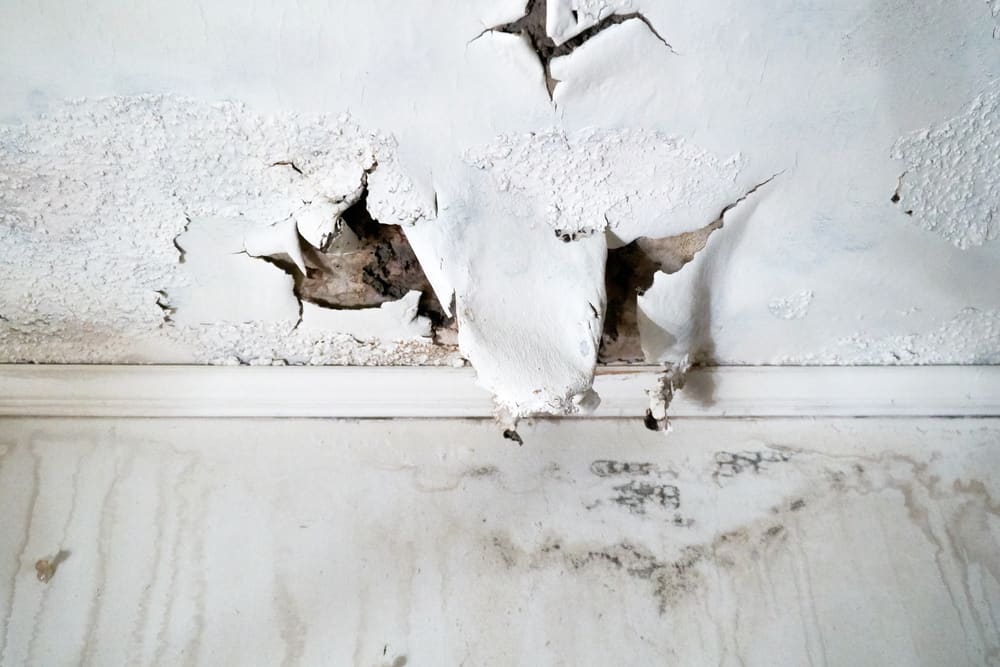
Hear from Our Customers

Flood Restoration Laurel Hollow, NY
When water gets into a Laurel Hollow home, the stakes are different than almost anywhere else on Long Island. You’re dealing with a property that may be worth well over a million dollars, a finished basement with materials that don’t come cheap, and a house that was likely built before 1970 which means aging pipes, older construction, and more places for moisture to hide than you’d expect.
The rolling, wooded terrain here works against you in ways that flat suburban communities never have to think about. Every heavy rainstorm sends water downhill through acres of forested soil, straight toward the lowest point of your foundation. Dense tree canopy means gutters and downspouts fill with leaf debris faster than almost anywhere else in Nassau County. When those systems back up or get overwhelmed, water doesn’t stop at the door it finds its way in.
What you get when you call us isn’t just extraction. It’s a full assessment of where the moisture actually went inside walls, under flooring, behind baseboards followed by the drying, dehumidification, and documentation needed to protect both your home and your insurance claim. The goal isn’t to make it look dry. It’s to make sure it is dry.
Residential Water Damage Repair Laurel Hollow
We’ve been working on Long Island homes since the mid-1990s. That’s not a marketing number it’s the difference between a company that knows what water damage looks like in a 1969 Nassau County estate home and one that’s still figuring it out.
Laurel Hollow sits right on the Nassau/Suffolk line, and we cover both sides. Our Nassau County team handles the village itself, and the same company serves the Cold Spring Harbor and Lloyd Harbor communities just across the county border. One call, one company, no handoffs between contractors who don’t talk to each other.
We’re IICRC-certified, licensed, bonded, and insured. Those credentials matter here specifically because Laurel Hollow is an incorporated village with its own building department separate from the Town of Oyster Bay. Structural restoration work in this village requires permits pulled from the Village of Laurel Hollow directly, and a company with genuine local experience knows that going in.
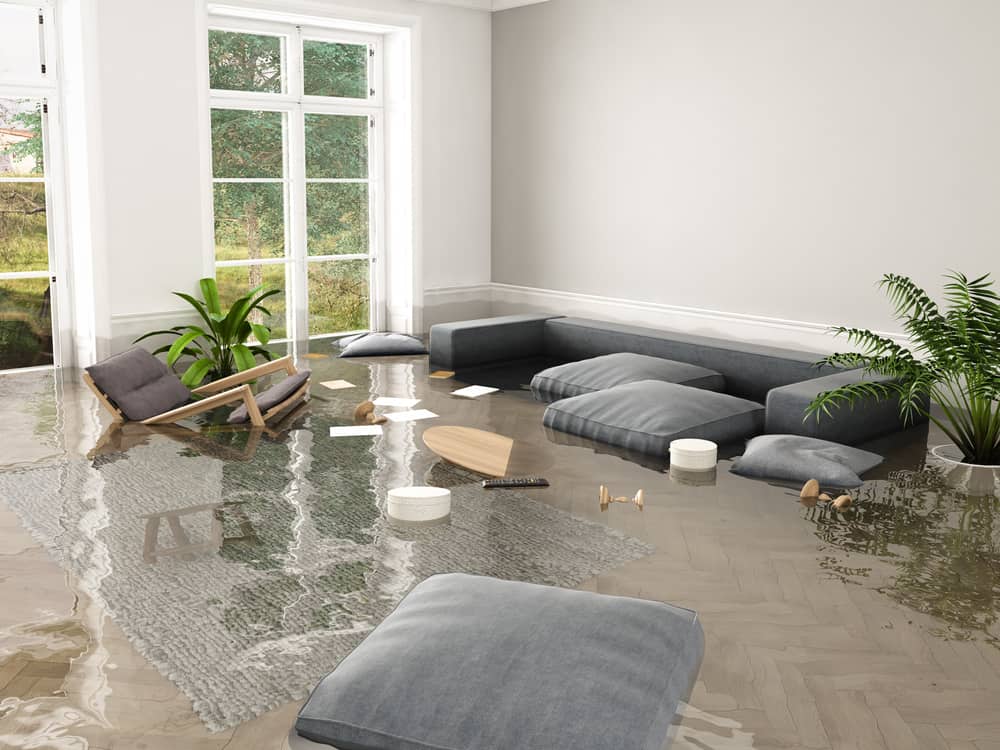
24/7 Water Damage Restoration Laurel Hollow, NY
When you call, someone picks up day or night. The EPA is clear that water-damaged areas need to be dried within 24 to 48 hours to stop mold from taking hold, so the response timeline matters from the first minute. A crew gets to your property, assesses the full scope of the damage, and starts extraction immediately. No waiting for a quote approval while your subfloor absorbs more moisture.
Once the water is out, the real work begins. Industrial-grade air movers and dehumidifiers go in to pull moisture from the places you can’t see inside wall cavities, under flooring, behind finished surfaces. Moisture meters confirm what’s dry and what isn’t, because in a Laurel Hollow home with custom finishes and high-value materials, “looks dry” is not the standard. In homes built in the 1960s and earlier, construction methods often mean moisture travels farther and hides better than in newer builds.
If the damage requires structural repairs or reconstruction, we handle that too same company, same point of contact, direct billing to your insurance carrier. Because Laurel Hollow is an incorporated village, any permitted structural work goes through the village’s own building department, not the Town of Oyster Bay. That’s a distinction that matters when the permit gets pulled, and it’s one we already know.
Ready to get started?
Basement Water Extraction Laurel Hollow, NY
Water damage restoration in Laurel Hollow isn’t a one-step job. The service starts with water extraction and moves through structural drying, dehumidification, moisture mapping, antimicrobial treatment where needed, and full documentation for your insurance claim. If the damage extends to drywall, flooring, framing, or finished spaces, we handle the rebuild in-house no subcontractors, no coordination gaps, no second company coming in without context.
Burst pipe water damage is one of the most common calls we receive from this area, especially in winter. Laurel Hollow’s older homes often have pipes running through exterior walls, unheated garages, and crawl spaces sections that are vulnerable when temperatures drop and power outages knock out heat. A burst pipe in a large estate home can affect far more square footage than the same event in a compact suburban house, and the drying scope scales accordingly.
Storm damage restoration is the other major driver here. The north shore’s exposure to Long Island Sound means nor’easters push wind-driven rain into rooflines and siding in ways that south shore communities don’t experience. We’re equipped for the full range of water damage that Laurel Hollow’s location and terrain create.

Does homeowners insurance cover water damage from a burst pipe in Laurel Hollow?
In most cases, yes standard homeowners insurance covers sudden, accidental water damage from internal sources like burst pipes, failed water heaters, or appliance connections that give out without warning. What it does not cover is flooding from external sources, which requires a separate flood insurance policy. That distinction matters in Laurel Hollow, where storm surge from Long Island Sound and groundwater pressure from the village’s hilly terrain can sometimes look like internal water damage but get classified differently by an adjuster.
The key to a successful claim is documentation. An adjuster needs to see the source of the damage, the affected areas, and evidence that the damage was sudden not the result of a slow, unaddressed leak over months. We work directly with your insurance company, handle the documentation from the start, and bill the insurer directly. In a home valued at over a million dollars, getting that process right from day one protects the full value of your claim.
How quickly does mold start growing after water damage in my home?
The EPA states that mold can begin developing within 24 to 48 hours of water exposure under the right conditions. Mold spores are already present in the air all they need is moisture and a surface to land on. In a Laurel Hollow home with finished basement spaces, wood framing, drywall, and high-end materials, those surfaces are everywhere.
What makes this timeline especially important here is the size and complexity of the homes. A large estate home has more square footage to dry, more hidden cavities where moisture can sit undetected, and more finished surfaces that retain moisture longer than bare concrete. Consumer-grade fans and wet-vacs don’t reach inside wall cavities or under flooring which is exactly where mold establishes itself before you ever see it. Professional extraction and structural drying equipment is the only way to reliably stay inside that 24 to 48 hour window. Calling immediately after you notice water isn’t overcaution it’s the decision that keeps a manageable restoration from becoming a mold remediation project on top of everything else.
What causes basement flooding in Laurel Hollow homes specifically?
The most common causes in this village break down into a few categories. First is the terrain itself Laurel Hollow’s hilly, wooded landscape means heavy rainfall moves downhill through soil and concentrates against foundation walls. Unlike flat communities, there’s no natural dispersal across level ground. That hydrostatic pressure builds against basement walls and floor slabs, and older foundations many of which were built in the 1960s or earlier weren’t always designed to handle sustained groundwater pressure.
Second is drainage failure. The village’s dense deciduous tree canopy deposits enormous volumes of leaf debris into gutters and downspouts every fall. When those systems clog, water overflows at the roofline and discharges too close to the foundation instead of being directed away from it. Third is aging infrastructure burst pipes, failing water heaters, and worn appliance connections are all more likely in homes that are 55 or more years old. Laurel Hollow’s housing stock falls squarely in that range, with a median build year of 1969. Any one of these factors can send water into a finished basement. In a storm, they can combine.
How long does water damage restoration take for a Laurel Hollow home?
For most water damage situations, the drying phase alone takes three to five days using professional equipment. A moderate flooding event affecting one or two rooms typically resolves within one to two weeks from initial extraction through final repairs. More extensive damage widespread flooding, structural involvement, or mold remediation on top of water damage can extend the timeline to several weeks or longer.
In Laurel Hollow specifically, the size of the homes affects the timeline. A large estate with an expansive finished basement, multiple affected rooms, or custom materials that require careful handling will take longer to restore properly than a compact suburban house. Rushing the drying phase to shorten the timeline is one of the most common mistakes in the industry it leaves residual moisture in structural cavities that shows up as mold weeks later. We use moisture meters throughout the process to confirm that drying is complete before any reconstruction begins, which is the only way to guarantee the job is actually finished and not just visually complete.
Can I stay in my home during water damage restoration in Laurel Hollow?
It depends on the scope and location of the damage. For contained events a burst pipe in a single bathroom, a water heater failure in a utility room most homeowners can remain in the home while restoration equipment runs. Industrial dehumidifiers and air movers are loud and will run continuously, but they don’t prevent you from using unaffected areas of the house.
For more extensive flooding a finished basement with significant water intrusion, damage affecting HVAC systems, or any situation involving sewage backup or Category 3 contaminated water temporary relocation is often the safer and more practical choice. In a Laurel Hollow home where the basement may include living spaces, a home office, or finished rooms with high-value materials, the equipment footprint during restoration can be substantial. Your insurance policy may cover temporary housing costs if the damage is severe enough to make the home uninhabitable, and we can help document that determination as part of the claims process.
Does First Response Restoration and Cleaning Inc. handle the insurance claim process for Laurel Hollow homeowners?
Yes, and it’s one of the most practical reasons to call early rather than waiting until after you’ve spoken with your insurer. We work directly with insurance companies handling documentation, direct billing, and the coordination between your adjuster and our restoration team. You don’t have to serve as the go-between while your basement is still wet.
For Laurel Hollow homeowners, this matters more than in most places. High-value properties generate high-value claims, and the documentation that supports a full and fair settlement has to be thorough from the start. That means proper damage categorization, moisture mapping records, photographic documentation, and a clear account of the source and scope of the damage all of which need to happen before work begins, not after. Adjusters look for gaps in documentation as a basis for reducing or denying claims. Having a restoration team that understands this process and has been working with Long Island insurance adjusters for nearly 30 years puts you in a much stronger position from the first day of the job.
Useful Links
Other Services we provide in Laurel Hollow