

Hear from Our Customers
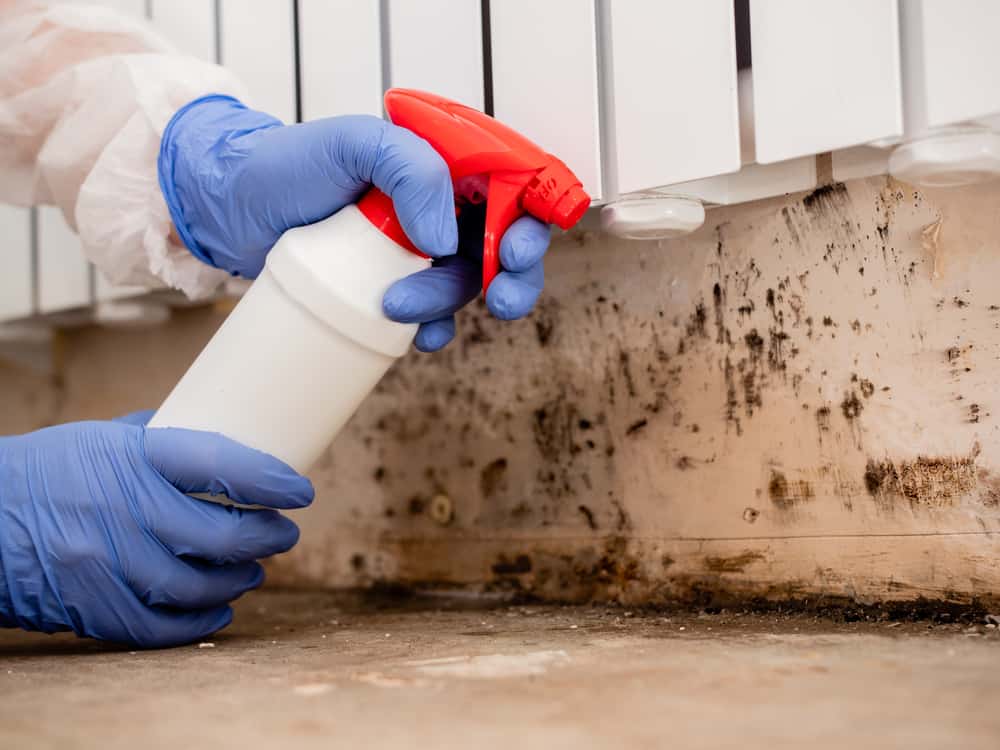
Franklin Square’s housing stock is predominantly 70 to 80 years old. These homes were built fast, built well for their time, and then modified repeatedly — dormers added, attics finished, basements waterproofed with methods that have long since stopped holding up. Every one of those changes created new places for moisture to collect and sit. Mold doesn’t need much. It needs 48 hours and a damp surface.
The flat terrain of the Hempstead Plains means drainage is slow and the water table is shallow. When it rains hard — or when the ground thaws in spring — basements in Franklin Square flood. That’s a documented, recurring pattern. Once the water is gone and the basement looks dry, most homeowners assume the problem is over. It usually isn’t.
A professional mold inspection gives you a real picture of what’s happening inside your home — not a guess, not a visual scan, but certified lab results that tell you what species are present, at what concentration, and whether your indoor air quality is genuinely elevated above the outdoor baseline. For a home worth $600,000 or more, that difference matters.
First Response Restoration and Cleaning Inc. has been serving Nassau and Suffolk County homeowners for 31 years. I hold a personal New York State Department of Labor mold assessor and remediator license — the credential required under Article 32 of NY Labor Law since 2016. Every technician on our staff is IICRC-certified. Not just me. Everyone who walks through your door.
That matters in a market where licensing requirements are real and fines for unlicensed mold work can reach $10,000. Before you hire anyone for mold inspection in Franklin Square or anywhere in Nassau County, ask for their NYS DOL license number. If they can’t give you one, that’s your answer.
We’ve worked in homes throughout the western Nassau County communities — Franklin Square, West Hempstead, Elmont, Garden City South, North Valley Stream — long enough to know the specific vulnerabilities of this area’s housing. The Cape Cod attic problems. The basement flooding patterns along the Hempstead Plains. The moisture traps that decades of home modifications leave behind. This isn’t generic restoration knowledge. It’s local.
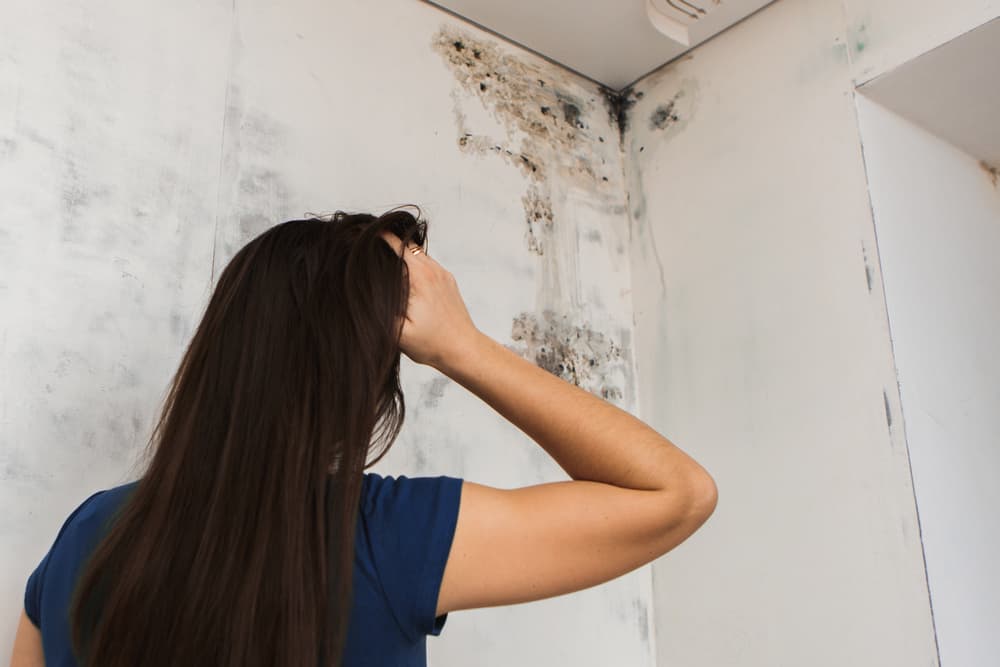
When one of our technicians arrives at your Franklin Square home, we’re not doing a walkthrough with a flashlight. The inspection follows a defined five-point protocol that covers the full picture — not just what’s visible on the surface.
It starts with air testing and surface swab sampling, which we send to a certified laboratory for analysis. While samples are collected, our technician runs a moisture meter through the areas of concern — walls, floors, ceilings, basement perimeter — to identify elevated moisture levels that indicate active or recent water intrusion. Infrared technology is used to scan enclosed spaces like attic cavities and wall interiors for temperature differentials that signal moisture behind surfaces you can’t see. In an expanded Cape Cod where the second floor was finished decades ago, this step alone can find a mold colony that no visual inspection would ever catch.
The lab results come back with mold species identification, spore concentration levels, and a comparison against outdoor baseline samples taken the same day. That comparison is what tells you whether your indoor air quality is actually elevated — not just whether mold spores exist, which they always do to some degree. The final written report documents everything: findings, lab results, photographs, and specific remediation recommendations. That report is what your insurance company, real estate attorney, or physician will actually accept. New York State requires licensed mold assessors for this work — and we meet that requirement in full.
Ready to get started?
Our mold inspection service isn’t scoped to a single room or a single concern. It’s a comprehensive assessment of your home’s full mold risk — the visible and the hidden, the confirmed and the suspected.
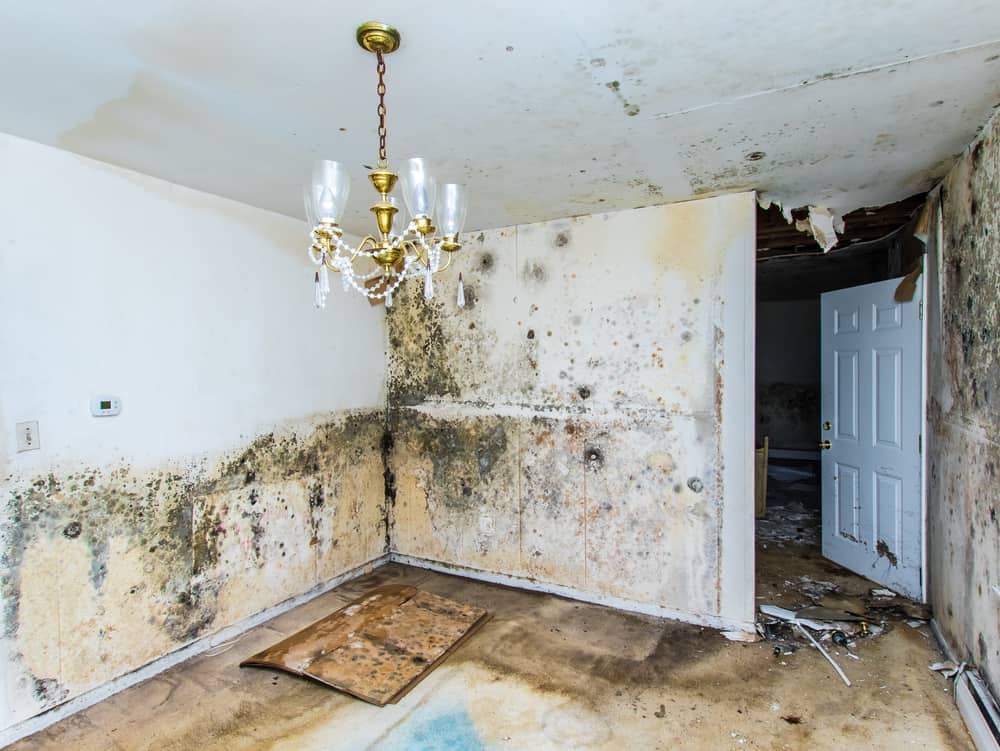
For Franklin Square homeowners, that means specific attention to the areas this community’s housing stock is most vulnerable to: attic spaces in Cape Cods where ventilation was never designed for a finished second floor, basement walls where hydrostatic pressure from the shallow Hempstead Plains water table forces moisture through aging concrete, and wall cavities where decades of plumbing slow-leaks have gone undetected behind original plaster-and-lath construction. These aren’t hypothetical risks. They’re the exact conditions that generate mold inspection calls in this ZIP code.
If the inspection finds mold, you don’t have to start over with a new company. We handle remediation and full restoration under one roof — the same team that assessed your home writes the remediation plan and executes it. For homeowners managing a real estate transaction on a tight closing timeline, or filing an insurance claim that requires documented evidence, or simply trying to understand why a family member has had chronic respiratory issues, the written lab report we deliver is the document that moves things forward. It’s accepted by insurance carriers, real estate attorneys, and healthcare providers — because it comes from a licensed, certified, 31-year company that does this work the right way.
Not always — but the risk is high enough that you shouldn’t assume you’re in the clear just because the water is gone. Mold can begin growing within 24 to 48 hours of a water intrusion event, and it doesn’t need standing water to get started. It needs moisture, and moisture lingers in wall cavities, under flooring, and inside insulation long after the visible surface looks dry.
Franklin Square’s basement flooding pattern is well-documented. The flat terrain and shallow water table in this part of Nassau County mean that during heavy rain or spring thaw, basements take on water — sometimes repeatedly over the years. Each event that isn’t followed by a professional moisture assessment is a potential mold event that went undetected. If your basement flooded in the last 12 months and you haven’t had a mold inspection, that’s the first call worth making.
Mold testing refers specifically to the lab analysis of air or surface samples — it tells you what mold species are present and at what concentration. Mold inspection is the broader process: a physical assessment of your home to identify moisture sources, visible mold, hidden mold risk areas, and the conditions that are allowing mold to grow. Testing is part of a thorough inspection, but testing alone — without the physical assessment — can miss the source entirely.
What most homeowners in Franklin Square actually need is a full mold inspection that includes testing. If you only run air samples without understanding where the moisture is coming from, you might get a positive result and still have no idea what to do about it. A complete inspection identifies the source, documents the extent, and gives you a remediation path — not just a lab result that raises more questions than it answers.
Nationally, professional mold inspections average around $670, with a typical range of $300 to just over $1,000 depending on the size of the home and the scope of the assessment. For a Franklin Square home valued at $600,000 or more, that’s a proportionate and rational investment — especially when the alternative is discovering a mold problem after closing on a purchase, or after a remediation situation has grown from a contained issue into a $10,000-plus project.
The cost of the inspection also needs to be weighed against what it produces: a certified lab report with documented findings that your insurance company will accept, that your real estate attorney can use in a transaction, and that your physician can reference if there’s a health concern involved. A verbal walkthrough from an unlicensed contractor doesn’t produce any of that. The inspection cost is the price of actually knowing — and in a market where homes change hands at these values, knowing is worth it.
New York State requires mold assessors, mold contractors, and mold abatement workers to be licensed under Article 32 of the NY Labor Law — a requirement that has been in effect since January 1, 2016. Fines for unlicensed mold work can reach $10,000, and work performed by an unlicensed contractor carries no legal standing. That means if you’re filing an insurance claim or involved in a real estate transaction, a report from an unlicensed inspector won’t hold up.
Franklin Square is an unincorporated hamlet governed by the Town of Hempstead and Nassau County — there’s no additional village-level licensing layer here, but the state requirement applies in full. Before you hire any mold inspection company in Nassau County, ask for their NYS Department of Labor license number and verify it. A legitimate licensed company will have it ready. I hold a personal NYS mold assessor and remediator license, and every technician on our staff holds IICRC certification — so the credentials go all the way down the team, not just to the top.
Yes — and it’s one of the more common mold scenarios in Franklin Square specifically. The Cape Cod style that dominates the community’s housing stock creates attic conditions that are prone to moisture buildup, particularly in homes where the original attic space was later finished, insulated, or had a dormer added. When those modifications were made — often decades ago, by various contractors — new moisture pathways were created inside wall cavities and ceiling structures that are completely enclosed and invisible from the surface.
Inadequate ventilation is the core issue. When warm, humid interior air meets the cold underside of the roof deck in winter, condensation forms. Over time, that condensation feeds mold growth on the roof sheathing, rafters, and insulation — none of which you’d see without going up there and looking, or using infrared technology to detect the temperature differentials that indicate moisture behind the surface. If your Franklin Square home is a Cape Cod that’s been expanded or had attic work done, an attic mold inspection is a reasonable precaution — especially before winter seals the home up and traps that moisture cycle for another season.
Insurance companies require mold inspection documentation to come from a licensed professional — not a general contractor, not a handyman, and not a company that can’t produce a valid NYS Department of Labor license number. The report needs to include certified laboratory results, documentation of the moisture source, photographs, and specific remediation recommendations. A report that checks all of those boxes from a licensed, insured company is what moves an insurance claim forward.
Where homeowners in Nassau County run into trouble is hiring someone who does a visual walkthrough, writes up a summary, and calls it an inspection report. That document won’t satisfy an adjuster. What will is a written lab report from a company like ours — licensed, bonded, insured, and operating under the same Article 32 requirements that New York State enforces across the board. If you’re filing a claim after a basement flood or storm damage event in Franklin Square, get the inspection done right the first time. Redoing it with a qualified company after a claim gets rejected costs more time and money than doing it correctly from the start.
Useful Links
Other Services we provide in Franklin Square