

Hear from Our Customers
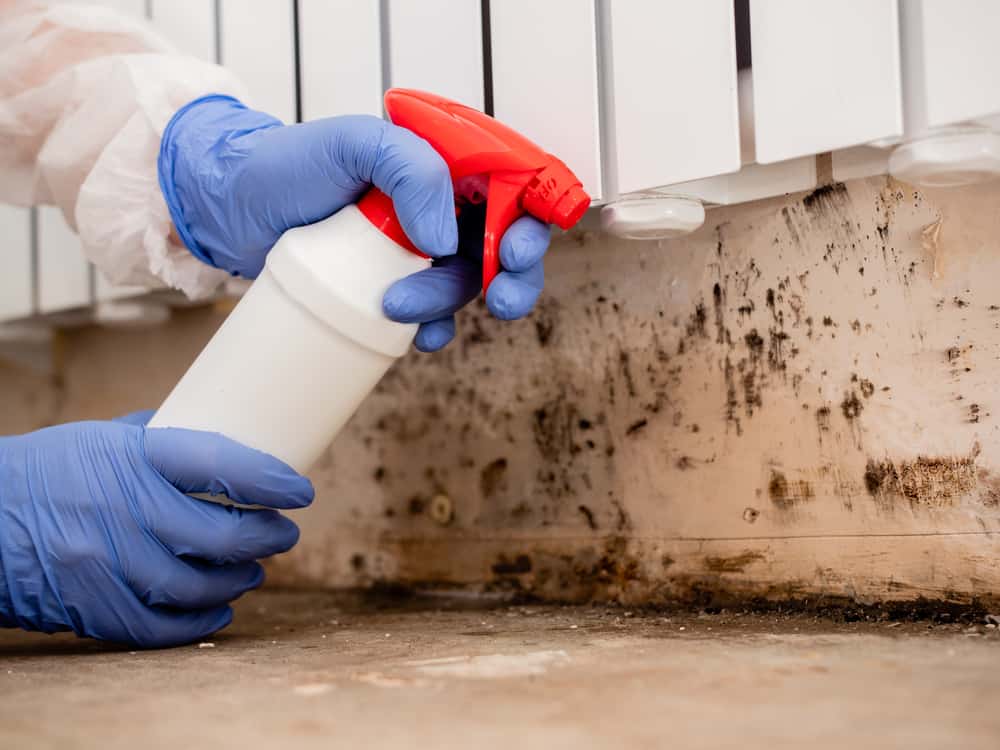
A lot of homeowners in Garden City don’t find out they have a mold problem until they’re already in the middle of a real estate transaction — or until someone in the house starts dealing with symptoms that don’t go away. By then, the question isn’t whether mold is there. It’s how far it’s spread and what it’s going to cost to fix it.
A professional mold inspection gives you a clear, documented answer. Not a guess, not a visual opinion — actual air sample data, surface swab results, and a written lab report that tells you exactly what species are present, at what concentration, and whether your indoor air quality is elevated above normal outdoor baselines. That last part matters more than most people realize. It’s the difference between a legitimate finding and a false alarm.
Garden City’s housing stock makes this especially important. Homes in the Central Section and Estates Section were built in eras when moisture barriers weren’t standard, and decades of plumbing updates, roof replacements, and interior renovations have created entry points that aren’t obvious from the outside. Basements near the Meadowbrook Parkway corridor flood seasonally. Steeply pitched Tudor and Colonial rooflines develop ice dams in winter that push water into attic insulation quietly, for years, before anyone notices. You need an inspection built for the conditions these Garden City homes actually live in — not a checklist designed for a 1990s subdivision.
We’ve been serving Nassau and Suffolk County homeowners since before most of the mold inspection companies you’ll find online today even existed. Founded and still operated by Richard Peterson — a NYS-licensed mold assessor and remediator under Article 32 of the NY Labor Law — our company has built its entire reputation on doing the job right, not fast and cheap.
Every technician who walks into a Garden City home is IICRC-certified. Not just the owner. Not just the person who answers the phone. Every field technician, because the person collecting your air samples and operating the infrared camera should be held to the same standard as the person who sold you the job.
We’ve worked in homes across every section of Garden City — from the historic properties near the Cathedral of the Incarnation to the larger estates off Stewart Avenue. We know what Long Island’s seasonal moisture patterns do to these homes, and we know what to look for in buildings that have been standing for 80, 100, or 150 years.
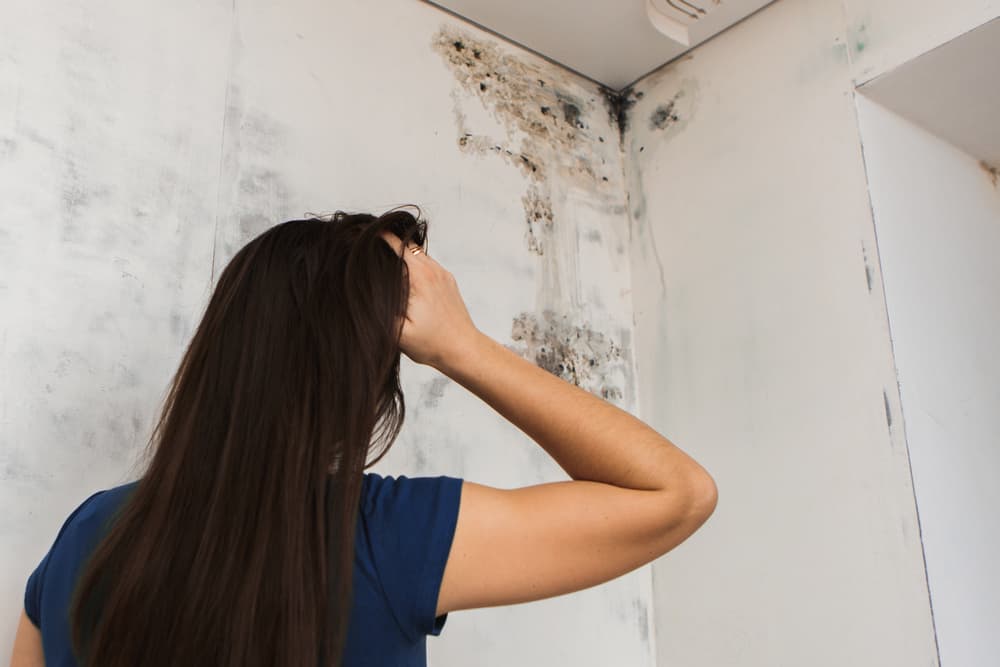
The inspection starts before we touch a single wall. We review the property’s history with you — any known water intrusion events, recent renovations, HVAC changes, or areas where you’ve noticed musty odors or discoloration. In Garden City’s older housing stock, that conversation alone often narrows down where to focus first.
From there, we conduct air sampling throughout the home, collecting both interior and exterior samples. That external baseline comparison is critical — it’s what tells us whether your indoor mold spore levels are actually elevated relative to normal Long Island environmental conditions, or whether what’s showing up is just background exposure. We also collect surface swab samples from any visible suspect areas, take moisture readings throughout the structure, and run a full infrared scan to detect temperature differentials inside wall cavities, attic assemblies, and sub-floor spaces that indicate hidden moisture accumulation. This is where we find the problems that a standard visual inspection misses entirely.
All samples go to a certified third-party laboratory. When the results come back, you receive a written report with species identification, spore concentration data, the internal versus external comparison, photographic documentation, and specific recommended next steps. Under New York State’s Article 32 licensing requirements, the assessment and any subsequent remediation must be handled by separate licensed parties — which is why our inspection report is written to stand on its own as a complete, independent document that any licensed remediator or your insurance company can work from directly.
Ready to get started?
The inspection covers five core areas: air quality sampling, surface swab testing, moisture level measurement, water intrusion assessment, and infrared hidden mold detection. Every visit includes all five. There are no stripped-down entry-level packages where you pay less and get less — the inspection is the inspection, and it covers the full scope every time.
For Garden City homeowners specifically, the infrared component is often where the most important findings come from. Homes in the Mott Section with their distinctive crescent-street layouts, the older colonials in the Central Section, and the grand properties throughout the Estates Section all share one thing: decades of building history that standard moisture meters alone can’t fully account for. The infrared scan reads temperature differentials behind finished surfaces — finding moisture and mold in wall cavities, attic insulation, and basement assemblies without any destructive investigation.
If your inspection findings support a homeowners insurance claim — which is common when mold traces back to a documented water intrusion event like a burst pipe or roof leak — the written report is structured to meet what Nassau County insurance adjusters and real estate attorneys need to move forward. We also provide full remediation and restoration services, so if the inspection does find something, you’re not starting over with a new vendor. The same licensed team that found it can fix it.
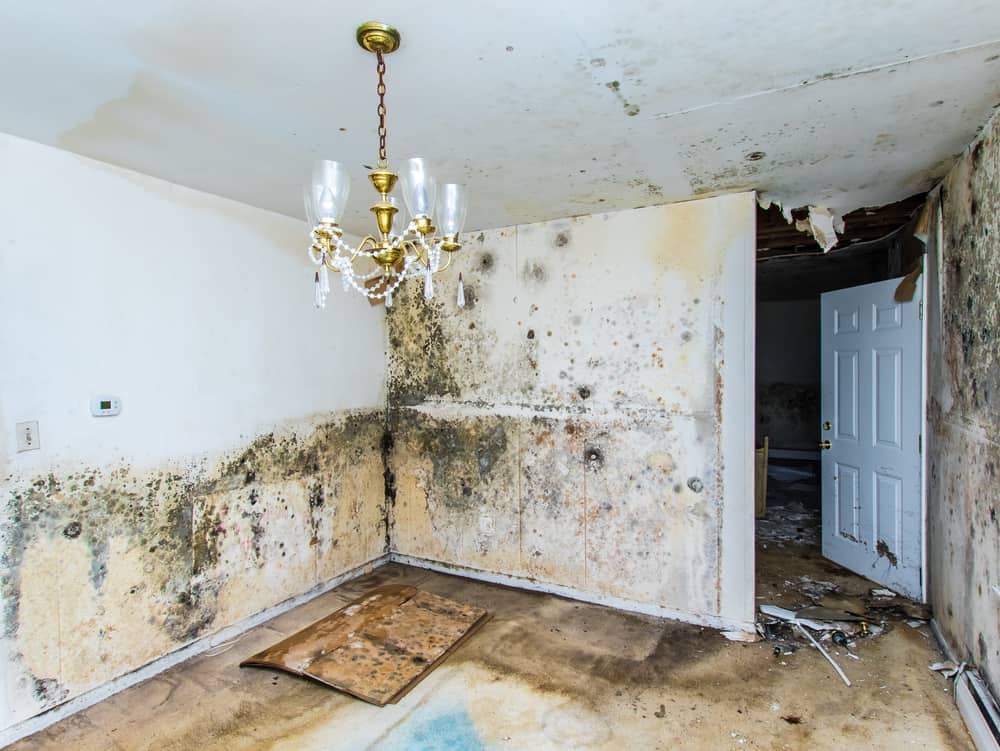
New York State doesn’t legally require a mold inspection as part of every real estate transaction, but in Garden City’s market, it’s become standard practice — and for good reason. When you’re buying a home priced between $1 million and $3 million, the cost of a professional mold inspection is negligible compared to what an undiscovered mold problem can cost after closing. Remediation in a larger Garden City home can run anywhere from a few thousand dollars for a contained basement issue to tens of thousands if the problem has spread into wall cavities or the HVAC system.
More practically, your real estate attorney is going to want documentation. A verbal opinion from an uncredentialed inspector won’t hold up if a dispute arises after closing. Under New York State’s Article 32 of the NY Labor Law, mold assessors performing paid work must hold a current NYS Department of Labor license — so the first question to ask any inspector you’re considering is for their license number, and then verify it.
Professional mold inspection pricing in the Nassau County market typically ranges from around $300 on the low end to over $1,000 for a comprehensive inspection of a larger home. Where you land in that range depends on the size of the property, how many sample locations are included, whether infrared scanning is part of the process, and whether the lab analysis is handled in-house or by a certified third-party laboratory.
For Garden City homes — which tend to be larger, older, and more architecturally complex than average — a thorough inspection that covers the full property including attic, basement, wall cavities, and HVAC access points is going to be toward the higher end of that range. That’s not a reason to cut corners. A mold inspection that skips the infrared scan or only tests two air samples in a 3,500-square-foot Victorian colonial isn’t really protecting you. The inspection cost is a fraction of what you’d spend if a significant mold problem gets missed.
Garden City’s mold risk is shaped by a combination of factors that are specific to this community. The housing stock is old — many homes in the Central Section and Estates Section were built between the 1880s and 1940s, with building assemblies that were never designed with modern moisture management in mind. Original plaster walls, older ventilation configurations, and partially updated plumbing systems create chronic vulnerabilities that newer construction simply doesn’t have.
Seasonally, Garden City gets hit from multiple directions. Heavy spring rains overwhelm drainage systems on the flat Hempstead Plains terrain, and homes near the Meadowbrook Parkway corridor are particularly prone to basement flooding. In winter, the steeply pitched Tudor and Colonial rooflines common throughout the village are vulnerable to ice dams — which push water into attic insulation quietly, sometimes for an entire season before any interior sign appears. Summer humidity on Long Island regularly exceeds 60 percent indoors without active dehumidification, which is enough to sustain active mold growth in a basement or crawl space. All of these conditions layer on top of each other in a way that makes Garden City homes more susceptible than most.
For a typical single-family home in Garden City, the on-site portion of the inspection takes between two and four hours depending on the size of the property and how many areas require detailed investigation. A larger Estates Section home with a finished basement, full attic, and multiple HVAC zones is going to take longer than a smaller Cape Cod — and that’s fine. Rushing through a property like this is how things get missed.
After the on-site visit, air and surface samples go to a certified third-party laboratory. Turnaround time on lab results is typically two to five business days under standard processing, with expedited options available if your timeline requires it — for example, if you’re in an active real estate transaction with a closing deadline. Once results are back, you receive a full written report with the lab findings, species identification, spore concentration data, photographic documentation, and recommended next steps. If the inspection is tied to a pre-purchase transaction, that report is structured to meet what your real estate attorney and lender will need.
Yes — and in Garden City’s older housing stock, attic mold is one of the most commonly missed problems precisely because it develops without any visible interior signs. The most frequent cause is ice dams. When snow accumulates on the steeply pitched rooflines common throughout the village — particularly on the Tudor and Colonial homes in the Central and Estates sections — heat escaping from the living space below melts snow at the roof deck while the eaves stay frozen. Water backs up under the shingles and works its way into the attic insulation. It can sit there for an entire winter season without producing a single water stain on the ceiling below.
Inadequate attic ventilation compounds the problem. Many older Garden City homes have attic ventilation configurations that were standard for their era but don’t meet current building science recommendations. Poor airflow means moisture that enters the attic space — whether from ice dams, condensation, or minor roof penetration — doesn’t dry out between weather events. Mold can establish itself in attic insulation and roof sheathing within 24 to 48 hours of sustained moisture exposure. Infrared scanning during a professional inspection is the most reliable way to find this without opening up the roof deck.
If the lab results come back with elevated mold levels, the written report you receive will include species identification, concentration data, the locations where samples were collected, and specific remediation recommendations. That report is your roadmap — and under New York State’s Article 32, the mold assessment and the remediation work must be performed by separately licensed parties. The assessor who inspects cannot also be the contractor who remediates. This is a consumer protection built into state law, and it’s worth understanding before you hire anyone.
What it means practically is that your inspection report needs to be detailed enough to hand off to a licensed remediation contractor and have them work from it without ambiguity. Our reports are written to that standard. If you choose to use us for remediation as well — which many Garden City homeowners do, because it eliminates the coordination risk of managing two separate vendors — the remediation team works from the same findings, the same documentation, and the same understanding of your property. If the work involves opening walls, removing structural materials, or altering any building systems, a permit from the Village of Garden City’s Building Department will typically be required, and we’ll walk you through what that process looks like for your specific situation.
Useful Links
Other Services we provide in Garden City