

Hear from Our Customers
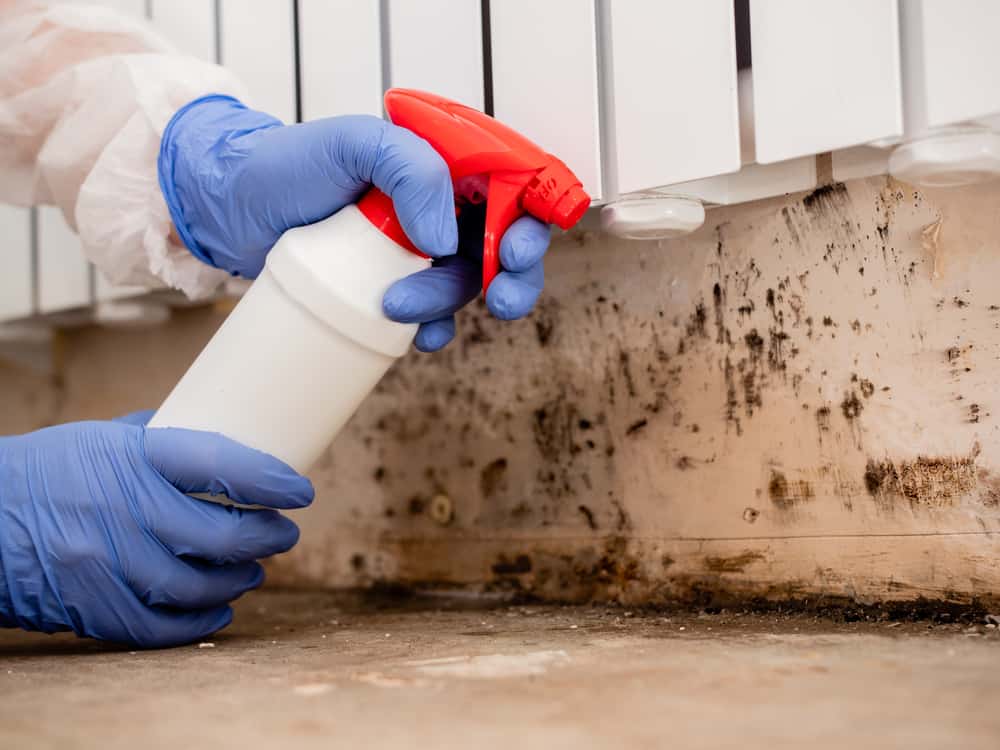
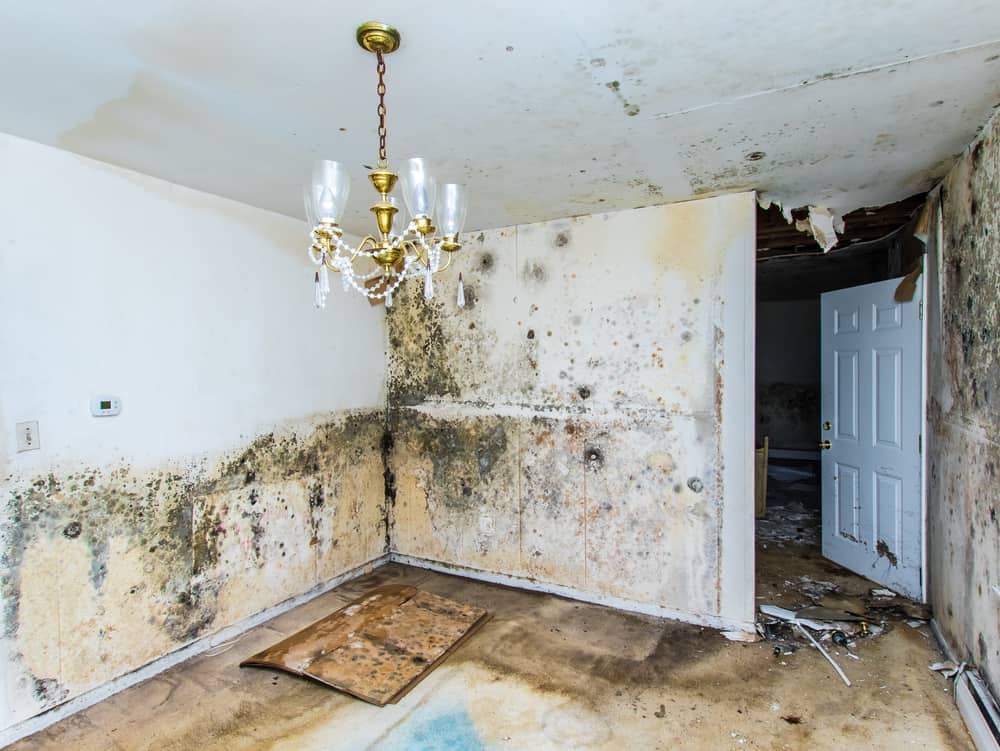
Most mold problems in Manhasset Hills don’t start with a visible patch on the wall. They start with a slow pipe leak behind drywall, moisture creeping through a basement foundation after a heavy rain, or condensation building up in an attic that hasn’t been properly ventilated since the Eisenhower administration. By the time you can see it or smell it, it’s already been growing for a while.
The homes here — most of them split-levels and ranches built between the late 1940s and late 1960s — have specific structural features that create predictable moisture traps. The half-story crawl space beneath a split-level entry, the low-slope garage roof addition, the original plumbing that’s been quietly sweating inside wall cavities for sixty-plus years. These aren’t generic mold risks. They’re the specific conditions that come with owning a home in Manhasset Hills.
A thorough mold inspection doesn’t just confirm whether mold is present — it tells you where moisture is entering, what’s behind the surfaces, and what needs to happen next. That’s the difference between a report that gives you real information and one that just clears a checkbox.
First Response Restoration and Cleaning Inc. has been working in Nassau County since the early 1990s — which means we’ve been inspecting homes the same age as the ones lining Cherrywood Drive and the Shelter Rock Manor section of Manhasset Hills for three decades. That’s not a marketing angle. It’s just the reality of what 31 years of local experience looks like.
Every technician who walks into your home is IICRC-certified — not just the person answering the phone, but the person actually doing the inspection. We’re fully licensed by the New York State Department of Labor for mold assessment and remediation, as required under NYS Labor Law Article 32, and we carry full licensing, bonding, and insurance coverage. Nassau County homeowners can reach us directly at 516-698-1776.
What makes the difference here isn’t a long list of services — it’s that the inspection is done right the first time, with documentation your insurance company, real estate attorney, or lender will actually accept.
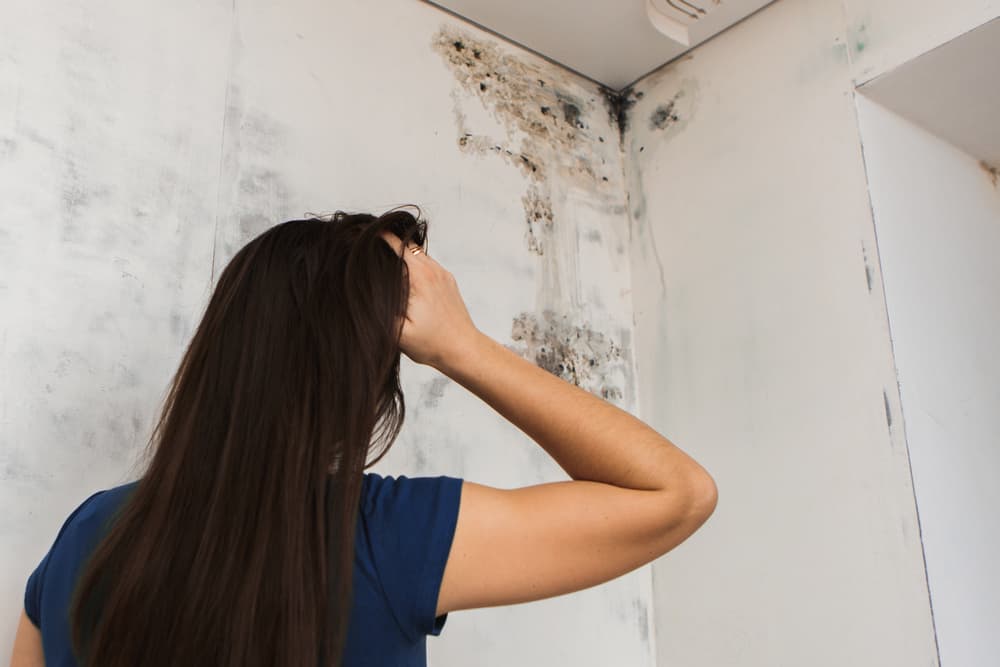
The inspection starts before anything is opened or sampled. Our certified technician does a full walkthrough — looking at the areas most likely to harbor moisture in a home of this age and construction type. In Manhasset Hills, that means paying close attention to basement walls, crawl spaces, attic ventilation, and any area near original plumbing or HVAC equipment. This isn’t a generic checklist. It’s informed by what these homes actually do over time.
From there, the process moves into air testing and surface swab sampling. Air samples are collected from inside the home and compared against outdoor baseline readings — that comparison is what actually tells you whether your indoor air quality is compromised, not just whether mold spores exist somewhere on the property. We use infrared technology to scan for temperature differentials behind walls and ceilings, which can indicate hidden moisture that no visual inspection would catch.
Every sample goes to a certified third-party laboratory. When the results come back, you get a written report with the lab findings, photographs of any identified mold sources or moisture intrusion points, and specific remediation recommendations. Under New York Labor Law Article 32, mold assessment and remediation must be handled as separate documented phases — and we navigate that process cleanly, so you’re never left wondering what comes next or who’s responsible for what.
Ready to get started?
When you book a mold inspection in Manhasset Hills, here’s what the inspection actually covers: air quality testing with internal-to-external particle comparison, surface swab sampling from suspected areas, moisture level measurement throughout the home, infrared scanning for hidden moisture behind walls and ceilings, and a full water intrusion inspection to identify where moisture is entering the structure. That’s the five-point protocol — and it’s more comprehensive than what most local competitors offer.
The deliverable isn’t a verbal opinion. It’s a written report backed by certified laboratory analysis, photographic documentation of every identified issue, and a clear set of remediation recommendations. For homeowners in Manhasset Hills — many of whom work in healthcare and are accustomed to reading diagnostic results rather than taking someone’s word for it — that documentation standard matters.
We handle both residential and commercial mold inspection in Manhasset Hills. Whether you’re a homeowner who noticed something after last winter’s freeze-thaw cycle, a buyer doing due diligence on a $1.2 million property before closing, or a property manager dealing with a tenant complaint, the inspection process is the same: thorough, documented, and built around what you actually need to make an informed decision. We’re available 24 hours a day, 7 days a week — because moisture problems don’t wait for business hours.
You can buy a home mold test kit at a hardware store, but what it tells you is limited. Most consumer kits only confirm whether mold spores are present somewhere in the air — which is almost always true to some degree, even in a clean home. They don’t tell you what species of mold you’re dealing with, whether the concentration is elevated beyond normal outdoor levels, where the moisture source is, or what needs to be done about it. That’s the gap between a DIY test and a professional mold inspection.
Under New York Labor Law Article 32, anyone performing mold assessment for compensation in Nassau County must be licensed by the NYS Department of Labor. That requirement exists because the stakes are real — both for your health and for the legal and financial implications of a mold disclosure during a property transaction. A licensed assessor provides a certified lab report and a written findings document that a real estate attorney, insurance adjuster, or lender will actually recognize and accept. A hardware store kit does not.
The cost of a mold inspection in Manhasset Hills generally falls between $300 and $700 for a standard single-family home, though larger homes or inspections that require extensive sampling in multiple areas can run higher. The specific price depends on the size of the property, how many samples are collected, and whether the inspection involves infrared scanning or testing in hard-to-access areas like crawl spaces or attic spaces — both of which are common in the split-level and ranch-style homes throughout Manhasset Hills.
Homes in Manhasset Hills are currently valued between $800,000 and $1.8 million. A mold problem discovered after closing — or disclosed mid-transaction — can cost tens of thousands of dollars in remediation, price reduction, or a failed deal. The inspection cost is a small fraction of what it protects. If you’re buying or selling a home near Shelter Rock Road or anywhere in the Herricks school district area, skipping the inspection is the riskier financial decision.
In the split-level and ranch-style homes built throughout Manhasset Hills in the 1950s and 1960s, the most common mold locations aren’t the ones homeowners typically check first. The crawl space beneath a split-level’s entry level is one of the most frequent problem areas — it sits close to grade, often has limited airflow, and can accumulate groundwater moisture during Nassau County’s wet springs and post-storm periods. Basement walls are another consistent issue, particularly in homes where hydrostatic pressure from saturated soil pushes moisture through the foundation over time.
Attic spaces are a close third. Original ventilation in homes of this era was often inadequate by modern standards, and the temperature differential between a heated living space and an uninsulated attic creates condensation zones that build up over an entire winter without anyone noticing. Wall cavities around aging plumbing — especially near kitchens and bathrooms that haven’t been updated — are also common sources of slow, hidden moisture intrusion. The infrared scanning component of the inspection is specifically designed to catch these hidden areas before they become visible problems.
This is one of the most commonly misunderstood aspects of mold work in New York, and it’s worth understanding clearly before you hire anyone. Under New York Labor Law Article 32, the mold assessment and the mold remediation on a given project must be treated as separate, documented phases. The law also includes a conflict-of-interest provision that restricts the same individual from performing both functions on the same project in most circumstances — the intent is to prevent a company from having a financial incentive to find mold regardless of whether it’s actually present.
We handle both mold inspection and mold remediation in Manhasset Hills, and we navigate this regulatory structure correctly. The inspection is conducted and documented independently, with findings submitted to a certified laboratory. If remediation is warranted, that phase is handled as a separate, clearly documented process — not bundled in a way that blurs the two. This is the legally compliant approach, and it’s what protects you as a Nassau County homeowner. If a company offers to inspect and immediately remediate in the same visit without separate documentation, that’s worth questioning.
For a typical single-family home in Manhasset Hills, the on-site inspection takes between one and three hours depending on the size of the home, the number of areas being sampled, and whether infrared scanning reveals additional areas that warrant closer examination. Homes with finished basements, attic access, or crawl spaces generally take longer — and given the housing stock in this neighborhood, those features are common.
After the inspection, collected samples are submitted to a certified third-party laboratory. Lab turnaround is typically two to five business days for standard analysis. Once results are back, you receive a written report that includes the lab findings, photographic documentation of identified mold sources and moisture intrusion points, and specific remediation recommendations. If you’re working against a real estate closing deadline — which is a common situation for buyers in the Manhasset Hills market — it’s worth mentioning that timeline upfront so the inspection can be scheduled with enough lead time for results to come back before the closing date.
The first thing to understand is the timeline: mold can begin colonizing a wet surface within 24 to 48 hours of moisture exposure. In Manhasset Hills, basement flooding from heavy rain and burst pipes during winter freeze-thaw cycles are both documented, recurring events — and when either happens, the clock starts immediately. The priority is stopping the moisture source and beginning drying as quickly as possible. If standing water is involved, extraction needs to happen before anything else.
Once the immediate water situation is addressed, a mold inspection should happen before you close up any walls, replace flooring, or assume the area dried out on its own. Hidden moisture inside wall cavities and beneath subfloor material doesn’t evaporate the way surface water does — it lingers, and mold follows. A professional mold inspection at this stage gives you a baseline: what’s actually affected, what the spore counts look like, and what remediation is genuinely necessary versus what can be monitored. We’re available 24 hours a day, 7 days a week for exactly these situations — including nights and weekends when a sump pump fails or a pipe lets go during a nor’easter.
Useful Links
Other Services we provide in Manhasset Hills