
Mold Inspection in Old Westbury, NY
Estate-Scale Homes Deserve More Than a Flashlight Inspection

Hear from Our Customers
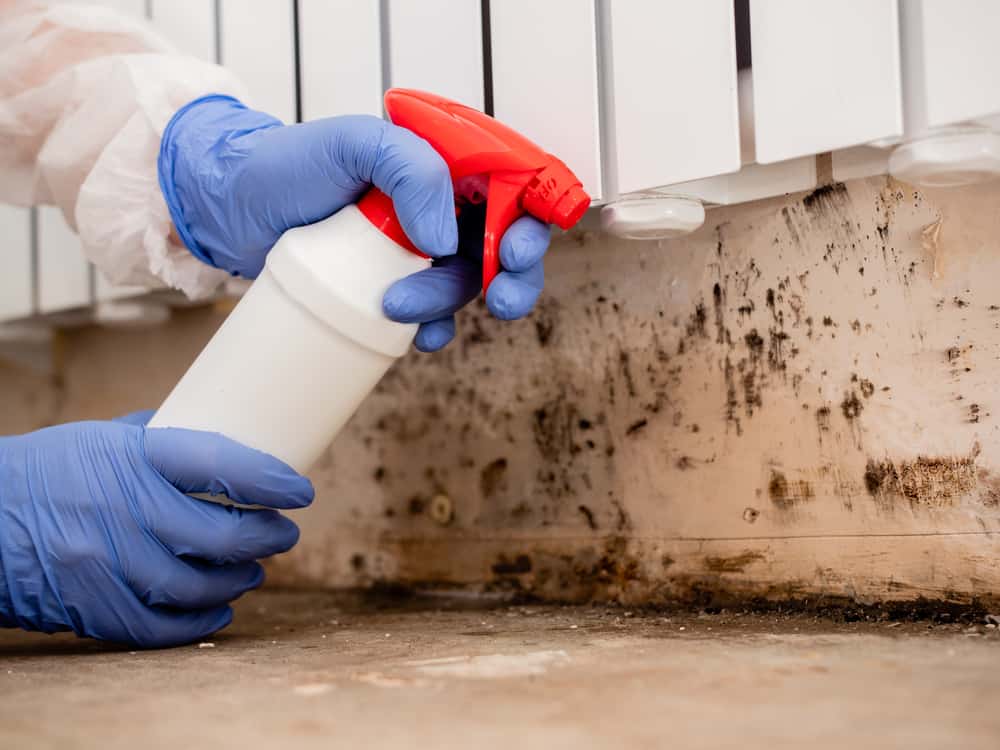
Residential Mold Detection Services Old Westbury
Most mold problems in Old Westbury don’t start with a visible patch on the wall. They start behind it inside a stone foundation wall that’s been absorbing groundwater for decades, inside an HVAC system running through 8,000 square feet of finished space, or underneath the flooring of a basement wine cellar that flooded quietly during last spring’s nor’easter. By the time you can see it, it’s already been growing for a while.
A thorough mold inspection gives you something a visual check never can: actual data. Air samples, surface swabs, moisture readings, and infrared scanning across every zone of your property not just the obvious spots. That data goes to a certified lab. What comes back is a written report with species identification, spore concentration levels, and a specific remediation plan if one is needed.
For Old Westbury homeowners managing properties that often exceed 6,000 square feet many with outbuildings, finished basements, and multi-zone HVAC systems that level of documentation isn’t overkill. It’s the only way to know for certain what you’re dealing with and what it’s going to take to resolve it.
Licensed Mold Inspection Company Old Westbury NY
We’ve been serving Long Island since 1993 that’s 31 years of working through Nassau County’s housing stock, including the historic estate properties along Old Westbury Road, the converted institutional buildings on the NYIT campus, and the aging stone-foundation homes that define the North Shore’s character. We know what Old Westbury properties look like when they’re built right, and we know what happens when water finds its way into a 100-year-old foundation.
Owner Richard Peterson holds personal NYS Department of Labor licensure in both mold inspection and mold remediation under Article 32 of New York Labor Law. Every technician on our staff carries IICRC certification not just the owner, every person dispatched to your property. That’s not standard in this industry, and it matters when the person walking through your home is the one making the call on what gets sampled and where.
We’re fully licensed, bonded, and insured, and available 24 hours a day, 7 days a week. Reach us directly at 516-698-1776.
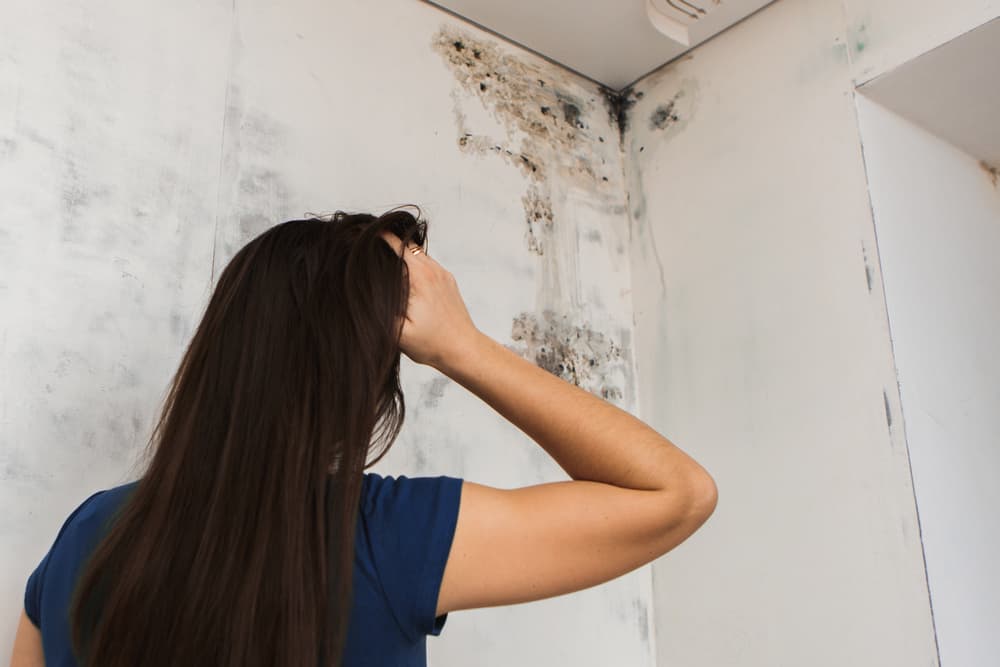
Professional Mold Assessment Process Old Westbury NY
The inspection starts with a full walkthrough not a quick scan, a structured assessment. We collect air samples from multiple zones inside your home and compare them against an outdoor baseline. That comparison matters because it tells you whether what’s in your air is coming from inside your structure or just drifting in from outside. Surface swab samples are taken from any areas showing visible growth or discoloration. Moisture readings are recorded throughout, identifying the exact zones where humidity levels are creating conditions for mold to develop.
From there, infrared thermography gets used to check behind walls, under flooring, and inside ceiling cavities. In a 100-year-old estate home with plaster walls and a stone foundation, this step is what separates a real inspection from a walk-through with a notepad. Water intrusion points roof penetrations, foundation perimeter, HVAC drain lines, basement sump systems are all assessed as part of the process.
Everything we collect goes to a certified third-party laboratory. New York State’s Article 32 licensing requirements mean the assessor conducting your inspection must hold a valid NYS DOL mold assessor license and that the written report produced is legally defensible in real estate transactions, insurance claims, and any remediation permit process that follows. When the lab results come back, you get a full written report: species identified, concentration levels by zone, moisture source documentation, and specific next steps if remediation is needed.
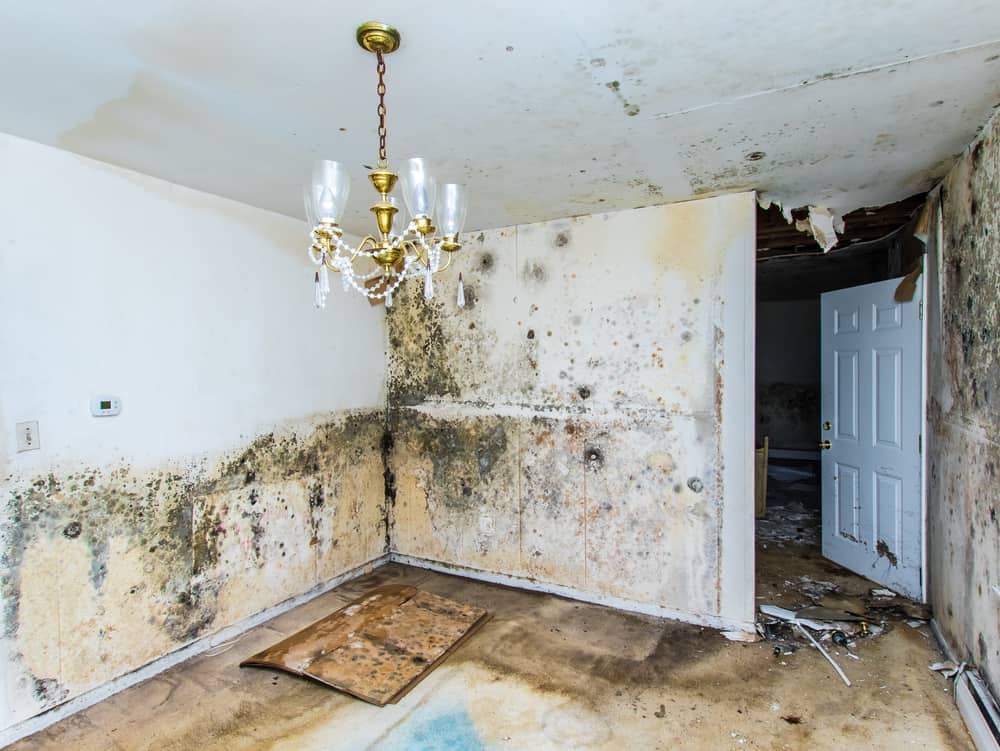
Ready to get started?
Indoor Air Quality Testing for Mold Old Westbury NY
Old Westbury properties aren’t standard suburban homes, and our inspection scope reflects that. Beyond the main residence, we assess outbuildings, carriage houses, pool houses, stables, and any ancillary structures on the property. Equestrian facilities in particular common across Old Westbury’s horse properties present elevated mold risk due to organic material loads, constant humidity from animal activity, and wood framing that traps moisture in ways enclosed residential construction doesn’t. If it’s on your property, we assess it.
The written report we produce at the end of this process is built to hold up. Old Westbury real estate transactions routinely involve attorneys on both sides, and at a median sale price pushing $3 million, a mold inspection report that can’t survive legal scrutiny is worthless. The lab results, species identification, spore concentration data, and remediation scope included in our report meet the documentation standard that insurance adjusters, real estate attorneys, and Nassau County building permit processes require.
For homeowners dealing with water damage that preceded the mold a burst pipe, a failed sump pump, post-storm flooding we handle the full scope: inspection, remediation, and complete property restoration. One company, one chain of documentation, from the initial assessment through final clearance testing.
How much does a mold inspection cost for a large home in Old Westbury?
The national average for a professional mold inspection runs around $670, with most jobs falling somewhere between $300 and $1,050 depending on square footage and scope. For a property in Old Westbury where homes commonly exceed 6,000 to 10,000 square feet, include finished basements, outbuildings, and multi-zone HVAC systems the inspection scope is larger than a standard suburban job, and the cost reflects that.
What you’re paying for isn’t just someone walking through your home. It’s air sampling from multiple zones, surface swab collection, infrared scanning, moisture mapping, third-party certified lab analysis, and a written report with specific findings and remediation recommendations. That’s the documentation you need if the inspection connects to an insurance claim or a real estate transaction and at Old Westbury property values, you want it done right the first time.
Do I need a licensed mold assessor, or can any inspector do the job?
In New York State, anyone performing mold assessment or remediation for compensation is legally required to hold a license issued by the NYS Department of Labor under Article 32 of the NY Labor Law. This requirement has been in effect since January 1, 2016. Fines for unlicensed mold work can reach $10,000, and more importantly for homeowners results produced by an unlicensed inspector are not legally defensible in a real estate transaction, insurance claim, or remediation permit process.
In a market like Old Westbury, where property transactions regularly involve legal teams and insurance adjusters who will scrutinize every document in the file, hiring an unlicensed inspector isn’t just a compliance risk it’s a practical one. The report won’t hold up when you need it to. We hold full NYS DOL licensure for both mold assessment and mold remediation, so the documentation we produce is valid and defensible from the start.
What are the most common places mold hides in Old Westbury estate homes?
The places mold tends to establish itself in Old Westbury’s older estate properties are almost always the ones you can’t see without the right equipment. Stone and brick foundations common in homes built in the early to mid-1900s lack the waterproofing membranes used in modern construction and absorb groundwater over time. That moisture migrates into wall cavities and basement spaces where mold can grow undetected for years. Attic spaces in slate-roofed homes are another high-risk zone, since slate develops micro-cracks over decades that allow water infiltration long before it becomes visible inside.
Multi-zone HVAC systems standard in large estate homes can distribute mold spores throughout an entire property if growth establishes inside ductwork or at drain lines. Finished basements, wine cellars, and below-grade rooms are consistently high-risk given Old Westbury’s water table and the frequency of basement flooding during heavy rain events. Infrared thermography is the most effective tool for finding these hidden colonies without tearing into finished surfaces.
Should I get a mold inspection before buying a home in Old Westbury, NY?
At Old Westbury’s median sale price of approximately $2.95 million, a pre-purchase mold inspection isn’t a precaution it’s basic due diligence. A standard home inspection will tell you about visible conditions, but it won’t tell you what’s behind the walls of a 100-year-old estate, what’s growing in the HVAC system, or whether the basement has been managing a slow water intrusion problem for the past decade. That’s what a certified mold inspection with lab analysis is designed to find.
If mold is discovered during the inspection contingency period, the written report with certified lab results gives your attorney real leverage specific findings, identified species, and a documented remediation scope with an associated cost. That’s the kind of documentation that moves a negotiation. If the inspection comes back clean, you have a baseline record of the property’s air quality at the time of purchase, which is useful if a problem develops later.
How long does a mold inspection take for a large estate property?
For a standard suburban home, a mold inspection might take an hour or two. For an Old Westbury estate multiple floors, a finished basement, outbuildings, a multi-zone HVAC system, and potentially a carriage house or stable plan for a half-day minimum. The inspection itself is thorough by design: air sampling from multiple interior zones and one outdoor baseline, surface swab collection from any areas of concern, infrared scanning of walls and ceilings, moisture mapping throughout the structure, and a full assessment of water intrusion points including the foundation perimeter, roof penetrations, and HVAC drain lines.
After the on-site inspection, samples go to a certified third-party laboratory. Lab turnaround typically runs a few business days, after which the written report is compiled and delivered. The full timeline from inspection to final report is generally under a week for standard processing. If the situation is urgent post-storm flooding, active water damage, a real estate closing deadline expedited processing is available.
Can mold inspection results be used for a homeowners insurance claim in Old Westbury?
Yes but only if the inspection was conducted by a licensed mold assessor and the report includes the documentation your insurance company actually requires. That means certified lab results with species identification and spore concentration data, a documented moisture source tied to a specific event or condition, photographic evidence of affected areas, and a written remediation scope. A verbal assessment or a basic visual report won’t satisfy an adjuster reviewing a claim on a multi-million dollar property.
Old Westbury homeowners frequently deal with mold that connects to covered water damage events burst pipes, failed sump pumps, roof leaks during nor’easters, or post-storm basement flooding from the area’s high water table. When that connection can be documented clearly, it significantly strengthens the claim. Our technicians have spent 31 years working alongside insurance adjusters on Long Island and understand exactly what the documentation needs to show. We build the report to that standard from the start, not revised after the fact when the adjuster pushes back.
Useful Links
Other Services we provide in Old Westbury