
Mold Inspection in Port Washington, NY
When Bay Air and Old Walls Hide What's Making You Sick
Hear from Our Customers
Home Mold Testing in Port Washington, NY
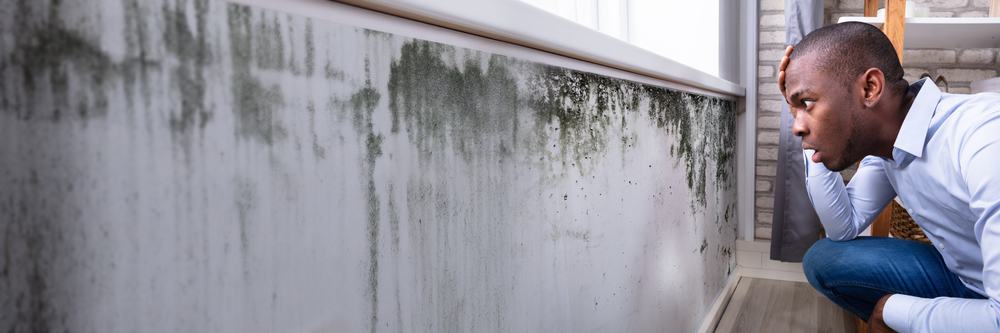
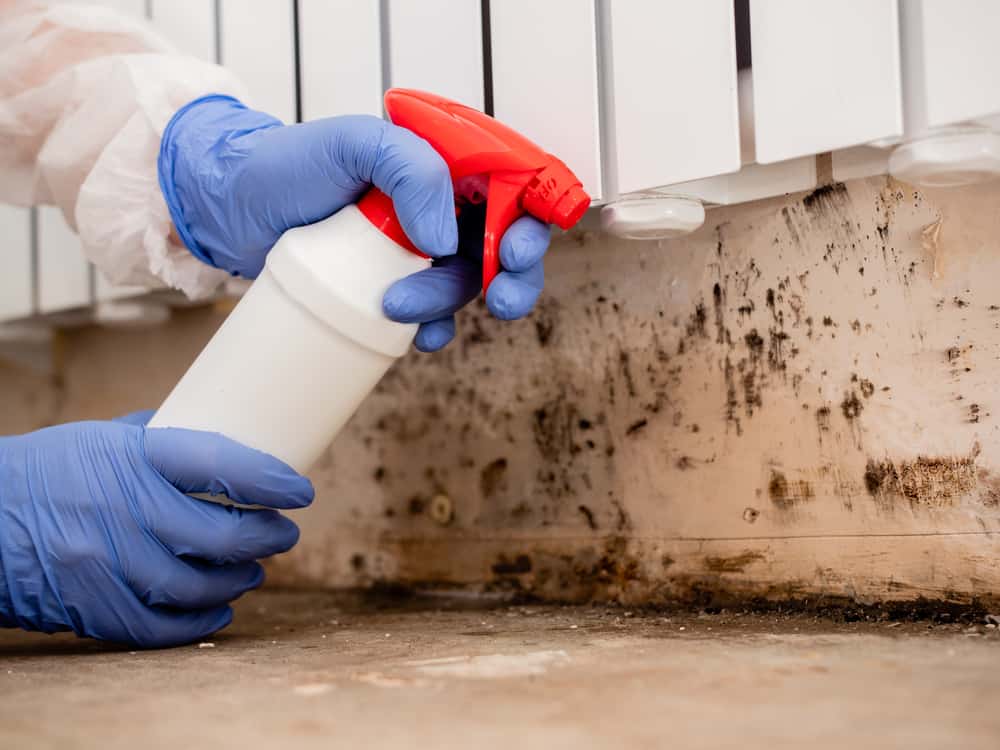
Most homeowners in Port Washington don’t find mold by seeing it. They find it by smelling something in the basement after a wet fall, or by noticing their allergies are worse inside than outside. By the time it’s visible, it’s usually been growing for a while. A thorough mold inspection tells you exactly what’s there, where it’s coming from, and what it’s going to take to fix it before it spreads further or shows up on a buyer’s inspection report.
Port Washington’s housing stock adds a layer of complexity that most inland Nassau County towns don’t have. A significant portion of homes here were built before 1940, with plaster walls, original wood framing, and ventilation systems that weren’t designed with modern moisture management in mind. Mold doesn’t just grow on surfaces in these homes it grows inside wall cavities, behind plaster, and in attic spaces where it can go undetected for years. That’s exactly why infrared thermal imaging is part of every inspection we run here.
Living on the Cow Neck Peninsula also means your home is dealing with ambient bay humidity from Manhasset Bay and Hempstead Harbor year-round. That persistent coastal moisture doesn’t just affect waterfront properties in Manorhaven or Sands Point it works its way into the building envelope of homes throughout Port Washington, especially in lower-level spaces and anywhere ventilation is limited. After an inspection, you’ll have certified lab results, a written report, and a clear picture of what’s actually happening inside your home.
Certified Mold Inspector in Port Washington, NY
We’ve been serving Port Washington and Long Island homeowners since the early 1990s through multiple storm seasons, multiple real estate cycles, and every major flooding event that has hit Nassau County’s North Shore. That’s not a marketing number. It means our technicians have been inside the pre-war Colonials of Baxter Estates, the waterfront properties along Manhasset Bay, and the older homes throughout Port Washington long enough to know exactly how moisture moves through this specific type of housing stock.
Owner Richard Peterson holds a personal New York State Department of Labor mold assessor and remediator license under Article 32 of the NY Labor Law the certification required by the state since 2016. Every technician on our staff is IICRC-certified, which means the person who shows up at your door carries the same credentials as the person you spoke with when you called. We’re licensed, bonded, and insured, and we’re available 24 hours a day, seven days a week. Nassau County line: 516-698-1776.
Mold Assessment Services in Port Washington, NY
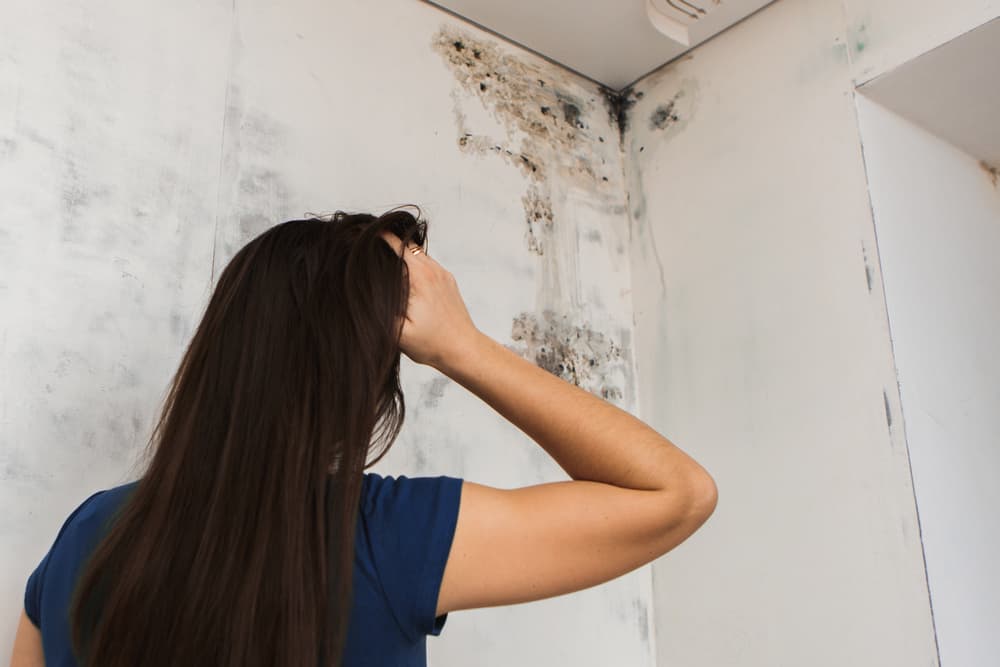
When we arrive at your Port Washington home, the inspection follows a structured five-point protocol not a visual walkthrough and a guess. We start with air testing, both inside and outside your home, so we can compare indoor spore concentrations against the outdoor baseline. That comparison is what tells us whether what’s in your air is a problem or just ambient outdoor mold at normal levels.
From there, we take surface swab samples from any areas of concern, measure moisture levels throughout the home, and document all findings with photographs. We also conduct a water intrusion inspection to identify where moisture is entering the structure because treating mold without addressing the source is a temporary fix at best. In Port Washington’s older homes, that often means checking around original plumbing, basement walls with hydrostatic pressure from seasonal groundwater, and attic spaces where inadequate ventilation traps humidity.
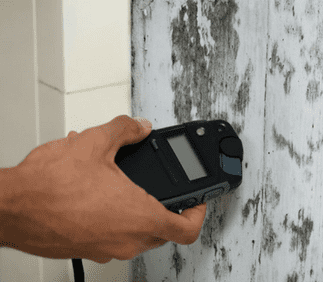
The infrared thermal imaging component is what separates a thorough inspection from a surface-level one. It detects temperature anomalies behind walls and under floors that indicate hidden moisture without opening anything up. Once the lab results come back from our certified laboratory, you receive a detailed written report that identifies mold species, spore concentration levels, and specific remediation steps. That report is formatted to hold up for real estate attorneys, insurance claims, and mortgage lenders because in Port Washington’s market, that documentation matters.
Ready to get started?
Residential Mold Inspection in Port Washington, NY
Mold inspection in Port Washington, NY isn’t a one-size situation. A waterfront estate in Sands Point has different risk factors than a mid-century Cape in the main hamlet, and a finished basement in Flower Hill has different vulnerabilities than an unfinished crawl space in Manorhaven. What stays consistent is the standard we hold every inspection to: air testing, surface sampling, moisture measurement, water intrusion assessment, infrared imaging, and a certified lab-backed written report. That’s what every client gets, regardless of property size or location within the Port Washington area.
For homeowners navigating a real estate transaction, the written report is often the most critical deliverable. Port Washington’s active market with median home prices regularly exceeding one million dollars means buyers and their attorneys expect documentation that goes beyond a verbal opinion. Our reports include mold species identification, spore concentration levels, and a clear remediation plan that can be reviewed by all parties before closing.
We also handle the full scope of what comes after the inspection. If remediation is needed, you don’t need to find a separate contractor, re-explain the findings, and coordinate two timelines. We move from inspection to remediation to full restoration under one roof. For Port Washington homeowners dealing with post-storm damage, insurance claims, or pre-sale due diligence, that continuity isn’t a convenience it’s what keeps the process from becoming a second job.
How does coastal humidity around Manhasset Bay affect mold risk in my Port Washington home?
Port Washington’s position on the Cow Neck Peninsula bordered by Manhasset Bay to the west and Hempstead Harbor to the east creates ambient humidity levels that are consistently higher than inland Nassau County communities. Long Island’s coastal areas regularly see summer relative humidity above 70 percent, and mold can begin growing in as little as 24 to 48 hours when indoor humidity exceeds 60 percent. That’s not a rare spike in Port Washington it’s a baseline condition for much of the year.
For homes in waterfront neighborhoods like Manorhaven, Harbor Acres, or Sands Point, the exposure is even more direct. Salt air penetration, tidal moisture, and limited airflow around bay-facing foundations create conditions where mold establishes itself in lower-level spaces, crawl spaces, and behind exterior-facing walls. But this isn’t limited to properties on the water. The ambient bay humidity affects homes throughout Port Washington, particularly in older construction where vapor barriers are minimal or absent. A professional mold inspection with moisture level measurement is the only way to know what’s actually happening inside your walls.
What does a mold inspection cost, and what does that price actually include?
Nationally, professional mold inspections average around $670, with a typical range of $300 to over $1,000 depending on home size and what’s included. What varies significantly between companies is what you actually get for that price. A low-cost inspection some local operators advertise rates as low as $149 often means a visual walkthrough and a single air sample. That can miss mold growing inside wall cavities, beneath flooring, or in attic spaces, which is exactly where it tends to hide in Port Washington’s older housing stock.
A thorough inspection the kind that includes air testing, surface swab sampling, infrared thermal imaging, moisture level measurement, water intrusion assessment, and a certified lab-backed written report costs more because it covers more. In a community where homes regularly transact above one million dollars, the cost of a comprehensive inspection is a modest number relative to what an undetected mold problem can do to a property’s value or a real estate transaction. The written report we provide is also formatted to meet the documentation standards that real estate attorneys, insurance companies, and mortgage lenders in Nassau County expect.
Can mold inspection in Port Washington find mold that isn't visible yet?
Yes and in Port Washington’s pre-war and mid-century homes, that’s often the most important thing it does. Mold that’s actively growing inside plaster-and-lath walls, behind original wood framing, or in attic insulation can remain completely invisible for months or years. By the time it becomes visible, the colony is usually well-established and the moisture source feeding it has been active long enough to cause structural damage.
Infrared thermal imaging is the tool that changes this. It detects temperature anomalies behind walls and under floors that indicate hidden moisture accumulation without any destructive access. When we pair that with air testing and compare indoor spore counts against the outdoor baseline, we can identify mold activity inside a space even when there’s nothing visible on the surface. For homes built before 1940 which represent roughly a third of Port Washington’s housing stock this kind of non-invasive detection isn’t optional. It’s the only reliable way to know what’s actually inside the structure.
Do I need a mold inspection before buying a home in Port Washington, NY?
For a Port Washington home, yes and your real estate attorney would likely agree. The hamlet’s housing stock skews significantly older, with a median construction year of 1953 and a substantial portion of homes built before 1940. Older homes carry older plumbing, older ventilation, and construction methods that don’t account for modern moisture management. Any of those factors can mean a mold problem that a standard home inspection won’t catch.
Beyond the age of the housing stock, Port Washington’s coastal geography adds another layer of risk. Waterfront and near-waterfront properties have had decades of exposure to bay humidity, storm surge events, and seasonal flooding all of which are documented mold triggers. A pre-purchase mold inspection gives you a certified lab report, not just a visual opinion, and that documentation can be reviewed by your attorney, your lender, and the seller before closing. If mold is found, you have documented leverage. If it isn’t, you have documented peace of mind. Either way, you’re not finding out after the sale closes.
My Port Washington basement flooded after a storm how quickly does mold develop?
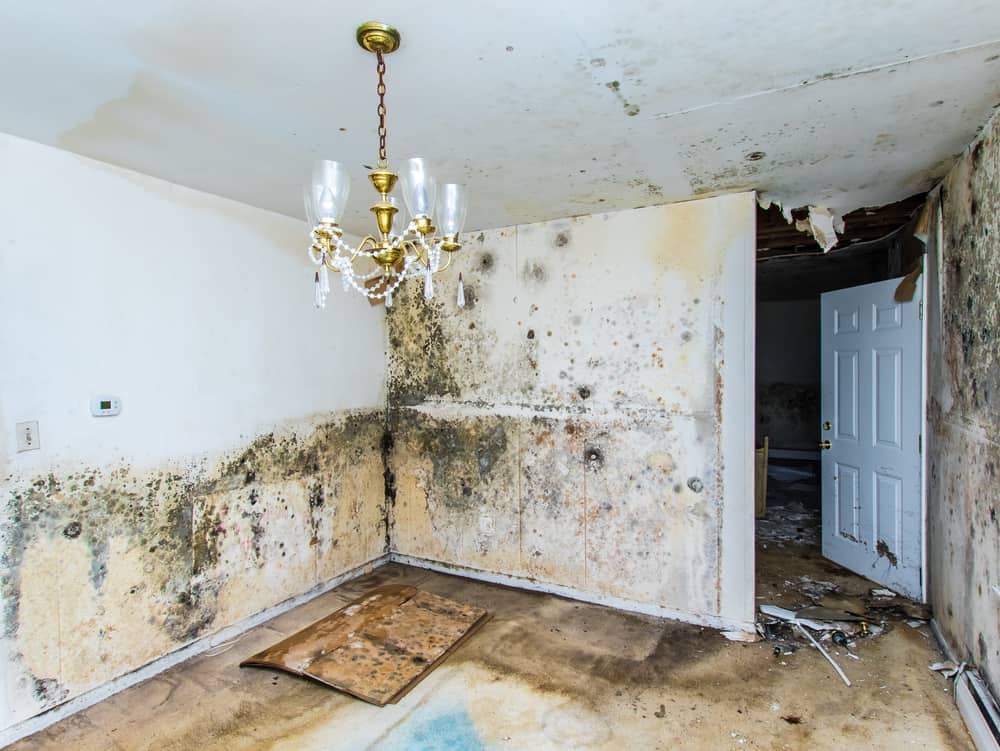
Mold can begin growing within 24 to 48 hours of a water intrusion event under the right conditions and Port Washington basements after a coastal storm often provide exactly those conditions. Warm temperatures, organic materials like wood framing and drywall, and sustained moisture from a flooding event create an environment where mold establishes itself quickly. The National Weather Service has issued flash flood warnings specifically naming Port Washington and Sands Point on multiple occasions, so post-storm basement flooding is not a rare event in this community.
The most important thing after a flooding event is not to wait. Even if the standing water is removed quickly, moisture that has soaked into wall framing, flooring, and insulation can sustain mold growth for weeks. A post-flood mold inspection which includes moisture level measurement throughout the affected space tells you whether the drying process was complete or whether mold is already developing in areas that look dry on the surface. We’re available 24 hours a day and dispatch immediately, because in a mold situation, the timeline matters.
Does New York State require mold inspectors to be licensed, and how do I verify it?
Yes. New York State has required all mold assessors, mold contractors, and mold abatement workers to hold official state certification under Article 32 of the NY Labor Law since January 1, 2016. This isn’t a voluntary industry credential it’s a legal requirement, and fines for unlicensed mold work in New York can reach $10,000. Any mold assessment or remediation performed by an unlicensed operator carries no legal standing for insurance claims or real estate transactions, which matters significantly in Port Washington’s high-value property market.
You can verify a mold assessor’s license directly through the New York State Department of Labor’s online license lookup tool. When you call a mold inspection company, ask for the assessor’s NYS DOL license number before you book. Richard Peterson, owner of First Response Restoration and Cleaning Inc., holds a personal NYS DOL mold assessor and remediator license not just a company-level registration. Every technician on our staff also holds IICRC certification. In a community where homes routinely exceed one million dollars in value and buyers are represented by attorneys who ask these questions, working with a fully licensed and certified inspection team is the only responsible starting point.
Useful Links
Other Services we provide in Port Washington