
Mold Inspection in Copiague, NY
South Shore Homes Hide Mold Where You Can't See It
Hear from Our Customers
Residential Mold Inspection Copiague, NY
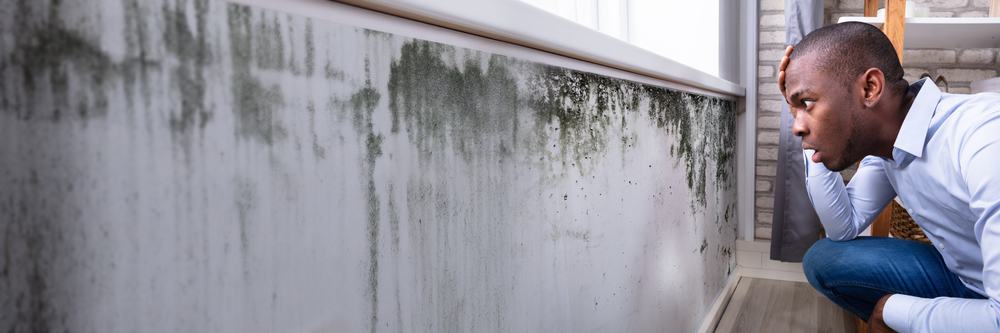
Most Copiague homeowners don’t find mold mold finds them. A musty smell in the basement after a nor’easter. A family member whose allergies haven’t let up since spring. A dark spot on the ceiling that showed up after a rainy stretch. By the time it’s visible, it’s usually been growing for a while.
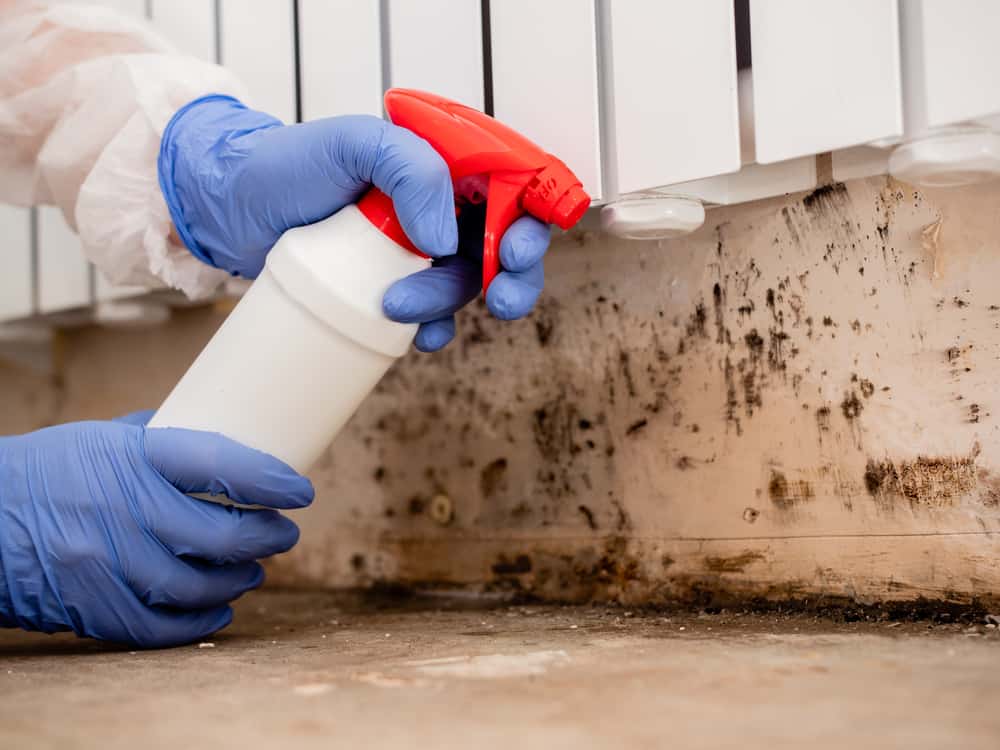
A professional mold inspection gives you a clear, lab-verified answer. Not a guess. Not an estimate based on what someone saw on the surface. Actual air and swab samples sent to a certified laboratory, with results that tell you exactly what’s in your home, what species it is, and how concentrated it is. That information changes everything whether you’re deciding whether to remediate, negotiating a real estate deal, or filing an insurance claim after water damage.
For homes in Copiague, that clarity matters more than most places. With roughly 80% of households here owner-occupied and median home values pushing well above $500,000 and significantly higher for canal-front properties near Copiague Harbor you’re protecting real equity. A mold problem that goes unchecked doesn’t stay small. It spreads into wall cavities, floor joists, and insulation, and the cost to fix it grows with it. Knowing what you’re dealing with early is almost always the less expensive path.
Mold Inspection Company Copiague, NY
First Response Restoration and Cleaning Inc. has been serving Long Island’s South Shore for over three decades. We’re based in West Babylon the community that borders Copiague directly within the Town of Babylon so when you call, you’re not getting a crew dispatched from Nassau County or a national franchise routing your job through a call center. You’re getting a neighbor who’s been doing this work since before most of the competition existed.
Every technician on our staff holds IICRC certification not just the owner, every person who comes to your home. We also hold both the NY State Mold Assessor and Mold Remediator licenses required by law since 2016, and both are verifiable through the NY Department of Labor. That’s not a marketing claim it’s a searchable public record.
What separates us from most mold inspection companies in this area is our full-cycle capability. Inspection, remediation, and reconstruction all handled under one roof, by one licensed and insured team. For a working family in Copiague, that means one call not three contractors and three separate schedules.
Professional Mold Inspector Copiague, NY
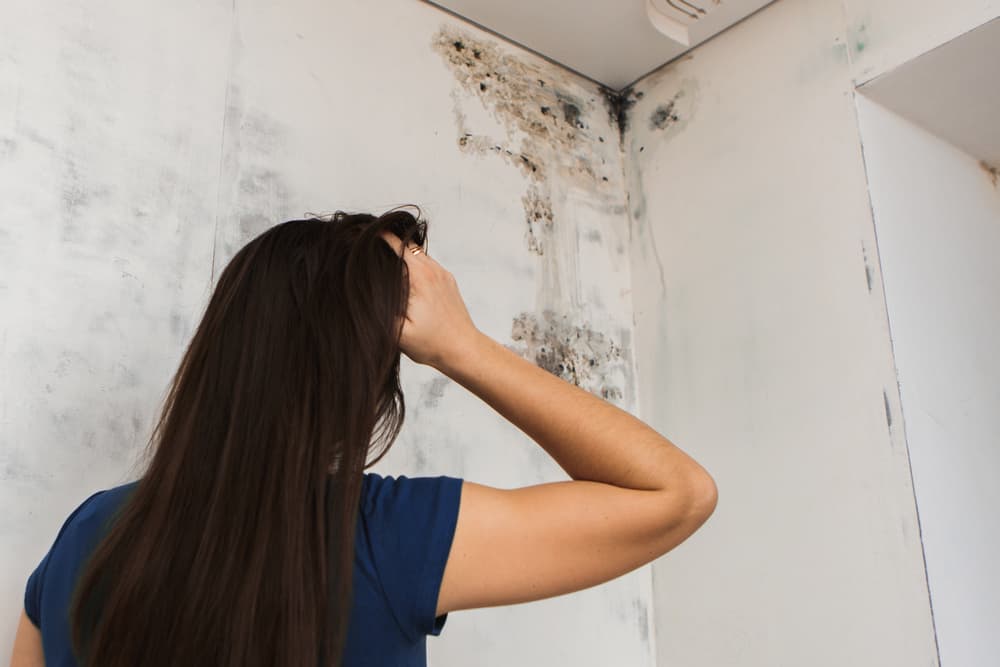
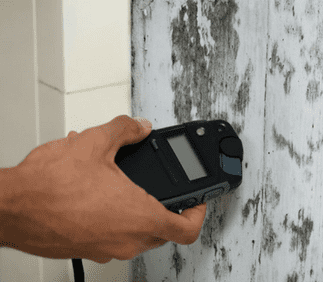
The inspection starts before anyone touches a wall. Our certified technician walks the property with a moisture meter and infrared thermal imaging camera, looking for temperature differentials that indicate moisture trapped behind drywall, under flooring, or inside ceiling cavities. In Copiague’s older housing stock much of it built in the 1950s and 1960s this step alone often turns up problems that a visual-only inspection would completely miss.
From there, air samples and surface swab samples are collected from the areas of concern, along with an outdoor baseline sample for comparison. All samples go to a certified, accredited laboratory. That’s not optional it’s the only way to get results that hold up for insurance claims, real estate disclosures, or remediation planning. The lab identifies the mold species present, measures spore concentration, and compares indoor levels to outdoor baselines so you understand the actual scope of what you’re dealing with.
Once results come back, you get a written report in plain language what was found, where it was found, what it means, and what the recommended next steps are. If remediation is needed, we can handle it directly. If reconstruction is required after structural materials have been damaged, that’s covered too. The process is designed so you never have to start over with a different company mid-project.
Ready to get started?
Mold Assessment Services Copiague, NY
Mold inspection in Copiague, NY through First Response is a five-point process: air testing, surface swab sampling, water intrusion inspection, moisture level measurement, and full photographic documentation of every mold source identified. That documentation matters especially for homeowners dealing with insurance companies after a flooding event, which is a common scenario on the South Shore after coastal storms and nor’easters push water into basements and crawl spaces.
Beyond the five core steps, our inspection also includes an internal-to-external mold particle comparison, infrared thermal imaging for hidden mold detection, and a complete damage assessment. The thermal imaging piece is particularly relevant for Copiague’s housing stock. Homes built before 1970 frequently have degraded vapor barriers, original plumbing prone to slow leaks, and wall construction that traps moisture for months before anything becomes visible. Standard inspections miss this. Infrared doesn’t.
If you’re buying or selling a home near Great Neck Road, in Marconiville, or in any of Copiague’s waterfront areas, the written report that comes with our inspection is also a legally useful document. New York State requires mold disclosure in real estate transactions, and having a lab-verified inspection report on hand protects both sides of the deal. Black mold testing in Copiague, NY is included in the same process there’s no separate add-on required to identify toxic mold species.
How do I know if my Copiague home actually needs a mold inspection?
The honest answer is that a lot of Copiague homes have mold that the homeowner hasn’t detected yet. The most common signs are a persistent musty odor especially in the basement or attic unexplained respiratory symptoms or worsening allergies in family members, visible dark spots on walls or ceilings, or a recent water intrusion event like a flooded basement, burst pipe, or roof leak. Any one of those is a reasonable trigger for a professional assessment.
What makes Copiague specifically worth paying attention to is the combination of factors working against you: the shallow South Shore water table that pushes groundwater up through basement slabs during wet seasons, the bay humidity that stays elevated from spring through fall, and housing stock where the median construction year is around 1963. Pre-1970 homes often have original plumbing and minimal vapor barriers both of which contribute to the kind of slow, hidden moisture accumulation that mold thrives on. If your home checks more than one of those boxes, an inspection isn’t overcautious it’s practical.
What does a mold inspection in Copiague, NY typically cost?
A professional mold inspection generally runs between $300 and $700 for a residential property, depending on the size of the home and the scope of sampling required. That range reflects a thorough inspection with laboratory analysis not a visual walkthrough with no documentation. If a company is quoting you significantly less than that, it’s worth asking whether lab testing is actually included.
The more useful way to think about the cost is in context. Mold remediation the work required to actually remove mold once it’s confirmed typically runs from $1,150 on the low end to $20,000 or more for significant structural involvement. For a Copiague homeowner with a property valued at $524,000 or higher, an unaddressed mold problem can also reduce home value by 20% or more if it surfaces during a sale. A $400 inspection that catches a problem early is not an expense it’s the cheaper version of a much larger problem you’re avoiding.
Is mold common in Copiague basements, and what causes it?
Yes, basement mold inspection in Copiague, NY is one of the most common requests in this area, and the reasons are straightforward. Copiague sits on Long Island’s South Shore with a water table that’s close to the surface and sensitive to tidal and storm conditions. During sustained rain events or coastal surge both of which are regular occurrences here groundwater can push upward through basement slabs even without any visible flooding. That moisture, combined with the naturally higher humidity that comes with being adjacent to the Great South Bay, creates ideal conditions for mold growth in below-grade spaces.
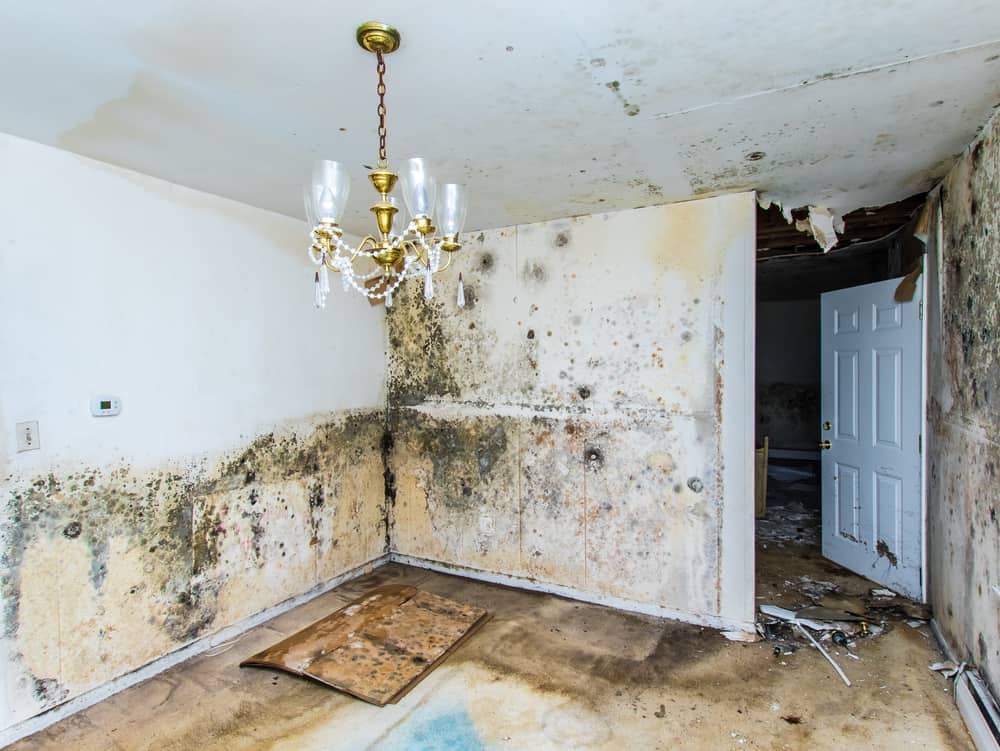
Add in the fact that most Copiague basements were built in homes constructed between the 1940s and 1970s often with minimal vapor barriers and original drainage systems and you have a situation where mold isn’t a rare event. It’s a predictable one. Sump pump failure during a nor’easter is one of the most common triggers for emergency mold assessments in this area. If your basement has had any water intrusion in the past year, even something that seemed minor, a professional inspection is worth doing before the problem spreads into the floor joists above.
Does New York State require a licensed inspector for mold assessment?
Yes, and this is one of the most important things to verify before hiring anyone. New York State has required separate licenses for mold assessment and mold remediation since January 1, 2016. These are issued by the NY Department of Labor and are searchable in their public contractor database. Any company performing mold assessment or remediation in Copiague or anywhere in Suffolk County must hold the appropriate license for the work they’re doing.
The reason this matters practically is that unlicensed work creates real problems for homeowners. If you file an insurance claim, submit a disclosure during a real estate transaction, or ever need to defend the scope of work done in your home, unlicensed inspection or remediation can invalidate the documentation you’re relying on. We hold both the NY State Mold Assessor and Mold Remediator licenses you can verify them directly through the NY Department of Labor before you ever pick up the phone. That’s not something every company offering mold inspection in this area can say.
Can a mold inspection company also do the remediation, or is that a conflict of interest?
This is a fair question, and it comes up often. The concern is that a company doing both inspection and remediation has a financial incentive to find mold whether it’s there or not. The answer to that concern is laboratory analysis. When samples are sent to a certified, independent, accredited lab, the results are objective the lab has no stake in what it finds. Mold either shows up in the samples at concerning levels or it doesn’t. That’s what separates a credible inspection from a visual assessment where the inspector’s opinion is the only evidence.
We use accredited laboratory analysis on every inspection, which means the findings in your written report are not subject to anyone’s judgment or financial interest. The lab results are the results. If remediation is recommended, it’s because the lab confirmed a problem not because we need more work. For Copiague homeowners who’ve dealt with contractors of all kinds over the years, that distinction matters. The documentation is verifiable, and the process is designed to hold up under scrutiny.
How long does a mold inspection take, and when should I schedule one in Copiague?
For a typical single-family home in Copiague, the on-site portion of a mold inspection usually takes two to three hours. That covers the moisture mapping, infrared thermal imaging, air sampling, surface swab collection, and photographic documentation. Lab results generally come back within a few business days, after which you receive the written report. The full process from inspection to report is typically completed within a week.
As for timing, the most common windows when Copiague homeowners schedule inspections are spring after winter freeze-thaw cycles and ice dam damage and late summer or early fall, when families who noticed musty odors or health symptoms during the humid bay season want answers before closing up the house for winter. Real estate transactions are another major trigger year-round, since mold disclosure requirements apply to home sales in New York. That said, if you’ve had any water intrusion from a storm, a plumbing failure, or anything else the right time to schedule is as soon as possible. Mold begins growing within 24 to 48 hours of moisture exposure, and in Copiague’s coastal humidity, that window doesn’t give you much room to wait.
Useful Links
Other Services we provide in Copiague