
Mold Inspection in Mount Sinai, NY
Harbor Air Gets In. Mold Follows. Here's What to Do.
Hear from Our Customers
Residential Mold Inspection Mount Sinai, NY
A mold inspection isn’t about scaring you it’s about getting you real answers. When you know what’s in your home, where it started, and why it’s there, you can actually do something about it. That’s the point. You stop guessing, stop worrying, and start dealing with facts.
Mount Sinai’s housing stock is largely from the 1970s and ’80s a generation of homes built before anyone really understood how moisture moves through wall assemblies. Add in the harbor’s ambient humidity, salt air off Long Island Sound, and the seasonal nor’easters that push water through aging flashing and foundation cracks, and you’ve got a recipe for hidden mold that a quick visual check will never catch. These aren’t abstract risks. They’re the specific conditions your home in Mount Sinai deals with every year.
Getting a professional mold inspection means finding out what’s actually behind your walls not just what’s visible. We deliver lab-verified results, a written report in plain language, and a clear path forward. If there’s nothing there, you’ll know that too. Either way, you’re not left guessing.
Mold Inspection Company Mount Sinai, NY
First Response Restoration and Cleaning Inc. has been serving Nassau and Suffolk County homeowners for over three decades. That’s not a marketing line it’s the kind of track record that only holds up if the work is consistently done right. In a tight-knit North Shore community like Mount Sinai, reputation travels fast, and ours has been built one inspection and one remediation at a time.
We hold New York State licenses for both mold assessment and mold remediation under Article 32 of the Labor Law the credentials legally required to do this work in Suffolk County. Every technician on our team is IICRC-certified, not just the person running the company. When someone shows up at your door on Patchogue-Mount Sinai Road or a side street off Route 25A, they’re credentialed to the same standard as everyone else on our team.
We handle the full cycle inspection, remediation, and reconstruction if needed. One company, start to finish, so you’re not coordinating between contractors while your home sits with an open problem.
Professional Mold Inspector Mount Sinai, NY
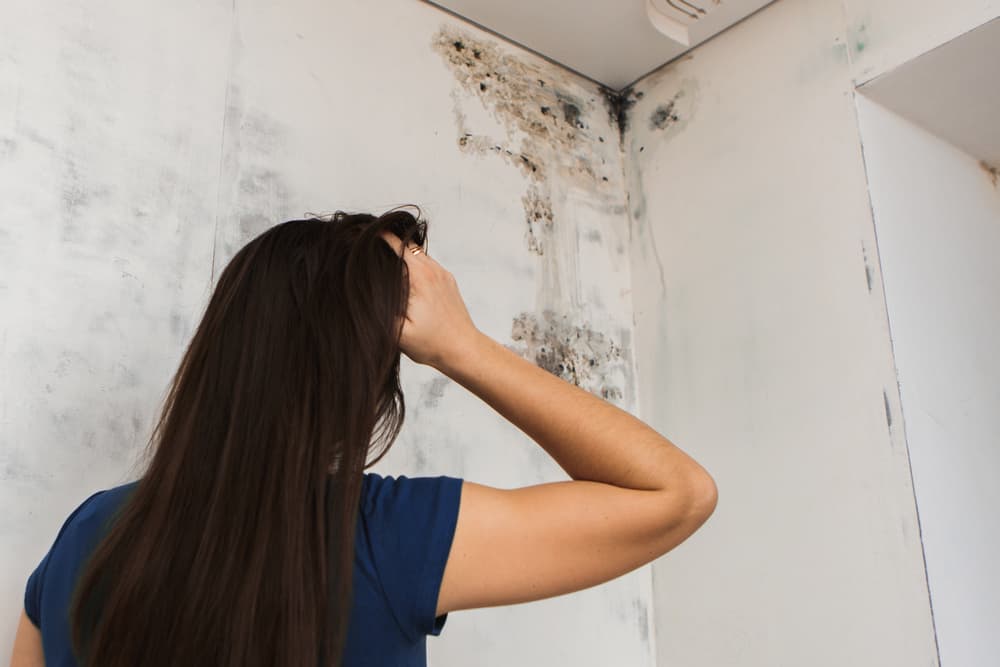
The inspection starts with a full walkthrough attic, basement, crawl spaces, bathrooms, anywhere moisture tends to collect or move through. In older Mount Sinai homes, that often includes checking around original window frames, under aging insulation, and along any wall that faces the harbor side of the property. We use infrared thermal imaging to find hidden moisture behind walls and beneath flooring without tearing anything apart. It detects temperature differences that indicate where water has been sitting often for longer than anyone realized.
From there, we collect air samples and surface swabs and send them to an accredited laboratory. This is where the guesswork ends. The lab identifies mold species, measures spore concentrations, and compares indoor levels to outdoor control samples. You get documented, scientifically verified results not a verbal opinion.
The final step is a written report that explains what was found, where it was found, what’s driving it, and what needs to happen next. If remediation is needed, we can handle that too. If it’s not, you’ll know that clearly. New York State law under Article 32 requires that mold assessment and remediation be handled separately to prevent conflicts of interest a rule we follow and that protects you throughout the process.
Ready to get started?
Mold Assessment Services Mount Sinai, NY
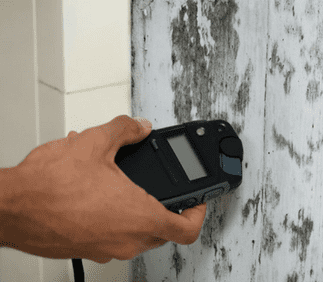
A thorough mold inspection goes well beyond walking through a home with a flashlight. Our inspection covers air quality testing using spore trap cassettes, swab sampling of any visible mold surfaces, moisture level measurement with calibrated meters, a water intrusion assessment to identify the source driving growth, and full photographic documentation. We include infrared thermal imaging to find what’s hidden the mold inside wall cavities and attic sheathing that never shows up on a visual walkthrough.
This matters especially for Mount Sinai homes near the harbor and Cedar Beach, where converted seasonal cottages and harbor-facing properties deal with vapor drive issues, salt air degradation of building materials, and elevated baseline humidity that accelerates mold colonization. Attic mold inspection is particularly relevant here inadequate ventilation in older North Shore homes creates condensation cycles that seed growth in roof sheathing long before anyone notices a smell.
All samples go to a certified, accredited laboratory. Results come back in a written report that’s clear enough to use in a real estate transaction, an insurance claim, or a conversation with a remediation contractor. If your situation involves homeowner’s insurance common after a nor’easter or a sump pump failure we handle the documentation and communicate with your carrier directly. For commercial properties in the Mount Sinai area, including facilities along Mount Sinai-Coram Road, we offer commercial mold inspection services under the same licensed, documented process.
Is mold a common problem in Mount Sinai homes near the harbor?
It’s more common than most homeowners expect, and the harbor location is a real factor. Properties near Mount Sinai Harbor and the Long Island Sound shoreline deal with consistently elevated ambient humidity especially from late spring through early fall. When outdoor humidity stays above 60–70% for extended periods, any moisture that gets into a home takes much longer to dry naturally. Mold can begin colonizing a wet surface within 24 to 48 hours, and in a harbor-adjacent environment like Mount Sinai, that baseline moisture level is already elevated before any intrusion event happens.
The homes most affected tend to be older properties particularly those built in the 1970s and ’80s where the original insulation and vapor management systems weren’t designed for the kind of sustained coastal humidity Mount Sinai sees. Converted seasonal homes near Cedar Beach are another category worth paying attention to: structures originally built for summer use often have wall assemblies that don’t handle year-round moisture the way modern construction does. If your Mount Sinai home is in either of those categories and you’ve never had a professional mold inspection, it’s worth knowing what’s actually behind your walls.
How much does a mold inspection cost in Mount Sinai, NY?
Professional mold inspections generally range from $300 to $700 for a standard residential property, though larger homes or situations requiring more extensive sampling can run higher. The specific cost depends on the size of the home, how many areas need to be tested, and whether additional lab samples are warranted based on what we find during the walkthrough.
The more useful way to think about the cost is in context. Mold remediation if a problem goes undetected and spreads can run anywhere from $1,500 to $20,000 or more depending on how far the contamination has traveled. In Mount Sinai, where median home values sit well above $500,000, undetected mold can also reduce property value by 20% or more. An inspection is a fraction of either of those numbers. For homeowners dealing with a water intrusion event that may be covered by homeowner’s insurance, the inspection documentation is also what supports the claim so it’s not just a cost, it’s a record that protects your financial position.
What's the difference between mold inspection and mold testing are they the same thing?
They’re related but not identical, and the distinction matters when you’re trying to figure out what you actually need. A mold inspection is a full assessment a trained inspector physically examines your home, uses moisture meters and thermal imaging to find hidden problem areas, identifies the source of any moisture driving growth, and collects samples where needed. Mold testing refers specifically to the laboratory analysis of those samples, which identifies mold species and measures spore concentrations.
In practice, a thorough mold inspection includes testing as part of the process the inspection tells you where to look, and the lab results tell you what’s there and how significant it is. What you want to avoid is paying for lab testing without a proper inspection behind it, because samples taken without context without knowing where moisture is moving or what the building’s history looks like can miss the actual problem. The inspection is the framework; the testing is the evidence.
Do I need a mold inspection before buying a home in Mount Sinai?
For a North Shore property at Mount Sinai’s price point, a pre-purchase mold inspection is one of the more financially rational steps you can take before closing. A standard home inspection covers a lot of ground, but mold detection isn’t its primary focus most general inspectors aren’t equipped with air sampling equipment or thermal imaging, and they’re not trained to identify the moisture pathways that lead to hidden mold in older homes.
Mount Sinai’s housing stock skews toward properties built in the 1970s and ’80s, many of which have never had their attic ventilation, basement waterproofing, or crawl space conditions professionally assessed. At median home values above $500,000, discovering a significant mold problem after closing rather than before is a costly outcome. A pre-purchase mold inspection gives you documented findings you can use in negotiations, request remediation before closing, or simply make an informed decision about whether the property is what it appears to be.
How do I know if the mold inspector I hire is actually licensed in New York?
New York State has required mold assessors and mold remediators to hold licenses issued by the Department of Labor since January 1, 2016, under Article 32 of the Labor Law. This applies to all work in Suffolk County, including Mount Sinai it’s not optional, and it’s not a certification you can substitute with something else. Any company performing mold assessment or remediation in New York without these licenses is operating illegally, regardless of what other credentials they list on their website.
You can verify a contractor’s license directly through the NY Department of Labor’s online lookup tool before you hire anyone. Search by company name or license number and confirm that both a Mold Assessor License and a Mold Remediator License are active. First Response Restoration and Cleaning Inc. holds both. It takes about two minutes to check, and it’s the single most important thing you can do before letting any mold company into your home.
What happens if the inspection finds mold what are the next steps?
If the inspection turns up active mold growth, the written report will identify what species are present, where the contamination is located, what moisture source is driving it, and what remediation approach is appropriate for the scope of the problem. From there, you have a documented starting point not a vague verbal recommendation, but a specific, lab-backed finding that tells you exactly what you’re dealing with.
Under New York State’s Article 32 rules, the same company cannot perform both the mold assessment and the remediation on the same project a provision designed to keep the inspection objective and conflict-free. We handle remediation as a separate licensed process, and if structural materials have been damaged, reconstruction is handled in-house as well. For Mount Sinai homeowners whose mold situation stems from a covered water event a storm, a burst pipe, a failed sump pump the inspection report is also the foundation of your insurance claim, and we manage that documentation and carrier communication directly so you’re not navigating it alone.
Useful Links
Other Services we provide in Mount Sinai