
Hear from Our Customers
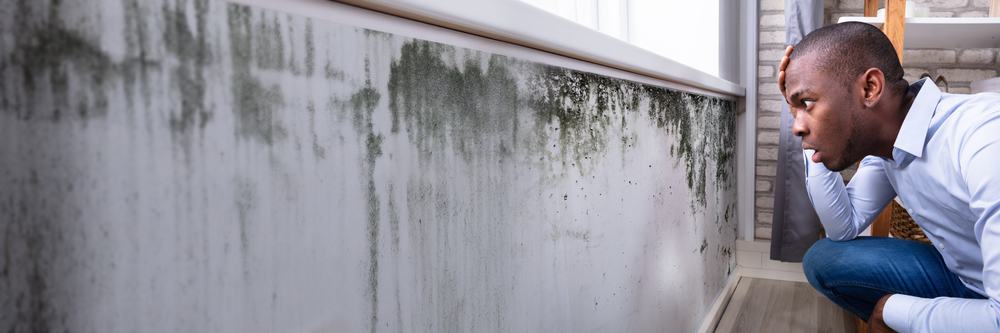
Most people who call about mold inspection in Ocean Beach aren’t panicking — they’re just not sure. There’s a smell they can’t place, or a wall that feels a little soft, or they just watched a nor’easter flood Bay Walk and they want to know their home came through it clean. That uncertainty is exactly what a thorough inspection is designed to resolve.
When you get a mold inspection done right, you walk away with lab-verified results — not a technician’s opinion, not a visual guess. Air samples and surface swabs go to a certified lab, and what comes back identifies specific mold species, measures spore concentrations, and compares what’s inside your home to outdoor control samples. That’s the difference between knowing and assuming.
For Ocean Beach specifically, the conditions that drive mold growth are stacked. You’ve got the Atlantic to the south, the Great South Bay to the north, and ambient humidity that routinely pushes past the 60% threshold the EPA identifies as the point where mold growth becomes likely. Add older bungalow construction — many of these homes weren’t built with modern vapor barriers or ventilation — and months of seasonal vacancy where no one’s there to catch a problem early. The inspection findings you get back aren’t just peace of mind. They’re documentation you can use for insurance claims, real estate transactions, and remediation decisions.
First Response Restoration and Cleaning Inc. has been serving Long Island homeowners since the early 1990s. That’s more than three decades of water damage, mold inspections, and post-storm remediation work across Suffolk County’s South Shore — including Ocean Beach and the barrier island communities that took the hardest hits from Hurricane Sandy in 2012 and the nor’easters that have followed.
We’re headquartered in West Babylon, which puts us a short drive from the Bay Shore ferry terminal — the same terminal you use to reach Ocean Beach. We understand what it takes to get a licensed crew, proper equipment, and lab-quality sampling kits to a car-free barrier island. That’s not something every mainland restoration company has figured out.
Every technician who steps off that ferry is IICRC-certified. We hold both the NY State Mold Assessor License and the NY State Mold Remediator License — the two credentials required by law in New York since 2016. We’re fully licensed, bonded, and insured.
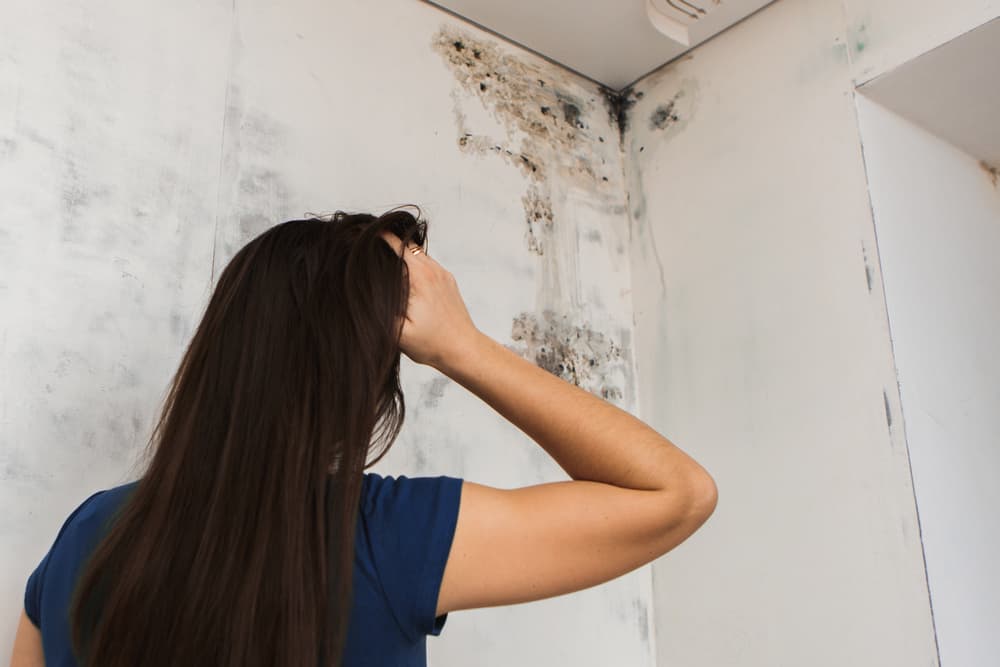
Every mold inspection in Ocean Beach follows the same documented five-point process, and it starts before we even arrive. We coordinate access logistics with the village, confirm any contractor permit requirements, and schedule the ferry crossing so your inspection runs on time — not on island time.
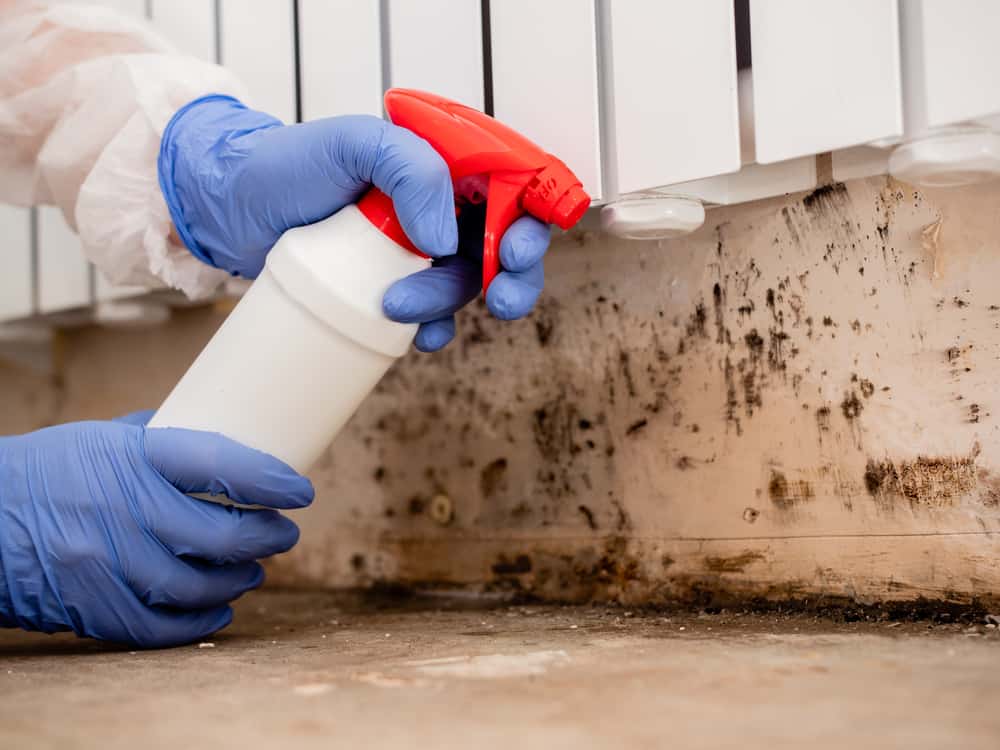
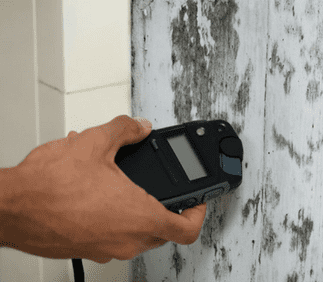
Once on-site, the inspection covers airborne spore sampling, surface swab collection, water intrusion identification, moisture level measurement with calibrated meters, and full photographic documentation of every mold source found. We also run internal-to-external mold particle comparisons and use infrared thermal imaging to detect moisture and temperature anomalies behind finished walls and under floors. That last piece matters a lot in Ocean Beach — especially in homes that were rebuilt or renovated after Sandy’s 5.6-foot flood surge. New drywall can hide old moisture problems, and infrared catches what the eye can’t.
After the inspection, all samples go to a certified, accredited laboratory. When results come back, you receive a written report in plain language — what was found, where it was found, what species were identified, and exactly what the recommended next steps are. If remediation is needed, we handle that too, so you’re not coordinating a second contractor through the ferry system.
Ready to get started?
A mold inspection in Ocean Beach isn’t the same as a mold inspection in a standard Long Island suburb. The housing stock here is different — mostly older stick-built bungalows, many of which have crawl spaces, limited attic access, and wall cavities that haven’t been opened since the original build. The seasonal occupancy pattern is different too. When a home sits vacant and unheated from October through May, moisture accumulates in places no one’s checking. HVAC systems that sit dormant all winter and restart in spring can distribute mold spores through an entire living space before anyone realizes what’s happening.
The inspection is built to account for all of that. Air testing captures what’s circulating through the home. Swab sampling targets visible or suspected surface mold. Moisture readings identify where water is getting in — whether that’s a roof penetration, a foundation issue, or residual intrusion from a past storm. Infrared imaging goes a step further, detecting hidden moisture behind walls and under flooring without tearing anything open.
For commercial properties on Ocean Beach — restaurants, rental units, or businesses along the bay — the same process applies, adapted to the specific layout and use of the space. Suffolk County’s coastal environment doesn’t discriminate between residential and commercial structures. Both face the same humidity, the same storm exposure, and the same risk of mold taking hold in places that don’t get enough airflow.
Yes — and it requires more planning than a typical service call, which is exactly why you want a company that’s done it before. Ocean Beach is a car-free community on Fire Island, accessible only by ferry from Bay Shore or by private boat. Getting a licensed inspection team there means coordinating the Fire Island Ferries schedule, transporting all sampling equipment and infrared imaging gear across the Great South Bay, and — if the work is being done off-season — securing the appropriate contractor driving permits issued by the Village of Ocean Beach.
We’re based in West Babylon, which puts us a few miles from the Bay Shore ferry terminal. We’ve worked across Suffolk County’s South Shore for over 30 years, and we understand the logistics of serving barrier island communities. We handle the access coordination on our end so you don’t have to manage it.
A comprehensive mold inspection — one that includes air sampling, surface swab collection, lab analysis, moisture readings, and a written report — typically runs between $450 and $550 for most residential properties. Depending on the size of the home, the number of areas being tested, and whether infrared thermal imaging is included, costs can range from around $300 on the low end to over $1,000 for larger or more complex properties.
For Ocean Beach specifically, it’s worth framing that cost against what’s at stake. Fire Island bungalows carry significant property value, and research consistently shows that undisclosed mold issues can reduce a home’s value by 20% or more. If you’re buying, selling, or renting your Ocean Beach property, a lab-verified inspection report is documentation — not just a service. It protects your investment and gives you something concrete to work with whether you’re talking to an insurance company, a real estate attorney, or a prospective buyer.
The most common signs are a persistent musty odor when you first open the home, visible dark staining on walls, ceilings, or around window frames, and soft or discolored spots on drywall or wood surfaces. You might also notice condensation forming on interior surfaces, or family members experiencing allergy-like symptoms — sneezing, eye irritation, or respiratory discomfort — shortly after arriving at the property.
What makes seasonal homes in Ocean Beach particularly tricky is that mold often develops in places you don’t look first: inside HVAC systems that sat dormant all winter, inside wall cavities near exterior walls, under flooring in crawl spaces, and in attic spaces with limited ventilation. The salt air and bay humidity that make Fire Island beautiful also create the exact conditions mold needs to establish itself quietly over a five-month vacancy. If something feels off when you open the house, it’s worth having it tested before the season gets underway.
It depends on the scope of the work. A mold inspection itself does not require a building permit. However, if remediation involves removing and replacing structural materials — drywall, framing, flooring, or insulation — then yes, a building permit from the Incorporated Village of Ocean Beach is required under Chapter 64 of the Village Code.
There’s an additional layer of regulatory complexity in Ocean Beach that most mainland towns don’t have: the village sits within the boundaries of Fire Island National Seashore, a unit of the National Park Service. That means certain construction and alteration activities are subject to both local village zoning regulations and federal NPS oversight. For property owners who had homes rebuilt or elevated after Sandy, this can affect what’s required for remediation work that touches structural elements. We handle the permitting coordination as part of the remediation process — you won’t be left navigating two sets of regulations on your own.
Strongly recommended — and for reasons that go beyond what a standard home inspection typically covers. A general home inspector looks at visible conditions. A mold inspection uses air sampling, surface swabs, moisture meters, and infrared imaging to find what isn’t visible: mold growing inside wall cavities, under floors, or inside HVAC systems that a visual walkthrough would completely miss.
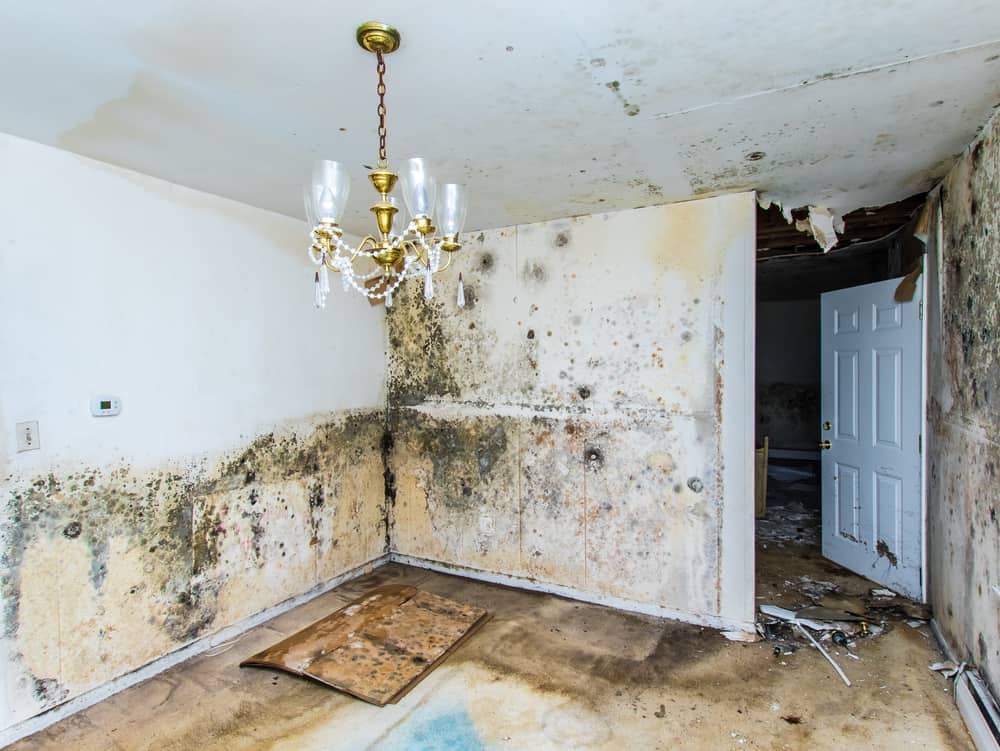
In Ocean Beach specifically, there are a few things that make pre-purchase mold inspection especially important. A significant portion of the housing stock consists of older bungalows with long histories of seasonal vacancy and potential moisture exposure. Many properties were also partially or fully rebuilt after Hurricane Sandy, and the quality of that reconstruction — particularly the moisture management — varies. If a property was rebuilt with new drywall and insulation but moisture wasn’t properly managed during the process, mold can be actively growing inside brand-new walls. A pre-purchase inspection gives you documented, lab-verified findings before you close, not after.
Mold inspection — also called mold assessment — is the diagnostic phase. A licensed mold assessor collects air and surface samples, measures moisture levels, documents findings, and produces a written report that identifies what mold is present, where it is, and what’s causing it. Remediation is the removal and correction phase: physically removing mold-affected materials, treating surfaces, addressing the moisture source, and restoring the area.
In New York State, these two functions are legally required to be performed by separately licensed professionals. Since January 1, 2016, the NY Department of Labor has required anyone performing mold assessment or mold remediation in New York to hold a state license for each specific function. A company licensed only for remediation cannot legally perform the assessment, and vice versa. This law was specifically designed to prevent conflicts of interest — so that the company diagnosing the problem isn’t the same entity deciding how much remediation is needed without independent verification. We hold both the NY State Mold Assessor License and the NY State Mold Remediator License, which means we can legally handle the full process — but the assessment findings are always lab-verified and documented independently before any remediation scope is determined.
Useful Links
Other Services we provide in Ocean Beach