
Mold Inspection in Village of the Branch, NY
Older Homes in Village of the Branch Hide Mold Better Than You Think

Hear from Our Customers
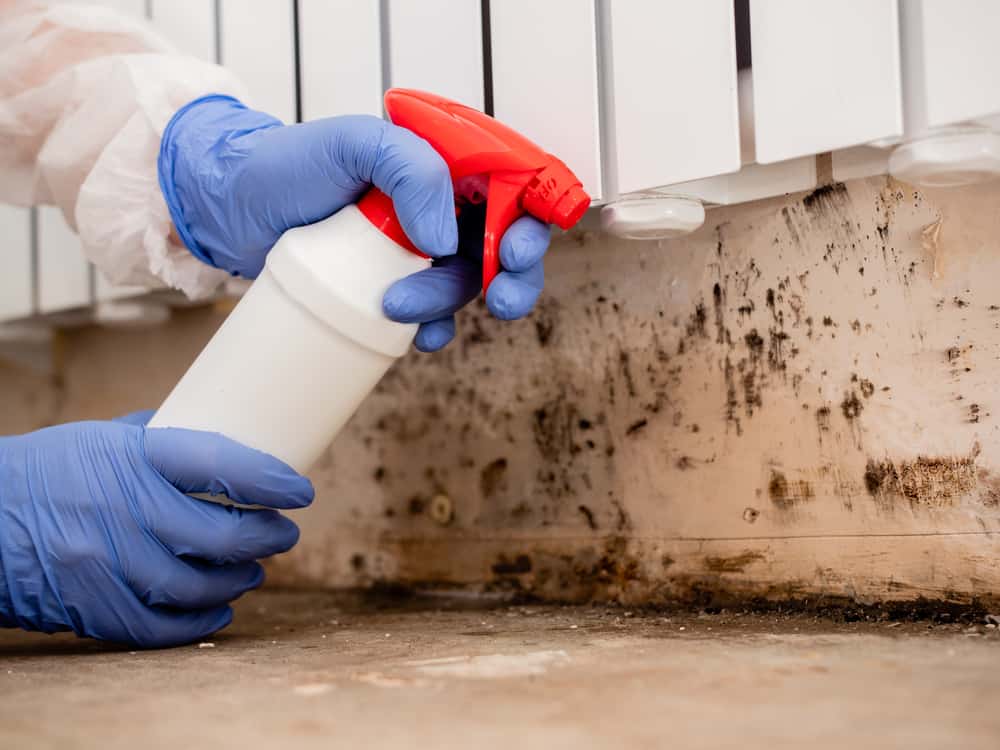
Home Mold Testing in Village of the Branch
There’s a big difference between suspecting mold and knowing. When you have a real inspection not a visual walkthrough, but actual air and surface samples sent to an accredited lab you stop guessing and start making decisions based on facts. That matters whether you’re dealing with a health concern, a water event, or a home sale.
Village of the Branch sits on north shore terrain with heavier clay soils that drain slowly and keep moisture near foundations longer than the sandy south shore communities do. Most of the housing stock here was built between the 1940s and 1970s before vapor barriers, before modern insulation standards, before anyone thought to put a drainage membrane between a concrete block wall and finished drywall. That combination creates conditions where mold can establish itself quietly, sometimes for years, before anyone notices.
For a home worth over $700,000 which is close to the median here the financial stakes of ignoring that are real. Mold issues can reduce resale value by 20 to 37 percent, and roughly half of buyers walk away from a transaction once mold history is disclosed. A thorough inspection costs a fraction of that exposure. What you get on the other side is clarity: a lab-verified picture of your home’s actual air quality, where moisture is entering, and what if anything needs to be done about it.
Professional Mold Inspector in Village of the Branch
First Response Restoration and Cleaning Inc. has been working in homes across Suffolk County for 31 years. That’s not a marketing number it’s the kind of track record that only holds up if the work is consistently honest and thorough. Richard Peterson built this company from the ground up, and it’s still owner-operated today.
We know Village of the Branch well including the regulatory nuance that matters here specifically. The village maintains its own Building Department at 40 Route 111, separate from the Town of Smithtown. Any remediation work requiring permits has to go through the village, not the town. Contractors who don’t know that create delays and compliance problems. We do.
Every technician on our team holds IICRC certification. We carry New York State licenses for both mold assessment and mold remediation both are verifiable through the NY Department of Labor. If you want to look us up before you call, we’d encourage it.
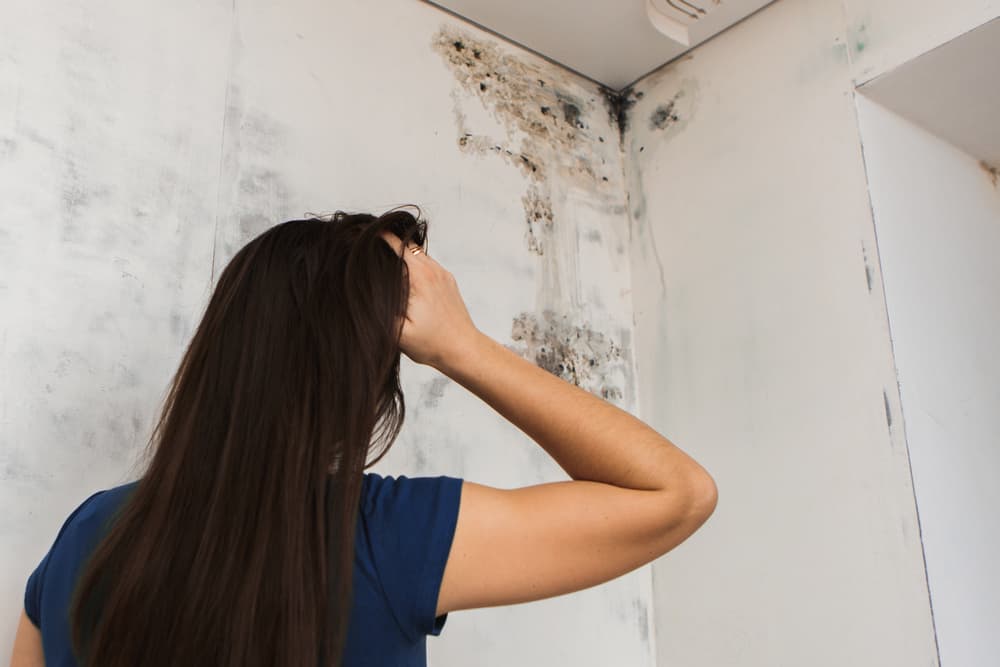
Mold Assessment Services in Village of the Branch
The inspection starts with a full walkthrough of your home not a quick scan, but a structured assessment focused on the areas most likely to harbor mold in a north shore home of this age. That means the basement, the attic, the HVAC system, and anywhere there’s been water intrusion. We use infrared thermal imaging to detect moisture behind walls and under floors that a visual inspection would completely miss.
From there, we collect air samples and surface swab samples depending on what the walkthrough reveals. Air samples are compared against outdoor control samples taken the same day that comparison is what tells us whether elevated spore counts inside your home are actually a problem or just ambient background levels. Every sample goes to an accredited third-party laboratory. The results aren’t our interpretation they’re scientific data.
When the lab results come back, you receive a written report in plain language: what was found, what species were identified, what the concentrations mean, where moisture is entering, and what the remediation recommendations are if any are warranted. If the results come back clean, you’ll have documentation that says so useful for insurance, real estate transactions, or just peace of mind. If remediation is needed, we’re licensed to handle that too, so you’re not starting over with a new company.
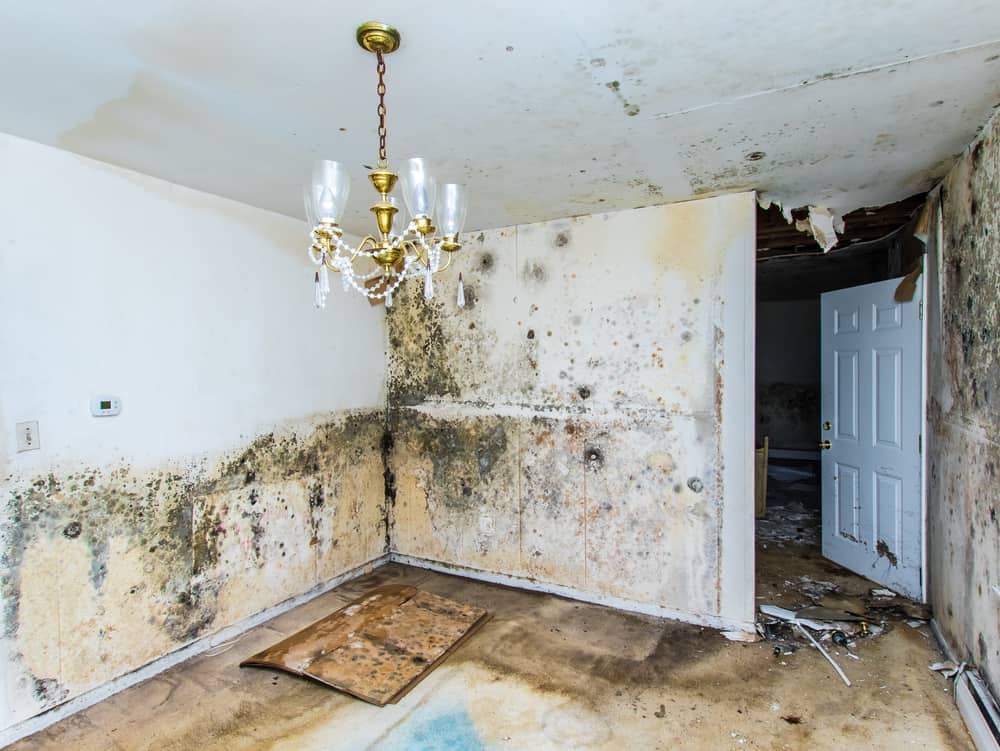
Ready to get started?
Residential Mold Inspection in Village of the Branch, NY
A mold inspection in Village of the Branch isn’t a one-size-fits-all service the housing stock here has specific characteristics that shape where we look and what we’re looking for. Homes built in the 1940s through 1970s tend to have original insulation that retains moisture, older ductwork that accumulates organic debris, and finished basements that were completed without the moisture management systems now required by code. Those are the areas we pay close attention to.
The inspection includes air testing with indoor-to-outdoor spore count comparison, surface swab sampling, a water intrusion assessment to identify the moisture source driving any growth, calibrated moisture level readings throughout the home, and full photographic documentation of every area of concern. For homes in or near the Village of the Branch Historic District along Route 25 where some structures date to the 18th and 19th centuries we bring additional awareness of how older construction methods affect moisture behavior inside walls and crawl spaces.
We also handle commercial mold inspection in Village of the Branch for business properties along the Route 25 and Route 111 corridors. The inspection cost typically ranges between $450 and $700 for a comprehensive multi-sample assessment with lab analysis and a written report and that report is formatted to be usable for insurance claims, pre-purchase due diligence, and post-remediation clearance documentation. One inspection, one report, everything you need.
Does Village of the Branch require permits for mold remediation work?
Yes, and this is a detail that trips up a lot of homeowners and some contractors. Village of the Branch maintains its own Building Department, located at 40 Route 111. The Town of Smithtown Building Department explicitly does not accept permit applications for projects within the village. That’s a separate jurisdictional layer that not every remediation company is aware of.
If remediation work in your home requires permits which depends on the scope and what structural materials need to be removed those permits have to go through the Village Building Department, not the town. Working with a contractor who doesn’t know this can result in compliance issues, failed inspections, and delays that extend your project timeline significantly. We’ve been navigating Suffolk County’s incorporated village jurisdictions for 31 years and handle this correctly from the start.
How much does a professional mold inspection cost in Village of the Branch?
A comprehensive mold inspection with air sampling, surface swab collection, lab analysis, and a written report typically runs between $450 and $700 in the Village of the Branch area. The exact cost depends on the size of the home and how many sample locations are warranted based on the walkthrough findings.
That range might feel like a significant number until you put it next to the alternatives. Mold remediation for a moderately affected home runs $1,150 to $3,400 on average and can reach $20,000 or more when mold has spread through wall cavities, insulation, and structural framing in an older home. For a Village of the Branch property with a median value above $700,000, catching a mold problem early or confirming your home is clean before listing it is one of the more straightforward financial decisions a homeowner can make. The inspection is the cheap part.
What are the most common signs of mold in older Village of the Branch homes?
The most common indicators in homes of this age and construction type are a persistent musty odor without a visible source, unexplained respiratory symptoms or chronic sinus congestion in household members, visible discoloration on basement walls or ceiling tiles, and any history of water intrusion even minor events that seemed to dry out on their own.
In Village of the Branch, where homes built between the 1940s and 1970s make up the majority of the housing stock, the risk areas are predictable: finished basements with drywall installed directly over concrete block walls, attic sheathing above inadequate insulation, and aging HVAC ductwork that hasn’t been inspected in years. Long Island’s summer humidity regularly exceeds 70 to 80 percent well above the 50 percent threshold where mold growth accelerates and older homes without modern vapor barriers give that moisture a direct path into the building envelope. If you’re noticing any of these signs, an inspection is the right next step before the situation gets larger.
Is mold inspection in Village of the Branch required before selling a home?
New York State does not legally require a mold inspection as a condition of every home sale, but the practical reality in a market like Village of the Branch is that it has become a standard part of the pre-purchase due diligence process particularly for buyers purchasing homes in the $600,000 to $800,000 range, which is where most transactions here fall.
Buyers and their attorneys increasingly request mold inspection results before closing, especially for older homes. If mold is discovered during a buyer’s independent inspection after you’re already under contract, you’re negotiating from a weaker position or watching the deal fall apart entirely. Studies consistently show that approximately 50 percent of buyers back out of transactions when mold history is disclosed late in the process. Having a clean, lab-verified inspection report in hand before you list removes that uncertainty entirely and gives buyers one less reason to hesitate.
Can mold grow in an attic, and how would I know if it did?
Attic mold is one of the most common findings in north shore Long Island homes, and it’s also one of the most frequently missed because most homeowners don’t go up there often enough to notice it. In Village of the Branch, where many homes have older insulation and less efficient attic ventilation than current code requires, the conditions for attic mold are almost ideal. During summer, attic temperatures in under-ventilated spaces can exceed 130 degrees Fahrenheit. That heat drives moisture cycling through the roof sheathing, and when that moisture condenses on cooler surfaces, mold follows.
The signs you might notice from inside the home include staining on upper-floor ceilings, higher-than-normal cooling costs, or a musty smell that seems to come from above rather than below. But often there are no obvious signs at all which is why attic inspection is a standard part of what we do on every residential mold assessment. We access the attic directly, assess the sheathing and insulation, and collect samples if anything warrants it. Attic mold inspection in Village of the Branch is something we’d recommend for any home over 30 years old that hasn’t had a recent assessment.
Does First Response Restoration handle both the inspection and the remediation?
Yes, and that’s worth understanding clearly because it’s a question that comes with a legitimate concern attached to it. Some homeowners worry that a company offering both services has a financial reason to find mold whether it’s there or not. It’s a fair thing to think about, and here’s the honest answer: every finding we document is backed by accredited laboratory results. The lab determines whether mold is present at actionable concentrations not our opinion, not a visual judgment call. The data is what it is.
The practical benefit of working with a company licensed for both mold assessment and mold remediation in New York State is that if your Village of the Branch home does need remediation, you’re not starting the process over with a new contractor. The same licensed, IICRC-certified team that conducted your inspection understands your home’s specific conditions, knows where the moisture source is, and can take the project from remediation through post-clearance testing and any necessary reconstruction without you having to coordinate between multiple companies or repeat the trust-building process from scratch.
Useful Links
Other Services we provide in Village Of The Branch