Flood Insurance vs Water Damage Coverage Explained
Most Nassau County homeowners don't realize their standard policy excludes flood damageuntil they file a claim. Here's what you need to know before water hits your property.
Share:

Summary:
Your basement has three inches of water. You call your insurance company expecting coverage, and they deny the claim. Why? Because what you thought was water damage got classified as floodingand your homeowners policy doesn’t cover that. This happens more often than you’d think, especially in Nassau County where over 300,000 residents live in flood zones. The difference between these two types of coverage isn’t just technical jargon. It determines whether your claim gets paid or denied. Let’s break down what you’re actually covered for, what you’re not, and how to make sure water damage to your home gets documented the right way from the start.
Understanding Water Damage vs Flood Insurance Coverage
Here’s the reality: your homeowners insurance and flood insurance are completely separate policies that cover different scenarios. Water damage coverage is typically included in your standard homeowners policy. It covers internal water sourcesburst pipes, leaking appliances, overflowing toilets, roof leaks from storm damage. Basically, if water originates inside your home or enters through a covered peril like wind-damaged roofing, you’re likely covered.
Flood insurance is a separate policy you have to purchase specifically. It covers external water sourcesrising groundwater, storm surge, overflowing rivers or bays, heavy rainfall that accumulates outside and enters your property. The key distinction is where the water comes from and whether it touched the ground before entering your home.
This isn’t just semantics. Insurance companies use these definitions to determine claim approval. In Nassau County, where coastal flooding and heavy storms are common, that line between “water damage” and “flood damage” becomes the difference between a $50,000 payout and zero coverage.
What Does Water Damage Insurance Actually Cover
Your homeowners policy typically covers sudden and accidental water damage from internal sources. Think of scenarios where something breaks or fails unexpectedly. A pipe bursts in your wall during a cold snap. Your water heater ruptures and floods the basement. Your washing machine hose splits and soaks the laundry room floor. These are covered events under most standard policies.
The coverage extends to the resulting damagenot the broken item itself. If your dishwasher malfunctions and floods your kitchen, insurance covers the floor damage but not the dishwasher replacement. That’s an important distinction that catches people off guard.
Storm-related water damage also falls under homeowners coverage in specific situations. If high winds tear shingles off your roof and rain enters through that opening, you’re covered. If a tree falls on your house during a storm and creates an opening where water enters, that’s covered too. The critical factor is that the water enters due to a covered perilwind, hail, falling objectsnot from rising floodwater outside.
But here’s where it gets tricky. If you have a slow leak that’s been dripping for months, that’s usually not covered. Insurance policies exclude gradual damage and maintenance issues. They expect you to maintain your property and address problems before they become catastrophic. A pipe that’s been leaking slowly for six months isn’t sudden or accidentalit’s a maintenance failure in the insurer’s eyes.
The same goes for wear and tear. If your roof is 25 years old and finally starts leaking during a rainstorm, the insurance company might argue that’s age-related deterioration, not storm damage. They’ll send an adjuster to determine whether the leak resulted from storm damage to an otherwise functional roof, or from a roof that was already failing.
Sewer backup and sump pump failure typically require separate endorsements. Most standard policies exclude these scenarios unless you’ve specifically added coverage for them. That’s worth checking in your policy because basement flooding from sewer backup is relatively common in older Nassau County neighborhoods.
How Flood Insurance Differs from Standard Coverage
Flood insurance covers water that comes from outside your home and accumulates on normally dry ground before entering your property. The legal definition requires that the flooding affects at least two properties or two acres of land. So if just your house floods but your neighbors are fine, that might not meet the technical definition of floodingwhich actually works in your favor because it stays under homeowners coverage.
You can purchase flood insurance through the National Flood Insurance Program (NFIP) or private insurers. NFIP is the most common source and is backed by FEMA. Private flood insurance has become more available in recent years and sometimes offers higher coverage limits or additional benefits that NFIP doesn’t provide.
Here’s what flood insurance typically covers: structural damage to your home’s foundation, walls, floors, electrical and plumbing systems, HVAC equipment, and permanently installed items like built-in appliances. It also covers personal property, though that’s often a separate coverage amount you select when purchasing the policy. Items in your basement have limited coverage under most flood policiesanother detail that surprises people after the fact.
What flood insurance doesn’t cover is often just as important. It typically excludes temporary living expenses if you have to move out during repairs. It doesn’t cover landscaping, swimming pools, decks, or detached structures unless you’ve purchased additional coverage. Currency, precious metals, and valuable papers have very limited coverage. And perhaps most significantly, mold remediation beyond what’s directly caused by the flood event may not be fully covered.
The waiting period matters too. When you purchase flood insurance, there’s typically a 30-day waiting period before coverage takes effect. You can’t buy it when a storm is forecasted and expect immediate protection. This catches people during hurricane season when they suddenly realize they’re unprotected and try to purchase coverage at the last minute.
In Nassau County, certain areas require flood insurance by law if you have a federally backed mortgage. Properties in high-risk zonesdesignated as A or V zones on FEMA flood mapsmust maintain flood coverage as a condition of the loan. But even if you’re not in a high-risk zone, about one-third of flood insurance claims come from areas outside those designated zones. Flooding can happen anywhere, especially on Long Island where storm surge, heavy rainfall, and inadequate drainage create risks across the entire county.
Water Damage vs Flood Damage: How Claims Get Classified
The source of water determines everything. Insurance companies will investigate where the water came from, how it entered your property, and whether it meets the technical definition of flooding. This is where claims get disputed, denied, or misclassifiedand where homeowners lose thousands of dollars because they didn’t document the damage correctly.
A simple test: did the water come from the ground up, or from the top down? Water entering from ground levelrising through your foundation, seeping under doors, accumulating outside and flowing inthat’s flood damage. Water entering from abovethrough your roof, through a broken window, from a burst pipethat’s typically water damage covered by homeowners insurance.
But storms create gray areas. During Hurricane Sandy, countless Nassau County homes experienced both wind damage and flooding simultaneously. Wind tore off roofs, allowing rain to enter from above. Storm surge pushed water in from ground level. Insurance companies had to determine which damage came from which sourceand homeowners with only one type of coverage often found themselves fighting over classification.
Why Insurance Companies Misclassify Claims
Let’s be direct: insurance companies have financial incentive to classify damage in whichever category isn’t covered by your policy. If you only have homeowners insurance and they can argue the damage was flooding, they avoid paying the claim. If you only have flood insurance and they can argue it was gradual water damage or maintenance-related, same result.
This isn’t conspiracy theoryit’s documented practice. Adjusters receive training on identifying exclusions and limiting payouts. They’re not necessarily acting in bad faith, but they’re definitely not working for you. They work for the insurance company, and their job is to assess claims in a way that protects the company’s financial interests.
Common misclassification scenarios happen all the time. Storm-driven rain that enters through wind-damaged areas of your home gets classified as “flooding” even though it should fall under wind and hail coverage. Sewer backup during heavy rainfall gets classified as “flooding” when it should be covered under a sewer backup endorsement. Burst pipes in winter get blamed on “lack of maintenance” rather than sudden freezing conditions.
The misclassification often happens in the initial assessment. An adjuster visits your property, takes photos, writes a report, and makes a determination. If that determination is wrong, you’re now fighting an uphill battle to prove otherwise. By the time you realize the claim was misclassified, critical evidence may be gone. You’ve already started repairs. The water has dried. The damaged materials have been removed.
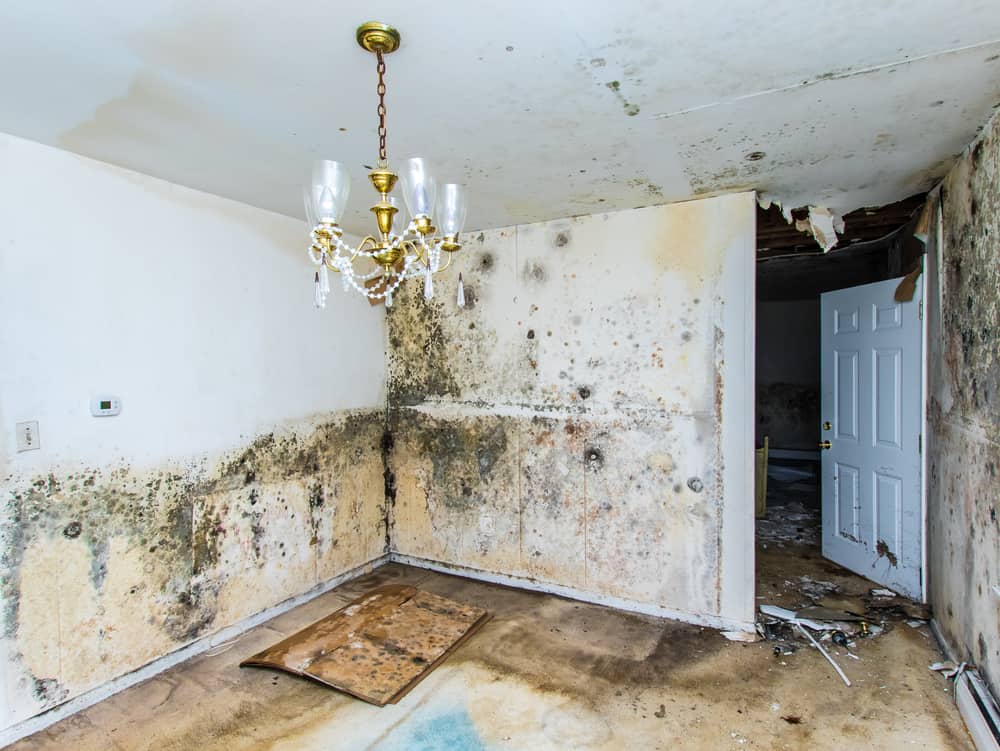
That’s why documentation matters from minute one. Before you touch anything, before you start cleanup, you need photos and videos showing where the water is, where it came from, and what it damaged. You need to document the water source clearly. If a pipe burst, photograph the broken pipe. If water came through a storm-damaged roof, photograph the roof damage. If water rose from outside, photograph the water level outside your home and the entry points.
Time stamps matter too. Photos with metadata showing date and time help establish that damage was sudden rather than gradual. If you can show your basement was dry on Monday and flooded on Tuesday during a storm, that’s powerful evidence of a sudden event rather than slow seepage.
Nassau County Coastal Flooding and Insurance Implications
Nassau County faces unique flooding risks that most inland areas don’t deal with. You’ve got the Atlantic Ocean to the south, Long Island Sound to the north, and countless bays, inlets, and canals throughout. Storm surge during hurricanes can push water miles inland. Heavy rainfall overwhelms drainage systems that were built decades ago for much smaller populations. King tides and seasonal flooding affect coastal communities even without major storms.
Over 300,000 Nassau County residents live in designated flood zones. That’s roughly a quarter of the county’s population. Yet only about 9% of households carry flood insurance. The math doesn’t add up, and it means the vast majority of flood-prone properties are completely unprotected when water rises.
Hurricane Sandy in 2011 taught this lesson the hard way. South shore communities like Long Beach, Island Park, and Oceanside experienced catastrophic flooding. Thousands of homeowners who thought their insurance would cover the damage discovered that their policies specifically excluded flooding. The financial devastation went far beyond the physical damage to homes.
Since Sandy, flood insurance awareness has improved, but gaps remain. Many homeowners purchased flood insurance immediately after the storm, then dropped it a few years later when premiums increased or when the immediate fear faded. Others assume that because they haven’t flooded in the past, they won’t flood in the futurewhich isn’t how probability works.
FEMA flood maps designate risk zones, but those maps are imperfect. They’re based on historical data and modeling, but climate patterns are changing. Areas that were considered low-risk 20 years ago are experiencing flooding now. Commercial development reduces the ground’s ability to absorb water, increasing runoff and flooding in areas that used to drain naturally.
Even if you’re not in a high-risk zone, you can still purchase flood insuranceand it’s often quite affordable in moderate- or low-risk areas. The Preferred Risk Policy through NFIP costs around $400-$500 annually for significant coverage. That’s less than most people spend on coffee in a year, and it protects against losses that could reach six figures.
The question isn’t whether Nassau County will experience flooding again. It will. The question is whether you’ll be financially protected when it happens. And whether you understand the difference between flood damage and water damage well enough to ensure your claim gets handled correctly.
Protecting Your Nassau County Home: Coverage and Claims
The distinction between flood insurance and water damage coverage isn’t academicit’s the difference between financial protection and financial catastrophe. Your homeowners policy covers internal water sources and certain storm-related scenarios. Flood insurance covers rising water from external sources. Neither policy covers everything, and the gaps between them create opportunities for claims to be denied or misclassified.
If you’re in Nassau County, especially in coastal areas or designated flood zones, you need both types of coverage. And you need to understand exactly what each policy covers so that when damage occurs, you document it correctly from the beginning. Take photos immediately. Identify the water source clearly. Contact your insurance company promptly. And if you’re dealing with significant damage or a disputed claim, work with professionals who understand both the restoration process and the insurance requirements.
We’ve been helping Nassau County homeowners navigate water damage and flood insurance claims for over 35 years. We understand how claims get classified, what documentation insurance companies require, and how to ensure damage gets assessed accurately from the start.
Article details:
- Published by:
- First Response Restoration
- Published to:
- Last modified:
- August 6, 2026
Share:
Continue learning: