Water Damage Restoration Costs: Direct Billing Saves
Water damage restoration costs in Nassau County range from $1,383 to $6,384, but direct insurance billing can eliminate most upfront expenses—here's what actually drives your final bill.
Share:
Summary:
You’re standing in water. Maybe it’s creeping across your basement floor, or dripping through your ceiling, or pooling under your kitchen sink. Your first thought probably isn’t about cost—it’s about stopping the damage.
But once the initial panic fades, the question hits: what is this going to cost me?
Water damage restoration pricing can feel like a black box. You need answers now, not vague estimates or sales pitches. This guide breaks down what Nassau County homeowners actually pay for water damage restoration in 2026, what drives those costs, and how direct insurance billing can save you thousands in out-of-pocket expenses. Let’s start with what you’re really dealing with.
Water Damage Cost Breakdown by Category
Not all water damage costs the same to fix. The type of water involved determines how much work is needed, what safety protocols apply, and ultimately what you’ll pay.
The restoration industry uses three categories to classify water contamination. Category 1 is clean water from supply lines, broken faucets, or water heaters—basically sanitary sources. This is the least expensive to remediate, running $3 to $4 per square foot. Most materials can be saved if you act within 24 to 48 hours.
Category 2 is gray water, which contains chemical or biological contaminants. Think washing machine discharge, dishwasher overflow, or toilet water with urine. Gray water restoration costs $4 to $7 per square foot because it requires antimicrobial treatment and protective equipment for technicians. Category 3 is black water—the most serious and expensive. This includes sewage backups, flooding from rivers or storms, and any water that’s been sitting long enough to grow bacteria. Black water costs around $7 to $7.50 per square foot, and anything it touches usually needs to be removed and replaced, not just cleaned.
Here’s what most people don’t realize: clean water doesn’t stay clean. If Category 1 water sits untreated for more than 24 hours, it can degrade into Category 2 as bacteria multiply. Wait longer, and you’re looking at Category 3 contamination. That’s why speed matters—not just for preventing mold, but for controlling costs.
Restoration Pricing Factors That Affect Your Bill
Beyond water category, several factors determine your final restoration cost. Square footage is the most obvious—a 200-square-foot bathroom costs less to restore than a 1,000-square-foot basement. But the affected area isn’t just about size.
Materials matter. Drywall absorbs water differently than tile. Hardwood floors require different drying techniques than carpet. If water has soaked into insulation, subflooring, or wall cavities, the restoration becomes more complex and expensive. Some materials can be saved with proper drying; others need complete replacement.
Damage class also plays a role. Class 1 damage affects a small area with minimal absorption—maybe some wet carpet in one corner. Class 2 involves an entire room, with water wicking up walls 12 to 24 inches. Class 3 means water came from above, saturating ceilings, walls, and floors throughout the space. Class 4 involves specialty drying for low-permeance materials like hardwood or concrete that require longer drying times and specialized equipment.
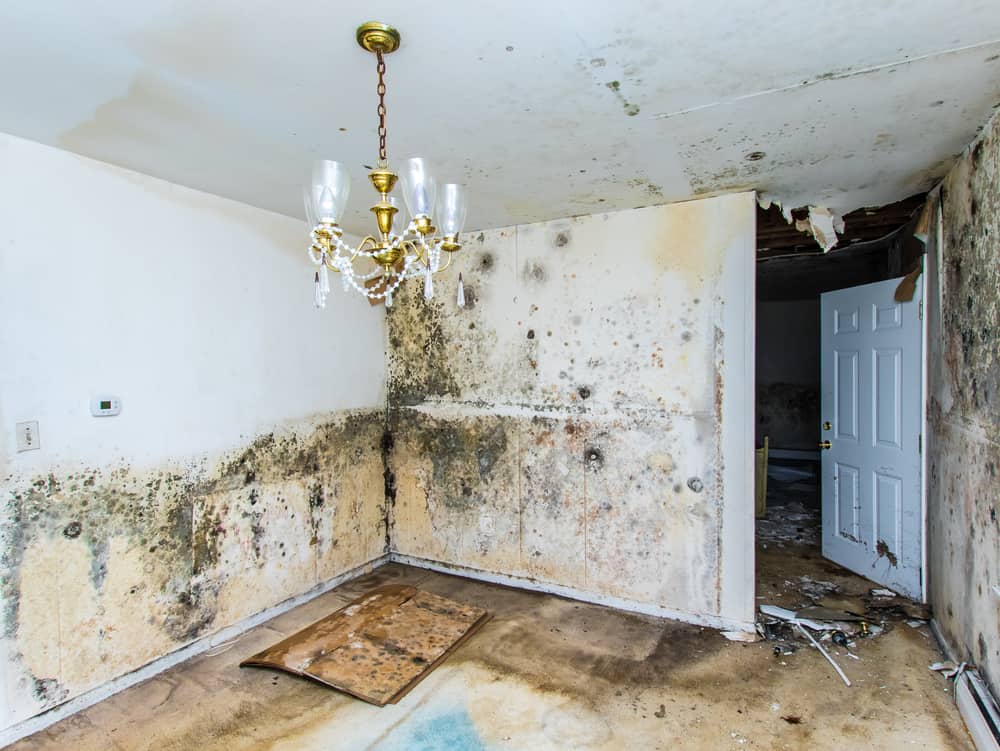
How long the water has been sitting changes everything. A burst pipe you catch immediately is one thing. A slow leak that’s been going for weeks behind a wall is another. Extended exposure leads to mold growth, structural damage, and material deterioration—all of which add to the restoration cost. Mold remediation alone averages $2,225, and that’s on top of the water damage restoration.
Location within your home affects accessibility and complexity. Water damage in an easily accessible living room is more straightforward to address than water in a crawl space or behind finished walls. Basements present unique challenges in Nassau County due to the high water table and frequent groundwater intrusion.
What Does Insurance Coverage Water Damage Actually Include
Insurance coverage for water damage isn’t as simple as “covered” or “not covered.” Most homeowners policies cover sudden and accidental water damage—things like burst pipes, appliance failures, or roof leaks from storm damage. What they don’t cover is gradual damage from deferred maintenance or neglect.
Here’s where it gets tricky for Nassau County homeowners. Standard homeowners insurance does not cover flooding from external sources like storm surge, rising tides, or overflowing rivers. That requires separate flood insurance, which many coastal and waterfront properties are required to carry. Given Nassau County’s location and history with hurricanes and nor’easters, this distinction matters.
Insurance companies also won’t pay for damage that results from long-term leaks you should have noticed and fixed. If a pipe has been dripping for months and finally causes major damage, the insurer may argue you should have addressed it sooner. Documentation matters here—if you can show the damage was sudden or that you took reasonable maintenance steps, your claim stands a better chance.
The deductible is your responsibility regardless of coverage. Most Nassau County homeowners have deductibles ranging from $500 to $2,500. Some policies have separate, higher deductibles for water damage or wind damage, especially in coastal areas. Know what yours is before you file a claim.
Here’s what many people miss: even when insurance covers the damage, you typically have to pay the restoration company first, then wait for reimbursement. For a $5,000 restoration job, that means coming up with five thousand dollars upfront while your claim processes. This is where direct insurance billing changes the equation entirely. When we bill your insurance directly, you only pay your deductible. We handle the paperwork, communicate with the adjuster, and get paid directly by the insurer once the claim is approved. This eliminates the financial stress of fronting thousands of dollars during an already difficult time.
How Direct Insurance Billing Reduces Out-of-Pocket Costs
Direct insurance billing isn’t just a convenience—it’s a financial strategy that protects you during a water emergency. When we offer direct billing, we’re essentially extending you credit while your insurance claim processes.
Here’s how it works. We assess the damage, perform emergency mitigation like water extraction and drying, then create a detailed estimate with moisture readings and photo documentation. This estimate goes directly to your insurance company and their adjuster. We communicate with the adjuster, answer technical questions, and provide any additional documentation needed. Once the insurer approves the scope of work, they pay us directly. You only pay your deductible.
The benefits go beyond avoiding upfront costs. Working directly with insurers means we understand what documentation is needed, how to present estimates in the format adjusters expect, and how to justify the scope of work. This expertise speeds up approvals and reduces the back-and-forth that can delay your restoration. We use Xactimate, the industry-standard estimating software that insurance companies also use, which means pricing is consistent and transparent.
Understanding the True Cost of Waiting
Every hour you wait after water damage occurs, the potential cost increases. This isn’t scare tactics—it’s basic physics and biology.
Water moves fast. Within minutes, it spreads throughout your home, soaking into floors, walls, and furniture. Within hours, drywall begins to swell and break down. Wood floors start to cup and buckle. Within 24 hours, mold and bacteria begin to grow. Within 48 hours, mold growth and health hazards escalate. After a week, you’re looking at serious structural damage and potential biohazard conditions.
The financial impact is measurable. A Category 1 water event caught immediately might cost $2,000 to restore. Wait 48 hours, and that same water has degraded to Category 2, requiring antimicrobial treatment—now you’re at $3,500. Wait a week, and you’ve got mold growth requiring separate remediation, plus structural repairs from deteriorated materials. Now you’re looking at $6,000 or more for the same initial event.
Nassau County’s climate makes this worse. High humidity levels, especially in summer, accelerate mold growth. Basements with poor ventilation create ideal conditions for moisture problems. Coastal areas face additional challenges from salt air and fluctuating water tables.
Speed also affects insurance coverage. Most policies require you to mitigate damage promptly to prevent further loss. If you wait and the damage gets worse, the insurer may only cover the initial damage, not the additional problems caused by your delay. This means you could be on the hook for costs that would have been covered if you’d acted immediately.
Emergency response matters. We offer 24/7 service and can begin mitigation immediately, even at 2 AM on a Sunday. This quick response limits damage spread, reduces drying time, and ultimately lowers your total restoration cost. The difference between a same-day response and waiting until Monday morning can be thousands of dollars.
Nassau County Water Damage Cost Factors in 2026
Nassau County presents unique cost factors that affect water damage restoration pricing. Understanding these local variables helps you anticipate what you might pay.
The high water table across much of Nassau County means groundwater intrusion is common, especially after heavy rain or snowmelt. Basements in areas like Long Beach, Oceanside, and parts of Garden City frequently deal with water seepage through foundation walls and floors. This type of damage often requires ongoing moisture management, not just one-time restoration.
Aging infrastructure plays a role. Many Nassau County homes were built decades ago with plumbing systems that are nearing the end of their lifespan. Galvanized pipes corrode from the inside, cast iron drain lines crack, and old water heaters fail without warning. When these systems fail, the resulting damage can be extensive because the problem often goes unnoticed until significant water has already leaked.
Storm exposure is a constant factor. Nassau County sits in the Atlantic hurricane belt and regularly experiences nor’easters. Hurricane Sandy in 2011-2012 caused catastrophic flooding throughout the south shore, and many homeowners learned the hard way that their standard insurance didn’t cover storm surge. Even smaller storms can overwhelm drainage systems and cause basement flooding.
Labor and material costs in Nassau County run higher than the national average due to the cost of living and doing business on Long Island. The average water damage restoration cost in Nassau County aligns with the national average of $3,860, but complex jobs involving structural repairs, mold remediation, or specialty materials can push costs higher.
Insurance requirements also vary. Homes in FEMA flood zones must carry flood insurance if they have federally backed mortgages. Even outside designated flood zones, Nassau County’s coastal location makes flood insurance a smart investment—over 20% of flood claims come from areas outside high-risk zones.
Local building codes and permit requirements can add to restoration costs when structural repairs are needed. Nassau County has strict regulations around foundation work, electrical systems, and mold remediation. Working with a restoration company that understands these local requirements prevents delays and ensures compliance.
Making Smart Decisions About Water Damage Restoration Costs
Water damage restoration costs in Nassau County range from around $1,400 to over $6,000, with most homeowners paying close to the national average of $3,860. But the actual number depends on factors you can control—primarily how fast you act and whether you work with a company that offers direct insurance billing.
Understanding water categories, damage classes, and what your insurance actually covers puts you in a stronger position when disaster strikes. The difference between Category 1 and Category 3 water can double your costs. The difference between immediate response and waiting a few days can mean the difference between simple drying and extensive mold remediation.
Direct insurance billing eliminates the financial burden of paying thousands upfront while your claim processes. It also ensures professional documentation and communication with your insurer, which speeds approvals and reduces disputes. When you’re already dealing with the stress of water damage, removing the financial uncertainty makes a real difference.
If you’re facing water damage in Nassau County, acting quickly protects both your home and your wallet. We’ve served Long Island homeowners for over 35 years, offering direct insurance billing, certified technicians, and the complete documentation needed for smooth insurance claims.
Article details:
- Published by:
- First Response Restoration
- Published to:
- Last modified:
- October 1, 2026
Share:
Continue learning: