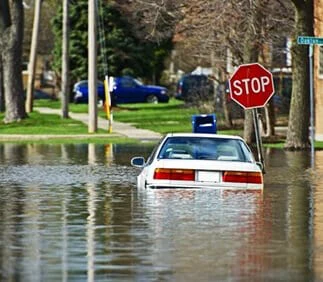
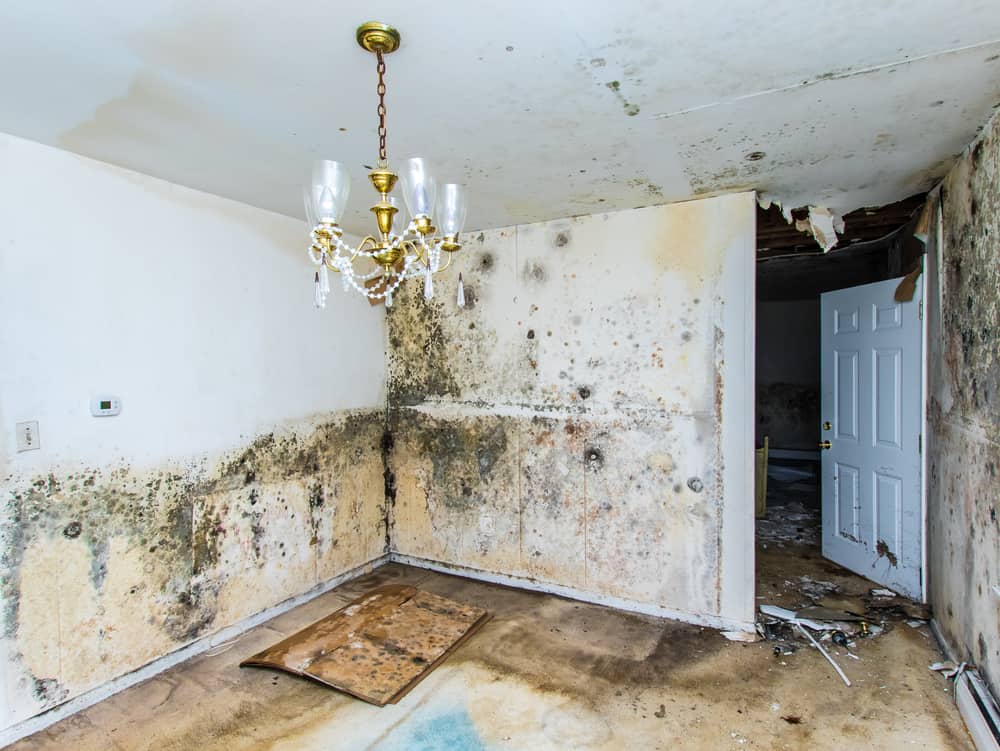
7 Steps for Emergency Basement Flood Clean Up Response
When your Nassau County basement floods, the first 24 hours determine everything. These 7 emergency response steps help you minimize damage, prevent mold, and protect your home.
Share:
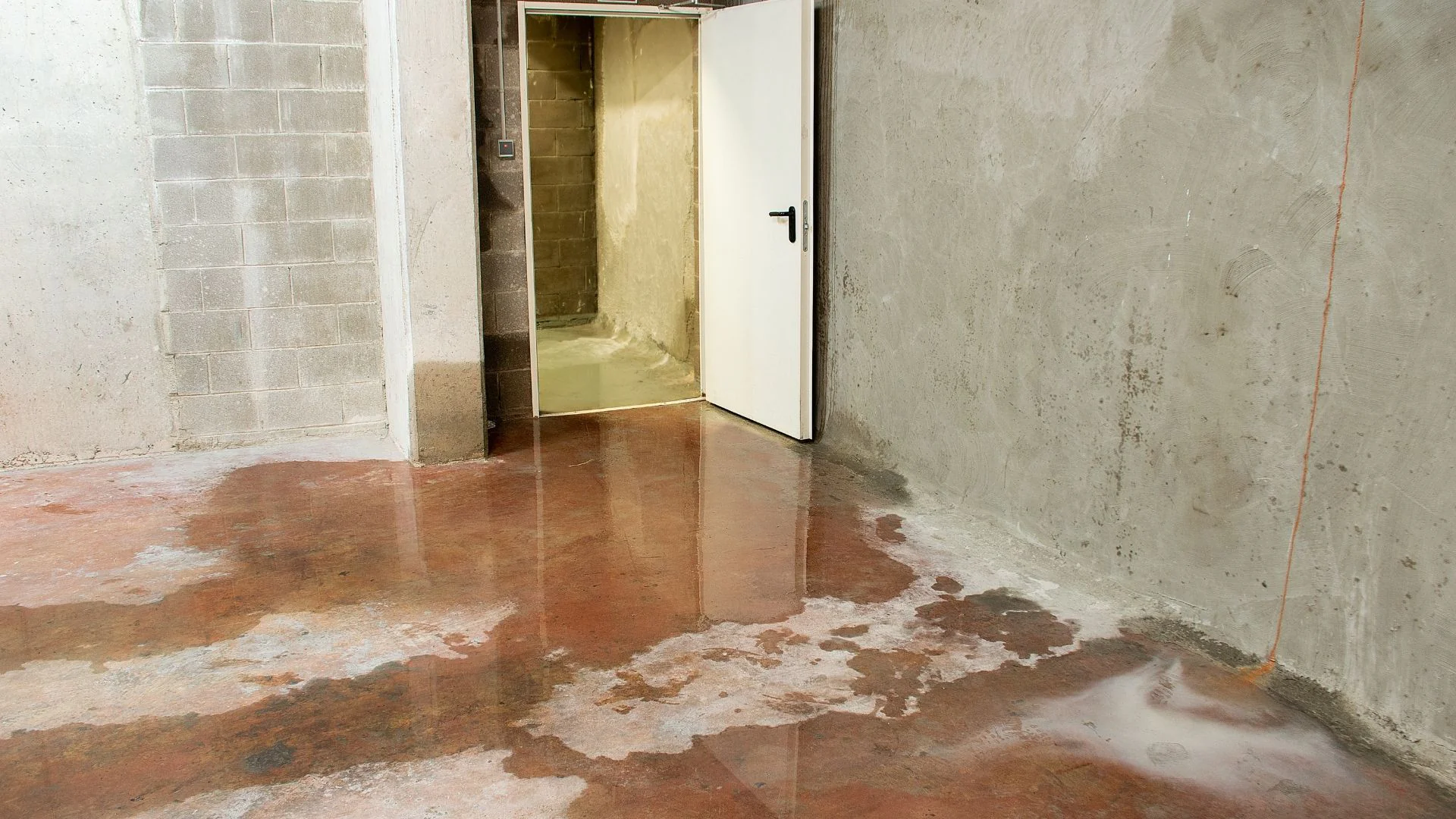
Summary:
You head downstairs and stop cold. Water. Everywhere. Your basement floor is covered, your belongings are soaked, and you’re standing there trying to figure out what the hell to do first. If you’re reading this right now, chances are you’re dealing with a flooded basement in Nassau County, NY, and you need answers fastnot a sales pitch.
Here’s the reality: what you do in the next few hours matters more than anything else. The difference between a manageable cleanup and thousands in structural damage comes down to how quickly you act. This guide gives you the exact steps to take right now, what basement flood clean up actually involves, and how to keep this from happening again. Let’s start with the immediate response.
Emergency Response Steps for Basement Flood Clean Up
The clock starts the second you discover water in your basement. Mold can begin growing within 24 to 48 hours, and structural damage accelerates with every passing minute water sits against drywall, wood framing, and concrete.
Your first move isn’t grabbing a mop. It’s making sure you and your family stay safe. Flooded basements create serious electrical hazards, and stepping into standing water before shutting off power can put you at risk of electrocution.
If your circuit breaker is in the basement and you can’t reach it safely, call an electrician or your utility company immediately. Don’t wade through water to flip a switch. If the breaker is upstairs or in your garage, shut off power to the basement before you go down there. Same goes for gasif you smell it, get out and call your gas provider right away.
Stop the Water Source and Document Everything
Once the power is off and it’s safe to assess the situation, figure out where the water is coming from. If it’s a burst pipe, shut off your main water supply. Most homes have a shutoff valve near the water meter or where the main line enters the house.
If the flooding is from a sump pump failure, heavy rain, or a sewer backup, the source might not be something you can turn off yourself. In that case, your job is to document what you’re seeing and start the insurance claim process as fast as possible.
Grab your phone and take photos and videos of everything. Wide shots showing the full extent of the water. Close-ups of damaged walls, floors, and belongings. If water is still actively coming in, capture that too. Insurance companies need proof, and what you document right now determines how smoothly your claim goes and whether you get full coverage.
Most homeowners insurance covers sudden internal water damage like burst pipes or appliance malfunctions. But if your basement flooded because of heavy rain, storm surge, or rising groundwater, standard policies usually won’t cover ityou’d need separate flood insurance for that. Either way, call your insurance company immediately and let them know what’s happening. Ask what’s covered, what documentation they need, and whether they have preferred restoration contractors.
Don’t wait to file the claim. Some policies require notification within a specific timeframe, and starting cleanup before calling your insurer could complicate things. If you’re not sure what caused the flooding or whether it’s covered, call anyway. It’s better to have the claim filed and find out later than to miss your window entirely.
Basement Water Cleanup: Remove Standing Water Fast
The longer water sits in your basement, the worse the damage gets. Standing water seeps into concrete, wood, insulation, and drywall, weakening your home’s structure and creating perfect conditions for mold to take hold.
If you’re dealing with just an inch or two of clean water from a broken pipe, you might be able to handle initial removal yourself using a wet/dry vacuum, buckets, and towels. But if the water is deeper than a few inches, contaminated from sewage or a sewer backup, or if you’re not sure you can get it all out within 24 hours, call a professional restoration company.
Here’s why: household equipment doesn’t cut it for serious basement flood clean up. Your shop vac and box fans might dry the surface, but moisture trapped inside walls, under flooring, and in insulation stays there for weeks. That hidden moisture is what leads to mold growth, wood rot, and structural damage that costs far more to fix than the original flood.
Professional basement water cleanup uses industrial-grade extraction equipment, commercial dehumidifiers, and air movers designed to pull moisture out of building materialsnot just the air. Restoration teams also use moisture meters and infrared cameras to find hidden water you can’t see, so nothing gets missed.
If the floodwater came from a toilet overflow, sewer backup, or any source that could contain bacteria or contaminants, do not try to clean it yourself. That’s classified as Category 3 water, and it requires specialized protective gear, disinfectants, and disposal procedures. Professionals handle this safely. You shouldn’t.
In Nassau County, NY, where humidity levels stay high year-round and coastal conditions accelerate mold growth, getting water out fast isn’t optional. The window to prevent mold is tight, and once it starts growing, you’re looking at a much biggerand more expensiveproblem.
How to Fix Flooding Basement Problems at the Source
Once the immediate crisis is handled and your basement is dry, the next question is: how do you keep this from happening again? Basement flooding in Nassau County, NY isn’t a one-time fluke for most homeowners. The high water table, coastal storms, aging infrastructure, and seasonal weather patterns create conditions where basements flood repeatedly unless you address the root cause.
Fixing a flooding basement means looking at drainage, waterproofing, and mechanical systems. It’s not always one thingit’s usually a combination of factors that let water in. The good news is that most of these issues are fixable with the right approach.
Identify Why Your Basement Keeps Flooding
Before you can fix flooding basement issues permanently, you need to understand what’s causing the water intrusion. Nassau County sits on a mix of sand, clay, and glacial deposits with a high water table in most areas. Add in nor’easters, heavy summer storms, and the occasional hurricane, and basements here take a beating.
Common causes include poor exterior drainage where water pools around your foundation, clogged or overwhelmed gutters and downspouts, foundation cracks that let groundwater seep through, sump pump failures during heavy rain, and sewer backups when municipal systems get overloaded. Sometimes it’s one issue. More often, it’s several working together.
Walk around your property after a heavy rain and watch where the water goes. Does it flow toward your foundation? Pool near basement windows? Sit in low spots around the house? If yes, you’ve found part of the problem.
Check your gutters and downspouts. Are they clogged with leaves and debris? Do the downspouts dump water right next to your foundation, or do they extend at least six to ten feet away? Gutters that overflow send water straight down the side of your house, where it seeps into the basement through cracks or porous concrete.
Look at the grading around your home. The soil should slope away from your foundation, not toward it. If water runs downhill and settles against your basement walls, it’s going to find a way in. Older homes in Nassau County, NY often have settling issues where the original grading has shifted over decades, creating low spots that collect water.
Foundation cracks are another major entry point. Even small cracks let water through when pressure builds up from saturated soil or rising groundwater. In areas with freeze-thaw cycles, cracks can expand over time, making the problem worse each year.
Sump Pumps, Waterproofing, and Long-Term Solutions
Once you know why your basement floods, you can fix it. For most Nassau County, NY homeowners, that means some combination of exterior drainage improvements, interior waterproofing, and sump pump installation or upgrades.
A sump pump sits in a pit in your basement floor and automatically pumps out water before it floods the space. If you don’t have one, and your basement has flooded more than once, installing a sump pump should be at the top of your list. If you already have one and it failed, figure out why. Was it overwhelmed by the volume of water? Did the power go out? Is it old and worn out?
Sump pumps fail for a few common reasons: mechanical breakdown, clogged intake screens, lack of maintenance, or power outages during storms. A battery backup system solves the power issue and keeps the pump running even when the electricity is out. Testing your sump pump every few months by pouring water into the pit ensures it’s working before you actually need it.
Interior waterproofing involves sealing cracks in your foundation walls and floor, applying waterproof coatings, and sometimes installing interior drainage systems that channel water to the sump pump. If you’ve got visible cracks or water seeping through the walls, sealing them with hydraulic cement or epoxy can help. Larger structural issues might need professional assessment and repair.
Exterior solutions focus on keeping water away from your foundation in the first place. That includes cleaning and maintaining gutters, extending downspouts, regrading your yard so water flows away from the house, and installing French drains or other drainage systems to redirect groundwater. For homes with basement windows, window well covers and proper drainage prevent rain from pooling and leaking through.
Basement waterproofing isn’t cheap, but it’s a lot less expensive than dealing with repeated flooding, mold remediation, and structural repairs. And if you’re planning to sell your home, a history of basement flooding shows up on disclosure forms. Buyers notice, appraisers notice, and unresolved water issues cost you money when it’s time to close.
Basement Flooding Prevention: When to Call Professionals
Some basement flooding situations are manageable on your own. A small amount of clean water from a minor leak, caught early and dried within 24 hours, might not require professional help. But most basement floods aren’t that simple.
If you’re dealing with more than a few inches of water, if the water is contaminated, if you can’t get everything dried out within 48 hours, or if you’re worried about hidden moisture and mold growth, calling a professional restoration company is the right move. The cost of professional basement flood clean up is almost always less than the cost of fixing structural damage, mold remediation, and health issues that come from doing it wrong.
We’ve been handling emergency water damage in Nassau County, NY since 1991. Fast response, certified technicians, direct insurance billing, and complete start-to-finish service mean you’re not managing multiple contractors or worrying whether the job is being done right. When your basement floods, you need help nownot next week. That’s what emergency restoration is built for.
Article details:
- Published by:
- First Response Restoration
- Published to:
- Last modified:
- August 6, 2026
Share:
Continue learning: