Flood Damage Restoration: Fast Response in Nassau County
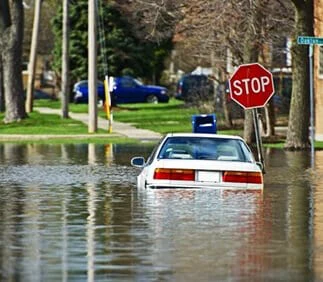
Flood damage in Nassau County requires immediate action. Learn real restoration costs, how insurance billing works, and why the first 48 hours determine whether you face a simple cleanup or expensive mold remediation.
Share:
Summary:
Your basement is flooded. Water’s spreading across the floor, soaking into drywall, and you’re stuck between panic and paralysis wondering how much this disaster is going to cost and whether your insurance will actually cover it.
You’re not alone. Over 300,000 Nassau County residents live in flood-prone areas, and every nor’easter or coastal storm brings that same gut-punch anxiety.
Here’s what matters right now: the next 24 to 48 hours will determine whether you’re dealing with straightforward water extraction and drying or a full-blown mold remediation nightmare that costs thousands more. This guide breaks down real flood damage restoration costs in Nassau County, explains how direct insurance billing works, and shows you exactly what happens when you call for emergency help. No fluff. Just the information you need to make smart decisions fast.
What Flood Damage Restoration Actually Costs in Nassau County
The honest answer is that flood restoration costs depend on three factors: how much water, what type of water, and how long it sat there before you called for help. In New York, the average flood damage restoration job runs between $4,600 and $5,000, but that’s just the middle ground where most homeowners land.
A small clean-water leak caught within hours might cost $1,500 to $2,500 for water extraction, drying, and minor repairs. A basement filled with contaminated sewage water after a storm could push past $10,000 once you factor in hazmat cleanup, material removal, and sanitization. The difference comes down to water contamination level and how much structural damage occurred before mitigation started.
Clean water from a burst supply pipe is one thingit can often be extracted and dried without removing materials. Black water from sewage backup or storm flooding requires complete removal of contaminated drywall, insulation, and flooring, plus extensive sanitization to eliminate health hazards.
Basement Leak Repair Cost
Basement leaks in Nassau County aren’t just annoyingthey’re warnings. That trickle coming through your foundation wall during heavy rain signals a structural problem that gets worse every single time it storms. And on Long Island’s south shore, storms aren’t exactly rare.
Repairing basement leaks ranges from $1,400 to over $14,000 depending on the water source and severity of foundation issues. A simple crack injection with polyurethane sealant might run $500 to $1,500. Interior waterproofing with a perimeter drainage system and sump pump installation typically costs $3,000 to $8,000. Full exterior waterproofingexcavating around your entire foundation, applying waterproof membrane, installing drainage panelscan hit $30,000.
The real question is whether you’re fixing a symptom or solving the root cause. Sealing a visible crack stops water coming through that specific spot today. Installing a comprehensive drainage system and proper waterproofing prevents the next flood and protects your basement long-term. For Nassau County homeowners with property values averaging $650,000-plus, that’s not just a repair decisionit’s protecting a major investment.
Here’s what drives basement leak repair costs up: accessibility (finished basements cost significantly more to access and restore), extent of existing water damage, soil conditions around your foundation, and whether you need interior waterproofing, exterior waterproofing, or both. Sandy soil near the coast behaves completely differently than clay soil found inland, which is why one-size-fits-all solutions fail on Long Island.
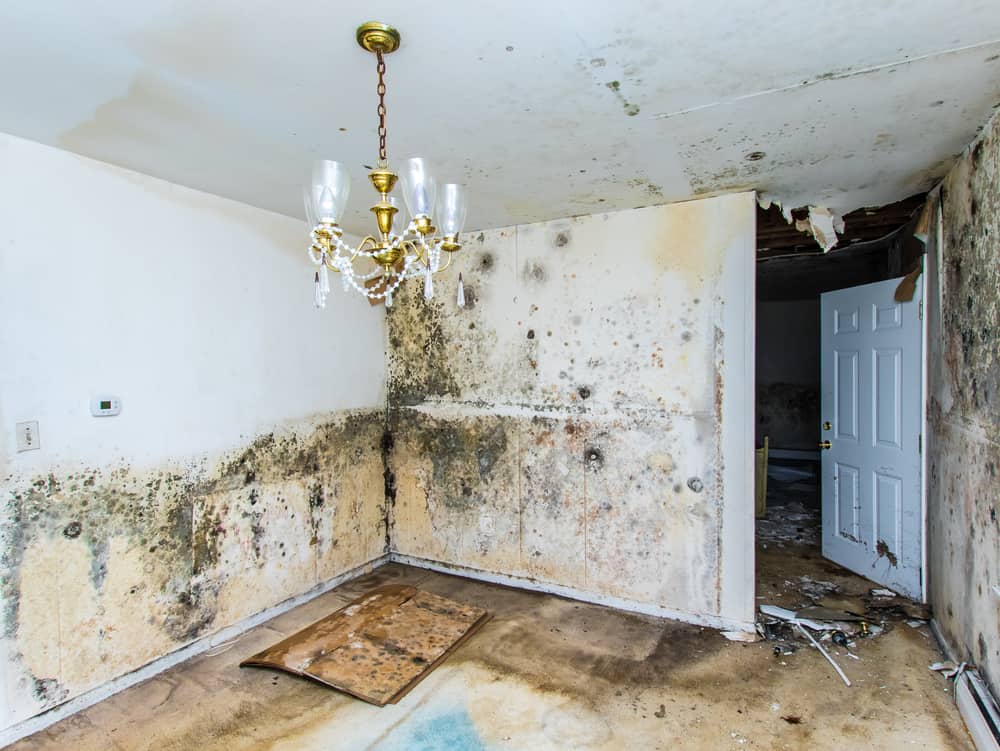
The smartest financial move is addressing small leaks before they become major floods. Water damage that starts as a $2,000 repair becomes a $6,000 problem if you wait just two days. Mold growth kicks in within 24 to 48 hours of water exposure, and once that happens, you’re paying for mold remediation on top of water damage restoration. Prevention is always cheaper than emergency response.
Sewage Backup Cleanup Cost
Sewage backup is the flood emergency nobody wants to discuss but every homeowner dreads. It’s not just waterit’s contaminated wastewater carrying bacteria, viruses, parasites, and pathogens that make your home genuinely unsafe until it’s professionally remediated.
Sewage backup cleanup costs $7 to $14 per square foot, with total jobs typically running $2,000 to $10,000 for most residential properties. Severe cases with extensive contamination spreading through multiple rooms can push past $50,000. The price reflects the hazmat-level work required: removing and properly disposing of all contaminated porous materials, sanitizing every affected surface, treating for dangerous pathogens, and ensuring absolutely nothing toxic remains in your living space.
Insurance coverage for sewage backup is frustratingly tricky. Standard homeowners policies often exclude sewage damage unless you’ve specifically added sewer backup coverage as an endorsement. That add-on usually costs around $50 to $250 annually but provides $10,000 to $25,000 in coverage when you need it. Without that coverage, you’re paying out of pocket for the entire cleanupwhich is why most insurance agents recommend adding it if you live anywhere near flood zones or have older sewer lines.
What makes sewage cleanup so expensive compared to clean water damage? Everything the contaminated water touches must be treated as biohazard material. Drywall, insulation, carpeting, flooring, even wooden trimif sewage soaked it, it almost certainly needs to be removed and disposed of properly. Category 3 water (the technical classification for sewage) requires complete removal of affected porous materials, not just drying and sanitization. You cannot save a sewage-soaked carpet the way you might salvage one from clean water flooding.
Time matters even more with sewage backup than other types of water damage. The longer contaminated water sits, the deeper it penetrates into materials and the more surfaces it affects. A backup caught and addressed within a few hours might be contained to one bathroom and some adjacent flooring. One that sits overnight spreads through subflooring, into wall cavities, and creates a biohazard situation throughout your entire basement.
Nassau County’s aging sewer infrastructure and vulnerable coastal location create unique sewage backup risks. Storm surge can overwhelm municipal systems during nor’easters. Tree roots infiltrate and block old clay pipes. Heavy rainfall exceeds drainage capacity, causing backups through floor drains. Understanding your specific property’s vulnerability and having an emergency response plan matters because sewage backup happens fast and spreads even faster.
How Direct Insurance Billing Eliminates Upfront Costs
Direct insurance billing means you don’t write a $5,000 check to the restoration company and then spend months fighting with your insurance carrier to get reimbursed. Instead, we bill your insurer directly, you pay your deductible, and the entire claim gets handled between professionals who speak the same technical language.
For flood damage restoration averaging $4,000 to $6,000 in Nassau County, that’s a massive practical difference. Most homeowners don’t have several thousand dollars readily available for emergency repairsand they shouldn’t have to choose between protecting their home and protecting their bank account. Direct billing removes that financial barrier so water extraction and drying can start immediately, which matters because every hour of delay increases both damage severity and final costs.
Frozen Pipe Repair Cost
Long Island winters bring a specific threat that catches homeowners off guard: frozen pipes that burst and flood your home with gallons of water per minute. Residential pipes typically run at 4 to 8 gallons per minute, which means catastrophic damage happens fast once a pipe fails. When water freezes inside a pipe, it expands, creating internal pressure exceeding 3,000 PSI. Eventually, the pipe wall can’t handle that stress and cracks or bursts completely.
Frozen pipe repair costs $1,000 to $4,000 just for the plumbing worklocating the frozen section, thawing it safely, and repairing or replacing the damaged pipe. But that’s only fixing the pipe itself. The real expense comes from water damage caused by the burst. A pipe that bursts in your finished basement or behind a second-floor bathroom wall can cause $5,000 to $15,000 in water damage before you even realize there’s a problem.
Winter conditions make everything harder and significantly more expensive. When temperatures drop and the ground freezes solid across Nassau County, that frost line reaches 3+ feet deep. Traditional excavation-based pipe repairs can cost 200% to 300% more during winter months because contractors need specialized equipment just to break through frozen ground. Some Long Island contractors report equipment costs of $450 per day just for carbide cutting teeth on trenching machines, plus potential equipment damage from the harsh frozen conditions.
The pipes most vulnerable to freezing are located in unheated or poorly insulated spaces: crawl spaces, attics, garages, exterior walls, and uninsulated basements. If you’ve got water supply lines running through these areas, winterizing them before temperatures drop saves you thousands in emergency repairs. Basic pipe insulation costs $50 to $200 in materials but prevents a $5,000 winter emergency.
What many Nassau County homeowners don’t realize is that frozen pipes can burst even if your home sits vacant during winter months. The pipe develops cracks when frozen, but the damage doesn’t become apparent until spring thaw when water starts flowing through the system again. By that point, water has been leaking for weeks or even months, creating extensive structural damage and guaranteed mold growth throughout wall cavities and insulation.
Homeowners insurance typically covers sudden pipe bursts, but there’s an important catch: you need to demonstrate you took reasonable precautions to prevent the damage. That means maintaining adequate heat in your home during winter (at least 55°F), properly insulating vulnerable pipes, and addressing problems promptly when they occur. Evidence of neglect can give insurance carriers grounds to deny your claim entirely.
Frozen Pipe Burst Repair Cost
When a frozen pipe actually bursts rather than just freezing temporarily, you’re dealing with two separate but equally expensive problems: fixing the failed pipe and repairing all the resulting water damage. The pipe repair itself might run $500 to $2,000 depending on location and accessibility. A pipe behind a finished wall costs significantly more than one in an exposed basement because you’re paying for wall demolition, plumbing repair, and complete wall reconstructionnot just the plumbing work.
But the water damage from a burst pipe is where costs truly escalate. Consider the math: a burst pipe releasing 6 gallons per minute for just one hour puts 360 gallons of water into your home. That’s enough volume to flood an entire basement, thoroughly soak insulation, saturate drywall from floor to ceiling, and damage flooring throughout multiple rooms. Water damage restoration for a burst pipe typically adds $3,000 to $8,000 to your total repair bill on top of the plumbing costs.
The location of the burst determines absolutely everything about your final cost. A pipe bursting in an unfinished utility area with concrete floors and exposed walls is relatively manageableextract standing water, set up commercial dehumidifiers and air movers, dry everything out, fix the pipe, and you’re done. A pipe bursting above a finished living space means water cascading through ceilings, soaking insulation, potentially damaging electrical systems, ruining hardwood flooring or carpeting, and requiring extensive reconstruction of multiple rooms.
Nassau County’s coastal climate creates freeze-thaw cycles that are particularly brutal on residential plumbing. Temperatures hover right around the freezing point, causing pipes to expand and contract repeatedly rather than just freezing once and staying frozen. This repeated stress weakens older pipes and creates microscopic fractures that eventually fail catastrophically. If your home still has original plumbing installed in the 1960s or 1970s, you’re at substantially higher risk for winter pipe failures.
The smartest investment for preventing burst pipe damage isn’t complicated or expensive: maintain consistent heat throughout your home (at least 55°F even when you’re away), insulate pipes located in vulnerable areas, let faucets drip slightly during extreme cold snaps, and open cabinet doors under sinks to allow warm air circulation around pipes. These simple preventive steps eliminate most residential pipe burst emergencies.
When a pipe does burst despite your precautions, your immediate response time determines your total cost and damage extent. Shut off your main water supply valve immediately to stop water flow into your home. Call a water damage restoration company before calling a plumberwater damage mitigation needs to start within hours to prevent mold growth and secondary damage, while the actual plumbing repair can safely wait a day or two. Document everything thoroughly with photos and videos for your insurance claim. And don’t attempt to dry everything yourself with box fans and hope for the besthidden moisture trapped in walls and insulation creates mold problems that surface weeks later and cost far more to remediate.
Getting Fast Flood Damage Restoration Help in Nassau County
Flood damage doesn’t wait for convenient timing, and neither should your response. The difference between a manageable cleanup and a major reconstruction project comes down to how fast you act during those critical first 24 to 48 hours. Mold spores start colonizing wet materials, water continues absorbing deeper into porous surfaces, and damage spreads from obvious flooded areas into hidden wall cavities, insulation, and structural components you can’t see without specialized equipment.
Direct insurance billing removes the financial barrier that stops too many homeowners from calling for professional help immediately. You shouldn’t face the impossible choice between protecting your home and protecting your bank account during an emergency. Understanding your real costsfrom basement leak repair to sewage cleanup to burst pipe emergencieshelps you make informed decisions even when you’re under tremendous pressure.
Nassau County’s vulnerable coastal location and aging housing stock create unique flooding challenges that require genuine local expertise and experience. We understand south shore storm surge patterns, know exactly how Long Island’s varied soil conditions behave, and maintain established relationships with local insurance adjusters to consistently deliver better outcomes for homeowners. With 35+ years of Long Island experience and direct insurance billing that eliminates upfront costs, we serve Nassau County homeowners with the fast emergency response and professional service that flood situations demand.
Article details:
- Published by:
- First Response Restoration
- Published to:
- Last modified:
- July 27, 2026
Share:
Continue learning: