
Mold Inspection in Amagansett, NY
When Your Beach House Has Been Closed All Winter, This Is the Call to Make First
Hear from Our Customers
Residential Mold Inspection Amagansett, NY
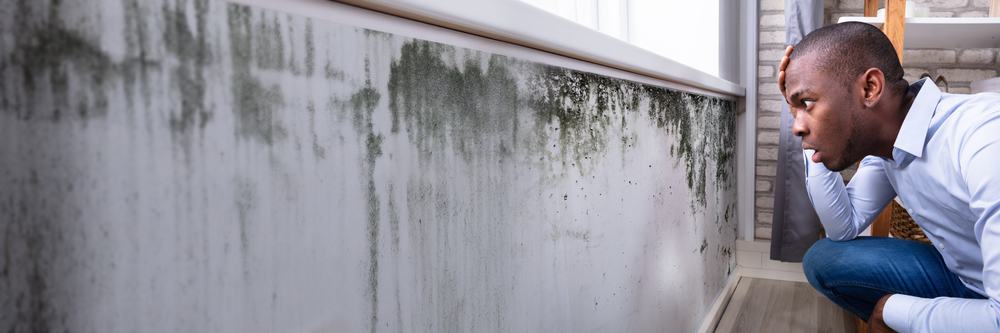
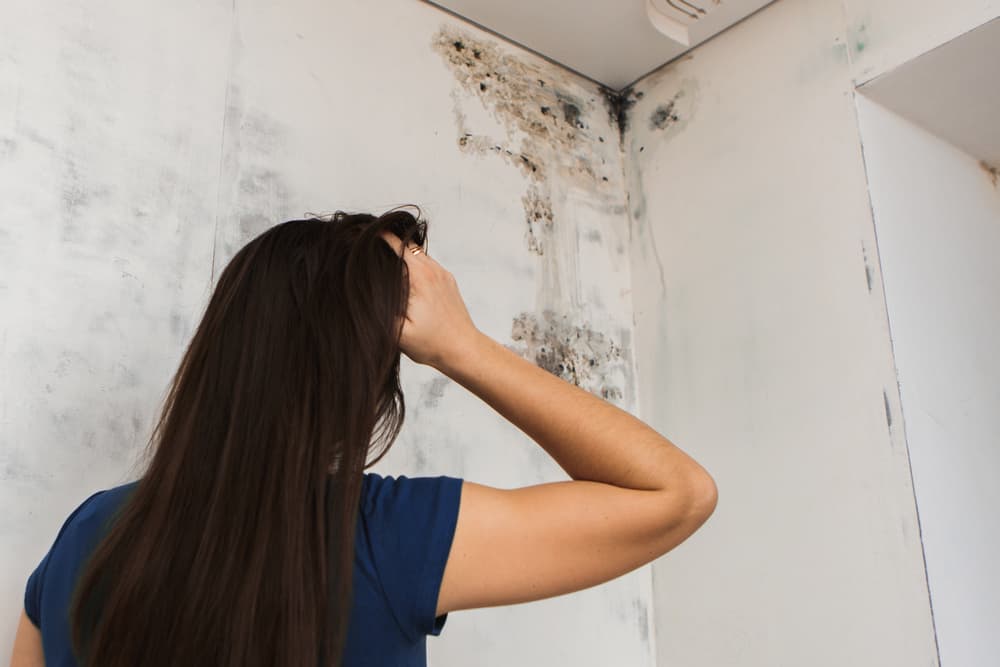
Most mold problems in Amagansett don’t announce themselves. They build quietly inside a wall cavity, above a ceiling, under a floor while the house sits closed from October through May. By the time you smell something or see a stain, it’s already been growing for months. A thorough mold inspection tells you exactly what’s there, where it started, and what it’s going to take to fix it.
That matters more in Amagansett than it does in most places on Long Island. Amagansett’s year-round humidity rarely drops below 72%, even in the driest months. Salt air off the Atlantic accelerates the breakdown of window seals, roofing materials, and HVAC components all of which become pathways for moisture to get inside. Homes south of Montauk Highway, especially in the Amagansett Dunes area, face the most direct ocean exposure and tend to carry the highest moisture risk. Knowing your home’s actual condition not guessing is the only way to protect a property worth what yours is worth here.
And if mold is found, you’ll have lab-verified documentation. That’s what holds up in a real estate transaction, an insurance claim, or a conversation with a contractor. Not a verbal opinion actual written results from an accredited lab, with specific findings and a clear path forward.
Licensed Mold Inspection Company Amagansett, NY
First Response Restoration and Cleaning Inc. has been operating on Long Island for approximately 31 years. That’s not a marketing number it’s the actual length of time we’ve been solving water damage and mold problems across Nassau and Suffolk Counties, including East Hampton Town and the communities along the South Fork.
Every technician on our team carries IICRC certification, and we hold both the New York State Mold Assessor license and the Mold Remediator license required by state law since 2016 and verifiable through the NY Department of Labor. When you’re dealing with a property in Amagansett, whether it’s a historic farmhouse near the Amagansett Historic District or a newer build south of Route 27, you’re working with a team that has seen what coastal Long Island actually does to homes over time.
If the inspection finds something, there’s no handoff to a second company. We handle remediation and reconstruction too one licensed team from the first call to the final clearance.
Mold Assessment Services Amagansett, NY
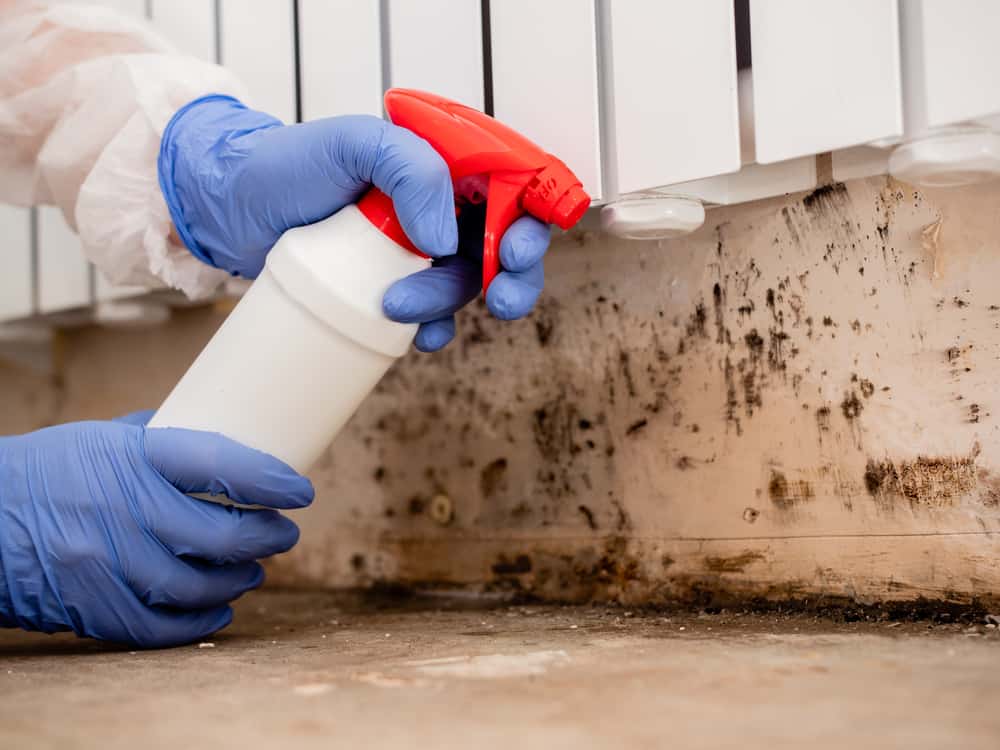
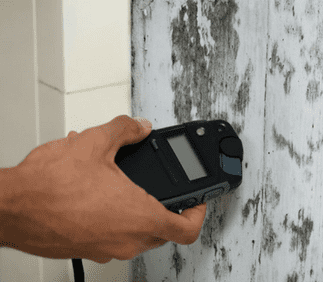
The inspection starts with a full walkthrough of the property not just the obvious areas, but the spaces that tend to get overlooked in a seasonal home: crawl spaces, attic cavities, HVAC systems, and the areas around windows and exterior walls where salt air and moisture work their way in over time. We use infrared thermal imaging to detect moisture and mold activity hidden inside wall assemblies and beneath flooring, which is especially important in older Amagansett homes where the original construction didn’t include modern vapor barriers or insulation.
From there, we collect air samples and surface swabs and send them to a certified, accredited laboratory. The results come back as a written report specific mold types identified, spore counts, moisture source findings, and clear remediation recommendations in plain language. This isn’t a verbal rundown at the end of a walkthrough. It’s documentation you can actually use.
New York State law requires that anyone performing mold assessment or remediation hold a license from the NY Department of Labor. Every inspection we conduct in Amagansett is performed under that licensing which means the results carry legal standing for real estate transactions, insurance claims, and any remediation work that follows. If you’re opening up a property for the season, listing it for sale, or preparing it for summer rental, that documentation is the starting point for everything else.
Ready to get started?
Black Mold Testing and Indoor Air Quality Amagansett, NY
Our mold inspection service covers five core components: airborne spore sampling, surface swab collection, water intrusion inspection to identify the moisture source driving growth, calibrated moisture level measurement, and full photographic documentation of every mold source found. Beyond those five, the inspection also includes an internal-versus-external mold particle comparison, infrared thermal imaging for hidden mold detection, a damage assessment, and a written lab report with plain-language findings and specific next steps.
For Amagansett properties, we build the inspection around the conditions that actually exist here. That means paying close attention to below-grade spaces and foundations the water table on the South Fork is high, and basement mold is a common finding in homes that have experienced even minor flooding or seepage. We check attic spaces in older cedar-shingled homes where roof penetrations and ventilation gaps allow moisture in. And we look closely at HVAC systems in vacation rental properties that run continuously during peak season and sit dormant the rest of the year both scenarios that create ideal conditions for mold in ductwork and air handlers.
If toxic mold testing or black mold testing is needed, the lab analysis identifies specific species, including Stachybotrys, so you know exactly what you’re dealing with not just that mold is present. For landlords renting properties on Amagansett’s active short-term rental market, that level of documentation is both a liability protection tool and a straightforward way to demonstrate due diligence to guests and rental platforms.
Does a mold inspection in Amagansett require a licensed inspector under New York law?
Yes and this is one of the most important things to confirm before you hire anyone. New York State law has required separate licenses for mold assessment and mold remediation since January 1, 2016. These licenses are issued by the NY Department of Labor and are publicly searchable. Any company performing a mold inspection in Amagansett, NY without holding a current NY DOL Mold Assessor license is operating outside the law and any report they produce won’t carry legal standing for a real estate transaction or insurance claim.
First Response Restoration and Cleaning Inc. holds both the Mold Assessor and Mold Remediator licenses required by state law. Before you book an inspection with any company in the Amagansett area, ask for their license number and verify it. It takes two minutes and it matters especially if you’re relying on the results for a home sale, a rental property, or an insurance dispute.
How much does a professional mold inspection typically cost in Amagansett, NY?
Nationally, professional mold inspections average somewhere between $300 and $1,000 depending on the size of the property, the number of samples collected, and what’s included in the process. In the Hamptons market, where properties are larger and the inspection often needs to cover multiple structures, crawl spaces, and HVAC systems, costs can fall toward the higher end of that range but the inspection is still one of the lowest-cost steps in the entire process.
To put it in perspective: mold remediation alone can run $1,150 to $20,000 or more depending on how far it’s spread. On a property in Amagansett where median home values exceed $1,000,000, an undetected mold problem can affect your ability to close a sale, trigger a price renegotiation, or create a liability issue with rental guests. The inspection is the step that tells you whether any of that is coming and what it’s going to take to get ahead of it.
My Amagansett home was closed all winter what should I have inspected when I open it up?
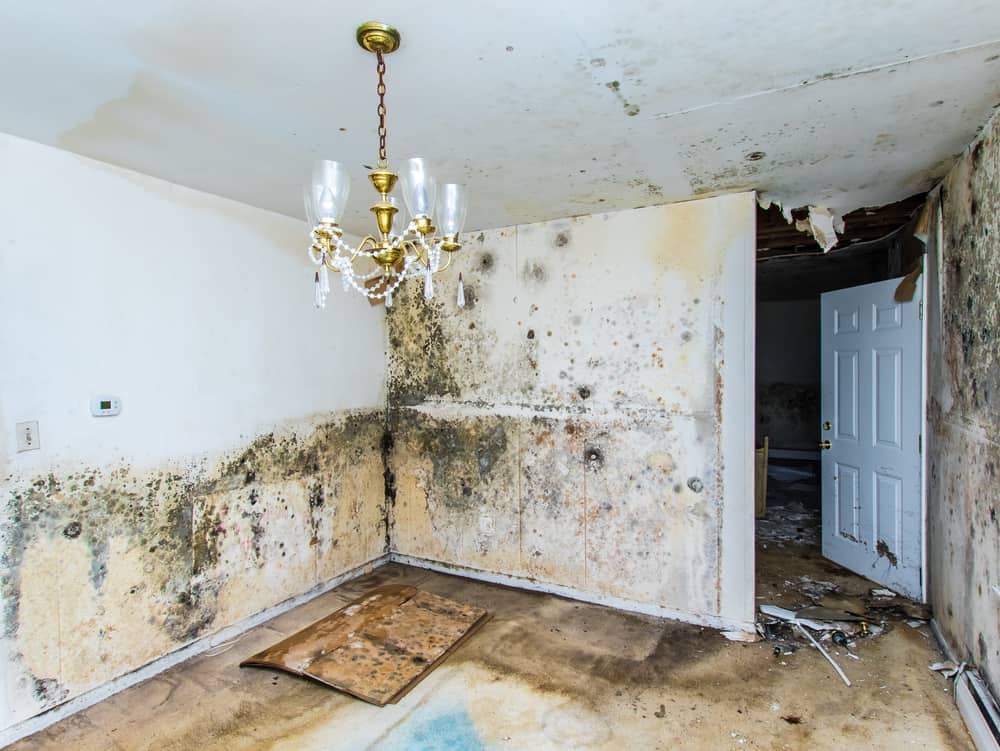
The short answer: everything that was exposed to moisture while you were gone. In a seasonal home that’s been closed from October through May, the highest-risk areas are typically the attic, the basement or crawl space, any exterior walls with windows or penetrations, and the HVAC system. A small roof leak, a failed window seal, or a condensation problem inside a closed-up HVAC system can quietly develop into a significant mold infestation over five or six months and you won’t see it until you open the house.
Amagansett’s coastal humidity and salt air make this worse than in most inland communities. Even without a visible water event, the persistent moisture in the air creates enough ambient dampness inside closed structures to support mold growth, particularly in spaces with limited airflow. The inspection process includes infrared thermal imaging specifically to find what’s happening inside wall cavities and beneath flooring the areas where seasonal moisture damage tends to hide until it becomes a much bigger problem.
What's the difference between a mold inspection and mold testing are they the same thing?
They’re related but not the same. A mold inspection is a physical assessment of the property a trained inspector walks the home, looks for visible mold growth, identifies moisture sources, and evaluates conditions that could be driving mold activity. Mold testing refers to the sample collection and lab analysis component: air samples, surface swabs, or bulk material samples that are sent to an accredited laboratory to identify what types of mold are present and at what concentrations.
A thorough mold inspection in Amagansett, NY should include both. The physical walkthrough tells you where the problem is and what’s causing it. The lab results tell you what you’re dealing with whether it’s a common surface mold or something like Stachybotrys (often called black mold) that requires a more aggressive remediation approach. Getting an inspection without lab testing leaves you with incomplete information, and getting lab results without a proper physical assessment means you might be missing the source entirely. You need both to have a complete picture.
Can mold in an Amagansett vacation rental create liability issues for the property owner?
It can, and it’s a more common concern than most landlords expect. Amagansett has a very active short-term rental market hundreds of properties listed through platforms like VRBO, Airbnb, and Hamptons-area luxury rental agencies. If a guest experiences health effects related to mold exposure during a stay, the property owner can face complaints, negative reviews, platform penalties, and in some cases legal claims. The question that comes up in those situations is whether the owner took reasonable steps to ensure the property was safe before renting it.
A professional mold inspection with documented lab results is one of the clearest ways to demonstrate that due diligence. It shows that the property was assessed by a licensed professional, that samples were tested by an accredited lab, and that the results were reviewed before the rental season began. For landlords renting properties in the $5,000 to $15,000 per week range that Amagansett commands in peak season, that documentation is a straightforward way to protect both the guest experience and your own exposure.
After a nor'easter or coastal storm, how soon should I schedule a mold inspection in Amagansett?
As soon as the property is safe to enter ideally within 24 to 72 hours of the water intrusion event. Mold can begin colonizing porous materials like drywall, insulation, and wood framing within 24 to 48 hours of moisture exposure. The longer you wait, the more established the growth becomes and the more material typically needs to be removed during remediation.
Amagansett’s coastal geography makes post-storm response especially time-sensitive. The Napeague stretch east of the hamlet has been documented as breaching during major storms, and ocean overwash events introduce saltwater into homes which is particularly problematic because salt residue in porous building materials retains moisture long after visible water is gone. That ongoing dampness creates mold growth conditions that can persist for months if the affected materials aren’t properly assessed and addressed. A post-storm mold inspection identifies exactly which materials were compromised, documents the extent of the damage, and gives you a clear starting point for remediation which is also what your insurance carrier will need before they process a claim.
Local Resources
Useful Links
Other Services we provide in Amagansett