

Hear from Our Customers
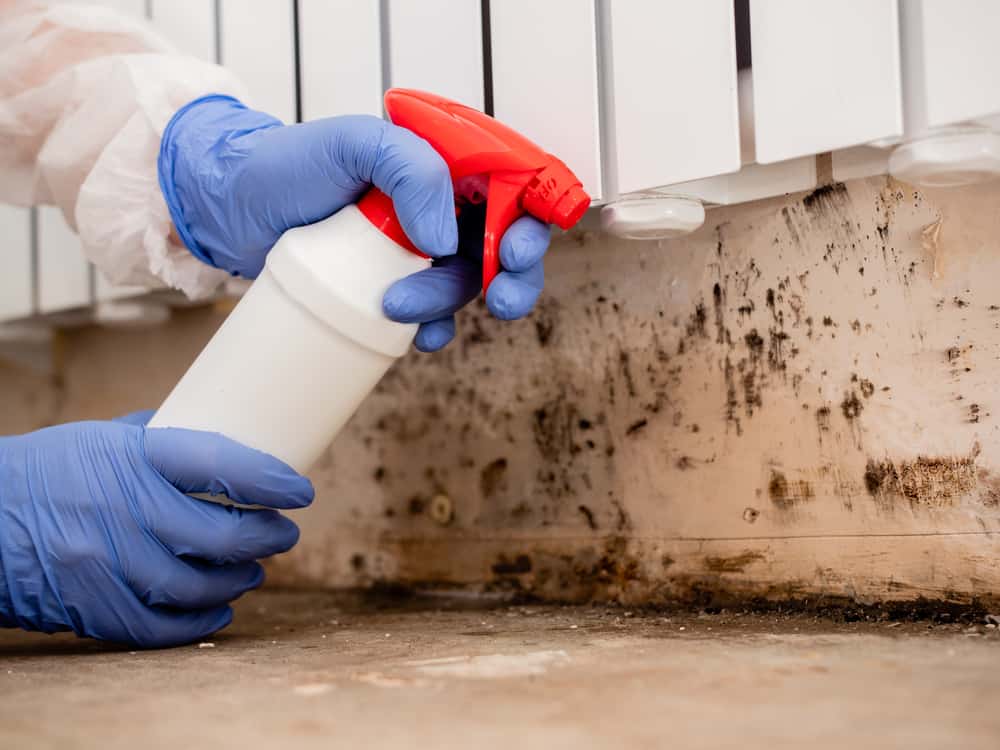
Most Commack homeowners don’t call until they smell something, see something, or someone in the house starts having unexplained respiratory issues. By that point, the mold has usually been there for a while — quietly growing behind the drywall, under the flooring, or inside a crawl space that hasn’t been looked at in years. A professional mold inspection gives you a clear, documented picture of what’s actually happening inside your home — not a guess, not a visual scan, but lab-verified results that tell you exactly what you’re dealing with.
For homes in Commack, that matters more than most people realize. The split-levels and hi-ranches that define this neighborhood were built in the 1950s, 60s, and 70s — long before vapor barriers, pressure-treated lumber, and modern moisture management were standard. Basements in those homes were poured with concrete block walls that were never designed to keep Long Island’s groundwater fully at bay. Combine that with the documented drainage issues along the Commack Road corridor and the inland humidity that doesn’t get moderated by any ocean breeze, and you have conditions where mold doesn’t just grow — it establishes itself.
Once you have lab results in hand, you stop guessing. You know whether remediation is needed, how extensive it is, and what it’ll take to clear it. That clarity is what lets you protect your home, your family’s health, and — in a market where Commack homes are selling north of $800,000 — a significant amount of equity.
First Response Restoration and Cleaning Inc. has been serving Nassau and Suffolk County homeowners for over three decades. That’s not a number we throw around — it’s the reason we understand exactly what Commack homes go through. We know the housing stock out here. We know what a 1965 basement looks like after one bad winter. We know what happens to an unventilated crawl space in a Huntington Town split-level when summer humidity kicks in.
We hold both the New York State Mold Assessor License and the Mold Remediator License — required by law since 2016, and verifiable through the NY Department of Labor. Every technician on our team carries IICRC certification. Not just the lead. Everyone. And because we handle inspection, remediation, and reconstruction under one roof, you’re never left holding a report with no clear next step.
We’re based in West Babylon, right in your backyard. When you call our Suffolk County line, you’re reaching a local team that’s been doing this work in your county longer than most competitors have been in business.
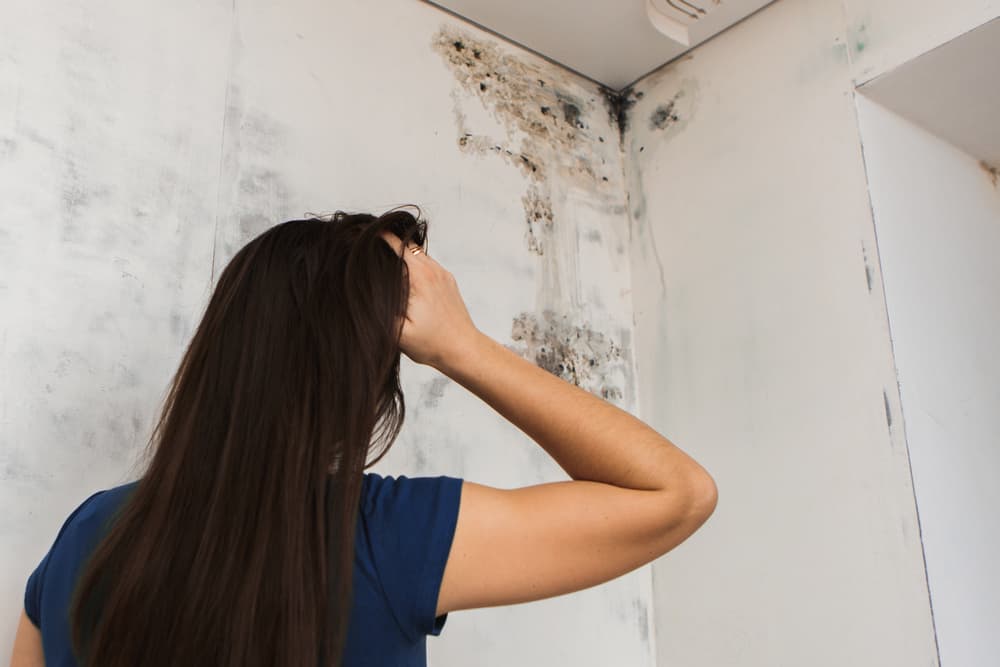
When we come out to a Commack property, we don’t just walk around with a flashlight. The inspection follows a structured five-point process — air testing, surface swab sampling, water intrusion assessment, moisture level measurement, and full photographic documentation. Each step feeds into the final report, so nothing is based on a hunch.
One of the tools we use that most inspectors don’t is infrared thermal imaging. In older homes — and Commack has plenty of them — the real problem is almost never on the surface. It’s behind the paneling in a finished basement, inside the insulation under a hi-ranch roof, or in a crawl space that’s been sealed off for years. Thermal imaging detects moisture and temperature anomalies behind walls and under floors without tearing anything apart. That’s how we find what a visual inspection misses.
Every sample goes to an accredited laboratory. You get a written report with identified mold species, spore counts, moisture source findings, and specific remediation recommendations — written in plain language. If remediation is needed, we’re already licensed to handle it. If that remediation requires rebuilding structural materials — drywall, insulation, framing — we handle that too. You don’t have to coordinate three separate contractors. One call covers the whole thing, start to finish.
Ready to get started?
Mold in Commack homes doesn’t pick one spot and stay there. We find it in basements where groundwater has seeped through concrete block walls for decades. We find it in attics where inadequate ventilation has let condensation build up through every Long Island winter. We find it inside HVAC systems where summer humidity has fed microbial growth in ductwork that’s never been inspected. And we find it in crawl spaces — common in the split-level designs throughout this area — where no one has looked in years.
New York State law requires any company performing mold assessment or remediation in Commack to hold active licenses issued by the NY Department of Labor. That requirement exists because this industry has a real conflict-of-interest problem — companies that inspect and remediate have an incentive to always find something. Our results are lab-verified and documented. After 31 years of building a reputation on Long Island, we have far more to lose by fabricating findings than by delivering an honest report. If your home is clean, we’ll tell you that.
We also handle insurance documentation from day one. If you’re dealing with a post-storm mold situation — and Commack has had its share of severe flooding events — we produce the moisture readings, lab results, and photographic evidence that insurance companies actually need, and we communicate with them directly so you don’t have to manage that process on top of everything else.
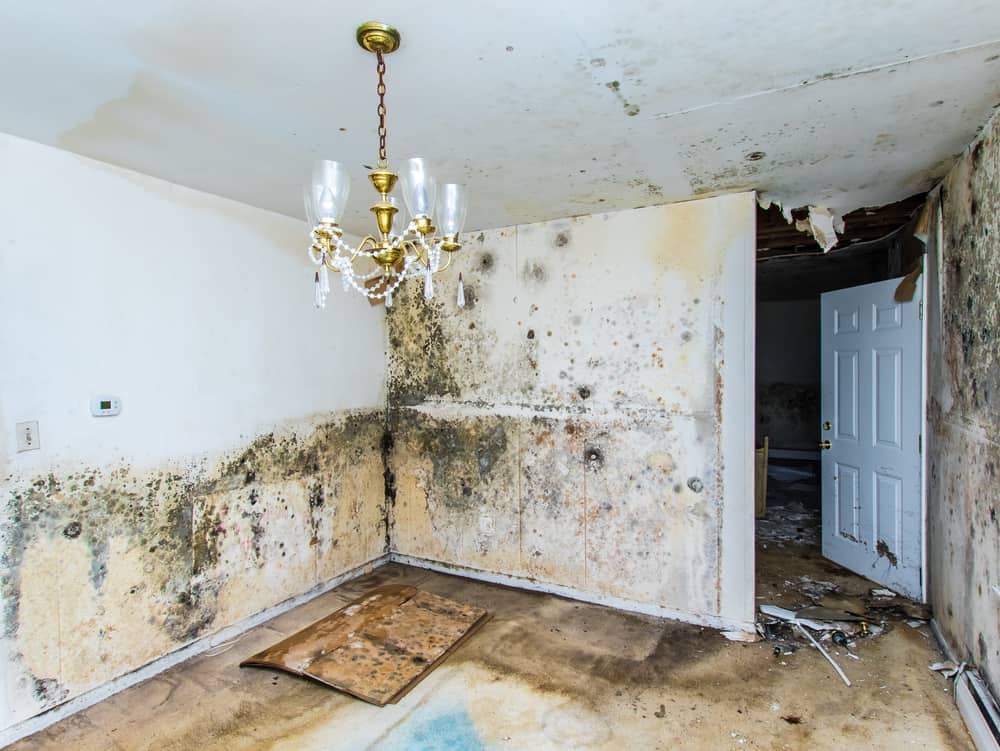
The most common signs are a persistent musty smell — especially in the basement or attic — visible dark staining on walls or ceiling tiles, and unexplained respiratory symptoms that seem to improve when you leave the house. Any of those alone is worth taking seriously. Together, they’re a strong signal that something is growing somewhere you can’t see.
In Commack specifically, there are a few situations that push the urgency higher. If your home was built in the 1960s or earlier, if you’ve had any basement water intrusion — even minor seepage — or if your crawl space hasn’t been inspected in years, the risk is real regardless of whether you can see or smell anything. Mold can grow for months inside walls, under floors, and in crawl spaces without producing any visible signs at the surface. A professional inspection with air sampling and moisture measurement is the only way to know for certain.
For most residential properties in Commack, a professional mold inspection runs between $300 and $700. The final cost depends on the size of the home, how many areas need to be sampled, and whether additional testing — like HVAC duct sampling or crawl space assessment — is required. Larger or more complex properties can run higher.
The more useful way to think about cost is relative to what you’re protecting. Commack homes are selling north of $800,000. Mold that goes undetected and untreated can reduce a home’s resale value by 20 to 37 percent — that’s potentially $160,000 to $300,000 in lost equity on a home at that price point. Remediation for an established mold problem can run anywhere from $1,150 to $20,000 or more depending on severity. An inspection that catches the problem early is one of the most cost-effective decisions a homeowner can make, particularly in a market like this one.
It’s a fair question, and one you should ask any company you’re considering. The concern is real — a company that profits from remediation has an incentive to always find something worth remediating. The way to protect yourself is to look at two things: how the findings are documented, and how long the company has been operating in your market.
Our results are based on accredited laboratory analysis, not a technician’s opinion. Mold species, spore counts, and moisture source data are documented and verifiable — they’re not something we can manipulate. And after 31 years of serving Long Island homeowners across Nassau and Suffolk County, our reputation is the business. A company that’s been operating in this market since before most of its competitors existed doesn’t survive by fabricating findings. If your home tests clean, we tell you that. The lab results say what they say.
In Commack’s housing stock, the highest-risk areas are basements, crawl spaces, attics, and HVAC systems — in roughly that order. Basements in homes built between the 1940s and 1970s were typically constructed with poured concrete or concrete block walls that are naturally porous. Decades of seasonal groundwater pressure and humidity cycling create ideal conditions for mold to establish itself behind finished walls or under flooring, long before it’s visible.
Crawl spaces are particularly common in the split-level and hi-ranch designs that dominate Commack, and they’re frequently under-ventilated or sealed off entirely — which traps moisture and accelerates mold growth. Attics in older homes often have inadequate ventilation, which leads to condensation buildup during cold months that feeds mold through the winter. HVAC systems are another overlooked area — Long Island’s humid summers create condensation inside ductwork and air handlers that can sustain microbial growth for years without anyone noticing. Our inspection covers all of these areas, not just the ones that are easy to access.
As soon as possible — ideally within 24 to 48 hours of the water intrusion. That’s not an exaggeration. In Long Island’s humid climate, mold can begin colonizing wet materials within 24 to 48 hours of exposure. The longer you wait, the more established the growth becomes, and the more extensive — and expensive — the remediation will be.
Commack has experienced documented severe flooding events, including a storm that prompted a Suffolk County State of Emergency and left roadways throughout the hamlet flooded and damaged. Properties near the Commack Road corridor have also been specifically identified for water pooling due to drainage issues in that area. If your basement took on water — even a small amount — don’t wait to see if it dries out on its own. By the time you can smell something, the mold is already there. An inspection immediately after a flooding event gives you the clearest picture of what happened and what needs to happen next, and it produces the documentation your insurance company will need if you’re filing a claim.
A standard home inspection will flag visible water damage and obvious moisture issues, but it won’t tell you whether mold is present inside walls, under flooring, or in a crawl space. Those are two very different things. In Commack’s real estate market — where median sale prices are around $800,000 and a significant portion of the housing stock is 50 to 70 years old — a separate mold inspection before closing is a straightforward way to protect yourself from an expensive problem that a general inspector isn’t equipped to find.
Mold discovered after a sale can affect your mortgage, your insurance coverage, and your ability to resell the home later. New York’s disclosure laws require sellers to report known mold issues, but that only covers what they know about. A pre-purchase mold inspection gives you independent, lab-verified documentation of the home’s actual condition — so you’re making a decision based on facts, not assumptions. If the inspection turns up a problem, you have leverage to negotiate. If it comes back clean, you close with confidence. Either way, you know what you’re getting into before you sign.
Useful Links
Other Services we provide in Commack