
Mold Inspection in East Marion, NY
When Two Waterfronts Meet, Mold Doesn't Wait

Hear from Our Customers
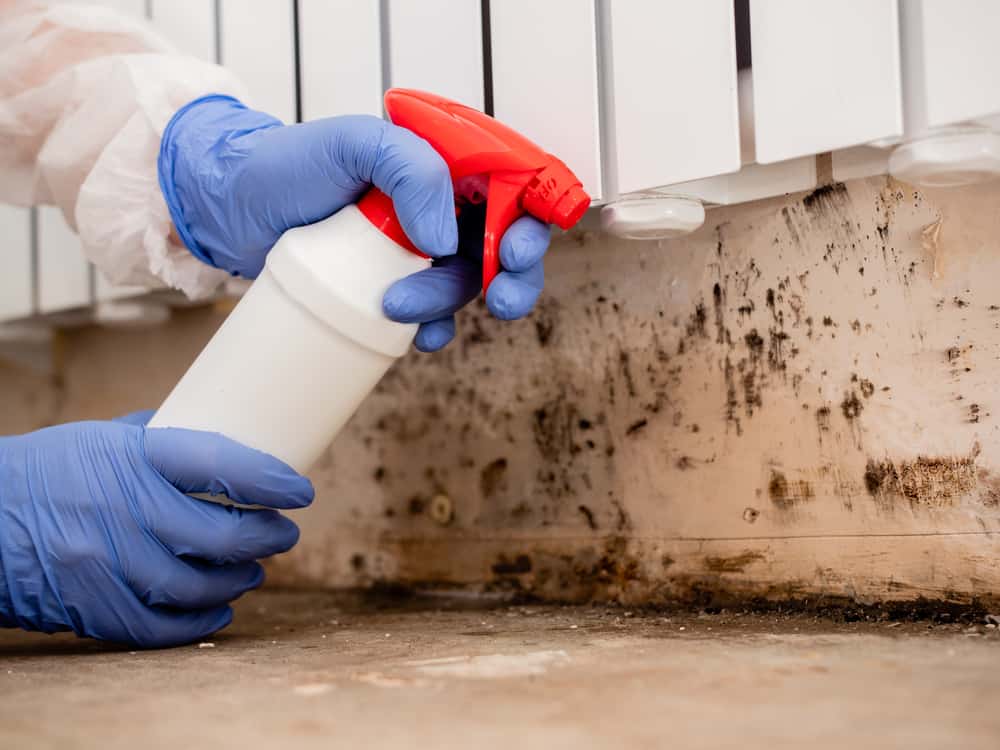
Residential Mold Detection East Marion
A lot of East Marion homeowners don’t find out they have a mold problem until they’re already dealing with the consequences a sale that fell through, a respiratory issue that won’t go away, or damage that’s been quietly spreading behind a wall for years. A thorough mold inspection changes that. You walk away knowing what’s actually in your home, where it came from, and what it’s going to take to fix it.
That matters more in East Marion than in most places. Homes along the North Fork especially ones built in the 1940s, 50s, and 60s that make up a significant portion of East Marion’s housing stock weren’t built with the moisture barriers and vapor controls that modern construction requires. Salt air from both Long Island Sound and Peconic Bay doesn’t just create humidity. It slowly degrades siding, window frames, and exterior cladding, opening up entry points for water that work their way into wall cavities and crawl spaces without announcing themselves.
And if your East Marion property sits vacant from October through April, that’s five months of unchecked moisture accumulation with no one watching. By the time you return in the spring, what started as a small condensation issue in November can be a full mold colony behind the drywall. Getting an inspection before that becomes a disclosure problem or a health problem is what protects the investment you’ve made in this property.
Licensed Mold Assessors Suffolk County NY
First Response Restoration and Cleaning Inc. has been working across Long Island for over three decades. That’s not a number we throw out to sound impressive it means we’ve been inside the old farmhouses, the waterfront cottages, and the seasonal properties that define East Marion and the eastern North Fork. We know what mold looks like in a pre-war East Marion home. We know where it hides in a crawl space that’s been closed up since Columbus Day.
We built this company on doing the job right the first time, and that standard hasn’t changed. Every technician on our team carries IICRC certification not just the crew lead, every person who walks into your home. We hold both a NY State Mold Assessor License and a Mold Remediator License, both issued by the NY Department of Labor and fully verifiable. For a community like East Marion, where homes carry serious value and the conditions for mold are built into the geography, that level of accountability isn’t optional.
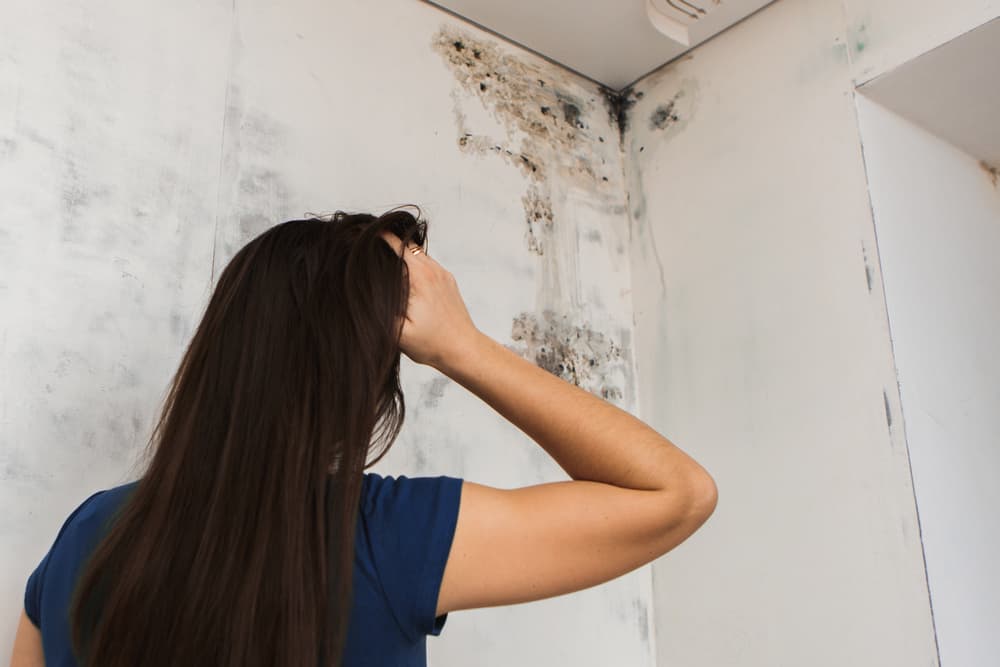
Professional Mold Inspection Process East Marion
The inspection starts with a full walkthrough of your property attic, basement, crawl space, living areas, and any spaces that have had water exposure or show signs of moisture. In East Marion, that often means paying close attention to exterior wall assemblies on the Sound-facing and Bay-facing sides of the home, where salt air and windblown rain create the most persistent entry points. We’re not just looking at what’s visible. We’re looking for what isn’t.
From there, we collect air samples and surface swab samples, which go directly to an accredited laboratory for analysis. We also use infrared thermal imaging to detect temperature differentials behind walls and under floors the kind of hidden moisture pockets that a visual inspection alone will never catch. Indoor samples are compared against outdoor control samples to give you a clear picture of what’s actually elevated inside your home versus what’s normal background mold in any coastal environment.
Once the lab results come back, you get a full written report in plain language not a data dump of spore counts you have to decode yourself. The report tells you what was found, what species are present, what the likely source is, and what remediation, if any, is recommended. If your situation involves an insurance claim or a real estate transaction, that documentation is built to hold up. Spring inspections for returning seasonal homeowners, pre-purchase assessments, and post-storm evaluations are all situations we handle regularly in East Marion and across Suffolk County.
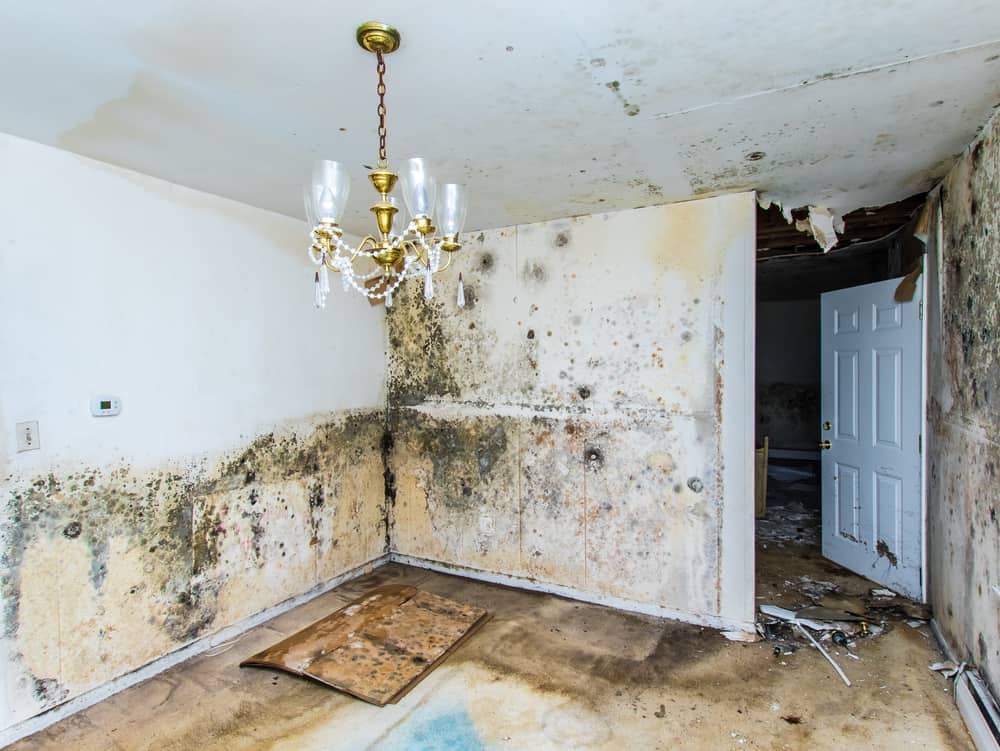
Ready to get started?
Mold Assessment Services East Marion NY
The inspection covers five documented points: airborne spore sampling, surface swab sampling, water intrusion inspection, moisture level measurement with calibrated instruments, and photographic documentation of every mold source identified. That’s the baseline. On top of that, every inspection includes the indoor-to-outdoor particle comparison, infrared thermal imaging, a complete damage assessment, and the written lab report with specific remediation recommendations.
For East Marion properties specifically, we design this process to account for the conditions that make coastal North Fork homes different from inland Suffolk County homes. Pre-code construction, original wood framing, and the absence of modern vapor barriers in older East Marion homes mean mold often establishes itself in places that aren’t immediately obvious. The infrared imaging is particularly valuable here it finds the moisture behind original plaster walls and under original hardwood floors that a standard inspection would walk right past.
Whether you own a year-round residence, a seasonal property you open each spring, a bed and breakfast along Main Road, or a vacation rental that sees rotating tenants, the inspection process adapts to your property type. We also handle communication with your insurance company from the inspection through project completion, which is a real advantage if you’re managing an East Marion property from a primary residence elsewhere. One call to our Suffolk County line at 631-587-5300 gets the process started.
Is mold really that common in older East Marion homes near the water?
It’s more common than most East Marion homeowners expect, and the conditions in this area make it particularly likely. Homes built before 1940 which account for over 22% of East Marion’s housing stock were constructed without the moisture management systems that modern building codes require. There are no vapor barriers in the crawl spaces of homes built in the 1920s. There’s no house wrap behind the original clapboard siding of a North Fork cottage from that era.
Add the dual coastal exposure Long Island Sound to the north, Peconic Bay to the south and you have persistent humidity and salt-laden air working against building materials year-round. Salt air doesn’t just create moisture. It corrodes siding, window frames, and exterior cladding over time, creating micro-fractures that become water entry points. Once water gets behind a wall or under a floor, mold can begin colonizing within 24 to 48 hours. In a home that’s been standing for 60 to 100 years in East Marion, that process has had a lot of time to run.
What does a mold inspection in East Marion, NY typically cost?
Professional mold inspection costs typically range from $303 to $1,043, with the final number depending on the size of the property, how many areas need to be tested, and whether additional sampling like HVAC testing or multiple-room air sampling is warranted. For larger or more complex East Marion properties, particularly older homes with multiple outbuildings, crawl spaces, and attic areas, the scope of the inspection naturally affects the cost.
The more useful way to think about the cost is relative to what you’re protecting. Median home values in East Marion are approaching $900,000, and active listings average over $1 million. Mold issues can reduce property values by 20 to 37 percent that’s $180,000 to $370,000 on a $1 million property. Up to half of buyers back out of real estate transactions when mold is disclosed, even after remediation. Against that backdrop, the cost of a thorough, lab-verified mold inspection is one of the more straightforward investments you can make in an East Marion property at this price point.
Can mold grow in my East Marion home while it's closed up for the winter?
Yes, and it’s one of the most common scenarios we see on the North Fork. A seasonal property in East Marion that’s closed from October through April with heat set to minimum, no dehumidification running, and no one present to notice a slow drip or a condensation issue gives mold five months of uninterrupted time to establish itself. What might start as moisture intrusion from a nor’easter in November can be a significant mold colony by the time you unlock the door in May.
The problem is that you often can’t see it right away. Mold that develops inside wall cavities, under flooring, or in attic insulation during vacancy doesn’t always present with visible growth or an obvious smell on day one. By the time the signs are noticeable, the infestation is usually well-established. A spring mold inspection before you fully reopen the property for the season is the most practical way to know what you’re dealing with before it becomes a larger remediation project or a health issue for anyone using the home.
What's the difference between a mold inspection and a standard home inspection?
A general home inspection covers the broad condition of a property structure, electrical, plumbing, HVAC, roof, and visible surfaces. The inspector is looking at a lot of systems in a limited amount of time, and mold is typically noted only if it’s visibly obvious. They’re not collecting air samples, they’re not using infrared imaging to detect moisture behind walls, and they’re not sending samples to a laboratory for species-level analysis.
A dedicated mold inspection is focused entirely on identifying mold presence, moisture sources, and the conditions that support mold growth including what’s hidden. That means air sampling, surface swabs, infrared thermal imaging, moisture measurement, and a written lab report that tells you specifically what species are present and at what concentrations. For an East Marion home particularly one that’s older, has a crawl space, or has been seasonally vacant that level of specificity is what gives you real information rather than a general impression. If a home inspection flags potential mold or moisture concerns, a dedicated mold inspection is the logical next step before making any decisions.
Do I need a licensed mold inspector in New York, or can anyone do this?
New York State law requires it. Since January 1, 2016, Article 32 of the NY Labor Law has mandated that all mold assessors and mold remediators operating in the state hold separate licenses issued by the NY Department of Labor. These aren’t trade association memberships or self-certifications they’re state-issued credentials that are publicly verifiable through the NY DOL’s licensed contractor search tool. Any company performing mold assessment work in East Marion without those licenses is operating outside the law.
There’s also an important structural requirement built into that law: the same company cannot legally perform both the assessment and the remediation on the same project. This is a consumer protection measure designed to prevent conflicts of interest a company that does both has a financial incentive to find mold whether it’s there or not. We hold both a Mold Assessor License and a Mold Remediator License and operate in full compliance with New York State law. Before hiring anyone to inspect your East Marion home, ask for their NY DOL license number and verify it.
What happens if the inspection finds mold what are the next steps?
The inspection report gives you a clear picture of what was found, where it is, what species are present, and what the likely moisture source is. From there, the recommended next step depends on the scope and severity. Minor surface mold in a contained area is a very different situation from a hidden infestation behind original plaster walls in a 1930s East Marion home. The report will tell you which situation you’re in and what level of remediation, if any, is appropriate.
If remediation is needed, we can handle it directly. That means you’re not starting over with a new contractor search, re-explaining the situation, and hoping the next company interprets the lab report the same way. We go from inspection through remediation and, if structural materials need to be replaced, through reconstruction all under one licensed, insured team. For seasonal homeowners managing an East Marion property from a primary residence elsewhere, that continuity matters. One point of contact, one accountable team, from the first air sample to the final clearance test.
Useful Links
Other Services we provide in East Marion