

Hear from Our Customers
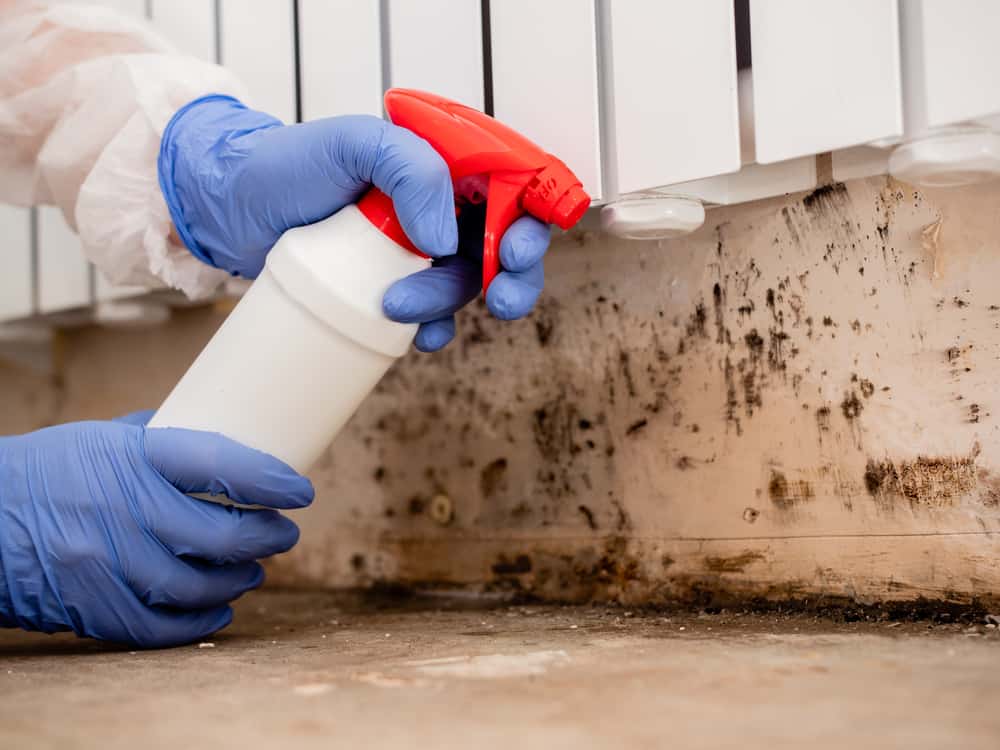
Most East Meadow homeowners who call us aren’t panicking. They’ve just noticed something — a smell in the basement, a stain near the attic hatch, a kid who won’t stop coughing — and they want a straight answer. That’s exactly what a professional mold inspection gives you: a clear picture of what’s actually in your home, where it’s coming from, and what it means.
East Meadow’s housing stock is the real issue here. Over 74 percent of homes in this community were built between the 1940s and 1960s. That means original plumbing, compressed insulation, no real vapor barriers, and attic spaces in Cape Cod-style homes that have been trapping moisture every winter for decades. The mold in these houses isn’t growing on a visible wall — it’s behind the drywall, under the floor, or inside the roof deck. You won’t find it with a flashlight and a walk-through.
When you know exactly what you’re dealing with — species identified, spore levels measured, moisture sources mapped — you can make a real decision. Whether that’s moving forward with remediation, satisfying a buyer’s concern before closing, or finally getting documentation your insurance company will accept, the inspection is what makes the next step possible.
We’ve been working in East Meadow and Nassau County homes for over 31 years. Richard Peterson, our owner, is personally licensed by the New York State Department of Labor for both mold assessment and mold remediation under Article 32 of the Labor Law. Every technician on our team — not just the owner — holds IICRC certification. That’s not standard in this industry, and it matters when someone is pulling samples from inside your walls.
We carry full licensing, bonding, and insurance, and maintain a dedicated Nassau County line at 516-698-1776. We’ve worked in the Cape Cods off Merrick Avenue, the split-levels near Barnum Woods, and the ranch homes along the Hempstead Turnpike corridor. East Meadow isn’t a pin on our service map — it’s a community we’ve been showing up in for three decades.
When a company has that kind of track record in one place, reputation becomes the accountability. There’s no incentive to manufacture findings when 31 years of East Meadow and Long Island trust is on the line.
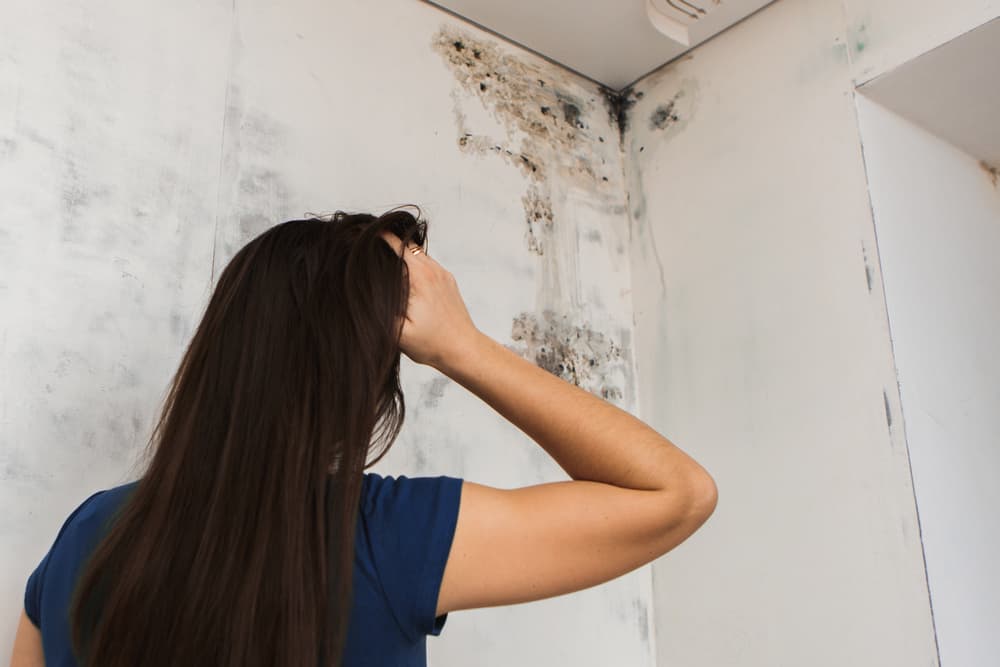
Our inspection starts with a full walkthrough of the property — not just the obvious spots, but the areas that post-war East Meadow homes are most likely to hide problems: unfinished basement walls, attic cavities in Cape Cod-style rooflines, bathroom exhaust areas, and anywhere a plumbing chase runs through an interior wall. We measure moisture levels throughout, because active moisture is almost always the source.
From there, we collect air samples — both inside the home and outside — and send them to a certified third-party laboratory. That internal-versus-external comparison is how we establish whether your indoor air quality is actually elevated, not just whether spores are present. We take surface swabs from any visually suspect areas. We use infrared thermal imaging to scan walls, ceilings, and floors for temperature differentials that indicate hidden moisture and mold growth behind finished surfaces.
New York State Article 32 requires that mold assessment and remediation be performed by separate licensed professionals on the same project. We hold both licenses, which means if the inspection identifies a problem, we can coordinate the remediation phase without you having to start over with a new company. The final deliverable is a written report with lab results, moisture readings, infrared findings, photographs, and specific recommended next steps — the format that insurance companies, real estate attorneys, and Nassau County buyers actually accept.
Ready to get started?
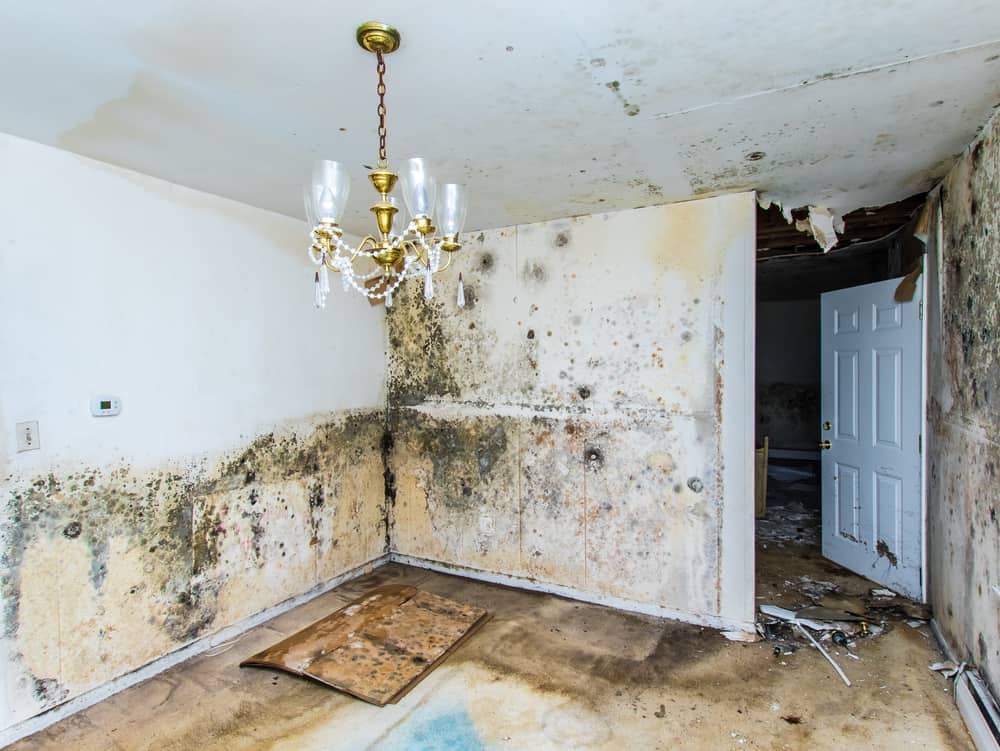
Our five-point inspection protocol was built around the realities of Long Island’s aging residential housing — not a checklist designed for new construction in a dry climate. For East Meadow specifically, that means paying close attention to basement moisture intrusion (a documented and recurring problem in this community given the flat topography and Nassau County’s humidity levels), attic conditions in Cape Cod-style homes where ice dams drive meltwater into the roof deck every winter, and HVAC systems that may have been distributing spores through finished living spaces for years.
Air testing, surface sampling, infrared scanning, moisture mapping, and a full written lab-backed report are all part of what you get. For homeowners dealing with a post-flood situation — whether from a Nor’easter, a failed sump pump, or a pipe that let go inside a wall — our inspection also documents the source of the water intrusion, which is critical for supporting an insurance claim.
East Meadow’s real estate market moves fast, with homes selling in under 40 days on average. Since New York’s 2023 amendment to the Property Condition Disclosure Statement now requires sellers to disclose known mold, both buyers and sellers in this ZIP code have a real legal reason to get this done before a transaction moves forward. A lab-backed inspection report from a NYS DOL-licensed assessor is the only version that holds up in that context.
Yes — and this is one of the more important things to understand before you hire anyone. Under New York State Article 32 of the Labor Law, any professional performing mold assessment for compensation must hold a license issued by the NYS Department of Labor. This requirement has been in effect since January 1, 2016 and applies to all work in Nassau County, including East Meadow. Fines for unlicensed mold work can reach $10,000, and results from an unlicensed inspection carry no legal standing — meaning they won’t hold up for an insurance claim, a real estate disclosure, or any kind of dispute.
Article 32 also includes a provision that the same licensed entity cannot perform both the mold assessment and the mold remediation on the same project. This separation exists to protect you from conflicts of interest. We hold both a mold assessor license and a mold remediator license under Article 32, which means we operate within these requirements — and if remediation is needed after the inspection, we can coordinate that next phase without you having to find a second company from scratch.
A professional mold inspection in the East Meadow area generally runs between $300 and $700 for a standard residential property, with lab testing for collected samples adding $250 to $500 depending on the number of samples. Larger homes, complex attic configurations — which are common in East Meadow’s Cape Cod-style housing stock — or post-flood situations that require more extensive sampling can push that range higher.
The more useful way to think about cost is relative to what you’re protecting. Median home values in East Meadow range from roughly $613,000 to $830,000 depending on the source. A mold problem discovered during a sale negotiation can kill a deal or result in a price reduction that dwarfs the cost of the inspection several times over. And if remediation is eventually needed, catching it early — before it spreads through wall cavities or into the HVAC system — is the difference between a manageable remediation and a $10,000-plus project. The inspection isn’t the expense. Skipping it is.
The most common signs residents report are a persistent musty odor in the basement or attic, visible dark staining near windows or along baseboards, and unexplained respiratory symptoms in household members — particularly in children or older adults who spend more time at home. East Meadow’s 21.6 percent senior population and its significant share of families with school-age children make both of those groups a real concern.
What makes East Meadow homes specifically tricky is that the most serious mold growth is often completely invisible. In a home built in the 1950s or 1960s — which describes the majority of properties in this community — mold is frequently found inside wall cavities where original insulation has absorbed decades of moisture, beneath slab floors that were never sealed against ground moisture, and inside attic spaces where ice dams have been forcing meltwater under shingles every winter. A musty smell with no visible source isn’t a mystery. It’s almost always a sign that something is growing where you can’t see it.
Yes — and the legal landscape in New York now makes this more important than it used to be. As of June 14, 2023, New York State amended its Property Condition Disclosure Statement to require sellers to disclose known mold. That means sellers in East Meadow are now legally obligated to flag any mold they’re aware of. But “aware of” is the key phrase — and in a community where over 74 percent of homes were built between the 1940s and 1960s, there’s a significant chance that mold exists in places the seller has genuinely never seen.
A pre-purchase mold inspection by a NYS DOL-licensed assessor gives you an independent, lab-backed picture of the property’s actual condition before you close. East Meadow’s market moves fast — homes are selling in under 40 days on average — so building inspection contingencies into your offer and scheduling quickly matters. If the inspection finds something, you have documented leverage to negotiate. If it comes back clean, you have peace of mind that the disclosure statement alone can’t fully provide.
Infrared thermal imaging works by detecting temperature differences across surfaces — and moisture behind a wall or under a floor almost always creates a measurable temperature differential compared to dry surrounding material. Our trained technicians use infrared cameras to identify areas of trapped moisture inside wall cavities, beneath flooring, and within roof assemblies that would be completely invisible during a standard visual inspection.
For East Meadow homeowners, this matters because the housing stock is old enough that moisture intrusion has had decades to work its way into structural components. A Cape Cod attic that’s been experiencing ice dam meltwater infiltration for 20 winters won’t show visible staining on the ceiling below — but the roof deck and rafters above may already have significant mold growth. Infrared scanning is what bridges that gap between what you can see and what’s actually there. It’s not a replacement for air sampling and lab analysis, but it’s what directs those samples to the right locations — and that specificity is what makes the inspection genuinely useful rather than just a formality.
The inspection report will identify what species of mold are present, at what concentration levels, where the moisture source is, and what remediation steps are recommended. From there, you have a clear, documented starting point — not a vague “you might have a problem” conversation. If the affected area is 10 square feet or larger, New York State Article 32 requires that remediation be performed by a licensed mold remediator.
We hold both the mold assessor and mold remediator licenses under Article 32, so if remediation is the next step, you’re not starting over. The inspection findings go directly into the remediation plan — no miscommunication between separate companies, no gaps in the documentation chain. For homeowners dealing with a water damage insurance claim, that continuity matters: the inspection report and the remediation documentation come from the same licensed, lab-backed source, which is exactly what insurance adjusters in Nassau County need to process a claim without delays or disputes.
Useful Links
Other Services we provide in East Meadow