
Hear from Our Customers
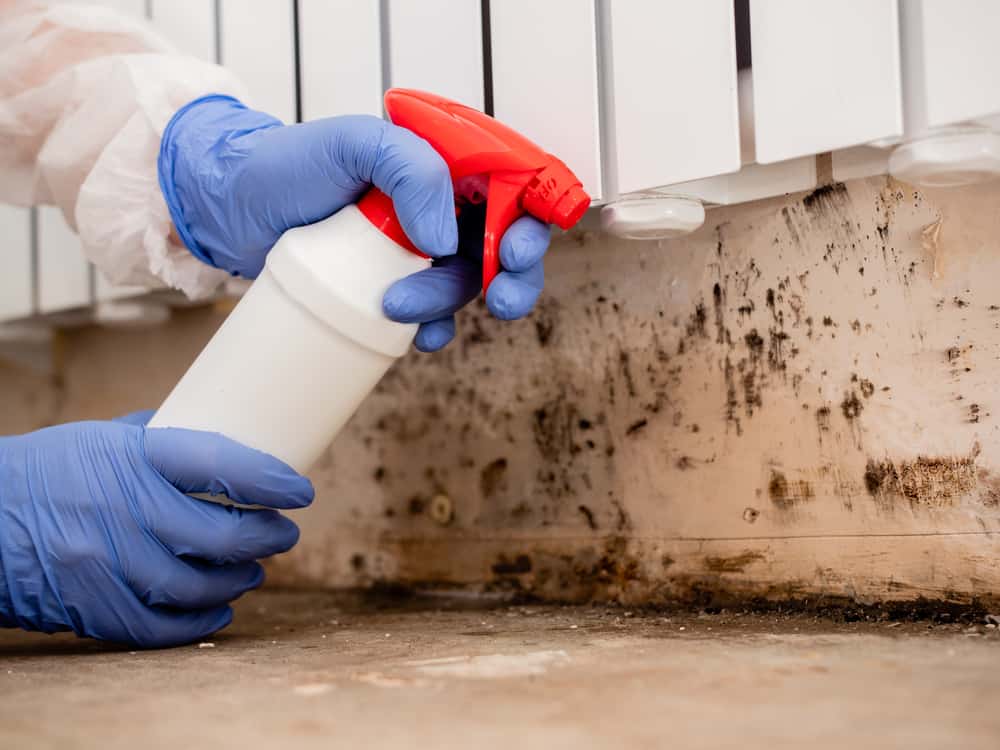
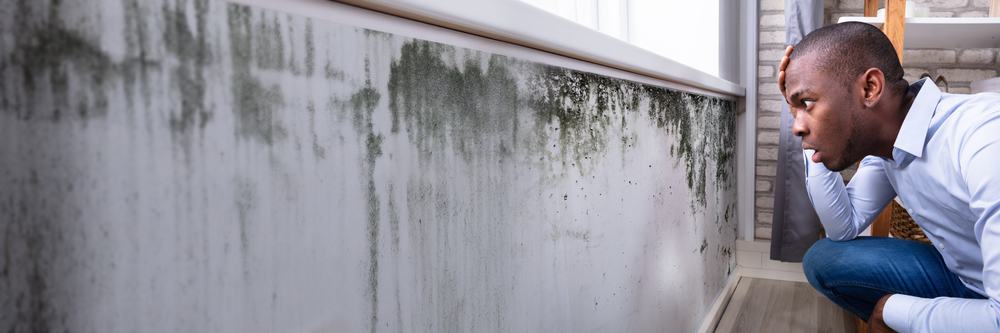
Most homeowners in East Shoreham don’t find mold — mold finds them. A musty smell after a wet spring. A family member with unexplained respiratory issues that won’t go away. A basement that flooded during a nor’easter and was dried out, but never actually tested. By the time mold becomes visible, it’s usually been growing for weeks or months.
A professional mold inspection in East Shoreham, NY gives you a documented, lab-verified answer — not a guess. You’ll know what’s there, where it is, what species it is, and what’s driving it. That’s the difference between reacting to a problem and actually solving it.
East Shoreham’s housing stock — most of it built between the 1950s and 1980s — sits on wooded lots where shade keeps moisture against foundations longer than it should. Add in the coastal humidity rolling off the Sound, and you’ve got conditions that push moisture into wall cavities, attic insulation, and crawl spaces year-round. The homes here weren’t built with that in mind. A thorough inspection accounts for all of it.
We’ve been serving homeowners across Nassau and Suffolk Counties since 1993. That’s three decades of showing up for Long Island families dealing with real problems — from post-storm water damage in North Shore communities like East Shoreham to the slow, hidden mold growth that builds up in older homes over years of coastal humidity exposure.
The Shoreham-Wading River area is the kind of community where reputation means everything. We’ve earned ours by doing the work right, not by cutting corners to move on to the next job. Every technician on our team carries IICRC certification — not just the lead, everyone. And because we hold New York State licenses for both mold assessment and mold remediation, you’re working with a team that’s legally qualified to do exactly what we say we’ll do.
We’re based in West Babylon, and we serve all of Suffolk County — including East Shoreham — through our dedicated 631 line. This area isn’t an afterthought for us. It’s part of the territory we’ve built our reputation in.
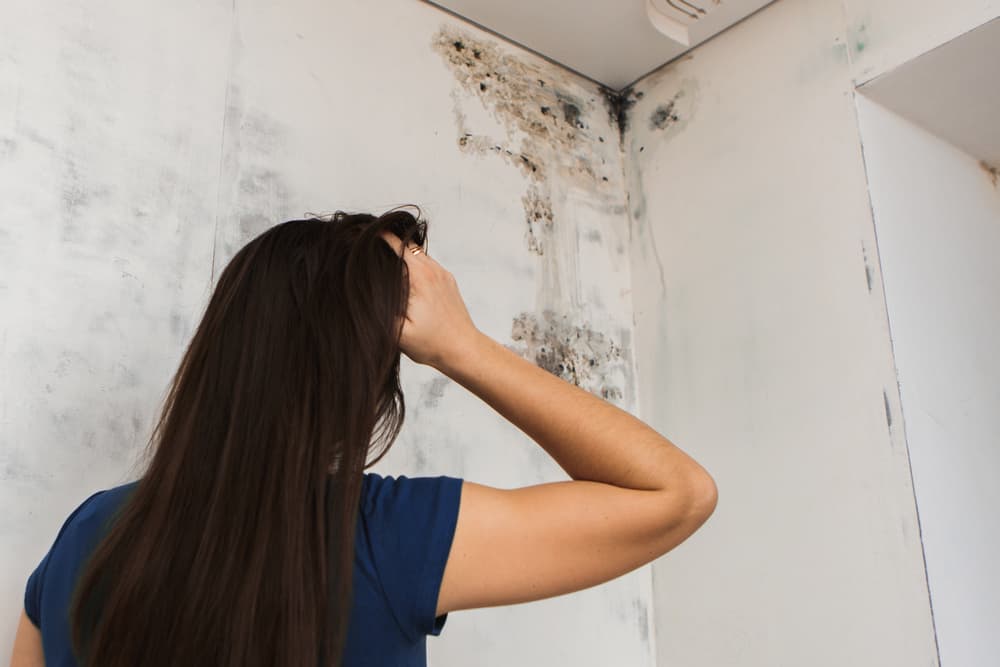
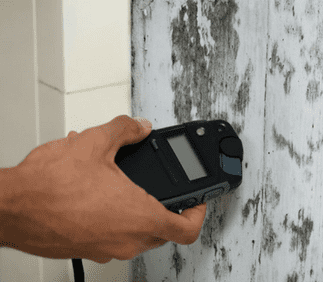
When we arrive at your East Shoreham home, we’re not doing a quick visual scan and calling it done. We run a five-point inspection that covers the full picture: air testing to capture airborne spore concentrations, surface swab sampling to document what’s actively growing, water intrusion inspection to find the moisture source driving the problem, calibrated moisture meter readings throughout the affected areas, and full photographic documentation of every finding.
On top of that, we use infrared thermal imaging — the same technology used in building diagnostics — to detect temperature differentials inside walls, beneath floors, and in attic spaces. In a home where the tree canopy keeps the north-facing walls damp for days after a rainstorm, or where Long Island Sound humidity has been working its way into the building envelope for 40 years, that technology isn’t optional. It’s how we find the mold that a flashlight and a trained eye would miss.
Everything we collect goes to an accredited lab. You get a written report with real findings — species identification, spore counts, moisture readings, and plain-language recommendations for what needs to happen next. If remediation is needed, we handle that too, all the way through reconstruction, under the same license and the same roof. No handoffs, no gaps.
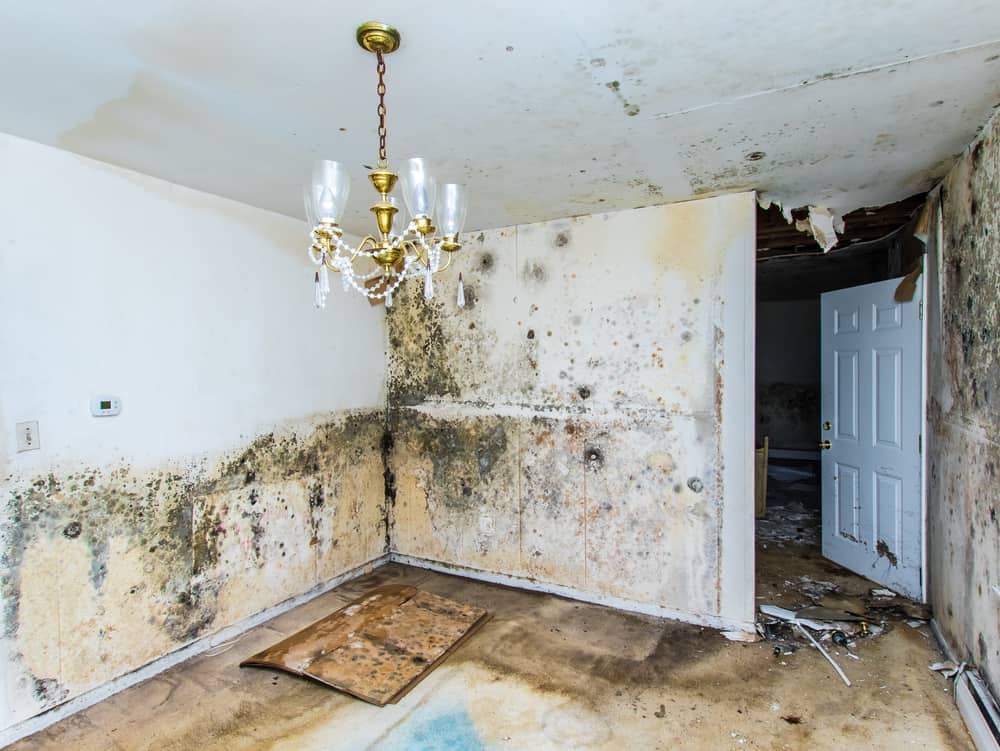
Ready to get started?
A mold inspection in East Shoreham, NY from us isn’t a checkbox service. It’s a documented, multi-point assessment built around the specific conditions that drive mold growth in North Shore Suffolk County homes — coastal humidity, wooded lot moisture retention, aging waterproofing systems, and HVAC ductwork that’s been circulating air through the same house for decades.
The inspection covers air quality testing for mold spores, surface sampling, full moisture mapping of the structure, infrared imaging for hidden growth, and a written lab report you can actually use — whether that’s for an insurance claim, a real estate transaction, or just peace of mind before you finish that basement. New York State requires that mold assessors and remediators hold separate licenses issued by the NY Department of Labor. We hold both. That matters because it means our findings are legally defensible and our remediation work is fully authorized under state law.
For homeowners in East Shoreham who’ve dealt with basement flooding after a nor’easter, or who bought their home years ago and have never had it tested, this inspection is the starting point for knowing what you’re actually dealing with. And if the report comes back clean, that’s a document worth having too — especially if you’re planning to sell in the Shoreham-Wading River market, where buyers and their agents are increasingly asking for it.
The honest answer is that most homeowners wait too long. If you’ve had any water intrusion — a flooded basement after a storm, a slow leak behind a wall, ice dam damage to your roof — mold can begin colonizing within 48 to 72 hours. By the time you smell it or see it, it’s been established for a while.
In East Shoreham specifically, the combination of Long Island Sound humidity and heavily wooded lots means moisture levels around and inside homes stay elevated longer than in drier, more open communities. If your home was built before 1990 and you’ve never had a mold assessment, that alone is a reasonable reason to schedule one. You don’t need visible mold to justify an inspection — you just need a home that’s been exposed to the conditions that create it.
A professional mold inspection in the East Shoreham area typically runs between $300 and $700, depending on the size of the home and the scope of testing needed. That range covers air sampling, surface swab collection, lab analysis, infrared imaging, and a full written report with findings and recommendations.
It’s worth framing that number against what undetected mold actually costs. Remediation for a significant mold problem can run anywhere from $1,500 to $20,000 or more depending on how far it’s spread. A home with a known, undisclosed mold issue can lose 20 to 37 percent of its market value — a serious concern in a community like Shoreham-Wading River where homes represent significant long-term investments. The inspection is the least expensive part of this equation by a wide margin.
Yes — and this is one of the most important questions you can ask before hiring anyone. New York State law, effective January 1, 2016, requires that anyone performing mold assessment or mold remediation hold a license issued by the NY Department of Labor. These are separate licenses, and a company needs both if they’re doing both services. You can verify any contractor’s licensing status through the state’s online lookup tool before you book.
We hold both the mold assessor license and the mold remediator license required under New York law. That means the inspection findings we produce are legally valid, the lab documentation holds up for insurance claims and real estate disclosures, and any remediation work we perform is fully authorized. Not every company operating in Suffolk County can say that — and it’s worth checking before you let anyone into your home.
Absolutely — and it’s more common than most homeowners expect. Attic mold is one of the most frequently missed problems in North Shore Long Island homes, particularly in houses built in the 1960s through 1980s where bathroom exhaust fans were often vented into the attic space rather than directly to the exterior. That warm, moist air hits the cold roof decking in winter and creates the exact environment mold needs to grow, completely out of sight.
Inside wall cavities, mold typically develops after a slow leak or condensation buildup — the kind of moisture that doesn’t announce itself with a puddle on the floor. In East Shoreham, where wooded lots keep exterior walls shaded and damp longer after rain events, this kind of hidden growth is a real risk. That’s exactly why we use infrared thermal imaging as part of every inspection — it detects the moisture and temperature differentials that indicate hidden growth before it becomes a structural problem.
“Black mold” has become a catch-all term that causes a lot of unnecessary panic — and sometimes causes people to dismiss a real problem because what they’re seeing isn’t black. The truth is that color alone tells you very little. Mold comes in dozens of species and many colors, and some of the most problematic varieties — including Stachybotrys chartarum, which is what most people mean when they say “black mold” — require lab analysis to positively identify.
What actually matters is the species, the spore concentration, and the extent of the growth — not the color. That’s why surface swab sampling and air testing sent to an accredited lab are the only reliable way to know what you’re dealing with. A visual inspection alone, whether by a homeowner or an untrained inspector, cannot tell you what type of mold is present or how far it’s spread. If you’re seeing or smelling something that concerns you in your East Shoreham home, the right move is testing — not guessing based on color.
As soon as the water is out — ideally within 24 to 48 hours. Mold can begin growing on wet materials in as little as 24 to 72 hours under the right conditions, and East Shoreham basements after a nor’easter or heavy rain event provide exactly those conditions: saturated drywall, wet insulation, standing moisture in floor joints, and limited airflow. Even if you’ve run fans and a dehumidifier and the space feels dry, that doesn’t mean the moisture is gone from inside the walls or beneath the subfloor.
Waiting a few weeks to “see if anything develops” is how a manageable remediation turns into a major one. The sooner you get a documented inspection — with moisture readings and air sampling — the better your position with your insurance company and the more contained the problem is likely to be. Post-storm mold inspections are one of the most common calls we get from North Shore Suffolk County homeowners, and the ones who call early consistently have better outcomes than the ones who wait.
Useful Links
Other Services we provide in East Shoreham