
Mold Inspection in East Williston, NY
When a $1.4M Home Has a 70-Year-Old Secret

Hear from Our Customers

Residential Mold Detection, East Williston NY
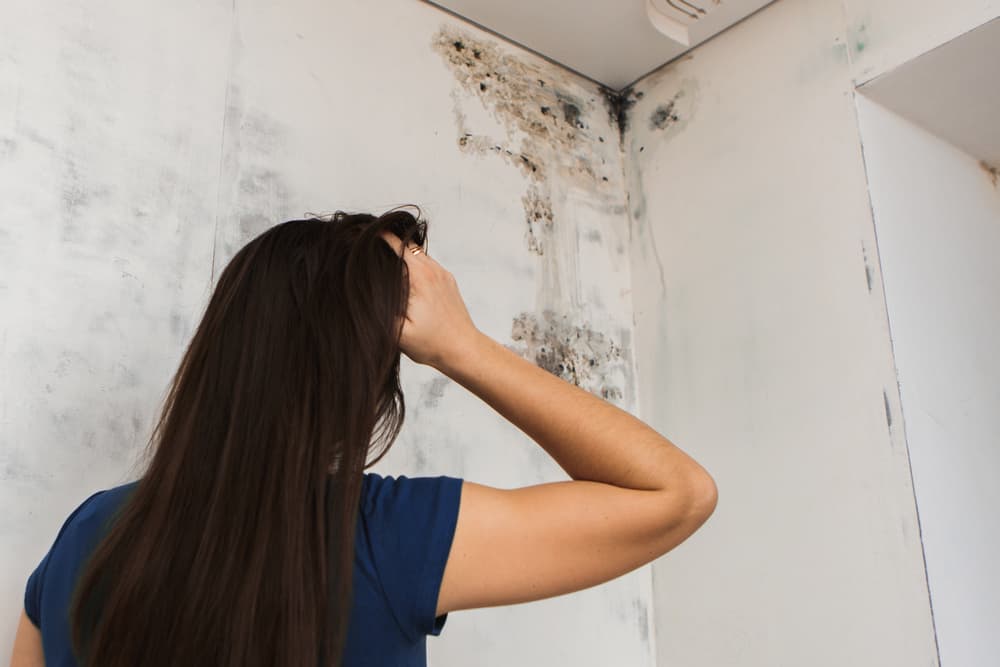
Most homeowners in East Williston don’t find mold mold finds them. It shows up in the lab report after a real estate deal almost falls apart, or behind a wall that smelled musty for two winters before anyone called. By the time it’s visible, it’s usually been growing for a while. A professional mold inspection gives you documented answers, not guesswork.
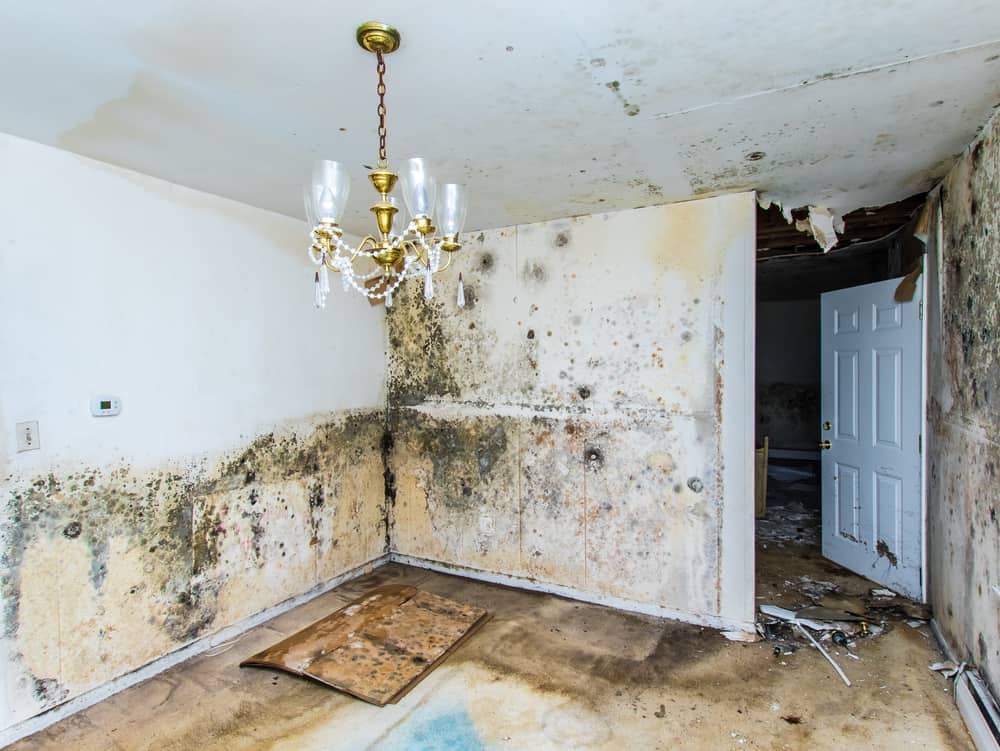
East Williston’s housing stock tells a specific story. Homes in the Wheatley Ridge area date to the 1930s. The historic village core has structures from the 19th century. These were built before vapor barriers, modern plumbing standards, or attic ventilation requirements existed which means wall cavities, basement foundations, and attic spaces in these homes are exactly where mold establishes quietly and spreads slowly. You can’t see it, and a standard home inspector isn’t equipped to find it.
What changes after a proper inspection is that you have real data. Certified lab results. A written report with spore counts, species identification, and moisture readings. If there’s a problem, you know exactly where it is and what caused it. If there isn’t, you have documentation that proves it and that matters whether you’re buying, selling, or simply making sure your family’s air is clean.
Licensed Mold Assessor, Nassau County NY
First Response Restoration and Cleaning Inc. has been serving Long Island homeowners for over 31 years, operating out of West Babylon with a dedicated Nassau County line at 516-698-1776. Our owner, Richard Peterson, holds personal NYS Department of Labor licensure in both mold inspection and mold remediation which is not the standard in this industry. Most companies are licensed at the business level. Here, the person running the operation is licensed himself.
Every technician on our team is IICRC-certified. That’s not a company-level credential applied loosely to whoever shows up it means the individual walking through your East Williston home, collecting your samples, and operating the infrared equipment has met the industry’s highest certification standard personally. That matters in a village where residents expect the professionals they hire to actually be professionals.
From North Hempstead Township to the surrounding communities of Williston Park, Mineola, and Albertson, we’ve worked in Nassau County’s older residential stock long enough to know exactly what these homes hide and exactly where to look.
Mold Assessment Process, East Williston NY
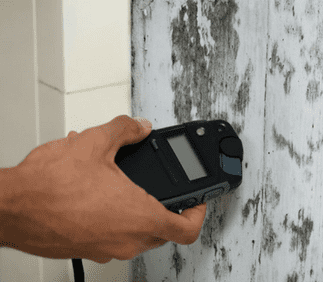
The inspection starts with a full walkthrough basement, attic, crawl spaces, and any area where moisture has a history of entering. In East Williston’s older homes, that often means stone block or poured concrete foundations that have been managing groundwater for decades, and attic spaces that were never designed for today’s humidity levels. Our technician isn’t just looking. They’re measuring moisture levels throughout the structure and using infrared thermal imaging to detect temperature differentials that indicate hidden moisture behind walls, under flooring, and inside ceiling cavities where mold grows long before it becomes visible.
From there, air samples are collected and compared against outdoor baseline readings taken the same day. This comparison is what separates a real inspection from a surface check without it, an elevated indoor spore count is meaningless because you have no context for what’s normal in your environment. Surface swab samples are collected from any suspect areas and sent to a certified third-party laboratory for analysis.
You receive a written report with the lab results, mold species identification, spore concentration levels, and specific remediation recommendations tied to what was actually found. Under New York State’s Article 32 of the Labor Law, all mold assessment work must be performed by a licensed mold assessor and that report is the documentation your insurance company, real estate attorney, or lender will ask for. We produce it in a format they’ll accept.
Ready to get started?
Home Mold Testing Services, East Williston NY
A mold inspection in East Williston, NY through First Response includes air testing, surface swab sampling, full water intrusion assessment, moisture level measurement throughout the property, and infrared thermal imaging for hidden mold detection. Every sample goes to a certified third-party lab. You get a written report with the results not a verbal summary, not a ballpark, but a documented deliverable with species identification, spore counts, and a clear picture of what’s happening inside your home.
This matters specifically in East Williston because the homes here carry real risk factors. The Mill River Watershed creates elevated groundwater and soil moisture conditions that put pressure on older basement foundations every spring. Nassau County’s humid coastal climate means indoor humidity regularly climbs into the range where mold can begin growing within 24 to 48 hours and sealed winter homes trap that moisture with nowhere to go. If your home is in or near the East Williston Village Historic District, you may also be dealing with plaster walls and original structural members that have been absorbing moisture for over a century.
We also handle full remediation and restoration in-house. If the inspection finds something, you don’t have to start over with a different contractor. The same team that documented the problem can remove it and restore the affected areas which matters when you’re managing a real estate timeline or an insurance claim and can’t afford to coordinate three separate vendors.
Do I need a mold inspection before buying a home in East Williston, NY?
If you’re buying in East Williston, a mold inspection isn’t just a good idea it’s one of the most financially sound steps you can take during due diligence. Median home prices here are around $1,440,000, and the majority of the housing stock was built before 1960. Older homes in the Wheatley Ridge area and the historic village core were constructed without modern moisture barriers, which means wall cavities, attics, and basements can harbor mold for years without any visible sign.
A general home inspector will flag obvious concerns, but they’re not equipped to collect air samples, run infrared scans, or produce a certified lab report. If mold is present and goes undetected before closing, you inherit the problem and the remediation cost with no recourse. In a market that moves as fast as East Williston’s, buyers also need inspection results quickly. We operate seven days a week and produce written, lab-backed reports that hold up in real estate transactions, not just informal assessments that leave you guessing.
What does a professional mold inspection in East Williston actually include?
A professional mold inspection covers more than a visual walkthrough. At First Response, the process includes air testing with indoor-to-outdoor baseline comparison, surface swab sampling of suspect areas, moisture level measurement throughout the structure, water intrusion assessment to identify the source driving any mold growth, and infrared thermal imaging to detect hidden moisture behind walls and inside ceiling and floor cavities.
Every sample is sent to a certified third-party laboratory not evaluated on-site with a kit. You receive a written report with the lab results, mold species identification, spore concentration levels, and specific remediation recommendations. For East Williston homeowners dealing with insurance claims, real estate transactions, or landlord-tenant situations, that written report is what gives you something actionable. A verbal opinion from an inspector doesn’t hold up in those conversations. Documented, lab-backed results do.
How does Long Island's climate affect mold risk in East Williston homes?
Long Island’s geographic position surrounded by water on three sides keeps ambient humidity consistently elevated compared to inland areas. In East Williston specifically, the Mill River Watershed contributes to groundwater and soil moisture conditions that put real pressure on older basement foundations, particularly during spring when snowmelt and rain combine. Mold needs humidity above roughly 60% to begin growing, and Nassau County regularly exceeds that threshold during summer months and in sealed winter homes where moisture has nowhere to escape.
The seasonal risk pattern in East Williston is fairly predictable. Spring is historically the highest-risk period for basement moisture intrusion due to hydrostatic pressure on aging foundations. Summer brings attic condensation risk from the temperature differential between air-conditioned living spaces and superheated attic air. Fall nor’easters and Atlantic storms drive water intrusion events that often go undetected until mold is already established. And in winter, ice dam formation on older roofs common in East Williston’s housing stock pushes water under shingles and into wall cavities. A mold inspection at any point in the year is worth doing, but knowing your season helps you understand what the technician is specifically looking for.
Is there a conflict of interest when the same company does inspection and remediation?
This is one of the most reasonable questions you can ask, and you should ask it. New York State actually addresses it directly through Article 32 of the Labor Law, which requires that the mold assessor and the mold contractor be separate entities for any remediation project involving more than 10 square feet of mold. The inspector cannot also be the remediator on the same job. That legal separation exists specifically to protect you from a situation where someone finds mold because they want to sell you a removal job.
First Response is a full-service company we do both inspection and remediation but we operate in full compliance with Article 32. The inspection produces an independent, lab-backed report. If remediation is needed, the scope of work is tied directly to what the lab confirmed, not what someone estimated visually. You have the documentation in hand before any remediation decision is made. That written report is your protection, and it’s something every licensed mold assessor in New York State is required to produce before any remediation work begins.
How long does a mold inspection take, and how soon do I get the results?
The on-site portion of a mold inspection for a typical East Williston home a single-family residence with a basement, main living floors, and an attic generally takes two to three hours. Larger properties or homes with more complex layouts, crawl spaces, or multiple areas of concern will take longer. We won’t rush through it, because the value of the inspection is in the thoroughness, not the speed of the walkthrough.
After the on-site work is complete, your samples go to a certified third-party laboratory for analysis. Lab turnaround typically runs a few business days, after which you receive your written report with the full results. If you’re working against a real estate contract deadline or an insurance claim timeline, it’s worth mentioning that upfront when you schedule we operate seven days a week and can often prioritize scheduling to accommodate transaction timelines. East Williston’s market moves fast, and the inspection process is designed to keep pace with it when needed.
What happens if mold is found during the inspection in my East Williston home?
Finding mold during an inspection isn’t the end of the conversation it’s the beginning of a clear plan. The written report you receive will identify exactly where the mold is, what species were detected, what the spore concentration levels are, and what the likely moisture source is. That last part matters because removing mold without fixing the source is a temporary fix. Whether it’s a slow plumbing leak, a compromised foundation, an attic ventilation issue, or storm-driven water intrusion, the remediation plan has to address the cause, not just the symptom.
In East Williston’s older homes particularly those in the historic village core or the Wheatley Ridge area remediation sometimes involves working carefully around original building materials like plaster walls, old-growth wood framing, or historic structural elements. We handle full remediation and restoration in-house, which means the team that reads the inspection report is the same team that develops the remediation plan. You’re not handing off a document to a contractor who wasn’t there and has to interpret someone else’s findings. That continuity directly reduces the risk of incomplete remediation, which is how mold problems come back.
Useful Links
Other Services we provide in East Williston