
Mold Inspection in Eatons Neck, NY
When Your Home Sits Between Three Bodies of Water, Mold Doesn't Wait

Hear from Our Customers

Residential Mold Detection in Eatons Neck
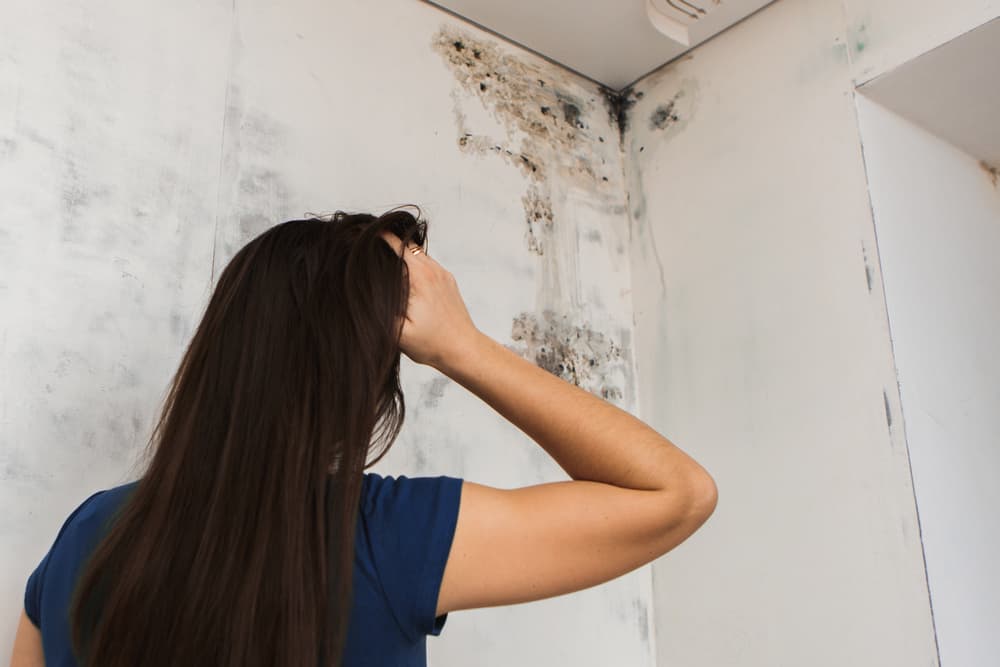
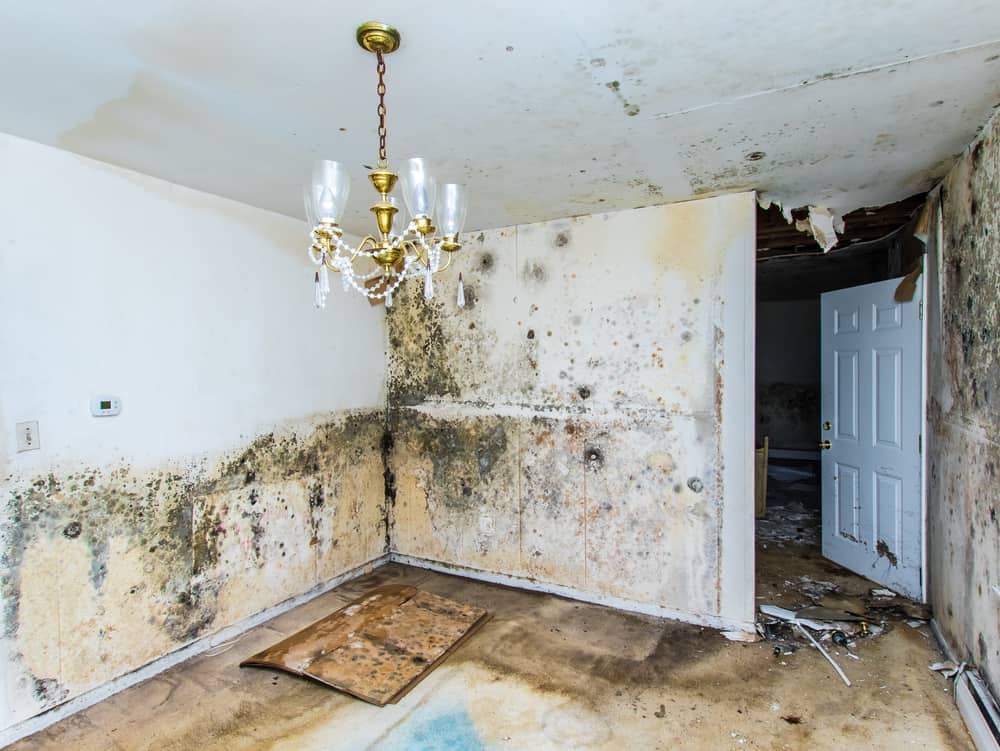
Most mold problems in Eatons Neck don’t start with a visible patch on the wall. They start inside a wall cavity that absorbed moisture during last winter’s nor’easter, or beneath a floor in a seasonal home that sat closed up for six months without ventilation. By the time you see it or smell it, it’s already been growing for a while. A professional mold inspection gives you the full picture not just what’s visible, but what’s hiding.
For homes on this peninsula, that matters more than most people realize. The Long Island Sound surrounds Eatons Neck on three sides, and the ambient humidity here regularly exceeds 60% from June through September. Salt air from the Sound doesn’t just evaporate off your siding it settles into building materials and keeps pulling moisture from the air long after a storm passes. Homes built in the 1960s, which describes a significant portion of the housing stock here, weren’t built with modern moisture barriers. That combination creates conditions where mold can establish itself quietly and spread for months before anyone notices.
A thorough inspection tells you where the moisture is coming from, what’s growing, and what your actual remediation options look like. That information protects your family’s health, your property value, and your ability to make smart decisions whether you’re staying, selling, or just trying to understand what’s happening inside your own home.
Licensed Mold Assessment Services in Eatons Neck
We’ve been serving Long Island homeowners since the early 1990s. That’s three decades of responding to the exact conditions that define life on the North Shore coastal humidity, storm surge, aging housing stock, and the kind of water intrusion events that can turn a minor moisture problem into a serious mold situation within 48 hours.
We hold New York State licenses for both Mold Assessment and Mold Remediation both verifiable through the NY Department of Labor. Every technician on our team carries IICRC certification, not just the owner. That distinction matters when someone is accessing your attic, your crawlspace, or the wall cavity behind your bathroom tile.
Eatons Neck is a community where homeowners do their homework before they hire anyone. With a dedicated Suffolk County line at 631-587-5300 and 31 years of experience across the Town of Huntington and the broader North Shore, we’re the kind of company that shows up knowing your area not learning it on your dime.
Professional Mold Inspector Process in Eatons Neck
The inspection starts with a full walkthrough of your property attic, basement, crawlspace, bathrooms, and any area that has had known or suspected water exposure. In Eatons Neck, that often includes foundations and lower-level spaces that are vulnerable to hydrostatic pressure after heavy storms saturate the surrounding soil. The goal at this stage is to identify every possible moisture source, not just the obvious ones.
From there, air samples are collected and sent to a certified, accredited laboratory for analysis. Surface swab samples are taken where mold growth is visible or suspected. Moisture levels are measured throughout the property using calibrated meters, and infrared thermal imaging is used to detect temperature differentials that indicate hidden moisture inside walls and beneath flooring areas that a visual inspection alone would miss entirely. This matters especially in older Eatons Neck homes where wall cavities and attic spaces weren’t designed with modern moisture management in mind.
Once the lab results come back, you receive a detailed written report in plain language. It covers what was found, the spore counts compared to outdoor baseline levels, the identified moisture sources, and specific recommended next steps. New York State law requires that mold assessment and remediation be performed by separately licensed entities we hold both licenses, so whether you need the inspection, the remediation, or both handled by qualified professionals, you have a fully licensed resource for every phase.
Ready to get started?
Indoor Air Quality Testing for Mold in Eatons Neck
At median home values approaching $1 million and closer to $1.36 million in parts of the Eatons Neck and Asharoken corridor a mold inspection isn’t a minor line item. It’s due diligence on one of the most significant assets you own. What’s included in our mold inspection reflects that reality.
Every inspection covers air testing for airborne spore sampling, surface swab collection, a full water intrusion assessment, moisture level measurement with calibrated equipment, and complete photographic documentation of all findings. Infrared thermal imaging is used as a standard part of the process not an add-on to detect moisture that’s hidden inside walls, beneath floors, and behind finished surfaces. All samples go to an accredited third-party laboratory, and the results are presented in a written report you can actually use: for an insurance claim, a real estate transaction, or simply to understand what’s happening in your home.
For owners of seasonal or secondary properties in Eatons Neck and with an 18% year-round vacancy rate, there are more than a few this inspection is often the first step after returning to a home that’s been closed up for months. Mold doesn’t need a dramatic flood event to take hold. It needs moisture, warmth, and time. An unoccupied coastal home on a peninsula surrounded by Long Island Sound gives it all three.
Does living on the water in Eatons Neck make my home more vulnerable to mold?
Yes and it’s not just about flooding. Eatons Neck’s position as a peninsula extending into Long Island Sound means your home is exposed to sustained coastal humidity from multiple directions, not just one. When outdoor humidity exceeds 60%, which happens routinely here from late spring through early fall, interior moisture takes significantly longer to dissipate. Salt air compounds the problem. Salt particles carried by ocean spray settle into building materials siding, framing, insulation and continue attracting ambient moisture from the air long after a storm has passed. Unlike fresh water that evaporates cleanly, salt residue creates a continuous moisture cycle.
For homes built in the 1960s, which describes much of the housing stock in Eatons Neck, this is particularly relevant. Those homes were built before modern vapor barriers and moisture management systems were standard. That means moisture can enter wall cavities and attic spaces through routes that wouldn’t exist in newer construction and once it’s in, it stays long enough for mold to colonize. A professional mold inspection that includes moisture measurement and infrared thermal imaging is the only reliable way to understand the full scope of what’s happening inside your home.
How do I know if I need black mold testing or a general mold inspection?
Most homeowners don’t know what species they’re dealing with until the lab results come back and that’s exactly the point. “Black mold” is a term people use to describe Stachybotrys chartarum, which is one of the more toxic species, but mold comes in hundreds of varieties and many of them aren’t black. Some of the most problematic species are white, green, or gray. Color alone tells you nothing useful.
What matters is the spore count, the species identification, and whether indoor levels are elevated compared to the outdoor baseline and you only get that information through accredited laboratory analysis. A comprehensive mold inspection collects both air samples and surface swab samples, sends them to a certified lab, and gives you a documented report with actual data. If you’re seeing discoloration, smelling something musty, or dealing with unexplained respiratory symptoms in your household, the right move is a full inspection not a guess based on color. The lab results will tell you exactly what you’re dealing with and what level of remediation, if any, is warranted.
My Eatons Neck home has been closed up all winter what should I look for when I return?
A home that’s been unoccupied through a Long Island winter is a high-risk environment for mold, and the signs aren’t always obvious when you first walk in. The most common indicators are a musty or earthy smell especially in basements, crawlspaces, and closed-off rooms visible discoloration on walls, ceilings, or around window frames, and any evidence of water intrusion like staining, warping, or efflorescence on foundation walls.
But the bigger concern is what you can’t see. If a pipe dripped slowly inside a wall cavity all winter, or if condensation built up in the attic because the home wasn’t properly ventilated during temperature swings, mold may have been growing for months without any visible sign. In a coastal home on Eatons Neck that sat without climate control through the winter, that’s a realistic scenario not a worst-case one. Scheduling a professional mold inspection before you settle back in for the season is the most straightforward way to confirm the property is clean, or to find out early enough that remediation is still manageable.
Does a company that does both mold inspection and remediation have a conflict of interest?
It’s a fair question, and you should ask it of any company you’re considering. Here’s the honest answer: the findings in a professional mold inspection are determined by accredited laboratory analysis, not by the inspector’s opinion. The lab results are objective, documented, and verifiable by any third party. We cannot fabricate elevated spore counts the data is what it is.
New York State law also adds a structural safeguard here. Under Article 32 of the Labor Law, the same company cannot perform both the mold assessment and the mold remediation on the same project the assessor and remediator must be separate licensed entities. We hold both the NY State Mold Assessor license and the Mold Remediator license, which means we’re fully qualified for either role, but the law itself ensures that the inspection findings remain independent from the remediation work. A company that has been operating on Long Island for 31 years also has far more to lose from a fabricated finding than from an honest one reputation in a close-knit community like Eatons Neck is not something you rebuild easily.
What does a mold inspection typically cost, and is it worth it at Eatons Neck home values?
A professional mold inspection generally runs between $300 and $700 for a standard residential property, and can reach $1,000 or more for larger homes or properties with complex moisture histories. Given that median home values in Eatons Neck approach $1 million and in some parts of the peninsula are closer to $1.36 million that cost is a small fraction of what’s at stake.
Mold issues, when discovered after a real estate closing, can cost tens of thousands of dollars in remediation and reconstruction. They can also reduce a property’s value by 20% to 37% and cause half of prospective buyers to walk away from a deal even after remediation has been completed. A pre-inspection before listing, or a pre-purchase inspection before closing, is straightforward risk management at this price point. For homeowners who aren’t transacting but are concerned about health or property condition, the written report from a professional inspection gives you documented, lab-verified information that you can act on or use to confirm there’s nothing to act on.
Does Eatons Neck's storm history mean I should inspect after every major weather event?
Not necessarily after every storm, but after any event that delivers water into your home or saturates the ground around your foundation, an inspection is worth taking seriously. Mold begins colonizing wet surfaces within 24 to 48 hours of moisture exposure. Suffolk County has experienced 35 presidential disaster declarations, including 12 hurricanes and 9 major floods and Eatons Neck, with its single access road along Asharoken Avenue that regularly floods and cuts the peninsula off entirely, is among the more exposed communities in the county.
If a storm event has caused visible water intrusion a wet basement, water around a foundation, damage to the roof or siding that’s a clear trigger for a professional mold inspection. But even if the damage isn’t visible, a storm that saturates the soil around your home can raise groundwater levels and create hydrostatic pressure against your foundation walls and basement slab, pushing moisture into spaces you can’t see without moisture meters and thermal imaging. If you’ve had a significant storm event and you’re not sure whether your home took on moisture, that uncertainty itself is reason enough to find out.
Useful Links
Other Services we provide in Eatons Neck