
Mold Inspection in Farmingdale, NY
Nassau County's Aging Homes Don't Hide Mold Forever
Hear from Our Customers
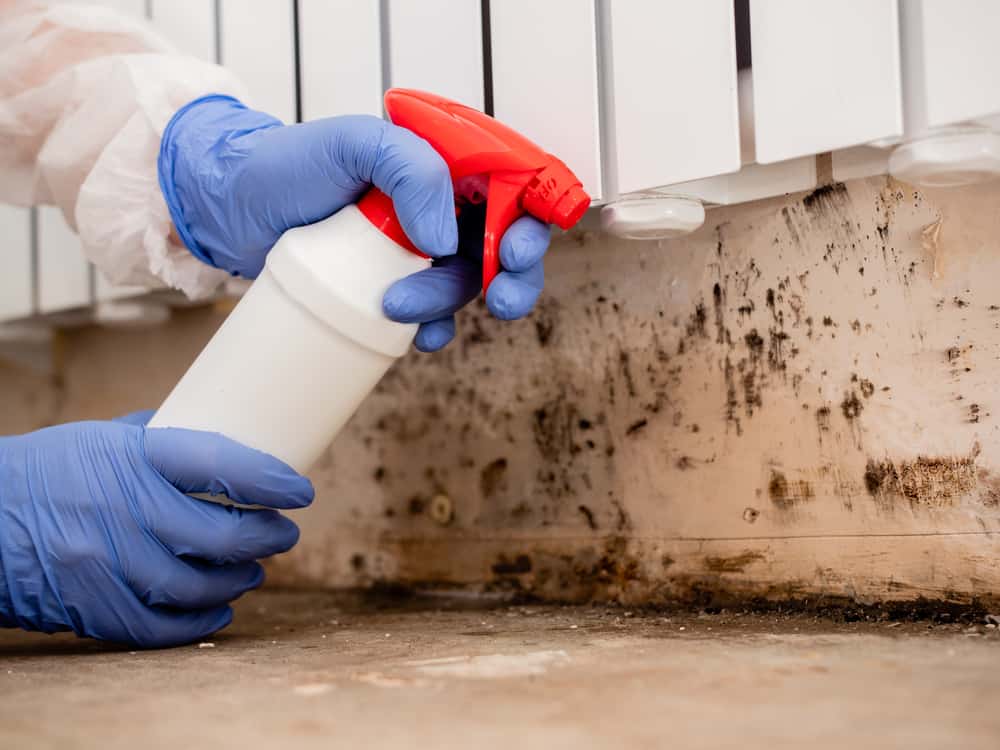
Residential Mold Detection Farmingdale NY
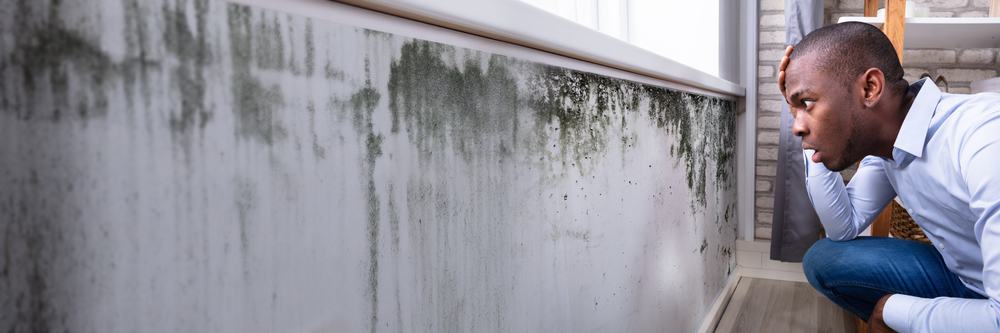
When a sump pump fails during a nor’easter, or a slow pipe leak goes unnoticed behind a plaster wall, the visible damage is usually the smallest part of the problem. Mold can start growing in as little as 24 to 48 hours, and in a post-war Farmingdale home with original plumbing, minimal vapor barriers, and decades of settling it rarely stays where you can see it.
We provide a professional mold inspection that gives you a clear, documented picture of what’s actually happening inside your home. Not a guess. Not a visual once-over. Air samples, surface swabs, and infrared imaging that finds moisture behind walls, inside attic insulation, and anywhere else water has traveled without your knowledge. You get a certified lab report with real findings the kind your insurance company, real estate attorney, or lender will actually accept.
For Farmingdale homeowners navigating a sale, dealing with a recent flood, or just noticing that musty smell in the basement that won’t go away, that documentation matters. It’s the difference between knowing and wondering and in a home worth over half a million dollars, wondering is a risk you don’t need to take.
Licensed Mold Inspection Company Farmingdale NY
First Response Restoration and Cleaning Inc. has been serving Long Island homeowners for 31 years, operating out of West Babylon just down Route 109 from Farmingdale. That’s not a coincidence. This area is home turf. The post-war housing stock in South Farmingdale, the older multi-unit buildings near the village, the basement flooding patterns that come with Nassau County’s high water table none of that is new to us.
Our owner holds a New York State Department of Labor license for both mold assessment and mold remediation under Article 32 of the NY Labor Law. Every technician on our staff is IICRC-certified. When someone shows up at your Farmingdale home, they are individually credentialed not just working under a company umbrella. We are fully licensed, bonded, and insured, and can take you from initial inspection all the way through remediation and full restoration without handing you off to anyone else.
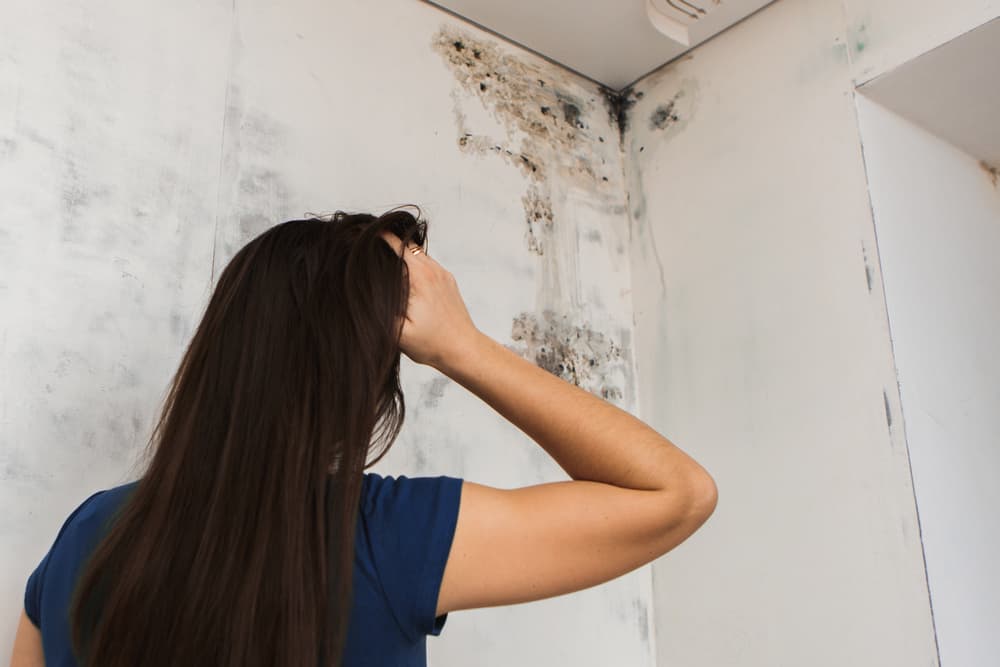
Mold Assessment Services Farmingdale NY
Our inspection starts with a full walkthrough of your property basement, attic, crawl spaces, bathrooms, and any area with known or suspected water history. In Farmingdale homes, that often means paying close attention to finished basements that have seen storm drain backups, attic spaces above older rooflines prone to ice damming, and bathroom tile surrounds in homes that have never had their original plumbing updated. These are the places moisture hides, and they’re the first places our trained eye goes.
From there, we collect air samples from inside the home and compare them against an outdoor baseline this is how we determine whether your indoor air quality is actually elevated, not just whether mold spores are present (they’re always present to some degree). We take surface swab samples from any visible growth or suspect areas. Infrared thermal imaging scans walls and ceilings for temperature differentials that indicate hidden moisture the kind that doesn’t show up until it’s already been feeding mold for months.
All samples go to a certified laboratory. When results come back, you receive a written report that includes species identification, spore concentration levels, and specific remediation recommendations. If remediation is needed, we handle that too same company, same accountability, no hand-offs.
Ready to get started?
Indoor Air Quality Testing for Mold Farmingdale NY
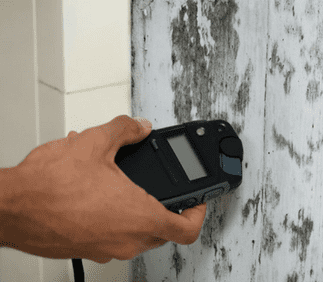
A lot of companies will walk through your home, take a look around, and hand you a verbal assessment. That’s not what we do. The mold inspection we perform in Farmingdale is a five-point diagnostic protocol: air testing, surface swab sampling, water intrusion inspection, moisture level measurement with calibrated meters, and infrared thermal imaging for hidden mold detection. Everything is documented photographically, and every sample is sent to a certified third-party laboratory.
The written report you receive at the end isn’t just a summary it’s a formal document that identifies mold species, quantifies spore concentrations, compares indoor air quality against outdoor baseline readings, and outlines exactly what remediation steps are recommended if any are needed. For Farmingdale homeowners dealing with a real estate transaction, an insurance claim after a basement flood, or a landlord-tenant dispute over habitability, that report carries real legal and financial weight.
Because we are licensed for both mold inspection and mold remediation under New York State’s Article 32 requirements, you’re not left holding a report and scrambling to find someone who can act on it. If remediation is needed whether it’s attic mold from ice dam damage, basement mold from storm flooding, or hidden growth behind walls in an older Farmingdale home our certified team handles it from start to finish.
How much does a mold inspection cost in Farmingdale, NY?
Mold inspection costs in Farmingdale typically fall between $300 and $1,000, depending on the size of the property and the scope of testing involved. The national average lands around $670, and that range holds reasonably well for Nassau County. What affects the number most is how many areas need to be sampled, whether infrared imaging is required, and how many lab samples are collected and analyzed.
It’s worth putting that number in context. Mold remediation if a problem goes undetected and spreads can run anywhere from $1,150 to $20,000 depending on severity and how much of the structure is affected. In Farmingdale, where the average home is worth over $500,000 and property taxes average $10,000 a year, catching a problem early with a thorough inspection is almost always the smarter financial move. A few hundred dollars now versus a five-figure remediation later is not a close call.
Do I need a licensed mold inspector in New York, or can anyone do it?
In New York State, mold assessment and mold remediation are legally regulated under Article 32 of the NY Labor Law. Since January 1, 2016, anyone performing mold work for compensation must hold a valid license issued by the NYS Department of Labor. This applies to work done anywhere in the state, including Farmingdale and throughout Nassau County. Hiring an unlicensed contractor isn’t just risky their findings carry no legal standing, and they can face fines of up to $10,000 per violation.
What this means practically is that if you’re getting a mold inspection for a real estate transaction, an insurance claim, or any kind of legal dispute, the report needs to come from a licensed mold assessor. A verbal opinion or a report from an unlicensed operator won’t be accepted by your insurance company, your lender, or your attorney. Always ask for the license number before anyone starts work a legitimate company will have it ready without hesitation.
Can mold really grow after basement flooding in a Farmingdale home?
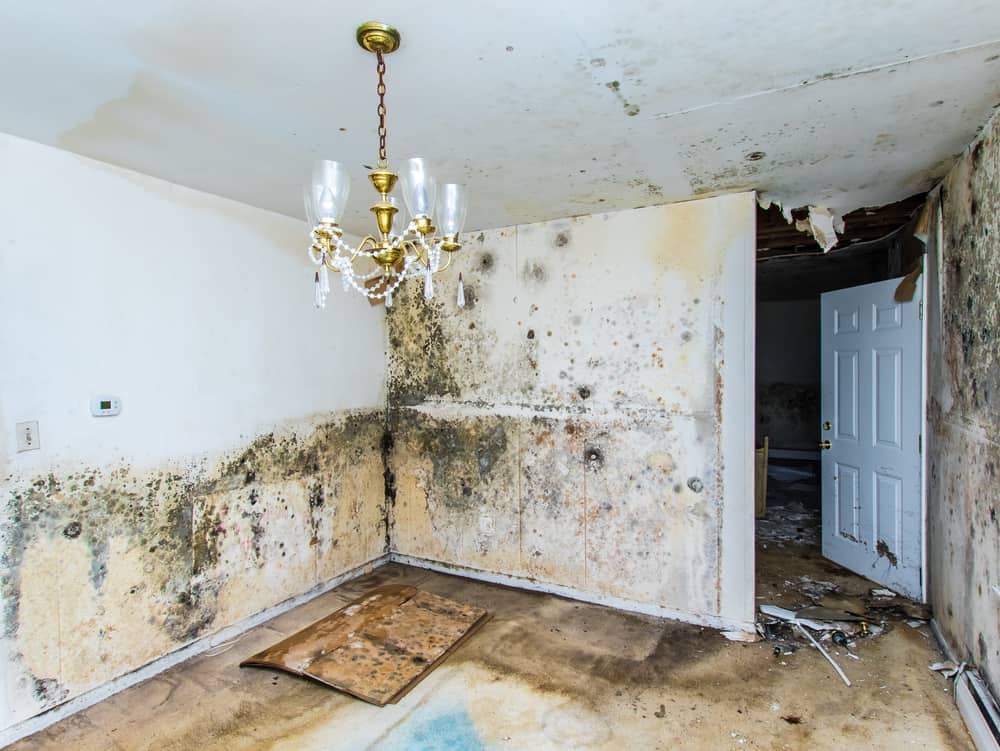
Yes and it happens faster than most people expect. Mold can begin colonizing within 24 to 48 hours when moisture is trapped in walls, flooring, insulation, or framing. In Farmingdale, basement flooding is a documented, recurring issue. Storm drain backups during heavy rains, sump pump failures during nor’easters, and ice dam water intrusion in the winter are all events that we deal with regularly. The problem is that many homeowners clean up the standing water and assume the job is done.
It isn’t. Water that seeps into plaster walls, original hardwood subfloors, or fiberglass insulation doesn’t just evaporate. It creates the sustained moisture environment that mold needs to grow and it does so invisibly. By the time you smell it or see it, the colony is already established. If your Farmingdale basement has flooded in the last 30 to 90 days and wasn’t professionally dried and inspected, getting a mold assessment now is the right call not a precaution, but a practical one.
What's the difference between mold inspection and mold testing in New York?
These terms get used interchangeably, but they’re not exactly the same thing. A mold inspection is a physical assessment of the property a trained professional walks the space, identifies visible growth, locates water intrusion sources, measures moisture levels, and uses tools like infrared cameras to find hidden problem areas. Mold testing refers specifically to the collection and laboratory analysis of samples air samples, surface swabs, or bulk material samples to identify what species are present and at what concentration.
A thorough mold inspection in Farmingdale should include both. The physical inspection tells you where the problem is and how it got there. The lab testing tells you what you’re dealing with and how serious it is. Some companies offer one without the other a visual-only inspection with no lab work, or a testing kit with no professional assessment of the source. Neither gives you the full picture. What you want is a documented, lab-backed report that covers both the physical findings and the air quality data, signed by a licensed NYS mold assessor.
Is mold inspection necessary when buying a home in Farmingdale, NY?
A standard home inspection will flag visible mold if it’s obvious, but it won’t find what’s hidden and in Farmingdale’s older housing stock, hidden is exactly where mold tends to be. Most homes in and around Farmingdale were built in the post-World War II era, which means original plumbing, minimal insulation behind walls, and basement foundations that predate modern waterproofing standards. These are conditions where moisture problems develop slowly and quietly over years.
Nassau County’s real estate market moves fast homes are selling in a median of 34 to 40 days. In that kind of environment, buyers sometimes skip additional inspections to keep pace. That’s a significant financial risk on a home worth $500,000 or more. A pre-purchase mold inspection gives you documented evidence of the home’s air quality and moisture history before you close. If something is found, you have leverage to negotiate. If nothing is found, you have peace of mind and a report to keep on file. Either way, you’re better off knowing.
How do I know if a mold inspection company in Farmingdale is actually qualified?
Start with the license. Under New York State law, any company performing mold assessment must be licensed by the NYS Department of Labor under Article 32. Ask for their license number and verify it on the NYS DOL website it takes about two minutes and tells you immediately whether you’re dealing with a legitimate operator. Beyond that, ask whether their technicians are individually IICRC-certified, or just whether the company holds a certification. There’s a difference between a company-level credential and a technician who has personally passed the coursework and testing.
You should also ask what the inspection actually includes. A walk-through with a flashlight is not a mold inspection. A real assessment includes air sampling, surface swabs, moisture measurements, infrared imaging for hidden growth, and a written lab report with species identification and remediation recommendations. If a company can’t describe their process in specific terms, that’s a signal. In a market like Farmingdale where homes are older, flood events are common, and properties change hands at high dollar values the difference between a thorough, licensed inspection and a surface-level look-around is not a small one.
Useful Links
Other Services we provide in Farmingdale