
Hear from Our Customers
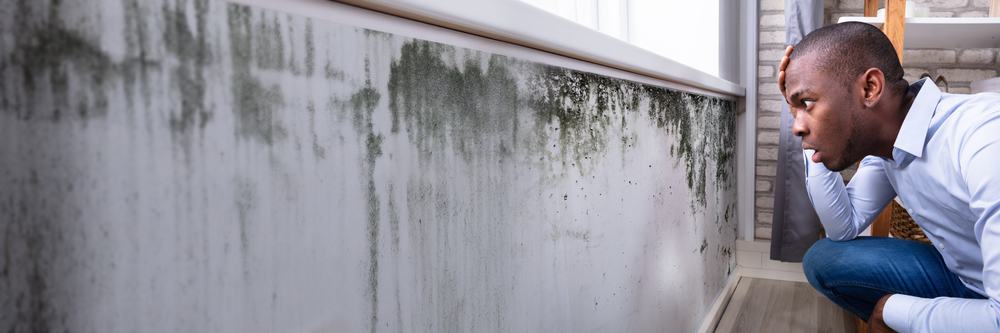
A mold inspection isn’t about scaring you — it’s about giving you a clear, documented answer so you can make a real decision. If you’ve noticed a musty smell in the basement, seen a dark spot near a window frame, or just had a water leak that you thought you handled, you deserve to know what’s actually there and what it means for your family.
Farmingville homes are particularly vulnerable. The majority of the housing stock here was built between the 1950s and 1970s, and those homes were constructed with materials and methods that don’t hold up well to moisture over time. Concrete block foundations, older insulation, aging plumbing — all of it creates conditions where mold can quietly establish itself for months before anyone notices. Add in the drainage patterns created by Farmingville’s position on the Ronkonkoma Moraine, where clay-heavy soil slows water movement and creates pressure against older basement walls, and you’ve got a setup that makes professional moisture assessment genuinely worth doing.
With median home values in Farmingville now approaching $630,000, the cost of ignoring a mold problem isn’t just a health risk — it’s a financial one. Unaddressed mold can reduce a property’s value by 20 to 37 percent and derail a sale entirely. A thorough mold inspection gives you the facts before the problem gets bigger, the remediation gets more expensive, or a buyer’s inspector finds it first.
We’ve been operating in Suffolk County since before most of the mold inspection companies you’ll find online even existed. Our founder, Richard Peterson, established First Response Restoration and Cleaning Inc. over three decades ago, and in that time we’ve worked in virtually every type of Long Island home — including the ranches, split-levels, and colonials that define Farmingville’s neighborhoods from Granny Road to the corridors near LIE Exit 63.
We hold New York State licenses for both mold assessment and mold remediation — both legally required since 2016, and both verifiable through the NY Department of Labor’s public search tool. Every technician who walks into your home carries IICRC certification individually, not just our company on paper. That matters because the person doing the work is the one who needs to know what they’re doing.
If mold is found and remediation is needed, you don’t have to start over with a new contractor. We handle the full scope — inspection, remediation, and reconstruction if necessary — under one roof, with one point of contact, and full insurance documentation support throughout.
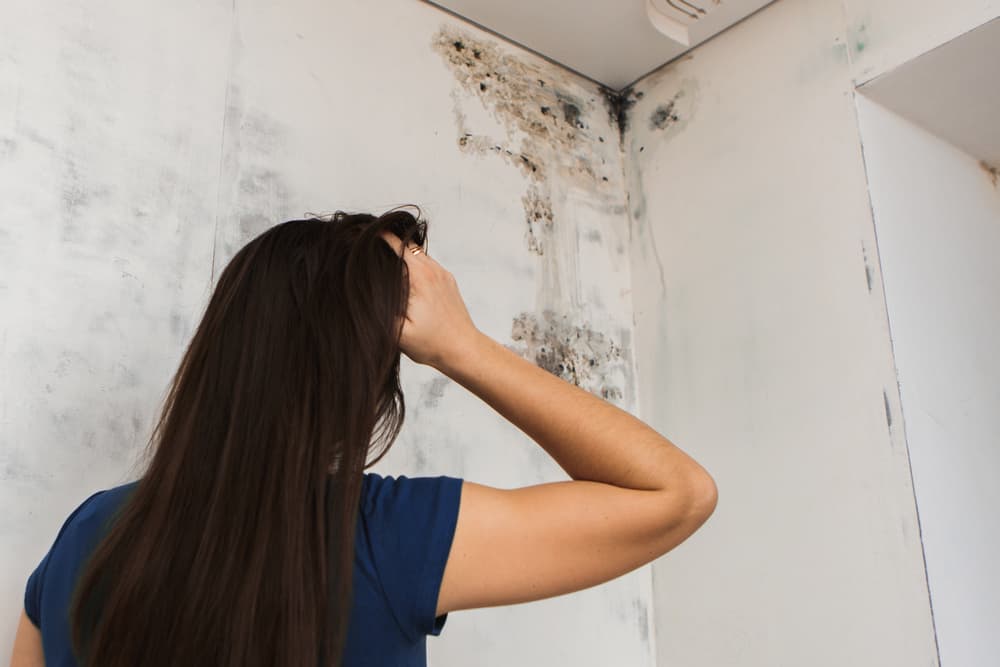
The inspection starts before any samples are collected. Our technician does a full walkthrough of the property — basement, attic, crawl spaces, HVAC areas, and any rooms where moisture has been a concern. In Farmingville homes built in the 1960s and 70s, that walkthrough often reveals conditions that a newer home simply wouldn’t have: aging block foundation walls, original attic insulation, and plumbing that’s well past its expected service life. Knowing what we’re walking into shapes how the rest of the inspection is conducted.
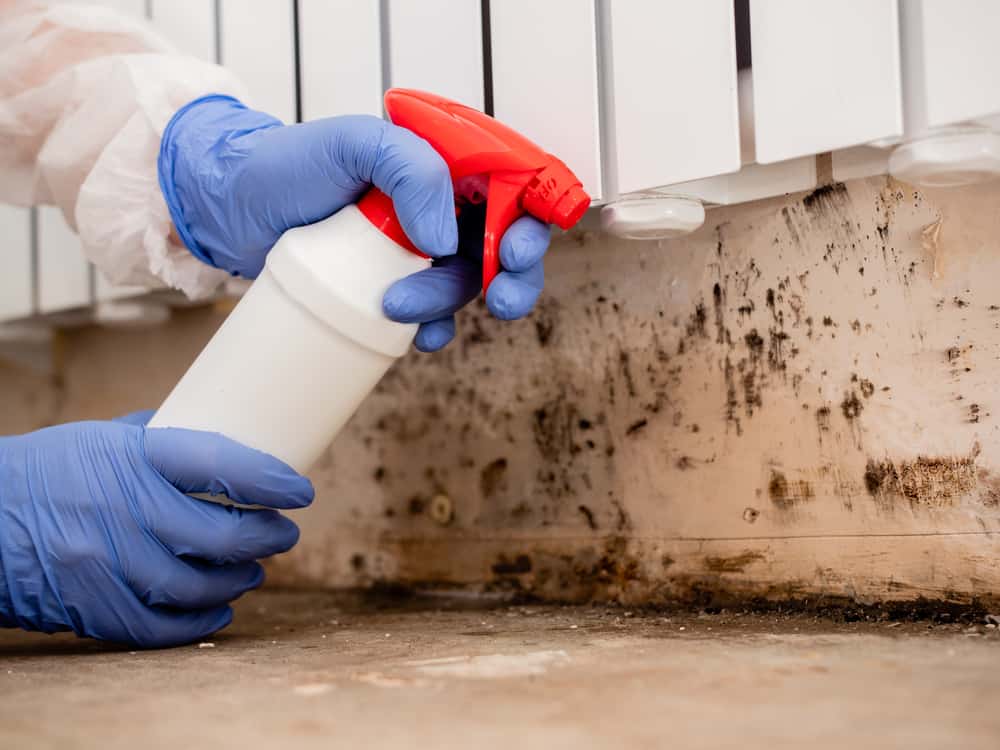
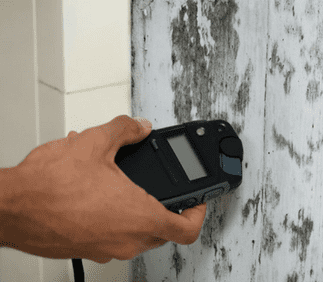
From there, we collect air samples to measure airborne spore concentrations and swab samples from any visible surface growth for species identification. Moisture meters are used throughout the property to map where readings are elevated, even in areas that look dry to the eye. Infrared thermal imaging is used to detect temperature differentials inside wall cavities and beneath flooring — the kind of hidden moisture that visual inspection alone would completely miss. All samples go to an accredited laboratory for analysis.
New York State requires that mold assessors and remediators hold separate state-issued licenses — and under state law, the same company cannot perform both the assessment and the remediation on the same job without proper disclosure. We’re licensed for both and handle this transparently. Once the lab results are back, you receive a written report in plain language: what was found, where it was found, what the concentrations mean, and exactly what the recommended next steps are.
Ready to get started?
A lot of companies offer mold inspections. Fewer of them tell you upfront what’s actually included. Here’s what our mold inspection in Farmingville covers: air sampling for airborne spore concentrations, surface swab sampling for species identification, moisture level measurement throughout the property, a water intrusion inspection to locate the source driving any growth, and full photographic documentation of every area of concern. That documentation matters — especially if you’re dealing with an insurance claim after a burst pipe or basement flood, which is one of the more common scenarios in Farmingville homes during and after winter.
The inspection also includes an internal-to-external air comparison, meaning we establish what the outdoor mold environment looks like before interpreting what’s elevated indoors. Infrared thermal imaging is used to detect hidden moisture behind walls and under flooring — a critical step in a housing stock where 50-year-old materials have had decades to absorb and retain water in ways that aren’t visible on the surface.
For Farmingville homeowners in the middle of a real estate transaction, the written report we produce meets the documentation standard that buyers, sellers, attorneys, and insurance adjusters actually need. It’s not a verbal summary — it’s a full written record of lab results, findings, and specific remediation recommendations that holds up when it needs to.
Yes, and there are specific reasons for it that go beyond general age. Homes built in Farmingville during that era were constructed with concrete block foundations, which are inherently more porous than poured concrete and allow lateral moisture infiltration over time. The insulation used in wall cavities and attics during that period — typically fiberglass batt — is an effective mold substrate once it gets wet and stays wet.
Farmingville’s location on the Ronkonkoma Moraine adds another layer. The moraine’s soil composition is a mix of clay, silt, and sand that creates uneven drainage behavior. In clay-heavy areas, water doesn’t drain quickly, which means it sits against foundation walls and creates sustained hydrostatic pressure. That combination — older porous foundations and slow-draining soil — is one of the more consistent setups for basement mold that we see in this part of Brookhaven Town. If your home was built before 1980 and you haven’t had a professional moisture assessment, it’s worth knowing what’s actually there.
The cost of a professional mold inspection in Farmingville typically falls somewhere between $300 and $700 for a standard residential property, though the final number depends on the size of the home, the number of samples collected, and whether additional testing — like infrared thermal imaging or extended lab analysis — is needed. Larger homes or properties with multiple areas of concern will generally be on the higher end of that range.
It’s worth putting that number in context. With Farmingville home values currently averaging around $630,000, a mold inspection represents a fraction of one percent of your property’s value. Undetected mold that surfaces during a buyer’s inspection can kill a sale or force a significant price reduction. Mold that’s been growing unchecked for years in a basement or attic can require remediation costs that run several times what an early inspection would have cost. The inspection is almost always the cheapest part of the problem — the question is whether you find out early or late.
These are two distinct services, and in New York State they’re legally separated for a reason. A mold inspection — also called a mold assessment — is the investigative phase. A licensed mold assessor collects samples, measures moisture levels, and produces a written report identifying what’s present and what needs to be addressed. Mold remediation is the physical removal and treatment work that follows a confirmed mold finding.
New York State law, which went into effect on January 1, 2016, requires that mold assessors and mold remediators hold separate state-issued licenses from the Department of Labor. The law also includes disclosure requirements when the same company performs both services on the same project. We hold both licenses and handle this transparently — you’ll know exactly what role we’re playing at each stage of the process. Before hiring any mold company in Farmingville, you can verify their license status through the NY DOL’s online contractor search tool. If a company can’t provide verifiable license numbers for both services, that’s a problem.
A standard home inspection doesn’t include mold testing — it may flag visible moisture or staining, but it won’t tell you what’s in the air, what’s behind the walls, or whether spore concentrations are elevated. If you’re buying a home in Farmingville, especially one built before 1980, a dedicated mold inspection is a reasonable step that a general inspection simply doesn’t replace.
The practical case for it is straightforward. A home in Farmingville at current market prices is a significant financial commitment. If mold is present — particularly in a basement that’s been dealing with moisture from the Ronkonkoma Moraine’s drainage patterns, or in an attic with original insulation that’s absorbed years of condensation — you want to know before closing, not after. The findings can inform your negotiation, your remediation budget, and your decision about whether to proceed. A written lab report from a licensed mold assessor also gives you documentation that holds up if the issue needs to be addressed as part of the transaction.
The most common triggers are a persistent musty odor — especially in the basement or a room that doesn’t get much airflow — visible dark spotting on walls, ceilings, or around window frames, and unexplained respiratory symptoms in someone in the household that seem to improve when they leave the house.
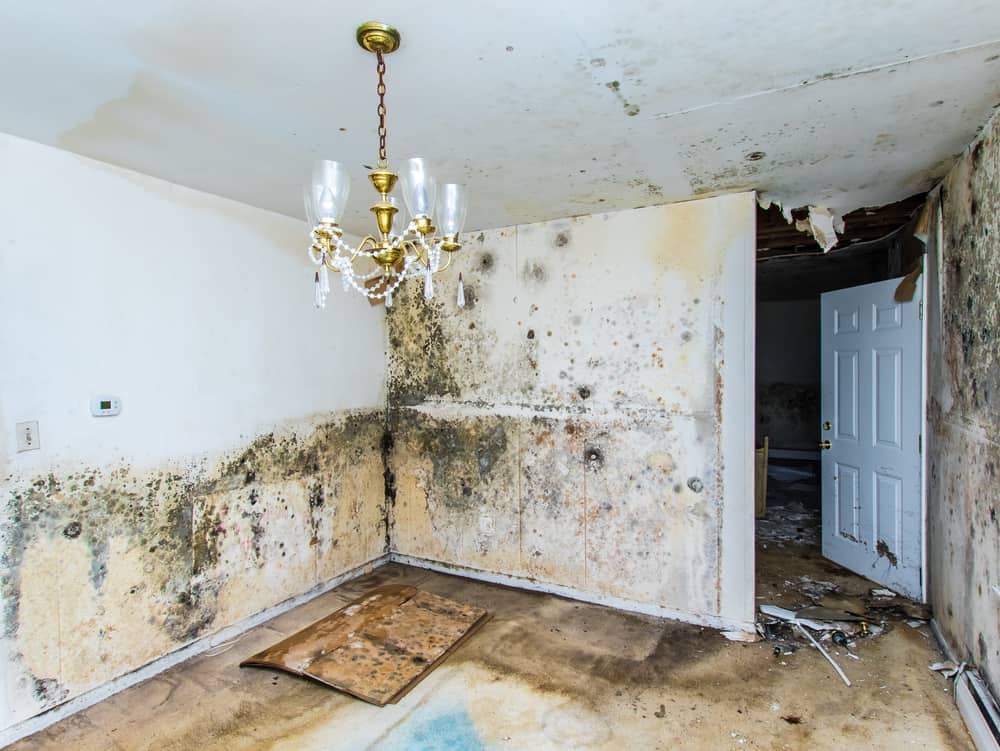
Beyond the obvious signs, there are situational triggers that are worth taking seriously in Farmingville specifically. If your home had a water intrusion event — a burst pipe over winter, a basement flood after a heavy storm, or a roof leak that wasn’t caught quickly — mold can begin developing within 24 to 48 hours of moisture exposure. Suffolk County, including Farmingville, saw significant storm-related flooding events in 2024, and many homeowners who thought they dried things out adequately are now dealing with mold that established itself in wall cavities and subflooring before conditions were fully under control. If you had water in your home in the last 12 months and didn’t have a professional moisture assessment afterward, that’s a reasonable reason to schedule one now.
Yes — and for most Farmingville homeowners, that matters more than it might seem upfront. When mold is confirmed through lab results, the last thing you want is to start over with a new contractor, re-explain the findings, and coordinate schedules between an inspector and a separate remediation crew. We’re licensed for both mold assessment and mold remediation under New York State law, and if the scope of damage requires it, we also handle full property reconstruction — replacing drywall, insulation, or structural framing that mold has compromised.
In older Farmingville homes, remediation often does go beyond surface treatment. When mold has had years to work its way into porous materials like concrete block, wood framing, or original fiberglass insulation, containment and removal require more than a spray-down. We also manage insurance documentation and communication throughout the process, which is relevant for any homeowner whose mold discovery follows a covered water damage event. One licensed team, one point of contact, and a process that goes from initial inspection through final clearance testing — that’s the practical value of working with a company that’s been doing this in Suffolk County for over 30 years.
Useful Links
Other Services we provide in Farmingville