

Hear from Our Customers

Most mold problems in Flower Hill don’t start with a visible patch on the ceiling. They start with a slow pipe leak behind a bathroom wall, a clogged gutter dumping water against a foundation, or a basement that never quite dried out after a nor’easter overwhelmed the sump pump. By the time you smell something, it’s usually been growing for weeks — sometimes months. A professional mold inspection gives you a clear, documented answer: what’s there, where it is, and how serious it actually is.
Flower Hill’s housing stock — primarily Colonials and Tudor Revivals built between the 1930s and 1970s — was constructed long before modern vapor barriers and ventilation standards existed. Those homes hold moisture in ways newer construction doesn’t. Add the mature tree canopy that earned this village its Tree City USA designation, and you’ve got gutters that clog fast, fascias that stay wet, and attic spaces that quietly develop mold season after season without anyone noticing until a home inspector flags it.
The elevation variation across Flower Hill makes this even more layered. Homes near Hempstead Harbor sit at or near sea level, where groundwater pressure and tidal humidity are constant factors. Properties on the higher ridges near the Roslyn section deal with different drainage patterns and condensation issues. Wherever your home sits in Flower Hill, a thorough inspection accounts for all of it — and gives you something you can actually use: a lab-backed report that tells the full story.
We’ve been serving Nassau and Suffolk County homeowners for 31 years. That means our technicians have worked in hundreds of homes just like yours across the North Shore, including the older Colonials and Tudors that make up most of Flower Hill’s residential neighborhoods. We know what these homes look like inside, where moisture tends to hide, and what the lab results usually mean.
Every technician on our team is IICRC-certified — not just the owner, not just the person who answers the phone. The person walking through your Flower Hill home, collecting samples, and operating the infrared camera holds the same credentials as the company’s owner. We’re also fully licensed by the New York State Department of Labor under Article 32 of the Labor Law, which has required mold assessor and remediator licensing since 2016. That license, combined with 31 years of local experience, is what separates a real inspection from a guess.
We serve all of Nassau County through a dedicated local line — 516-698-1776 — and we’re available 24 hours a day, seven days a week.
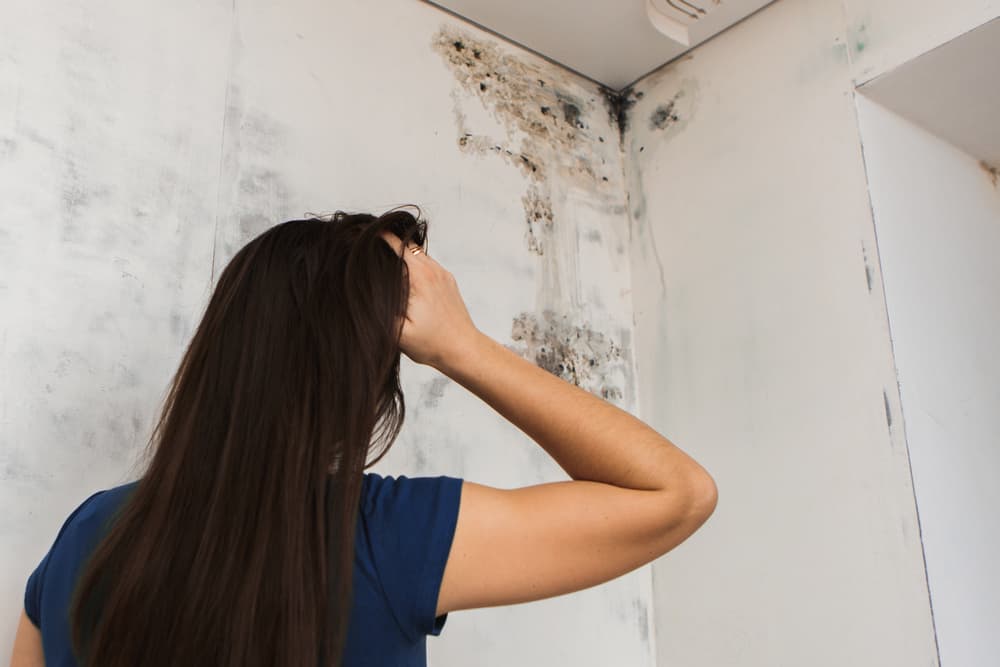
When we arrive at your Flower Hill home, the first thing we do is a full walkthrough — not a quick scan, but a deliberate, room-by-room assessment. We’re looking at moisture levels in walls and ceilings, checking attic and basement conditions, and identifying any signs of past or current water intrusion. In homes built between the 1930s and 1970s, like the majority of Flower Hill’s housing stock, we pay particular attention to areas that older construction methods left vulnerable: uninsulated attic rafters, basement walls without waterproofing, and crawlspaces that were never designed with today’s moisture standards in mind.
From there, we collect air samples and surface swab samples depending on what the walkthrough reveals. We also use infrared thermal imaging to detect temperature differentials inside wall cavities and under flooring — areas where moisture hides long before mold becomes visible. This matters in Flower Hill specifically because the village’s mature tree canopy means clogged gutters and roof moisture are common, and water can travel a long way inside a wall before it shows up as a stain.
Every sample goes to a certified laboratory. When results come back, you get a written report that includes species identification, spore concentration levels, moisture readings, photographs, and specific recommended next steps. If your inspection is connected to a real estate transaction — which is common at Flower Hill’s price points — that report is formatted to satisfy what real estate attorneys, mortgage underwriters, and insurance companies actually need to see.
Ready to get started?
Our mold inspection is a five-point process: air sampling, surface swab sampling, water intrusion inspection, moisture level measurement, and infrared thermal imaging for hidden mold detection. Every step is documented. Every sample is sent to a certified lab. The written report you receive at the end isn’t a summary — it’s a complete record of what was found, where it was found, what species were identified, and what the spore concentrations mean relative to outdoor baseline levels.
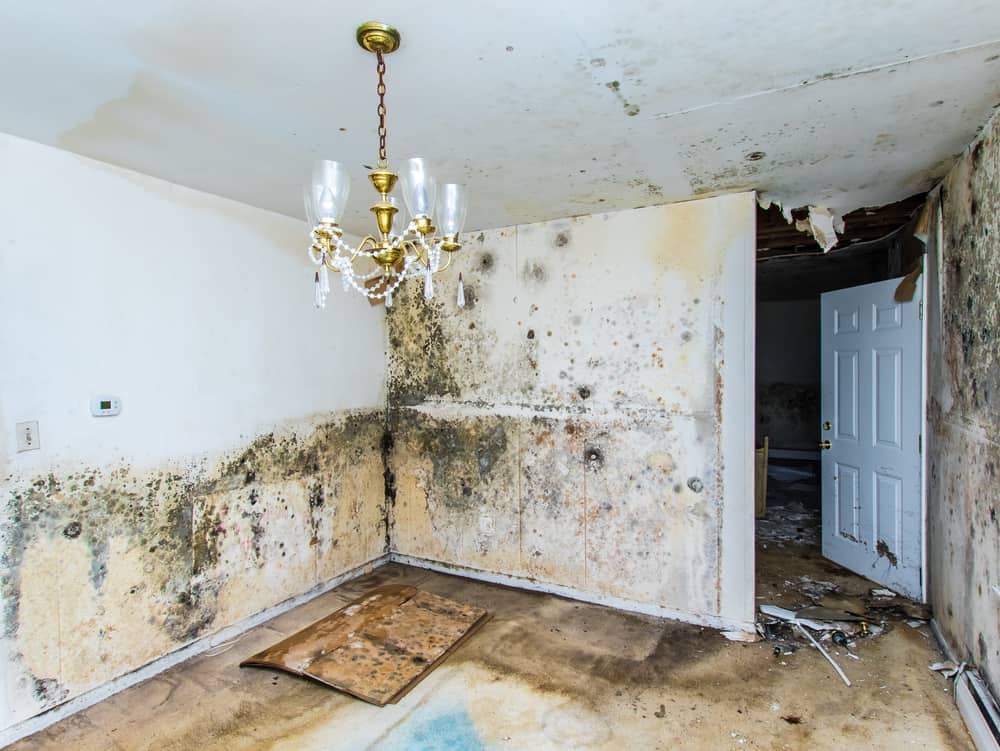
For Flower Hill homeowners dealing with a water damage event — a burst pipe, a failed sump pump after a storm, an ice dam that drove water under the roof deck — we document the moisture source alongside the mold findings. That documentation matters when you’re filing a homeowners insurance claim, because insurers require evidence of the originating event, not just the mold itself. Nassau County’s coastal storm patterns mean these events happen more often than people expect, and having the right paperwork from the start makes a real difference in how a claim gets processed.
If black mold or toxic mold species are identified in the lab results, we walk you through exactly what that means and what remediation would involve. We do both inspection and remediation, which means you’re not managing two separate companies or waiting for a second assessment before work can begin. The inspection findings drive the remediation scope — and because our reputation depends on accurate assessments, you get an honest read, not an inflated one.
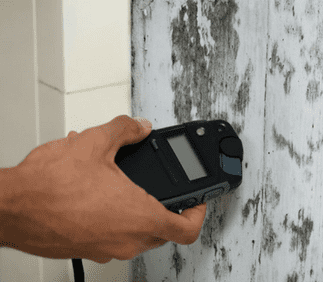
If you’re noticing a musty smell, finding discoloration on walls or ceilings, dealing with a persistent moisture problem, or going through a real estate transaction, then yes — a professional inspection is worth doing. Store-bought test kits can confirm that mold spores exist in the air, but they can’t tell you what species you’re dealing with, how concentrated the problem is, or where it’s coming from. That information matters, especially in Flower Hill’s older Colonial and Tudor homes, where mold can establish itself inside wall cavities and attic spaces for months before it becomes visible.
The other reason to get a professional inspection rather than waiting it out: Flower Hill’s housing stock is valuable. Homes in this village regularly sell well above $1 million. A mold problem that goes unaddressed doesn’t stay contained — it spreads, it damages materials, and it shows up on home inspections at the worst possible time. A certified inspection gives you a documented baseline that you can act on now, rather than a surprise during a sale or a claim.
Professional mold inspections typically run between $300 and $1,000 depending on the size of the home, the number of samples collected, and whether infrared thermal imaging is included. For Flower Hill’s larger Colonial and Tudor homes — many of which exceed 3,000 to 5,000 square feet — expect to be toward the middle or upper end of that range, because a thorough inspection of a large home with multiple levels, a finished basement, and attic space takes more time and more samples than a smaller property.
What’s worth understanding is what you’re paying for. A certified inspection includes lab analysis, species identification, spore concentration data, moisture readings, and a written report — not a verbal opinion. That report is what your real estate attorney, insurance adjuster, or lender will actually ask to see. Paying for a cheaper, undocumented assessment and then needing to redo it with a licensed assessor later ends up costing more. Getting it done right the first time, with a NYS DOL-licensed assessor and certified lab results, is the more cost-effective path.
These terms get used interchangeably, but they describe different scopes of work. Mold testing typically refers to collecting air or surface samples and sending them to a lab — it tells you whether mold is present and in what concentration. A full mold inspection includes testing, but also involves a physical walkthrough of the property, moisture readings, identification of water intrusion sources, infrared imaging for hidden moisture, and a written report that connects all of those findings into a complete picture.
In New York State, both mold assessors and mold remediators are required to hold a valid NYS Department of Labor license under Article 32 of the Labor Law. This has been in effect since 2016, and enforcement has been increasing. If someone offers you mold testing without being able to confirm their NYS DOL mold assessor license, that’s a problem — not just legally, but practically, because their findings won’t hold up with an insurance company or in a real estate transaction. Always ask for the license number before booking.
Absolutely — and this is one of the most common misconceptions we run into. Mold doesn’t need a visibly neglected home to thrive. It needs moisture, a surface to grow on, and enough time. In Flower Hill’s older Colonials and Tudors, those conditions exist in places you rarely look: inside attic insulation, behind finished basement walls, under bathroom subfloors, and inside wall cavities near exterior windows. A home can look immaculate from every room and still have an active mold colony growing inside a wall that’s been slowly absorbing moisture from a hairline pipe leak or a compromised roof flashing.
The village’s Tree City USA designation — earned for its dense, mature tree canopy — actually contributes to this. Large trees mean heavy leaf accumulation in gutters, which means gutters overflow, which means water runs down fascias and into soffits and attic edges. That process happens slowly enough that most homeowners don’t notice it until there’s visible damage. An infrared inspection can detect the moisture before it becomes a visible problem, which is exactly why that technology is part of every inspection we do.
For a typical Flower Hill home — a Colonial or Tudor Revival in the 2,500 to 5,000 square foot range — plan on two to three hours for the inspection itself. Larger homes or properties with extensive finished basements, multiple attic sections, or crawlspaces may run longer. The physical inspection includes the full walkthrough, moisture readings throughout the home, infrared thermal imaging of suspect areas, and sample collection. Rushing any part of that process means missing things, and missing things in a home this size and value is not an acceptable outcome.
After the inspection, samples go to a certified laboratory. Turnaround time for lab results is typically two to five business days, after which you receive your written report. If your inspection is time-sensitive — connected to a real estate transaction or an insurance claim — let us know when you book and we’ll work with the lab to expedite results where possible. We understand that deals have deadlines, and we’ve handled enough North Shore real estate inspections to know how to move efficiently without cutting corners.
Yes — and we understand why some homeowners have questions about that. The concern is reasonable: if the same company does both the inspection and the remediation, what’s stopping them from finding problems that aren’t really there? It’s a fair thing to think about, and we’d rather address it directly than pretend the question doesn’t exist.
Here’s the honest answer: our 31-year reputation in Nassau County is built entirely on accurate assessments. Every remediation job we do gets measured against the inspection findings that preceded it. If we inflate a finding to sell a bigger remediation scope, that inconsistency surfaces — in the follow-up air clearance testing, in conversations with insurance adjusters, and in the trust of homeowners who refer neighbors and family members to us. An honest inspection is the foundation of everything we do, not a liability to manage. The lab results don’t lie, and we don’t interpret them to say something they don’t. What the findings show is what we report — and what we remediate is what actually needs to be addressed.
Useful Links
Other Services we provide in Flower Hill