
Mold Inspection in Garden City Park, NY
When Garden City Park's Water Table Comes Indoors, You Need Real Answers

Hear from Our Customers
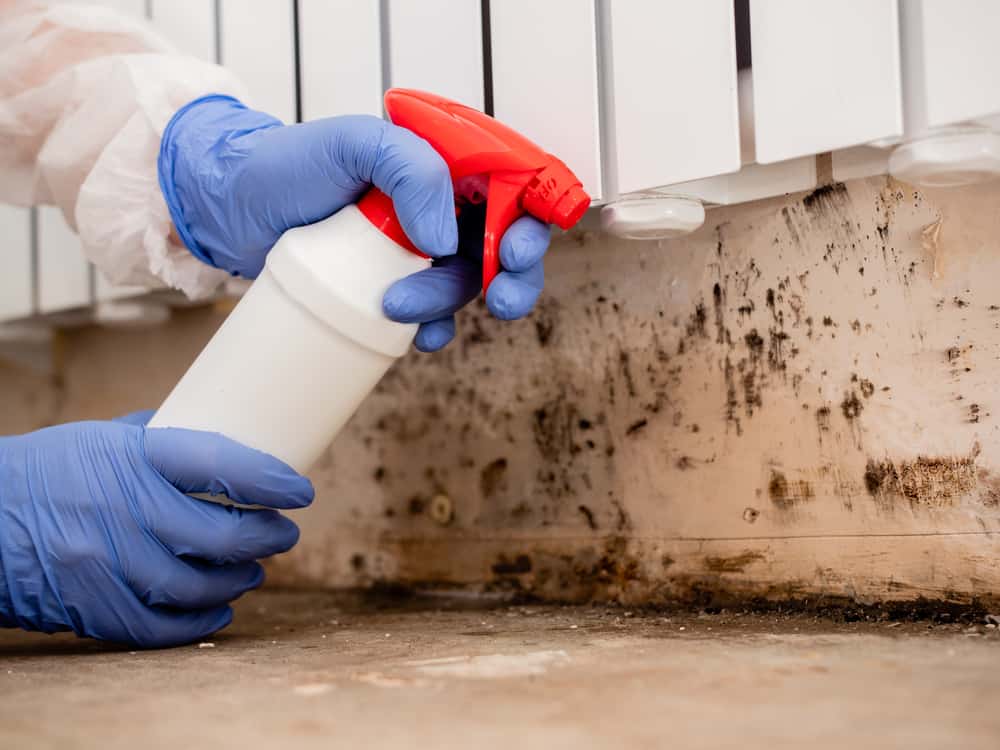
Residential Mold Detection Services, Nassau County
Most Garden City Park homeowners don’t call about mold because they can see it. They call because something feels off a smell in the basement after a wet spring, a kid with recurring congestion, a water stain that dried but never really went away. The problem with waiting is that mold doesn’t wait with you. In a community where the water table sits high and post-war homes are the norm, moisture finds its way in quietly and settles into wall cavities, insulation, and subflooring long before it shows up on a surface.
Once you have a certified inspection with actual lab results, the picture changes. You’re not guessing anymore. You know exactly what’s present, where it is, what species you’re dealing with, and what needs to happen next. For families in Garden City Park who chose this community specifically for its schools and its stability, that kind of clarity isn’t just peace of mind it’s protection for the people living inside the home.
And if you’re buying or selling, a written lab-backed report carries real weight. It’s what insurance adjusters accept, what real estate attorneys rely on, and what gives your transaction a foundation that a verbal walkthrough simply can’t provide.
Licensed Mold Inspection Company, Garden City Park NY
First Response Restoration and Cleaning Inc. has been serving Nassau and Suffolk County homeowners for over 31 years. That’s not a number we throw around lightly it means our team has walked through thousands of Long Island homes, including homes right here in the 11040 zip code, and we understand exactly how moisture behaves in Garden City Park’s housing stock.
We hold all required licenses under Article 32 of the New York State Labor Law, which has governed mold assessment and remediation in Nassau County since 2016. Every technician is IICRC-certified not just the owner, not just management, but the person who actually shows up at your door. We’re also fully licensed, bonded, and insured, so you’re covered from the moment we arrive.
When you call our Nassau County line at 516-698-1776, you’re reaching a team that already knows the difference between a home near Jericho Turnpike and one tucked north of Hillside Avenue and why that matters when it comes to moisture risk in Garden City Park specifically.
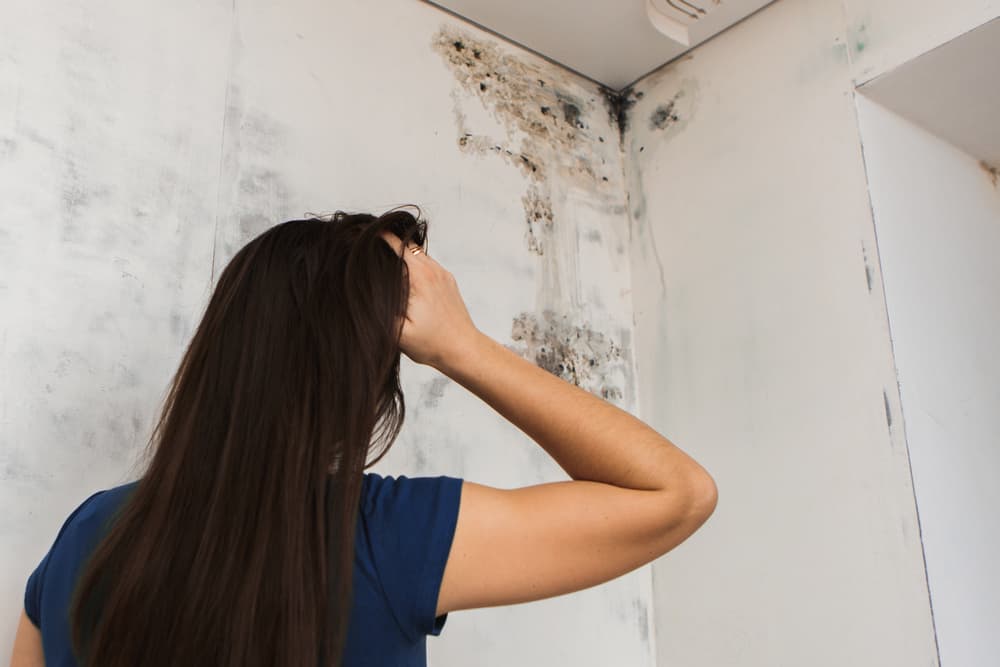
How Our Mold Assessment Process Works, Nassau County
When we arrive at your Garden City Park home, we’re not doing a visual sweep and calling it done. The inspection follows a documented five-point protocol that’s built to find mold where it actually hides not just where it’s visible.
We start with air testing and surface swab sampling, then move into a full moisture and water intrusion inspection using calibrated meters and infrared scanning technology. That infrared step matters more than most people realize. In Garden City Park’s older housing stock, moisture from the high water table or a past flooding event doesn’t stay on the surface it migrates into wall cavities, behind tile, and under flooring. Infrared lets us see temperature differentials that indicate hidden moisture without tearing anything apart.
All samples go to a certified third-party laboratory. When the results come back, we compare indoor air particle counts against outdoor baseline levels because elevated indoor spore counts only mean something when measured against what’s naturally present outside. You receive a written report with the lab documentation, photographs, moisture readings, and specific next steps. It’s the kind of documentation that holds up with your insurance company, your real estate attorney, and your family’s doctor.
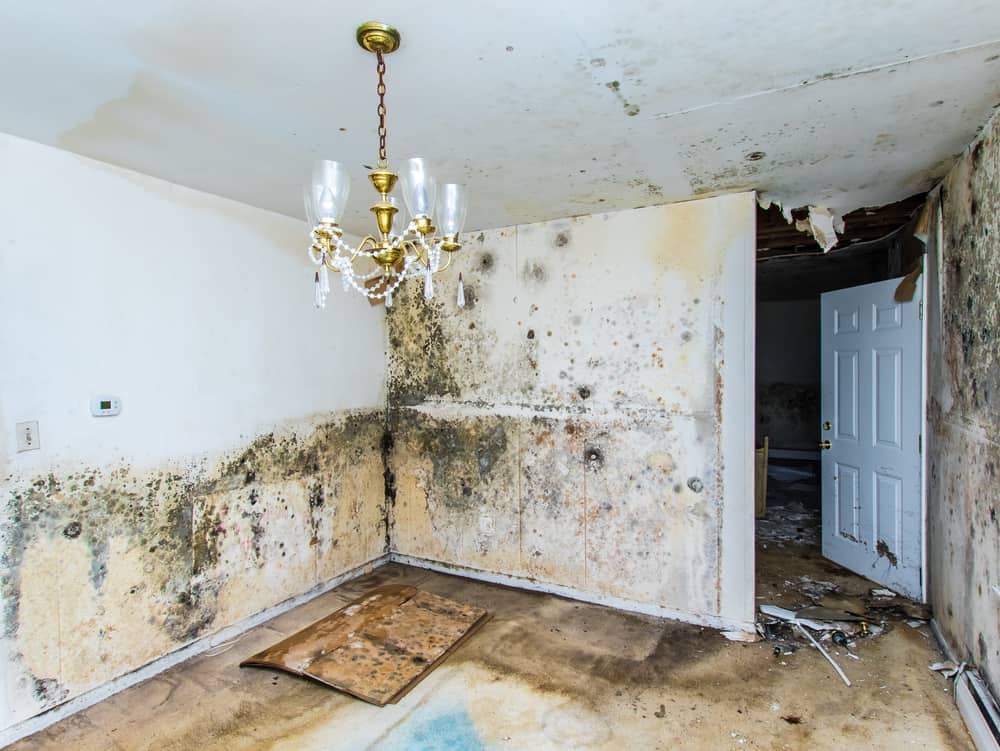
Ready to get started?
Mold Testing and Indoor Air Quality Services, Garden City Park
A mold inspection in Garden City Park, NY from First Response covers the full picture. That means air testing, surface swab sampling, infrared scanning for hidden moisture, water intrusion assessment, and a certified lab analysis all compiled into a written report you can actually use. We inspect the areas that matter most in homes like yours: basements that see hydrostatic pressure from the area’s high water table, attics where decades of condensation cycles have worn down insulation and ventilation, and bathrooms and kitchens where aging tile and grout quietly hold moisture behind the surface.
We also handle the documentation side of things correctly from the start. If you’re dealing with a water damage event a flooded basement after a nor’easter, a burst pipe, a slow roof leak we know how to produce the specific documentation that insurance adjusters need to process a claim. That includes photographs of mold sources, moisture level readings, species identification from the lab, and a written assessment that traces the mold back to the original water intrusion event.
And if remediation is needed after the inspection, we handle that too. No hand-off to a second company, no starting the conversation over. One team, one process, from the first air sample to the final clearance test.
Does Garden City Park's high water table really increase my risk of basement mold?
Yes, and it’s one of the most consistent mold risk factors we see in Garden City Park specifically. The area sits in a part of Nassau County where the water table is high enough that basement walls and floor slabs can absorb moisture through hydrostatic pressure even when there’s been no obvious flooding event. The water doesn’t need to pour in visibly to create a problem. It seeps through slowly, saturates concrete block or poured foundation walls, and creates the sustained dampness that mold needs to establish itself.
What makes this particularly tricky is that the moisture often migrates well beyond the foundation wall before it becomes visible. By the time you notice a smell or see discoloration, mold may already be present inside wall cavities or beneath flooring. That’s exactly why our inspection uses infrared scanning and calibrated moisture meters rather than relying on a visual check alone. In a home where the ground itself is a moisture source, surface-level inspections miss the point entirely.
How much does a professional mold inspection typically cost in Nassau County, NY?
For a standard residential mold inspection in Nassau County, you’re generally looking at a range of $300 to $700 depending on the size of the home and the scope of the inspection. Larger homes, or inspections that require more extensive sampling multiple rooms, attic and basement combined, or post-flooding assessments can run higher. What matters most is understanding what’s included in that price, because a low-cost inspection that skips lab analysis or infrared scanning isn’t really protecting you.
In Garden City Park, where median home values are approaching $900,000, the cost of a thorough inspection is a small fraction of what’s at stake. A written lab report that accurately documents your home’s mold status can support an insurance claim, protect a real estate transaction, or simply give you the documented baseline you need to make an informed decision. Cutting corners on the inspection itself is where homeowners end up spending far more later.
What's the difference between mold inspection and mold testing are they the same thing?
They’re related but not the same, and the distinction matters when you’re trying to figure out what you actually need. A mold inspection is the broader process it includes a physical assessment of the property, moisture readings, infrared scanning, identification of water intrusion points, and a professional evaluation of conditions that could support mold growth. Mold testing specifically refers to the collection and lab analysis of air or surface samples to identify mold species and measure spore concentrations.
A proper mold inspection should include testing as part of the process not as an add-on. The inspection tells you where to look and what conditions exist; the lab results tell you what’s actually present and at what levels. When we inspect a home in Garden City Park, both components are included. You don’t get a walkthrough without lab results, and you don’t get lab results without the physical assessment that gives those results context. The combination is what produces a report that’s actually useful.
How do I know if I need a mold inspection after my Garden City Park basement flooded?
If your basement took on water even once, even briefly a professional mold inspection is worth doing within the first few weeks after the event. Mold can begin establishing itself in as little as 24 to 48 hours in the right conditions, and a basement that appears dry on the surface may still have elevated moisture levels inside wall cavities, beneath flooring, or in insulation. In Garden City Park, where basements frequently deal with water intrusion from the area’s high water table and seasonal storm events, this isn’t a rare scenario it’s a recurring one.
The inspection matters even if you dried everything out quickly. Thorough drying reduces the risk, but it doesn’t guarantee that moisture didn’t migrate into areas that weren’t directly addressed. Our infrared scanning and moisture meter readings can tell you definitively whether residual moisture is still present at levels that could support mold growth. That gives you an honest answer rather than a hopeful assumption, and it gives you the documentation you need if an insurance claim is involved.
Can mold grow in my attic, and how would I even know if it did?
Attic mold is one of the most common and most overlooked problems in Garden City Park’s post-war housing stock. Homes built in the 1940s through 1960s which make up a significant portion of the residential inventory here often have attic spaces with aging or inadequate ventilation. When warm, humid interior air rises and meets a cold roof deck in winter, or when summer heat and humidity create sustained temperature differentials, condensation forms on the underside of the roof sheathing. Over time, that repeated moisture exposure creates ideal conditions for mold growth.
Most homeowners never go into their attic, which is exactly why this type of mold can go undetected for years. You might notice a musty smell in upper-floor rooms, or you might notice nothing at all until a home inspector flags it during a sale. Our attic mold inspection includes a physical assessment of the space, moisture readings at the roof deck and insulation, and air sampling to determine whether elevated spore levels are present. If mold is there, the report will document it clearly and outline exactly what needs to happen next.
Is mold inspection required by law in New York before selling or buying a home?
New York State doesn’t legally require a mold inspection as part of every real estate transaction, but what it does require is that any mold assessment or remediation work performed in the state is carried out by a licensed professional under Article 32 of the NY Labor Law. That requirement has been in effect since January 1, 2016, and it applies fully to Garden City Park as part of Nassau County. Fines for unlicensed mold work reach $10,000 per violation, and any report produced by an unlicensed assessor carries no legal standing for insurance or real estate purposes.
From a practical standpoint, mold inspections have become a standard part of real estate due diligence in Nassau County particularly in communities like Garden City Park where home values are high and buyers are thorough. Sellers who proactively commission an inspection before listing can use the written report to support their asking price and reduce the likelihood of a last-minute negotiation. Buyers who skip the inspection are taking on unknown risk in a home that may have decades of moisture history behind its walls. Either way, the inspection itself needs to come from a licensed NYS DOL mold assessor to be worth anything in a legal or financial context.
Useful Links
Other Services we provide in Garden City Park