

Hear from Our Customers
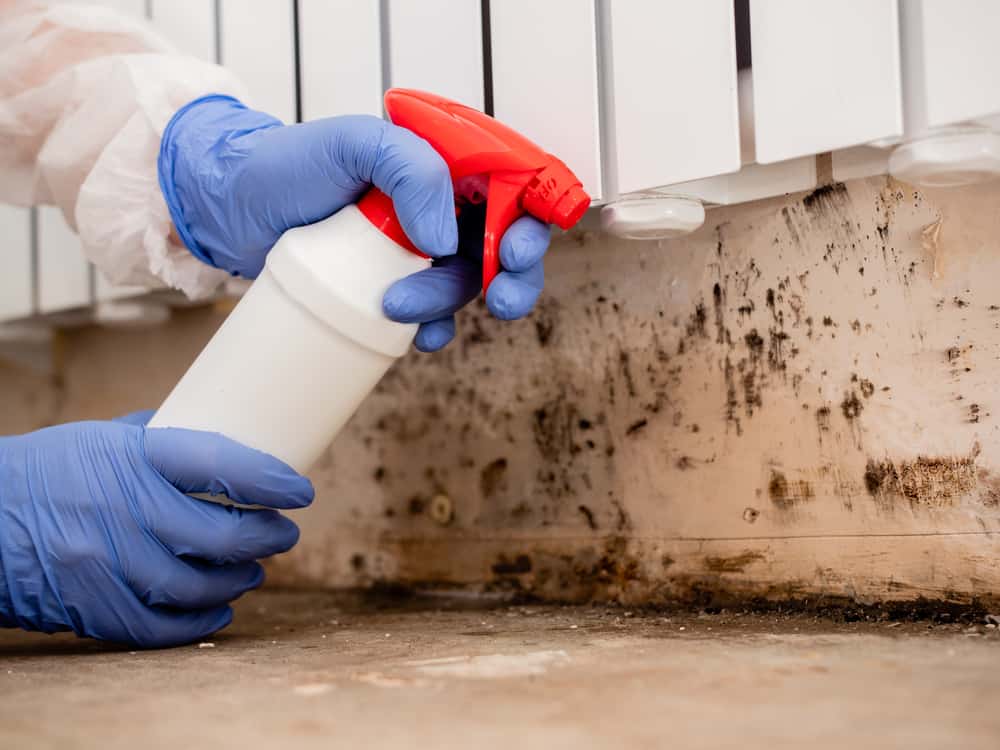
Most Gilgo homeowners don’t find mold because they see it. They find it because something feels off — a smell that wasn’t there last summer, a family member who can’t stop sneezing, or a corner of the ceiling that looks slightly wrong. By the time mold is visible, it’s usually been growing in places you can’t see for weeks or months.
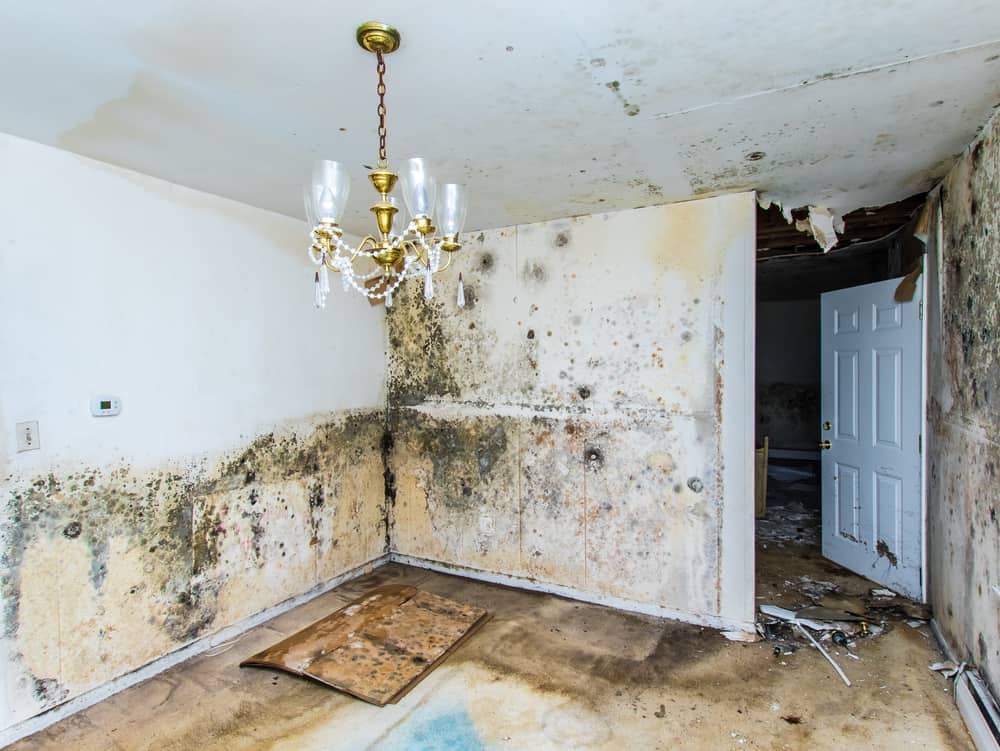
That’s the specific problem with barrier island housing stock. Stilt-constructed homes have underfloor systems exposed to open coastal air. Cedar-sided cottages from the 1940s and 1950s weren’t built with vapor barriers or modern ventilation. When those homes sit unoccupied through a Long Island winter — no heat running consistently, no one noticing the slow drip behind the baseboard — moisture accumulates in every gap and cavity it can find.
A thorough mold inspection tells you exactly what’s there, where it is, how far it’s spread, and what’s causing it. That’s the difference between guessing and knowing. And when your property is worth $1.29 million and sits on a barrier island with one road in and out, knowing is the only position worth being in.
We’re based in West Babylon — directly across the Great South Bay from Gilgo Beach. That’s not a coincidence. The South Shore coastal market, the Town of Babylon, the barrier island communities along Ocean Parkway — this is the territory we’ve been working in for over three decades.
Richard Peterson founded First Response Restoration and Cleaning Inc. 31 years ago, and the team that shows up to your Gilgo property today holds New York State licenses for both mold assessment and mold remediation — the dual licensure that’s been legally required under NY DOL Article 32 since 2016. Every technician carries IICRC certification. That’s not a policy we advertise and then quietly ignore — it’s how every job gets done.
What makes this relevant to you is simple: we’re not learning Gilgo’s coastal housing challenges on your property. We already know what these homes look like from the inside out, and we come prepared for the specific conditions barrier island construction presents.
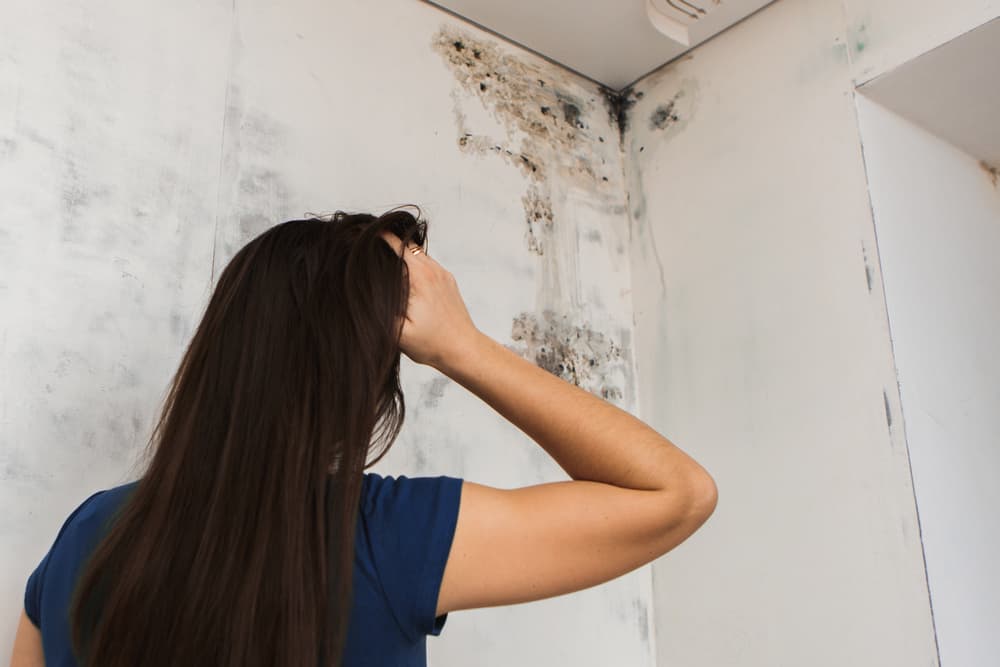
The inspection starts before we touch anything. We walk the property first — looking at the exterior envelope, checking the areas under stilt-floor systems, examining where the structure meets the ground or the pier, and identifying any obvious signs of past water intrusion. In Gilgo, that walkthrough alone tells us a lot. Older cedar-sided homes with aging window seals, underfloor spaces open to bay-side air, rooflines that have taken a nor’easter or two — we know what to look for because we’ve looked for it here before.
From there, we move through a documented five-point process: air sampling, surface swab testing, water intrusion inspection, moisture level measurement, and full photographic documentation. We also use infrared thermal imaging to detect moisture and mold activity hidden behind walls, under floors, and inside ceiling cavities — areas that a standard visual inspection will completely miss, and areas that are especially vulnerable in the older housing stock common throughout Gilgo Beach and West Gilgo Beach.
Every sample goes to an accredited laboratory for analysis. When results come back, you get a written report in plain language — not raw lab data — that tells you what was found, where it is, what species were identified, and what the recommended next steps are. Whether you’re opening the house for summer, dealing with post-storm damage, or in the middle of a real estate transaction, that report gives you something you can actually use.
Ready to get started?
Our inspection covers everything a Gilgo property needs assessed: air quality testing for mold spores, surface sampling in high-risk areas, moisture readings throughout the structure, infrared imaging for hidden problem zones, and a full written report with lab-verified findings from an accredited laboratory. That report is written to serve a purpose — insurance documentation, real estate disclosure, remediation planning, or simply knowing what you’re dealing with before your family arrives for the season.
What separates this from a basic walkthrough is scope. Flood insurance claims require documented, professional evidence. Real estate transactions involving barrier island properties — especially those with the land-lease structure common in Gilgo Beach and West Gilgo Beach — demand thorough written findings. The report we produce meets that standard. It’s the kind of documentation an insurance adjuster, a real estate attorney, or a remediation contractor can work from directly.
And if the inspection finds something that needs to be addressed, you don’t need to start over with a different company. We handle mold remediation and, where structural materials need replacement, full reconstruction. One licensed team, one point of contact, from the first air sample to the final rebuild — which matters more than it might sound when your property is on a barrier island accessible only via Ocean Parkway.
It’s a fair question. Gilgo Beach is on a barrier island, accessible only via Ocean Parkway, and not every contractor is willing to make the trip or familiar enough with the community to do the job right once they get there. We’re based in West Babylon — directly across the Great South Bay — and have been serving the Town of Babylon’s South Shore communities, including the barrier beach areas, for over 31 years. Getting to Gilgo is not a logistical challenge for us; it’s part of the territory we’ve always worked in.
Beyond access, the more important question is whether the inspector understands what they’re looking at when they arrive. Gilgo’s housing stock — stilt-constructed beach houses, cedar-sided cottages from the 1930s through 1960s, homes that were moved here by barge and converted from seasonal to year-round use — is not standard Long Island suburban construction. We come prepared for the specific conditions these homes present, not with a generic checklist designed for a house in Commack.
Professional mold inspections generally run between $300 and $1,000 depending on the size of the property, the scope of testing required, and whether specialized equipment like infrared thermal imaging is used. For a Gilgo Beach home — particularly a larger two-story stilt-constructed property with bay-side exposure, an underfloor system that needs imaging, and multiple rooms that have been unoccupied through winter — you should expect to be toward the middle or upper end of that range for a thorough inspection.
The more useful number to keep in mind is what mold remediation costs if a problem goes undetected: anywhere from $1,150 for a contained surface issue to $20,000 or more for structural involvement. On a property valued around $1.29 million in a market where undisclosed mold can reduce home value by 20 percent or more, the inspection cost is not the number that should concern you. It’s the cost of not inspecting that adds up.
The most common signs are a persistent musty smell when you first open the house, visible discoloration on walls or ceilings — especially in corners, near windows, or along baseboards — and unexplained respiratory symptoms in family members who spend time in the home. In Gilgo specifically, you should also pay attention to the underside of the floor system if you have stilt construction, any areas where the exterior cedar siding meets window or door frames, and spaces like crawl areas or unventilated attic sections that don’t get airflow during the winter.
The tricky part is that the most significant mold growth often has no visible surface indicator at all. Mold in wall cavities, behind cladding, or under subflooring can be extensive before anything shows on the surface. That’s exactly why we use infrared thermal imaging as part of a complete inspection — it detects moisture signatures in areas where a visual check would find nothing, and in older Gilgo Beach homes, those hidden areas are where the real risk tends to live.
It’s not legally required, but in a market like Gilgo Beach, skipping it would be a significant oversight. Properties here carry a unique combination of risk factors: older construction, chronic coastal moisture exposure, a history of storm surge events including Hurricane Sandy, and the land-lease structure that means buyers are purchasing a structure — not the land beneath it — under a lease that runs through 2050. Understanding exactly what condition that structure is in before closing is basic due diligence, not an optional extra.
A pre-purchase mold inspection in Gilgo, NY gives you lab-verified documentation of the home’s current mold status before you take ownership. If issues are found, you have documented evidence to negotiate with. If the inspection is clean, you have a baseline report that’s useful for insurance purposes and future reference. Either way, you’re not walking into a high-value barrier island property blind. Given what these homes are worth and the environmental conditions they live in, that’s the only reasonable approach.
Yes — and in Gilgo’s environment, it happens regularly. Mold doesn’t require a flood or a burst pipe to establish itself. It needs moisture, organic material, and time. Gilgo sits between the Atlantic Ocean and the Great South Bay, which means ambient humidity levels are consistently elevated, salt air accelerates the degradation of building materials, and the water table is so shallow that ground-level moisture is essentially permanent. None of that requires a visible water event — it’s just the baseline condition of living on a barrier island.
A 1994 federal environmental study specifically identified Gilgo Beach East as having substandard septic setbacks from tidal wetlands, which means ground moisture intrusion is a documented, structural concern in parts of this community — not a worst-case scenario. Add seasonal vacancy, inconsistent climate control, and the older construction common throughout Gilgo Beach and West Gilgo Beach, and you have conditions where mold can develop steadily over months without any single triggering event that would be obvious to a homeowner.
When the lab results come back and mold is confirmed, you’ll receive a written report in plain language that identifies what was found, where it’s located, what species were detected, and what remediation is recommended. That report is your roadmap — it’s also the documentation your insurance carrier will need if you’re filing a claim, and what a real estate attorney will want to review if you’re in the middle of a transaction.
From there, if you choose to move forward with remediation, we handle that work directly. You don’t need to source a separate remediation contractor, explain the findings all over again, and hope the new team interprets the report the same way we do. If the remediation requires replacing damaged structural materials — subflooring, wall framing, insulation — we handle reconstruction as well. For a Gilgo homeowner dealing with a barrier island property where contractor coordination is already a logistical consideration, having one licensed team take the job from initial air sample through final clearance is a practical advantage that’s hard to overstate.
Useful Links
Other Services we provide in Gilgo