

Hear from Our Customers
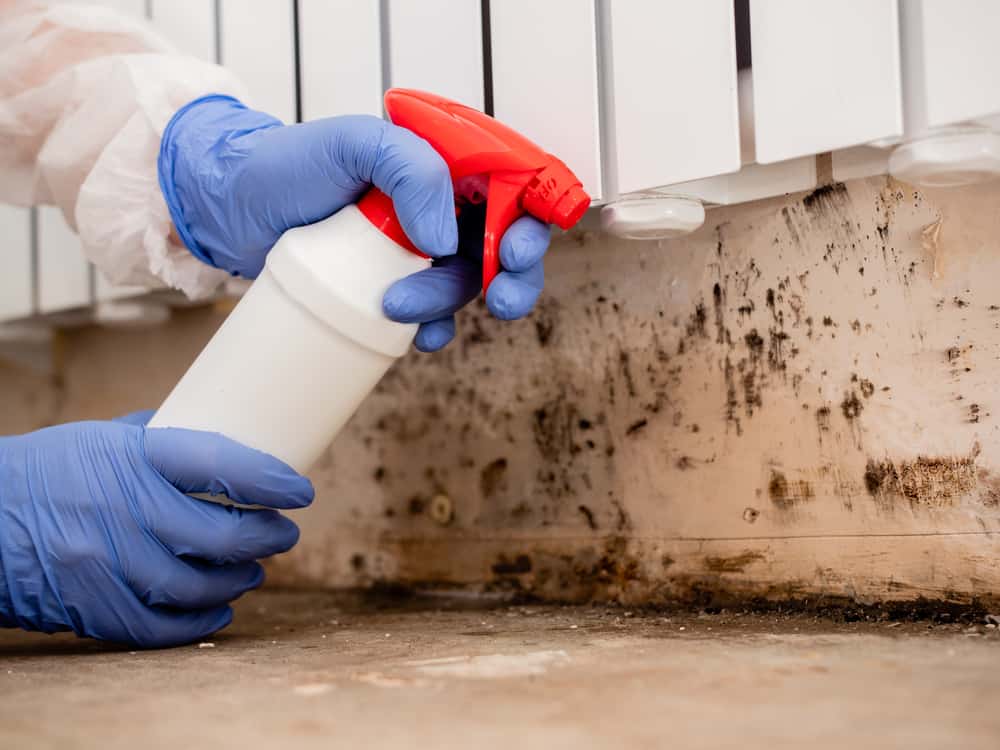
Most people in Great Neck Plaza don’t call about mold because they can see it. They call because something feels off — a musty smell in a bedroom, a family member with unexplained respiratory issues, or a home inspector’s report that flagged moisture in a co-op unit they’re about to close on. What you need at that point isn’t a guess. You need a certified professional with the right tools and a written, lab-verified report that tells you exactly what you’re dealing with.
Great Neck Plaza sits on a peninsula surrounded on three sides by water — Manhasset Bay, Little Neck Bay, and Long Island Sound. That geography keeps ambient humidity elevated year-round, and the village’s older building stock — much of it built between the 1920s and 1980s — was never designed with today’s moisture management standards in mind. Aging plumbing, original windows, shared ventilation in co-op buildings, and flat roofs on mid-century apartment complexes all create conditions where moisture gets in and stays in. When that happens, mold follows within 24 to 48 hours.
After a proper mold inspection in Great Neck Plaza, NY, you walk away knowing the species, the concentration levels, where the source is, and what remediation — if any — is actually needed. That’s not a verbal opinion from someone who walked through your unit. It’s a certified lab report, documented with air samples, surface swabs, infrared imaging results, and moisture readings. That document holds up for insurance claims, co-op board submissions, and real estate attorney review.
We’ve been operating across Long Island for over 31 years. That’s not a number we throw around lightly. It means our technicians have worked in the same coastal humidity conditions, the same pre-war Nassau County building stock, and the same regulatory environment that Great Neck Plaza residents live in every day. We know what mold looks like in a 1940s garden apartment near Bond Street. We know what it looks like behind the walls of a mid-century co-op off Middle Neck Road.
Every technician we send is IICRC-certified — not just our owner, not just our estimator. The person who shows up at your door holds the same credentials as our company leadership. We’re licensed by the New York State Department of Labor for both mold assessment and mold remediation under Article 32 of the NY Labor Law, fully bonded, and fully insured. We also carry a dedicated Nassau County line at 516-698-1776, because Great Neck Plaza is a market we’ve served for decades — not one we’re trying to break into.
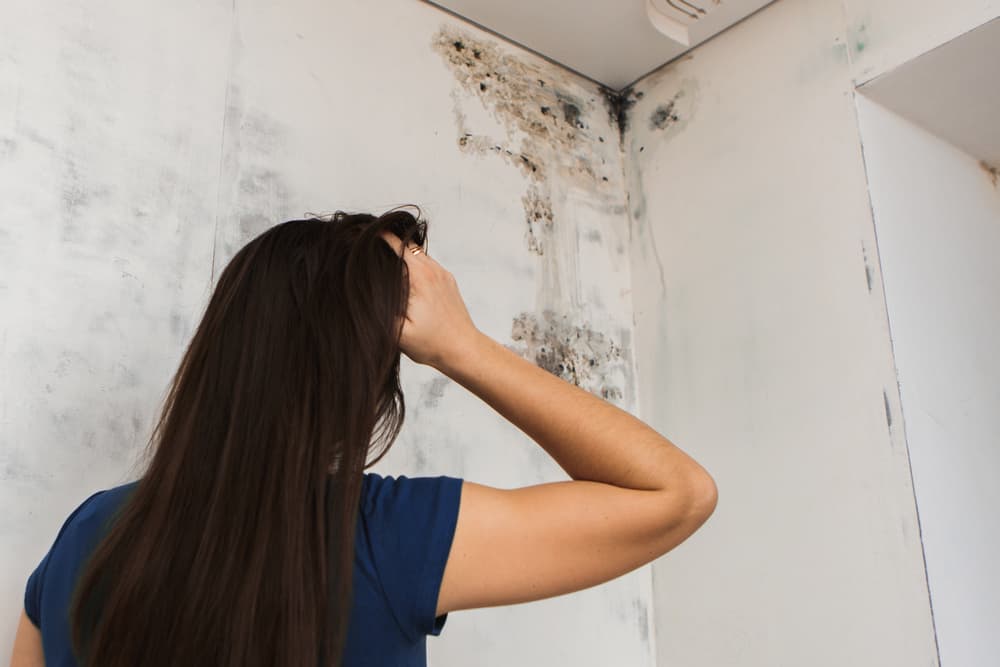
When you call us, a certified technician is dispatched — 24 hours a day, seven days a week. We don’t schedule you two weeks out and hope the problem doesn’t get worse. Once on-site, we begin with a full walkthrough of your property, looking at areas where moisture typically enters and accumulates: basements, crawl spaces, bathroom walls, window frames, HVAC systems, and anywhere a previous water intrusion may have occurred.
From there, we collect air samples from inside your home and compare them against outdoor baseline levels. We take surface swab samples from any visible or suspected growth areas. We use infrared thermal imaging to scan wall cavities and structural areas where mold often hides without any visible sign — which matters especially in Great Neck Plaza’s older apartment and co-op buildings, where original plaster walls and aging pipe insulation can conceal moisture damage for months before it becomes visible. Moisture readings are taken throughout to map exactly where elevated levels exist.
All samples go to a certified third-party laboratory. When results come back, you receive a written report that includes mold species identification, spore concentration levels, the source of moisture driving the growth, and specific recommended next steps. If your situation involves a water damage insurance claim — which is common after the kind of storm flooding this peninsula sees — that report is formatted to meet your carrier’s documentation requirements. New York State’s Article 32 licensing requirement means our report also carries the legal standing that co-op boards, real estate attorneys, and courts will accept.
Ready to get started?
Our mold inspection in Great Neck Plaza, NY is a five-point process: air testing, surface swab sampling, water intrusion inspection, moisture level measurement, and infrared technology scanning for hidden mold and damage assessment. Every one of those steps produces documented findings — not notes on a clipboard, but data that goes into your written report alongside certified lab results.
For Great Neck Plaza specifically, the infrared scanning component matters more than it does in most communities. The village’s building stock — from the pre-war garden apartments near Bond Street to the mid-century co-ops along Middle Neck Road — was built with construction methods that make hidden moisture intrusion a routine problem, not an edge case. Infrared imaging lets us detect temperature differentials inside wall cavities and behind original plaster without opening a single wall. That means you get answers without triggering a co-op board dispute over construction access or a landlord conversation about repair costs.
It’s also worth knowing that many pre-1980 buildings in Great Neck Plaza contain asbestos in pipe insulation, floor tiles, and joint compound. We flag co-occurring risk areas during the inspection — because the village has its own asbestos abatement ordinance requiring contractor compliance before any asbestos project begins, and a thorough mold inspection in an older building should account for that. If remediation is needed after your inspection, we handle that too — same company, same standards, no handoff to an unfamiliar crew.
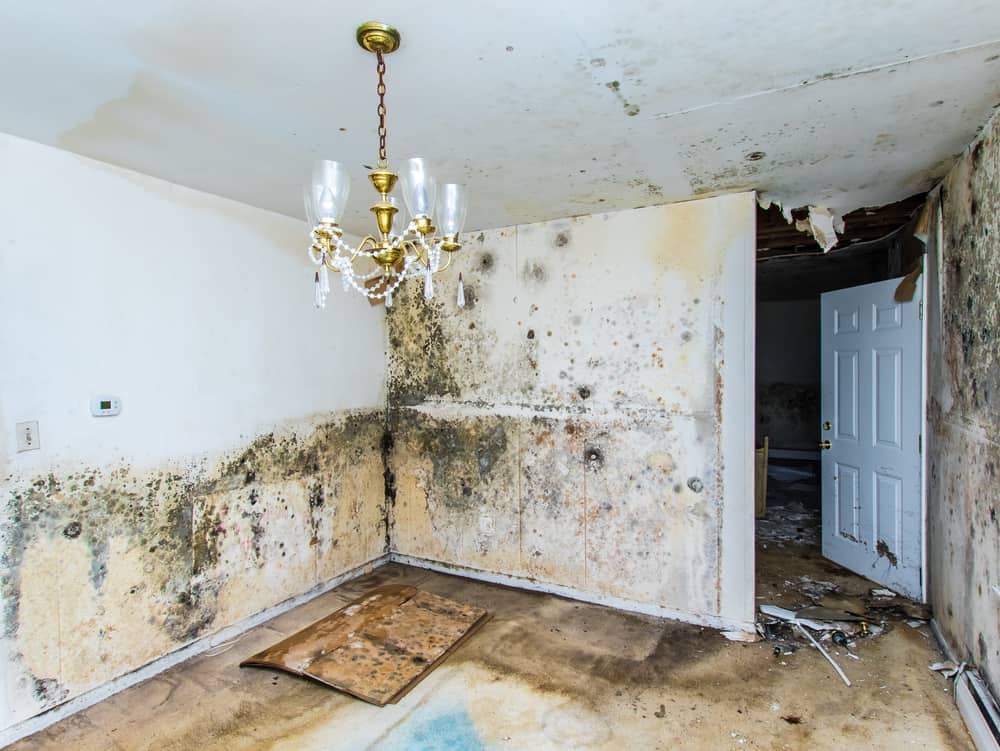
Visible mold is actually the minority of what we find. Most of the time, the first signs are indirect — a persistent musty odor that doesn’t go away after cleaning, unexplained allergy or respiratory symptoms in one or more household members, or a slight discoloration along a baseboard or window frame that keeps coming back. In Great Neck Plaza’s older apartment buildings and co-ops, mold frequently grows inside original plaster walls, behind pipe insulation, and beneath layered flooring — areas where ambient humidity from the surrounding water (Long Island Sound, Manhasset Bay, Little Neck Bay) has been slowly saturating building materials for years.
The only reliable way to confirm hidden mold is with a professional inspection that includes infrared thermal imaging and air sampling. Infrared scans detect temperature differentials inside wall cavities that indicate moisture intrusion — without opening the wall. Air sampling quantifies spore levels inside your unit and compares them to outdoor baseline levels. If interior concentrations are significantly elevated, that’s confirmation that an active mold source exists somewhere in the structure, even if you can’t see it.
The national average for a professional mold inspection runs between $300 and $1,000, with most homeowners landing somewhere around $500 to $700 depending on property size and the scope of testing needed. For Great Neck Plaza’s co-op and condo units — which tend to be smaller than the detached single-family homes in surrounding Nassau County communities — you’re generally looking at the lower-to-middle end of that range for a standard inspection. Larger apartment units or buildings requiring multiple sampling points will run higher.
What affects cost most is the number of samples collected and whether infrared scanning is needed. In Great Neck Plaza’s older building stock, infrared imaging is almost always worth including — it’s the tool that finds moisture intrusion before it becomes a full remediation project. A few hundred dollars spent on a thorough inspection can prevent a remediation bill that runs anywhere from $1,150 to $20,000 or more depending on how far the problem has spread. If your inspection connects to an insurance claim, the cost of the inspection itself is frequently covered or reimbursed as part of the claim.
Yes — and this is one of the most important things to understand about mold in a multi-unit building. In Great Neck Plaza’s co-ops and garden apartment complexes, units share plumbing stacks, ventilation systems, and structural wall cavities. A mold colony that establishes itself in one unit’s wall — typically near a shared plumbing stack or a building-wide HVAC duct — can release spores into the shared air system and migrate into adjacent units before anyone in those units notices a problem.
This is why a mold inspection in a shared building should document not just the affected unit but the likely moisture source and the direction of potential spread. If the source is a building-wide issue — a leaking roof, a failing shared plumbing stack, or inadequate ventilation in a shared mechanical room — the co-op board will need to be involved in the remediation decision. Our written inspection report is formatted to support exactly that kind of co-op board presentation, with lab-backed findings and clear documentation of the moisture source and its relationship to the building’s shared infrastructure.
It’s not legally required, but skipping it on a Great Neck Plaza co-op or condo is a real financial risk. Standard home inspectors are not mold assessors — they can note visible moisture or suspected mold, but they cannot collect air samples, run lab analysis, or produce a certified mold assessment report. If a home inspector flags “potential moisture intrusion” or “suspected mold” on a pre-purchase report, that flag means nothing is resolved. It means you need a certified mold inspection before you can accurately evaluate what you’re buying.
In Great Neck Plaza’s real estate market, where co-op and condo transactions involve board approval processes and attorney review, a certified mold inspection report gives your attorney something concrete to work with before the closing. If mold is found, you have documented grounds to renegotiate price, require remediation as a condition of sale, or walk away with your deposit intact. If no mold is found, you close with confidence. Either way, the inspection is worth it — especially in buildings that date back to the 1930s through 1980s, where moisture intrusion has had decades to work its way into the structure.
Mold can begin growing within 24 to 48 hours of water intrusion — and Great Neck Plaza’s peninsula geography makes post-storm flooding a real, recurring risk. The village sits between Manhasset Bay to the west and Little Neck Bay to the east, with Long Island Sound to the north. When a nor’easter or tropical system pushes through, storm surge and heavy rainfall can drive water into the basements and ground-floor units of the village’s older apartment buildings faster than building management can respond. The LIRR’s Port Washington Branch tracks near Great Neck have experienced storm-related flooding during major weather events — which gives you a sense of how serious the water exposure can get in this area.
That 24-to-48-hour window is why we operate around the clock and dispatch immediately when you call. If your basement or ground-floor unit took on water, the priority is getting a moisture assessment done before mold establishes itself — not after. If mold has already started, early detection limits the scope of remediation significantly. Waiting a week to schedule an inspection after a flooding event typically means a larger, more expensive remediation project. Call 516-698-1776 the moment you suspect water intrusion.
Under New York State’s Article 32 mold licensing law, a mold assessor and a mold remediator are required to be separate licensed entities — meaning the same individual cannot perform both the assessment and the remediation on the same project. This rule exists specifically to prevent the conflict of interest you’re probably thinking about: a company that inspects and then inflates findings to sell unnecessary remediation work.
We are licensed by the NYS Department of Labor for both mold assessment and mold remediation as separate licensed functions — which means we comply fully with Article 32’s separation requirement while still being able to manage your project from start to finish under one roof. The inspection produces an independent, lab-backed report. If remediation is warranted, a separate licensed remediator takes over — and in our case, that’s still us, operating under our remediation license. You get the continuity of one company that knows your building, your findings, and your timeline, without the legal or ethical conflict that Article 32 is designed to prevent. For Great Neck Plaza residents navigating co-op board approvals or insurance claims, that seamless handoff matters.
Useful Links
Other Services we provide in Great Neck Plaza